
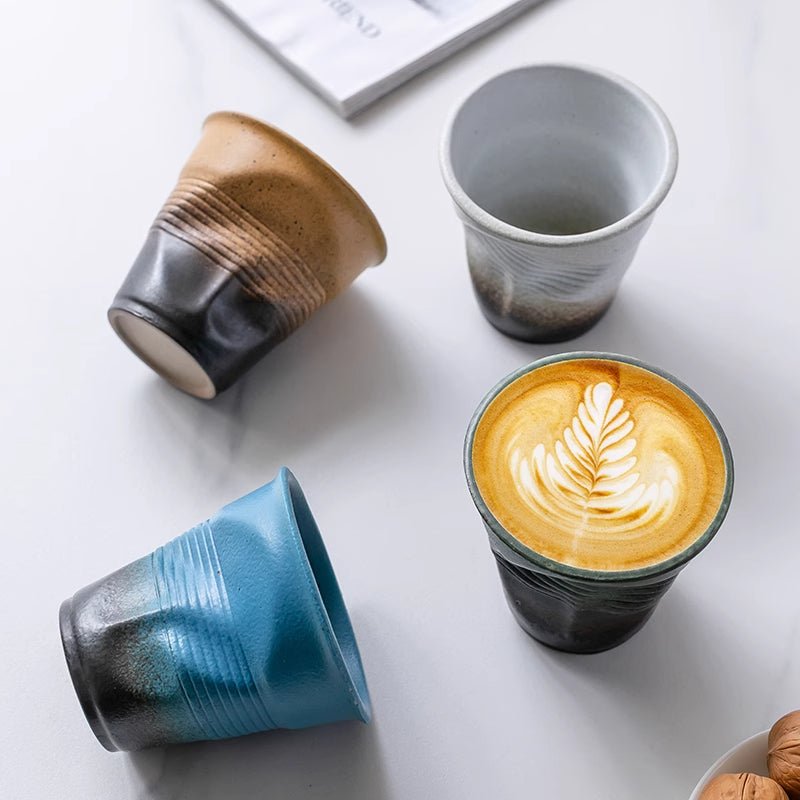
Ceramic Espresso Cup Weekend Coffee Practical Purchase Checklist
Reading time: about 8 minutes
A Saturday coffee often stays beside the breakfast plate or an open book instead of leaving the kitchen in a hurry. That is where a size mismatch becomes obvious: a cup can look compact online but hold considerably more than the small espresso serving you pictured. We built this ceramic espresso cup weekend coffee practical purchase checklist around facts a shopper can verify before ordering: ceramic construction, listed capacity, visible form, and the volume of the finished drink.
In our store, we compare these compact espresso-style cups by those concrete details first. The Retro is listed at 170 ml, the Pleated at 200 ml, and the Ball Handle at 250 ml. All three may be larger than a traditional single-shot demitasse, so none should be selected from the word espresso alone.
Your ceramic espresso cup weekend coffee practical purchase checklist starts with volume
Measure the drink you actually serve on a slow morning, including any milk or added water. Measuring only the espresso portion can lead you toward a cup that is too small once the finished drink is assembled.
- Prepare your usual weekend order, including every liquid you add.
- Measure the finished volume with a suitable kitchen measuring cup, or recreate the same volume with cool water.
- Allow headroom so you can lift the cup from the counter without carrying it filled to the rim.
- Compare that practical serving volume with 170 ml, 200 ml, and 250 ml.
Do not treat listed capacity as a target fill line. If your drink comes close to a cup's full listed capacity, move to the next size or choose a larger mug. If you drink a very short espresso and want the visual proportions of a classic demitasse, even the 170 ml option may feel too generous.
170 ml, 200 ml, or 250 ml: where does your pour fit?
| Reader situation | Why it may fit | Relevant next step |
|---|---|---|
| Your finished drink sits comfortably below 170 ml, and you want the smallest listed vessel. | The Retro has the lowest capacity of these three and a visible retro-style form. It is still not a tiny demitasse. | Review the Retro 170 ml ceramic cup. |
| You need more room than 170 ml for espresso with a modest addition of milk or water. | The Pleated provides the middle listed capacity and a visibly textured form without moving up to 250 ml. | Compare your measured pour with the Pleated 200 ml ceramic cup. |
| Your longer weekend coffee needs the most room available in this group. | The Ball Handle is the largest listed option at 250 ml and has the most distinctive visible handle form. | Inspect the Ball Handle 250 ml ceramic cup. |
These recommendations are based on capacity and visible form, not certified drink-specific performance. We do not make heat-retention claims for the cups, and capacity alone cannot tell you how a particular coffee recipe will taste or how long it will remain at your preferred temperature.
Which visible form belongs in your weekend routine?
Weekend use often puts the cup in view for longer: on the kitchen counter during preparation, beside a plate at brunch, or on an office desk during a quiet catch-up session. Visible form therefore matters, but it should not override volume and fit.
The Retro suits a shopper who prefers the retro design direction shown on its product page and wants the smallest listed capacity. The Pleated is the clearer choice when exterior texture is part of the appeal; inspect the product images closely and decide how much surface detail you are willing to wipe during cleanup. The Ball Handle is for the buyer specifically drawn to a ball-shaped handle rather than a conventional-looking form.
We do not describe any of these shapes as universally ergonomic. Hand size, grip, and mobility needs differ, and a photograph cannot confirm comfort. If form matters more than these three capacities, browse our collection of unique ceramic coffee mugs and compare the visible profiles before settling on a vessel.
Will it fit your machine, shelf, and cleanup habits?
A 170 ml capacity does not establish exterior height, base width, or handle projection. We would rather flag those unknowns than suggest equipment compatibility that has not been verified.
- Espresso machine: Measure from the drip tray to the lowest spout, then check the available width around the cup position. Compare those numbers with current product-page dimensions if supplied. If the dimensions are unavailable, do not assume fit.
- Cabinet or cup rail: Measure shelf height and usable width, including space for the visible handle form. Capacity does not predict how efficiently a cup will store.
- Dishwasher and microwave: The verified facts supplied for this comparison do not establish appliance suitability. Follow the current product-page care guidance and do not treat the word ceramic as automatic permission for either appliance.
- Included pieces: Buy for the listed ceramic vessel. Do not assume a saucer, spoon, lid, gift box, or other accessory is included unless the individual listing states it.
- Temperature priorities: These are not presented as insulated drinkware. A different vessel is more appropriate if verified heat retention is central to your purchase.
If no product-specific care instructions are available, a cautious interim routine is hand-washing with mild dish soap and a soft sponge while you seek confirmation. Avoid abrasive tools that could mark a ceramic surface.
What should you inspect during a cup or gift unboxing?
Ceramic damage is easiest to spot before the first drink. We recommend opening the parcel in good light and checking the vessel before washing it or wrapping it as a gift.
- Match the product name and listed capacity to your order confirmation.
- Inspect the rim, body, base, and handle junction for chips or visible cracks.
- Place the empty cup on a flat, dry kitchen counter and check that it sits steadily.
- Run a fingertip carefully over accessible edges to identify an unexpected sharp point.
- Keep the packaging and order details until the inspection is complete.
Do not use a ceramic cup with a visible crack, loose handle, or chipped drinking rim. For a gift, this check prevents the recipient's first interaction from becoming a damage inspection during the unboxing.
Who should choose a different cup style?
These three cups are not a universal answer. Another style is the more practical purchase if your routine requires something the verified product facts do not establish.
- Choose a traditional demitasse if you want a much smaller single-shot presentation than 170 ml.
- Choose verified machine-specific drinkware if you cannot measure the clearance beneath your espresso spout.
- Choose a larger glass or mug if ice and a long pour would crowd even a 250 ml vessel.
- Choose insulated or travel drinkware if you need a lid, portability, or stated thermal performance.
- Choose a product with explicit care specifications if dishwasher or microwave use is a non-negotiable part of your routine.
A coffee cup for espresso should match the finished serving and the setting, not merely carry espresso-related styling. Recognizing that distinction before checkout prevents the most predictable size and use-case mismatches.
Frequently asked questions
How do I use the ceramic espresso cup weekend coffee practical purchase checklist?
Measure your complete weekend drink, leave practical carrying headroom, and compare it with the listed capacities of 170 ml, 200 ml, and 250 ml. Then verify machine clearance, storage space, care requirements, and visible form before choosing a product.
Is a 170 ml ceramic cup small enough for a single espresso?
The Retro is the smallest option in this comparison, but 170 ml may still be larger than a traditional single-shot demitasse. If you want a very small espresso cup with little unused space around the drink, a demitasse-style vessel may suit you better.
Can the Ball Handle 250 ml cup fit under my espresso machine?
Capacity does not confirm external height or machine clearance, so we cannot promise equipment fit. Measure the gap from your drip tray to the spout and compare it with any current dimensions on the product page before ordering.
Are these ceramic cups dishwasher and microwave safe?
Dishwasher and microwave suitability are not among the verified facts used for this article. Check the current care information on the individual product listing, and do not assume appliance compatibility solely because the vessel is ceramic.
Which ceramic espresso cup is the best weekend coffee gift?
The best gift depends first on the recipient's usual serving volume. Choose the Retro for the smallest listed capacity, the Pleated for the middle capacity and textured form, or the Ball Handle for the largest capacity and distinctive handle; if those preferences are unknown, compare more visible styles in the collection before buying.
Run this 60-second checkout check
Write down five answers before opening the checkout page:
- What is the measured volume of the finished weekend drink?
- How much machine and cabinet clearance is available?
- Which visible form will the user genuinely want to handle and display?
- Are dishwasher or microwave instructions required before purchase?
- Does the buyer need a demitasse, insulated vessel, lid, or accessory that is not verified here?
Choose the 170 ml Retro, 200 ml Pleated, or 250 ml Ball Handle only when its listed capacity and visible form answer those questions. If none does, return to the unique coffee mugs collection and select a vessel that matches the actual pour rather than forcing the routine to fit the cup.
More from our blog
Read more
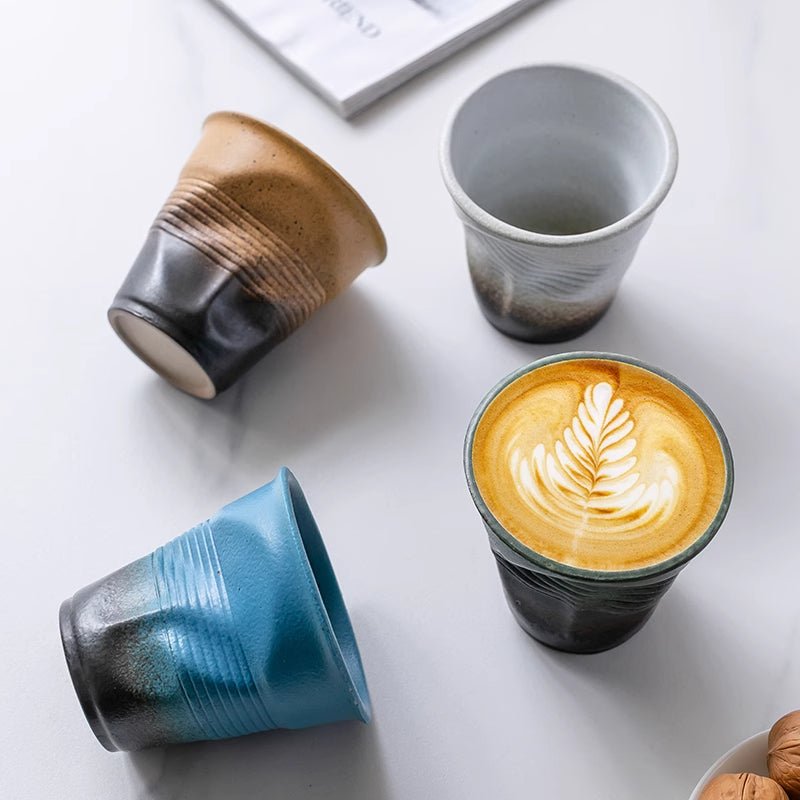
Ceramic Cortado Cup Weekend Coffee Practical Purchase Checklist
Measure your usual weekend pour, compare it with CoffeifyMug's verified 170 ml, 200 ml, and 270 ml capacities, and allow practical room for stirring and carrying. This checklist also covers counter...
Read more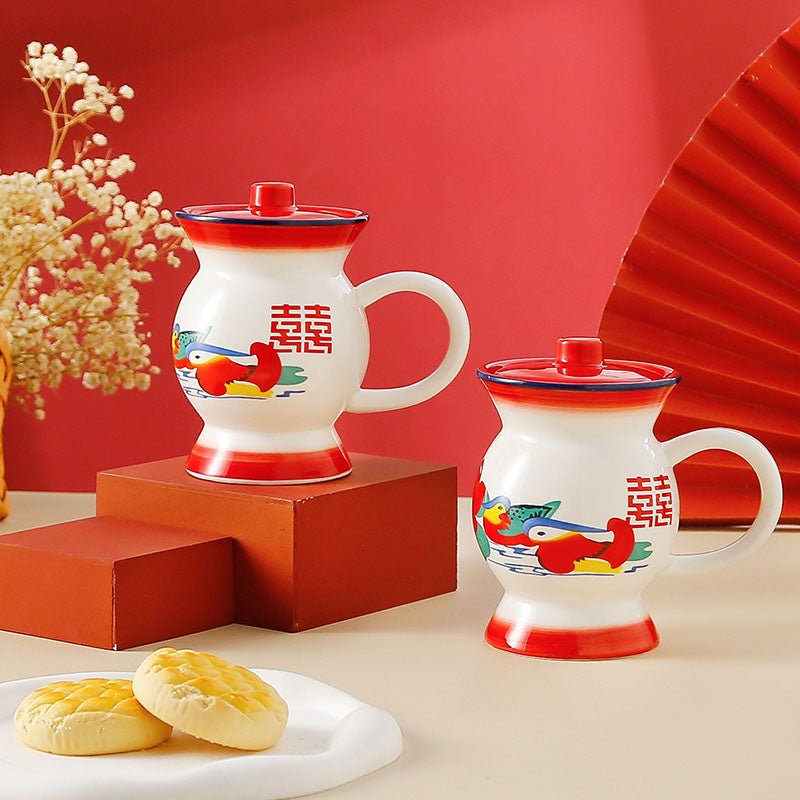
Thick Ceramic Coffee Mugs Shared Household Product Shortlist Guide
Compare The Rock, The Flow, and Spittoon as separate candidates for a shared kitchen. See which routine each may suit, where each can miss, and what to verify before ordering.
Read more
Leave a comment
This site is protected by hCaptcha and the hCaptcha Privacy Policy and Terms of Service apply.