
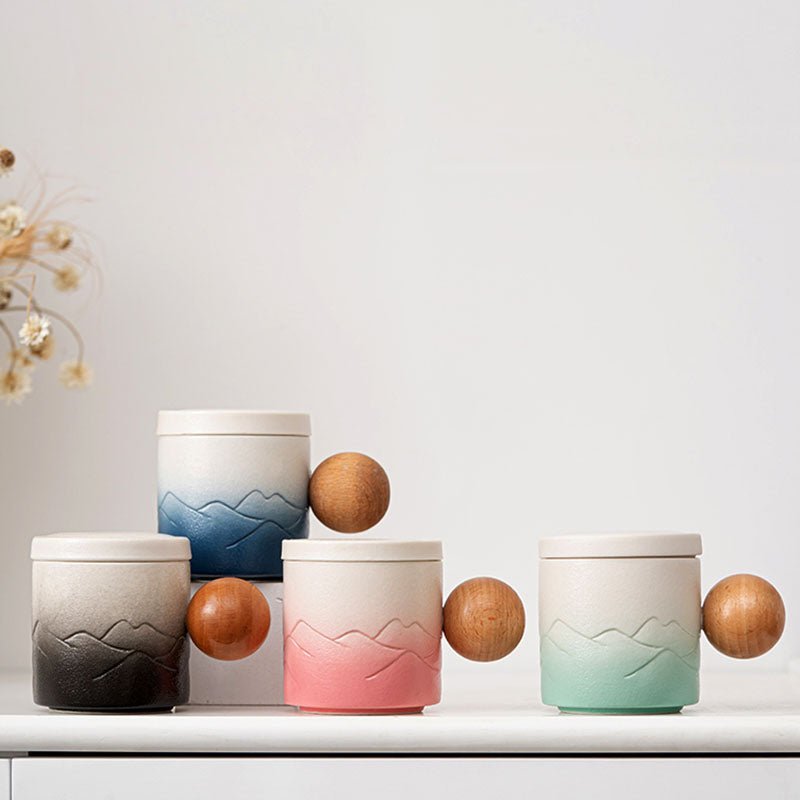
Ceramic Espresso Cup Home Office Practical Purchase Checklist
Reading time: about 9 minutes
A cup that feels right during a five-minute kitchen break can become the wrong desk cup halfway through a video meeting: too much unused volume, an unfamiliar handle, or cleanup that clashes with back-to-back calls. Our ceramic espresso cup home office practical purchase checklist starts with facts you can verify before checkout. In our store, the useful comparison is 170, 200, or 250 ml against the amount you actually prepare, not the word espresso by itself.
The catalog facts used here are straightforward: ceramic material; Retro at 170 ml; Pleated at 200 ml; and Ball Handle at 250 ml. These listed capacities may be larger than a traditional single-shot demitasse. We do not infer a saucer, lid, spoon, stackability, espresso-machine clearance, dishwasher or microwave status, or spill protection from names or photos. Confirm any such detail if it controls your purchase.
Ceramic espresso cup home office practical purchase checklist: five desk questions
If you want the smallest listed capacity, start with the Retro Coffee Tea Cup at 170 ml. If visual character matters more than one specific item, compare the forms in our unique coffee mugs collection. From handling this category, we treat capacity, exterior measurements, care status, and included pieces as separate facts.
- What do you normally pour? Copy your usual fill level with water, transfer it to a measuring jug, and record the volume in ml.
- How do you drink during work? A quick counter break, one meeting, and a long work block may involve different serving amounts. Session length does not establish thermal performance.
- Which visible form do you want to handle? Compare the Retro profile, pleated exterior, and unconventional ball handle rather than treating all three as interchangeable.
- Do exterior measurements matter? Capacity does not reveal height, body width, base diameter, or handle clearance.
- Which details are non-negotiable? Write down any required care method, accessory, machine fit, or covered-drink function before buying.
This short exercise keeps a small espresso cup from becoming a style-only impulse purchase.
170, 200, or 250 ml: which amount matches your workday pour?
A coffee cup for espresso does not have to be a tiny demitasse, but extra capacity should be intentional. Treat the ml figure as a comparison point, not a required fill line beside electronics.
| Listed option | Reader situation | Why it may fit | Trade-off to check |
|---|---|---|---|
| Retro, 170 ml | You make the smallest drink in your daily routine and want the lowest listed capacity. | It is the smallest of these three catalog options. | It may still be larger than a traditional single-shot demitasse, and capacity does not establish exterior size. |
| Pleated, 200 ml | Your measured drink needs more room than you would allow in the 170 ml option. | It provides the middle listed capacity and a visibly pleated form. | A longer meeting alone is not a reason to size up; base the choice on prepared volume. |
| Ball Handle, 250 ml | You intentionally prepare a larger desk drink and like the ball-handle form. | It has the highest listed capacity of the three. | A single shot will leave more unused volume, and no travel or spill-resistant function should be assumed. |
For a practical measurement, fill your current cup with cool water to its normal level, pour that water into a kitchen measuring jug, and note the result. Repeat the test if your quick espresso break and longer coffee or tea routine use different amounts. Choose a listed capacity that leaves sensible room above your usual pour rather than planning to fill the vessel to its rim.
Capacity does not prove footprint. A 170 ml cup is not automatically shorter or narrower than a 200 ml cup, and neither figure confirms machine clearance. For more capacity-specific context, read our ceramic espresso cup capacity guide for 170, 200, and 250 ml.
Retro, pleated, or ball handle: what changes at the desk?
Capacity is numeric. Visible form is what you repeatedly see and touch, but product photography cannot establish universal comfort.
- You prefer retro styling and the smallest listed capacity: The 170 ml Retro Coffee Tea Cup is the direct next step. Its reason for inclusion is its verified capacity and visible Retro form, not an assumed grip or machine fit.
- You want 200 ml with noticeable surface detail: The 200 ml Pleated Coffee Tea Cup fits that brief. If your cleanup routine is a very quick wipe, consider whether you are willing to pass a cloth or sponge along the visible pleating.
- You specifically like a nontraditional handle: The 250 ml Ball Handled Coffee Tea Mug has a visibly different handle form. Shoppers accustomed to placing several fingers through a conventional loop should study the product photography and request measurements rather than assuming the same grip.
Our team would not declare an ergonomic winner from images alone. Hand size, grip preference, and verified handle dimensions matter. For a gift, listed capacity and visible shape are safer comparison points than promised comfort.
What should you verify before the cup sits beside a keyboard?
The common home-office mistake is making the decision from one data point and discovering later that a different detail mattered more.
Listed capacity tells you volume. It does not tell you exterior height, body width, base diameter, handle clearance, included accessories, or espresso-machine fit.
- Desk zone: Measure the clear area beside your keyboard, mouse path, notebook, and charging cables. Compare it only with confirmed exterior dimensions.
- Machine clearance: If the vessel must sit beneath an espresso spout, measure the available vertical and horizontal space. Ask for cup dimensions if the listing does not state them.
- Box contents: Do not assume a saucer, spoon, lid, gift box, or other accessory is included unless the live listing says so.
- Arrival condition: Under bright light, inspect the rim for chips and the body or handle joint for hairline cracks. Place the empty vessel on a flat kitchen counter to check for obvious rocking, and look for sharp damage on the base before setting it on a desk.
- Movement between rooms: These products should not be treated as lidded, portable, or spill-resistant vessels without an explicit statement. A purpose-built covered cup is a better choice if you regularly carry coffee alongside a laptop.
For a more detailed arrival inspection, use our guide to ceramic cup mistakes and shipping protection before putting a new cup into daily rotation.
How much ceramic-cup care can your meeting schedule support?
Back-to-back calls make an evening dishwasher cycle attractive, but ceramic material alone does not establish dishwasher or microwave suitability. We do not fill missing care information with assumptions.
- Check the live listing first. Look for explicit dishwasher and microwave guidance, or ask our store if that information is essential.
- Use conservative hand care when status is unknown. Mild dish soap, warm water, and a soft, nonabrasive sponge avoid making an unsupported appliance-safety assumption.
- Avoid abrupt temperature changes. Let a hot ceramic cup cool before exposing it to much colder rinse water. This is general ceramic care, not a product-specific temperature rating.
- Inspect while drying. Check the rim, body, and handle connection for new damage. On a pleated exterior, pass the cloth or sponge along the grooves rather than wiping only across the raised surface.
If dishwasher use is non-negotiable because cups wait until the workday ends, buy only after that status is explicitly confirmed. A different ceramic cup with clearly stated care instructions is more practical than an attractive unknown.
Which CoffeifyMug option fits each home-office routine?
A short, measured coffee break
Situation: Your normal drink fits comfortably within 170 ml, and you want the smallest listed option. Why it fits: Retro is the lowest-capacity choice in this three-product comparison. Next step: Review the Retro Coffee Tea Cup, while remembering that it may still be larger than a traditional demitasse.
A middle-capacity drink during a meeting
Situation: Your measured coffee or tea needs more room than the 170 ml option, but 250 ml would create unnecessary unused volume. Why it fits: Pleated provides the middle listed capacity at 200 ml. Next step: Check the Pleated Coffee Tea Cup and confirm any required exterior measurements or care details.
A deliberately larger desk serving
Situation: You routinely prepare a larger drink and specifically prefer the visible ball-handle design. Why it fits: The Ball Handle mug is listed at 250 ml, the largest capacity here. Next step: View the Ball Handled Coffee Tea Mug; choose it for intended volume and form, not because larger automatically means better.
A gift or style-first purchase
Situation: You know the recipient likes distinctive ceramic forms, but you do not know their preferred grip or drink volume. Why it fits: A collection view makes the visible differences easier to compare. Next step: Browse the unique coffee mugs collection, then verify capacity and any must-have details on the selected page.
If your decision also involves desk layout and a broader mug setup, our article on the best ceramic coffee mug for a home office desk covers those wider trade-offs.
Who should choose a different cup style?
These three ceramic options are not automatic fits for every espresso or office routine.
- Classic demitasse shoppers: If one single shot should visually fill a very small cup, look for a purpose-sized demitasse rather than assuming 170 ml is tiny.
- Commuters: If you need a lid or stated spill resistance, choose a product designed and described for covered transport.
- Strict machine-fit buyers: Do not order on capacity alone when exact height and width determine clearance.
- Set buyers: Choose a listing that explicitly states a saucer or other included pieces if a coordinated set is required.
- Long-duration heat-retention buyers: Consider a purpose-built insulated vessel with stated performance rather than inferring thermal results from ceramic or capacity.
Frequently asked questions
Is 170 ml small enough for a single espresso?
The Retro 170 ml cup is the smallest listed option in this comparison, but it may still be larger than a traditional single-shot demitasse. If you want a single espresso to visually fill most of the vessel, a smaller demitasse style may suit you better.
Should I buy a 200 or 250 ml cup for long video meetings?
Meeting length alone should not decide the capacity because it does not establish how much you prepare or how the vessel manages heat. Measure your normal finished drink: 200 ml is the middle listed option, while 250 ml is for an intentionally larger serving.
Can these ceramic cups go in a dishwasher or microwave?
Do not assume appliance suitability from ceramic material alone. Check the live product page or ask for explicit guidance; if the status remains unconfirmed, conservative hand washing is the safer purchasing assumption.
Will a 170, 200, or 250 ml cup fit under my espresso machine?
Capacity cannot confirm machine fit. You need verified cup height and width plus the available clearance beneath your machine, so request dimensions if they are not stated.
What is the fastest way to compare a ceramic espresso cup for a home office?
Use the ceramic espresso cup home office practical purchase checklist in this order: measure your pour, choose a listed capacity, select a visible form, and verify dimensions, care, and included items. If a required fact is missing, ask before buying or choose a product that states it clearly.
Your 60-second checkout check
- Measure your normal drink volume with water and a marked jug.
- Choose among the listed 170, 200, and 250 ml capacities.
- Select Retro, pleated, or ball-handle form based on an actual preference.
- Confirm exterior dimensions if desk or espresso-machine clearance matters.
- Verify care instructions and included pieces instead of assuming them.
- Choose another style if you require a tiny demitasse, lid, insulation, or stated spill resistance.
Start with the 170 ml Retro, 200 ml Pleated, or 250 ml Ball Handle according to your measured volume. If visible style is your first filter, compare the full unique coffee mugs collection, then recheck the live listing and ask about any unknown that would change your decision.
Read more
Thick Ceramic Coffee Mugs Morning Routine Practical Purchase Checklist
Match a thick ceramic mug to the minutes you actually drink, your usual pour, and how much you dislike refills. This checklist covers grip, filled weight, cabinet fit, care claims, and a no-assumpt...
Read more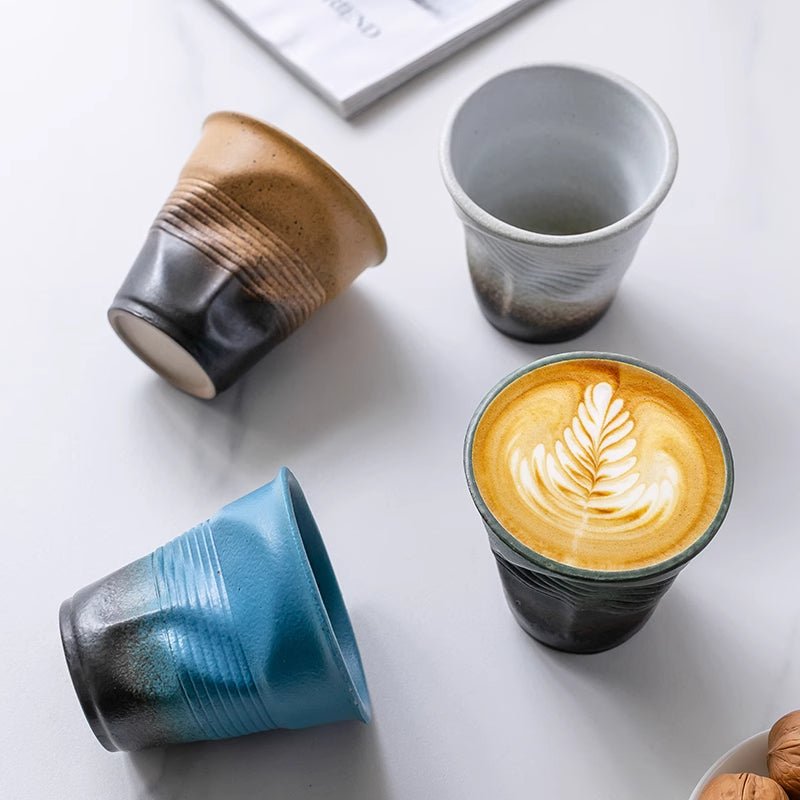
The ceramic cortado cup home office practical purchase checklist
Compare CoffeifyMug's verified 170 ml, 200 ml, and 270 ml ceramic options by finished drink volume, desk routine, headroom, and care questions. This checklist also flags unsupported features to ver...
Read more
Leave a comment
This site is protected by hCaptcha and the hCaptcha Privacy Policy and Terms of Service apply.