

A small ceramic coffee cup morning routine practical purchase checklist
Reading time: about 9 minutes
A cup can feel perfectly sized at 7:05 a.m. and annoyingly small by 7:20. The usual failure is simple: a shopper judges the silhouette, then discovers that the morning pour needs two refills or leaves too little room for milk. Our small ceramic coffee cup morning routine practical purchase checklist starts with what happens between brewing and leaving the kitchen, because timing, actual drink volume, and refill tolerance matter more than the word small.
In our store, we handle this choice by separating general category guidance from product-page facts. Ceramic body type, stated capacity, external dimensions, care directions, and included pieces can differ by item. The live listing should settle those points; photos and labels such as cup or mug should not.
To establish a visual shortlist, scan our unique coffee mugs collection, then open the Pleated Coffee & Tea Cup as one concrete comparison page. Keep it on the list only if its current specifications match the measurements you take below.
What happens between the first pour and the front door?
Time one normal weekday from the first pour to the last sip. A relaxed weekend breakfast often gives a misleading answer because the pot is nearby and another refill is easy.
- About five minutes at the counter: A compact cup can work well if the complete drink fits with comfortable headspace.
- Ten to twenty minutes with breakfast: Interruptions and cooling matter, so an undersized cup may add an unwanted refill.
- Twenty minutes or more at a desk: A larger or insulated vessel is often more practical, especially if the coffee pot is in another room.
Under otherwise similar conditions, a smaller volume of liquid generally cools sooner, although wall thickness, preheating, room temperature, and drink temperature all affect the result. If a broader footprint matters around a laptop or busy counter, compare the stability questions in our ceramic wide-bottom mug morning checklist.
Small ceramic coffee cup morning routine practical purchase checklist
Run these checks in order. Starting with style can leave you rationalizing a cup that does not fit the drink.
- Measure the finished beverage. Brew as usual, add milk or water, and measure the amount you genuinely drink.
- Reserve carrying headspace. Your preferred fill should sit below the rim so walking, stirring, and adding sugar do not cause spills.
- Record sipping time. Use a normal workday rather than the slowest morning of the week.
- Set a refill ceiling. Decide whether zero, one, or several trips back to the pot are acceptable.
- Measure external fit. Check total height, base diameter, rim width, and handle clearance where relevant.
- Read material and care claims literally. Do not infer a ceramic body type, dishwasher rating, or microwave rating from appearance.
- Confirm what arrives. Quantity, saucers, spoons, lids, and other pieces should be stated in the listing rather than assumed from photo props.
How much coffee do you pour after milk and foam?
A stated capacity may represent a brim fill unless the listing defines its measuring method. The more useful number is working capacity: the volume you can carry and sip without liquid crowding the rim. If you need to compare units, one US fluid ounce is about 29.6 milliliters.
| Morning drink | Measure this | Reject the cup if |
|---|---|---|
| Black coffee or pod brew | The machine's actual output at your usual setting | Your preferred fill reaches the rim |
| Espresso with milk | Coffee, milk, and foam together after preparation | Only the espresso portion fits |
| Tea | The amount poured per serving, not the kettle volume | Every normal serving forces an extra trip |
| Iced coffee | Liquid and ice together | The capacity works only when ice is omitted |
A quick home test is more reliable than estimating from a lifestyle photo: fill your current cup to its comfortable level, then decant that amount into a measuring jug. Do not choose a nominal capacity equal to that measurement; leave a practical gap below the rim.
Will the cup clear your brewer, shelf, and fingers?
Measure vertical clearance from the drip tray, or from the scale if you brew onto one, to the coffee outlet. The cup's base must sit fully on the tray, while its total width must fit the cabinet or shelf. For a handled design, check the handle opening and overall width; for a handleless cup, consider whether the outer wall will be comfortable to hold. A small capacity does not guarantee a compact exterior because thick walls, a flared rim, or an accompanying saucer can increase the footprint.
How many refills are acceptable before the routine breaks?
A zero-refill buyer needs a cup that holds the measured finished drink with headspace. One intentional refill can keep each serving fresher and hotter if the pot remains nearby, but multiple refills are a poor match for office stairs, school-run preparation, or a desk beside a keyboard.
If your drink is genuinely concentrated and short, use our ceramic espresso cup morning checklist. If milk volume defines the drink, the flat white cup morning checklist addresses that different capacity problem.
Which ceramic details matter at the rim, foot, and handle?
General category guidance: Ceramic includes bodies such as porcelain, stoneware, and earthenware, but shoppers should not infer the exact type from a glossy photograph. Body composition, wall thickness, glaze, and decoration can change weight, lip feel, heat at the outer wall, and suitable care.
- Rim: Inspect it under good light before use. Tiny rim chips, sometimes called flea bites, can make an otherwise usable cup unpleasant or unsafe at the lip.
- Foot ring: Place the empty cup on a flat counter and press gently at opposite edges. Rocking suggests uneven contact, while a rough unglazed foot can mark a delicate table without a coaster.
- Glaze: A fine network of glaze lines is known as crazing, while tiny pits are pinholes. Some finishes intentionally vary, so compare the cup with the listing imagery and ask if a mark is unclear.
- Handle joints: On a handled cup, inspect the upper and lower attachment points for hairline cracks. Also confirm that the opening accommodates the number of fingers you normally use.
- Care: Follow the live product page. Ceramic alone does not establish dishwasher or microwave safety. During permitted dishwasher cycles, leave space so rims cannot knock together, never assume metallic-looking decoration is microwave-safe, and avoid sudden temperature changes.
Claim boundary: These are inspection and care checks for the category. They are not claims that any linked CoffeifyMug item has a defect, a particular ceramic body, or a stated appliance rating.
Which CoffeifyMug page matches your morning style?
Use each product's name and design presentation to build the shortlist, then let the current specifications decide. We do not recommend assigning capacity, material, or care performance from photos alone.
- Situation: you want visual structure for a quick countertop drink. Why it fits: the Pleated Coffee & Tea Cup provides a clearly pleated style direction. Next step: verify its current material, usable capacity, dimensions, care directions, and package contents.
- Situation: color is the priority on an office desk or open shelf. Why it fits: the Emerald Coffee & Tea Mug presents an emerald-led mug direction by name. Next step: confirm the live size and grip details rather than assuming every mug is large.
- Situation: you want an old-school visual cue or a distinctive gift. Why it fits: the Retro Coffee & Tea Cup is the direct page to assess for retro styling. Next step: for gift unboxing, confirm the quantity and included pieces instead of treating photo props as part of the set.
- Situation: you have measurements but no fixed style. Why it fits: the unique coffee mugs collection lets you compare different silhouettes. Next step: apply the same pour, clearance, refill, and care checks to every candidate.
Keep a product only if its live page explicitly confirms the ceramic material and technical details you require. A strong style match cannot compensate for an unknown working capacity.
When is a small ceramic cup the wrong purchase?
Choose a different format if one or more of these describes the morning:
- You run one large automatic brew and will not accept a refill.
- Your milk or foam routinely occupies a large share of the finished drink.
- You make iced coffee with enough ice to displace substantial liquid.
- You sip through long calls and heat retention matters more than compact size.
- You need a lid, car-cup-holder fit, or impact resistance for commuting.
- The available handle opening or empty cup weight does not suit your grip.
A larger ceramic mug, insulated travel cup, or purpose-sized espresso or milk-drink cup would serve those situations better. A small ceramic cup is also a poor reheating choice unless the product page expressly confirms microwave suitability.
Frequently asked questions
What size small ceramic coffee cup should I buy for my morning routine?
Use the small ceramic coffee cup morning routine practical purchase checklist by measuring the finished drink rather than only the coffee dose. There is no universal cutoff for small, so select a stated capacity that leaves headspace and stays within your refill limit. Then verify the external dimensions.
Is a small ceramic cup suitable for coffee with milk?
Yes, if the combined coffee, milk, and foam fit below the rim. If your normal recipe crowds the rim or requires reducing the milk, a larger flat white or cappuccino format is more practical.
Can every ceramic coffee cup go in the dishwasher and microwave?
No. Ceramic body, glaze, decoration, and construction can have different care requirements. Follow the live listing, and ask the store if dishwasher or microwave guidance is absent rather than assuming compatibility.
How do I know a cup will fit under my espresso machine?
Measure from the drip tray, or any scale placed on it, to the lowest part of the outlet and compare that clearance with the cup's total external height. Check that the base sits fully on the tray and that a handle will not strike the machine frame.
Your 60-second checkout comparison
- Does the live page confirm the ceramic body you want?
- Does the stated capacity exceed your finished pour with room below the rim?
- Will the external dimensions fit your brewer, shelf, and hand?
- Are the refill count and expected sipping time acceptable?
- Do the care directions match your dishwasher and microwave habits?
- Are the quantity and included pieces stated clearly?
If one candidate passes all six checks, open its live product page and select only the confirmed option. If none passes, return to the unique coffee mugs collection and compare another shape using the same measurements. That is the simplest way to avoid buying a beautiful cup that becomes impractical after the first rushed morning.
Read more
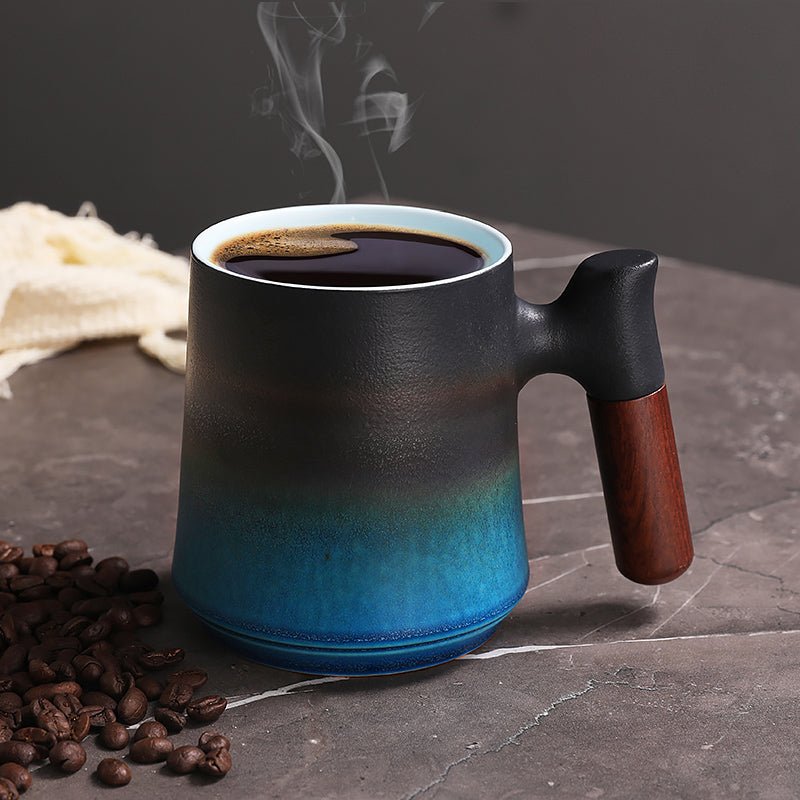
Cute Ceramic Coffee Mugs Morning Routine Practical Purchase Checklist
Measure your usual pour, count the refills you will tolerate, check machine and cabinet clearance, then compare style. This checklist separates general ceramic-mug guidance from the facts to verify...
Read more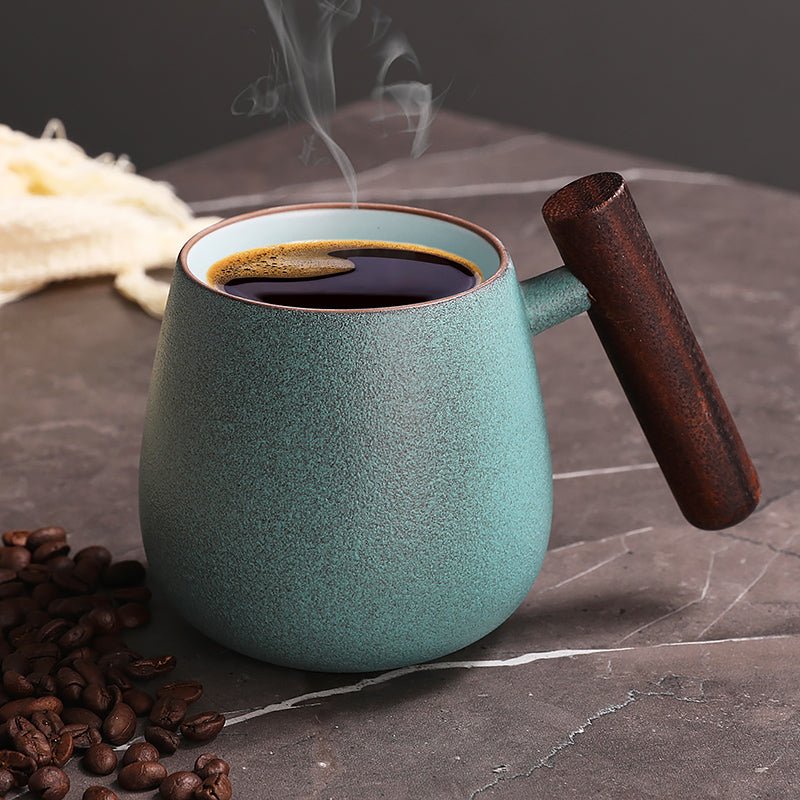
Green Ceramic Coffee Mugs Morning Routine Practical Purchase Checklist
Match a green ceramic mug to your real morning: available time, normal pour, refill tolerance, grip, counter space, and care needs. This checklist maps those details to CoffeifyMug options without ...
Read more
Leave a comment
This site is protected by hCaptcha and the hCaptcha Privacy Policy and Terms of Service apply.