
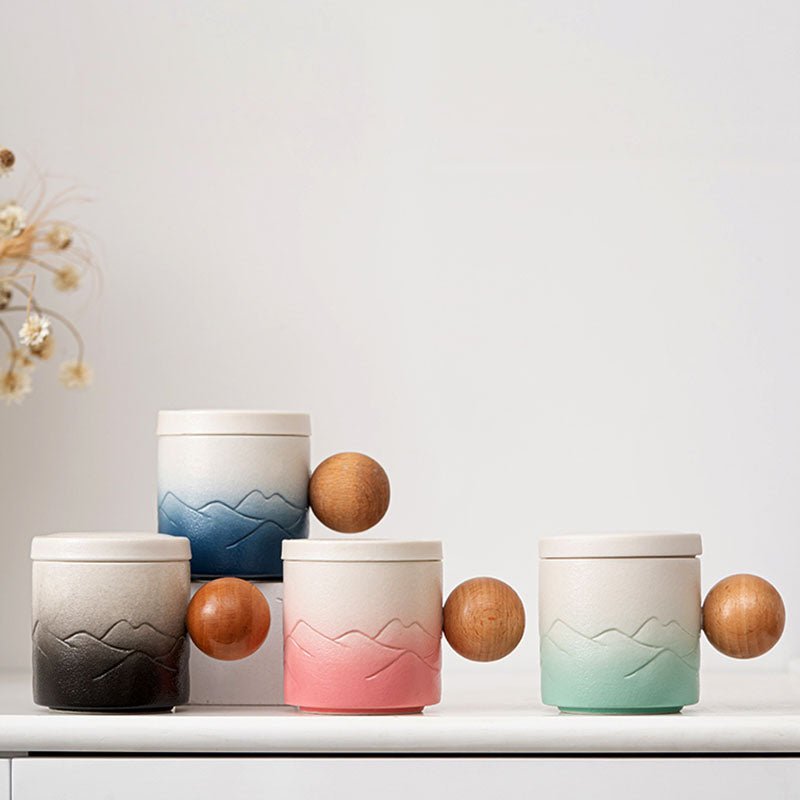
Your piccolo cup morning routine practical purchase checklist
Reading time: about 9 minutes
At 7:10 a.m., the wrong cup fails for a surprisingly ordinary reason: your drink is still half full when your keys are already in hand. A cup that looks compact online may hold more than you normally pour, while a genuinely small option can force an unwanted refill halfway through breakfast. This piccolo cup morning routine practical purchase checklist starts with that real kitchen-counter problem rather than a fixed recipe.
In our experience handling drinkware questions, the most useful facts are often the simplest ones. The verified catalog capacities for this comparison are 170 ml for the Retro, 250 ml for the Ball Handle, and 270 ml for the Emerald. We use piccolo cup here as a compact morning-use description, not as a certification attached to any item. We are also not assigning a universal milk-to-coffee ratio or claiming that one capacity represents a café standard.
Use the piccolo cup morning routine practical purchase checklist before breakfast
Start with your clock, not the drink name. Think through an ordinary weekday morning, including the minutes spent making coffee, packing a bag, checking messages, and moving between the kitchen and your desk.
- Five to ten minutes before leaving: A smaller listed capacity may be easier to finish without carrying a cooling drink from room to room. The 170 ml option is the first one to compare if your usual pour fits with safe carrying headroom.
- Fifteen to twenty-five minutes at breakfast: A 250 ml option gives you 80 ml more listed capacity than the Retro. That can accommodate a longer drink without immediately moving into large-mug territory.
- A slow first cup at an office desk: The 270 ml option offers the largest listed volume of this trio. It may suit a shopper who dislikes refilling, provided the normal pour actually uses the extra room.
These timing bands are decision prompts, not performance promises. Capacity alone does not establish heat retention, wall thickness, usable fill line, or the physical size of a cup. Those details must be checked separately.
How many milliliters do you actually finish before 9 a.m.?
Guessing by drink name causes avoidable sizing mistakes. A safer method is a cool-water rehearsal with the cup you already use:
- Fill your current cup with cool water to the same visual level as your normal morning drink.
- Transfer that water to a marked measuring jug and record the volume.
- Note how much you usually leave behind and whether you make a second drink before 9 a.m.
Compare that measured volume with the listed capacities below. Do not plan to fill a cup to its rim; you need headroom to lift it from the counter and walk without spilling.
| Catalog option | Morning situation | Why it may fit | Main trade-off |
|---|---|---|---|
| Retro Coffee Tea Cup, 170 ml | A short drink finished before leaving home | It has the smallest verified capacity in this comparison, making it the most direct compact-volume candidate. | A pour close to 170 ml may leave too little headroom, especially after adding milk. |
| Ball-Handled Coffee Tea Mug, 250 ml | Breakfast, reading, or a moderate first-email drink | Its listed capacity sits between the other two and gives 80 ml more room than the Retro. | It may feel unnecessarily roomy if you make a very short drink and want a tight, compact presentation. |
| Emerald Coffee Tea Mug, 270 ml | A larger morning pour or low refill tolerance | It provides the largest verified volume of the three. | It adds only 20 ml over the Ball Handle, so shape, grip, and physical dimensions may matter more than the modest capacity increase. |
If none of those volumes matches your measured routine, do not force the shortlist. Browse the broader unique coffee mug collection and compare your measured fill against other shapes. A style you like is not a good purchase if it regularly leaves coffee behind or sends you back for an unwanted refill.
Will the cup clear your espresso machine and sit safely on your desk?
The capacity evidence supplied for this comparison does not include height, base diameter, total width, or handle opening. Milliliters cannot substitute for those measurements. Before ordering, check the product page and ask our store if a dimension needed for your setup is not shown.
- Machine clearance: Measure vertically from the drip tray in its normal position to the lowest coffee spout. Leave enough room to place and remove the cup without tilting hot liquid toward your hand.
- Base and coaster fit: Compare the cup footprint with your espresso-machine tray, desk coaster, vehicle cup holder, or narrow bedside table. A larger capacity often needs more space, but shape can change that relationship.
- Handle envelope: Check the total width with the handle included, not just the bowl. The named ball-handle format may feel different from a conventional loop, so study the product images rather than assuming the grip will suit every hand.
- Storage clearance: Look at shelf height and the space between neighboring mugs. An unusual handle can take up more sideways room even when the cup body appears compact.
For an office desk, also consider where the handle points when the cup sits beside a keyboard. Extra listed capacity is useful only if the vessel fits the actual work area and can be picked up without catching a cable, notebook, or monitor stand.
Which material and care details must be confirmed?
The verified facts used here establish capacities, not material or care ratings. We will not label these three products as porcelain, stoneware, earthenware, or glass without a confirmed listing. Appearance alone is not enough because material, glaze, decoration, and firing method can all affect care instructions.
- Find the stated material: Read the product description or packaging rather than judging from shine, color, or wall appearance.
- Confirm dishwasher and microwave guidance: Do not infer either rating from the material name. Decorative metallic finishes, specialty glazes, and applied details can require different treatment.
- Inspect the rim and drinking surface: Look under side light for chips, sharp spots, glaze pinholes, or unexpected crazing. Crazing appears as a fine network of glaze lines and can be confused with an intentional crackle finish, so ask if the appearance is unclear.
- Check structural contact points: Inspect both handle attachments for hairline cracks, then place the empty cup on a flat counter to see whether the base rocks.
- Follow the first-wash instructions: If dishwasher use is confirmed, position the cup so its handle cannot knock against neighboring drinkware during the cycle. Use non-abrasive cleaning methods if the finish instructions call for them.
This inspection matters during gift unboxings too. Check the rim, handle joints, glaze, and base before wrapping the cup for someone else. Our team would rather tell a shopper to pause and verify a care detail than imply a rating that the available product facts do not support.
Which morning drink makes each capacity sensible?
A quick, compact pour
If you make one short espresso-based drink, add only the amount of milk you personally prefer, and finish it in a few minutes, start with the 170 ml Retro option. It is the smallest listed choice, but it is not a certified piccolo cup and should still be compared with your measured fill.
A milkier breakfast drink
If your usual recipe overfills a smaller cup or you want room to carry the drink without crowding the rim, compare the 250 ml Ball Handle mug. Its midpoint capacity offers more flexibility, though shoppers seeking a very short serve may find that extra room unnecessary.
A first-email drink or tea-sized pour
If you sit down for a longer morning drink and strongly prefer not to refill, the 270 ml Emerald mug is the largest-capacity next step in this group. Tea drinkers using an infuser should also verify the mouth diameter and infuser clearance because volume alone does not prove accessory compatibility.
If your normal serve is much smaller than 170 ml, use our ceramic espresso cup morning routine checklist as a separate sizing framework. If your measured milk drink regularly falls in the 200–270 ml range, the flat white cup shortlist for 200–270 ml routines offers a more focused comparison. Neither drink name replaces measuring the recipe you actually make.
What are these compact options not designed to solve?
- A large iced coffee: Ice displaces liquid quickly, so even 270 ml may be restrictive once cubes and milk are added.
- One oversized drink lasting all morning: If your measured pour exceeds 270 ml before headroom, move to a larger mug instead of accepting spills or repeated refills.
- Sealed commuting: A shopper who needs a leak-resistant lid or insulation should choose a purpose-built travel vessel rather than relying on cup capacity.
- A guaranteed café specification: None of these recommendations establishes a certified piccolo size, café provenance, or fixed coffee-to-milk ratio.
- Unverified care requirements: If dishwasher or microwave use is essential and the relevant instructions are unavailable, confirm them before buying.
Run this 60-second checkout check
- Write down the cool-water volume of your normal morning pour.
- Allow headroom rather than matching your pour exactly to the listed capacity.
- Choose how many minutes you normally have to finish the drink.
- Decide whether one refill is acceptable.
- Confirm machine height, cup footprint, total width, and handle clearance.
- Verify material and the care instructions you need.
- Select 170 ml, 250 ml, or 270 ml only after it passes every relevant line.
Keep the piccolo cup morning routine practical purchase checklist focused on your own sequence. The 170 ml Retro is the compact-volume choice, the 250 ml Ball Handle is the middle option, and the 270 ml Emerald offers the most listed room. That is a capacity comparison, not a claim that one is universally best.
Frequently asked questions
How should I use the piccolo cup morning routine practical purchase checklist?
Measure your normal fill with cool water, record how long you have to drink it, and decide whether a refill is acceptable. Eliminate any option that does not leave carrying headroom or lacks the dimensions and care information required by your kitchen or office setup.
Is the 170 ml Retro Coffee Tea Cup a certified piccolo cup?
No such certification is claimed here. It is the smallest verified capacity in this three-product comparison, so it may suit a compact drink if your measured pour fits comfortably below the rim.
Is 250 ml or 270 ml better if I do not want a refill?
The Emerald provides 20 ml more listed capacity than the Ball Handle. That modest difference helps only if your normal drink uses it, so compare physical fit, handle preference, and confirmed care details before choosing solely by volume.
Are the Retro, Ball Handle, and Emerald options dishwasher and microwave safe?
The source facts used for this checklist confirm their 170 ml, 250 ml, and 270 ml capacities only. Check the individual product description, packaging, or care label for dishwasher and microwave guidance, and contact our store if the required instruction is not available.
Take one practical step tomorrow morning: run the cool-water rehearsal, write down your pour and refill tolerance, then open the CoffeifyMug unique coffee mug collection in another tab. Remove every option that fails the volume, clearance, grip, or care check; if none leaves comfortable headroom, choose a larger style rather than forcing a compact cup into the wrong routine.
More from our blog
Read more
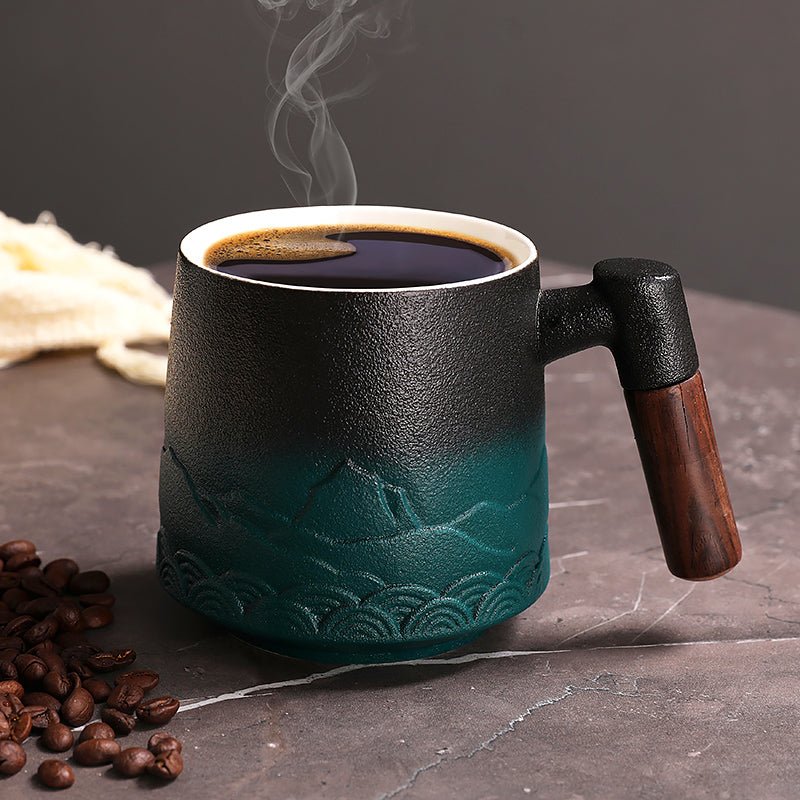
Vintage Pottery Coffee Mugs Morning Routine Practical Purchase Checklist
Choose a mug around the minutes you have, the drink volume you actually make, and how often you will refill. This checklist also covers grip, desk stability, glaze care, arrival inspection, and the...
Read more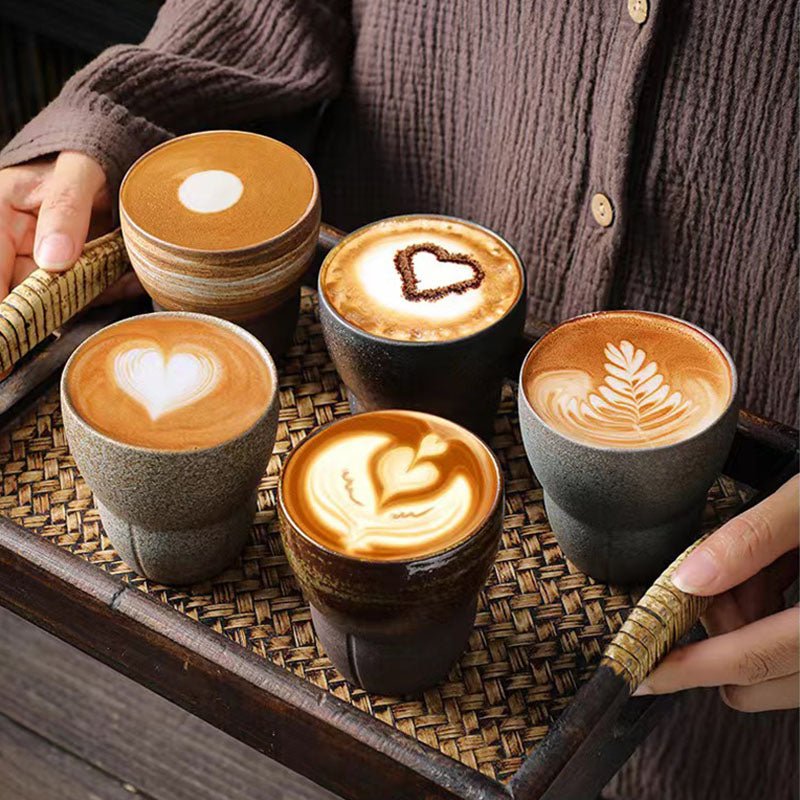
Decaf Coffee Cup Morning Routine Practical Purchase Checklist
Match a decaf cup to the way your morning actually runs. This checklist compares CoffeifyMug's verified 170 ml, 200 ml, and 270 ml capacities, then covers handle comfort, care, serving preference, ...
Read more
Leave a comment
This site is protected by hCaptcha and the hCaptcha Privacy Policy and Terms of Service apply.