
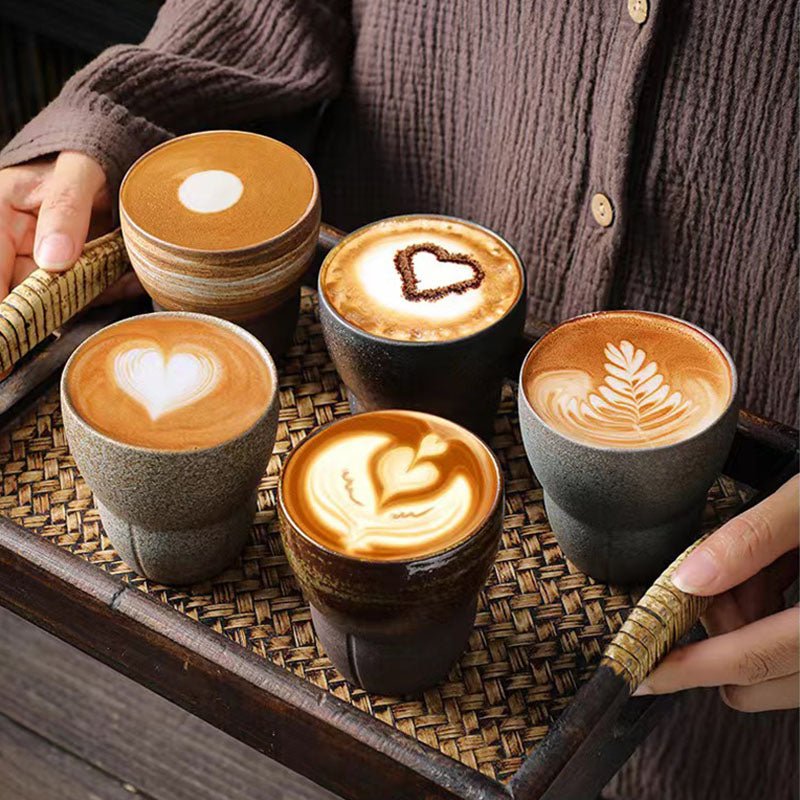
Decaf Coffee Cup Morning Routine Practical Purchase Checklist
Reading time: about 9 minutes
At 7:15 a.m., the wrong cup makes itself known quickly. The first pour ends before breakfast is finished, or a larger cup follows you from the kitchen counter to the desk with more left than you wanted. Our decaf coffee cup morning routine practical purchase checklist starts with three details shoppers can measure: usual serving volume, acceptable refill count, and the grip they prefer.
The catalog facts verified for this guide give us three clear capacity points. The Retro Coffee Tea Cup is 170 ml, the Pleated Coffee Tea Cup is 200 ml, and the Emerald Coffee Tea Mug is 270 ml. You can also compare the wider unique coffee mugs collection after deciding which capacity range belongs on your shortlist.
Those capacities are facts we can compare directly. They do not establish external dimensions, handle opening size, material, care method, or microwave and dishwasher compatibility. We recommend confirming those details on the live product page or with our team rather than inferring them from a photograph.
How does the decaf coffee cup morning routine practical purchase checklist begin?
Begin with the amount you actually pour, not the cup shape you like best. Style can break a tie later. Capacity determines whether your usual serving fits without an unwanted refill or excessive unused room.
| Verified option | Reader situation | Why it fits | Trade-off and next step |
|---|---|---|---|
| Retro, 170 ml | Your first serving is compact, and one refill does not interrupt your routine. | It is the smallest verified capacity in this group, making it the logical starting point for a measured serving. | It is not a good fit for a larger one-cup routine. Review the 170 ml Retro cup. |
| Pleated, 200 ml | Your measured pour falls between compact and large, and you want a middle option. | Its 200 ml capacity bridges the 170 ml and 270 ml choices without automatically moving to the largest cup. | It may still be too small if your serving approaches 270 ml. Check the 200 ml Pleated cup. |
| Emerald, 270 ml | You prefer the largest listed serving and have low refill tolerance. | At 270 ml, it has the largest verified capacity among these three products. | It is not ideal if you regularly leave a larger serving unfinished. See the 270 ml Emerald mug. |
A capacity figure is a comparison point, not an instruction to fill a cup to the rim. If your ordinary pour is close to the listed number, account for your preferred headspace and confirm how the product's capacity is measured.
How many refills can your morning tolerate?
Refill tolerance is easy to underestimate while shopping. A short walk across the kitchen may be irrelevant on a quiet morning and irritating once you are settled at an office desk. Test the routine before choosing the cup.
- Fill your current cup with cool water to the same level you normally use.
- Transfer that water to a marked measuring jug and record the volume in milliliters.
- Decide whether zero, one, or several refills fit the first part of your morning.
- Compare the measured amount with 170 ml, 200 ml, and 270 ml while allowing for headspace.
- If your measurement nearly equals a listed capacity, verify the cup's usable fill convention before checkout.
For example, a measured 185 ml serving is already above the Retro cup's listed 170 ml capacity. The 200 ml Pleated cup is the more logical comparison, subject to headspace. A shopper measuring around 240 ml and wanting one serving should begin with the 270 ml Emerald mug.
Used this way, the decaf coffee cup morning routine practical purchase checklist separates a measurable need from a visual preference. It also prevents the common assumption that the largest option must be the best one.
Will the handle still feel right after a full morning pour?
In our experience handling and selling drinkware, shoppers often study the handle's outline but miss the fit questions that matter after the cup is filled. Capacity alone cannot tell you the handle opening, edge shape, balance, or knuckle clearance.
- Preferred finger count: Notice whether you normally use one finger, two fingers, or a fuller grip.
- Knuckle clearance: Check whether your fingers touch the cup body when you lift your current cup.
- Pressure points: A narrow or sharply curved handle can feel fine for a quick lift but uncomfortable during a longer hold.
- Filled balance: Add cool water to your target volume, hold the cup for about 20 seconds, and move it from counter height toward drinking position.
- Handle projection: Confirm how far the handle extends if the cup must fit a crowded cupboard, desk, or drying rack.
A 270 ml fill involves carrying more liquid than a 170 ml fill, so grip and balance deserve extra attention if you are moving the cup between rooms. If handle dimensions are not published, compare product photographs with a familiar cup or ask our team for the current measurements.
Where does the cup spend the first 30 minutes?
Capacity describes the space inside a cup. Height, rim diameter, base diameter, and handle projection decide where that cup physically fits.
- Breakfast table with refills nearby: Start with the 170 ml Retro or 200 ml Pleated option, depending on your measured serving. Their lower listed capacities make sense when another pour is easy.
- Office desk with low refill tolerance: Start with the 270 ml Emerald mug because it is the largest verified option, but check its external dimensions before assuming it fits your workspace.
- Tight cupboard or narrow desk shelf: Do not choose from capacity alone. A 170 ml cup is not automatically shorter or narrower than every higher-capacity design.
- Gift recipient with an unknown routine: Measure a cup the recipient already uses or ask about serving size. Our morning coffee mug gift checklist covers the additional questions that arise when the user cannot test the handle before the gift is opened.
If desk bumps or base stability matter more than volume, capacity is only part of the decision. Use our wide-bottom coffee mug morning checklist to compare footprint and placement as a separate buying variable.
Which serving preference should remove an option from your shortlist?
Eliminating a poor fit is usually faster than trying to name a universal winner. Match the nearest capacity first, then apply your refill rule.
- Compact, measured serving: The 170 ml Retro cup is the starting point. Rule it out if refilling feels like a disruption.
- Middle-volume serving: The 200 ml Pleated cup is the practical bridge. Rule it out if your measurement leaves too little preferred headspace.
- Larger single serving: The 270 ml Emerald mug is the strongest match among these three. Rule it out if you habitually pour substantially less.
- Serving well below 170 ml: A dedicated smaller format may suit you better. The ceramic espresso cup morning checklist addresses that separate size category.
- Serving above 270 ml or a tall iced-coffee routine: None of these three verified capacities meets that volume on paper. Return to the unique mug collection and verify the capacity of other designs before buying.
A larger cup is not automatically more useful. The best fit is the option that holds your intended serving, leaves the headspace you prefer, and does not create an unwanted refill pattern.
Which product details must be confirmed before checkout?
We can stand behind the supplied 170 ml, 200 ml, and 270 ml capacity facts. The remaining specifications need a live product-page check because appearance alone is not reliable evidence.
| Detail to verify | Why it affects morning use | Practical action |
|---|---|---|
| Material and surface finish | A photograph cannot confirm whether a cup is ceramic, porcelain, stoneware, or another material, nor can it establish surface feel. | Read the current material specification instead of assigning a material from the product name or image. |
| External dimensions | Height, widest diameter, rim diameter, and base diameter affect cupboard and desk fit. | Compare published measurements with the space and cup you already use. |
| Handle measurements | Internal handle height, width, and overall projection affect finger clearance and storage. | Ask for dimensions if the listing and photographs do not answer the grip question. |
| Care directions | Dishwasher and microwave compatibility cannot be inferred from color, shine, or shape. | Use only the care method explicitly stated on the current product page or packaging. |
| Included pieces and capacity method | Styled photographs may contain props, and sellers may describe capacity at different fill points. | Confirm what is included and whether the stated volume is a brim or recommended-use measurement. |
What should you inspect before first use or a dishwasher cycle?
First confirm that machine washing is permitted. In our experience handling drinkware, the rim, handle attachment points, and base are the three areas worth checking as soon as a cup is unpacked.
- Inspect the drinking rim under bright light. A chip, sharp spot, or visible crack at the lip is a stop-use issue.
- Check both handle joins. Look for hairline cracks and gently test for movement before lifting a filled cup. A moving handle should not be used.
- Set the empty cup on a flat, dry counter. Turn it a quarter rotation and check again. Repeated rocking can become irritating on a desk even if the design looks fine.
- Test the intended volume with cool water. Lift and set the cup down three times while checking balance, finger clearance, and thumb position.
- Follow the stated care directions. If dishwasher use is confirmed, position the cup so its handle cannot strike neighboring hard items during the cycle. If it is not confirmed, do not use a machine cycle based on appearance.
This short inspection also gives you a better handle test than an empty-cup lift. Keep the product information available until capacity, grip, stability, and care requirements have all been checked.
Frequently asked questions
What should I measure before buying a decaf coffee cup for my morning routine?
Use the decaf coffee cup morning routine practical purchase checklist to record your usual volume, preferred headspace, and maximum acceptable refills. Then compare those results with the verified 170 ml, 200 ml, and 270 ml options before checking handle and external dimensions.
Is a 170 ml cup enough for a morning decaf coffee?
It can be if your measured serving fits below the listed capacity with the headspace you prefer and you do not mind refilling. It is not a good choice for a larger one-cup routine. The 170 ml Retro cup is the relevant starting point for compact servings.
Should I choose 200 ml or 270 ml if I dislike refills?
Measure your current serving first. If it exceeds 200 ml or sits close to that limit, the 270 ml Emerald mug is the more sensible starting point; if it stays comfortably below 200 ml, the Pleated cup may be more proportionate.
How can I judge coffee cup handle comfort online?
Compare the handle's internal height, width, and projection with a cup that already fits your preferred finger count. Product photographs can help, but they do not replace measurements, so ask our team if those dimensions are not published.
Are the Retro, Pleated, and Emerald cups dishwasher or microwave safe?
The verified facts supplied for this comparison establish their capacities, not their care compatibility. Check the current product-page directions or ask our team before placing any of these cups in a dishwasher or microwave.
Your 60-second checkout decision
- Measure your ordinary fill with cool water.
- Set your maximum acceptable refill count.
- Choose the closest verified capacity: 170 ml, 200 ml, or 270 ml.
- Confirm handle opening, external dimensions, material, and care directions.
- Rule out any option that fails your serving or grip requirement, even if you prefer its appearance.
Use the CoffeifyMug unique coffee mugs collection as your next comparison step, then open only the products near your measured volume. Return to the 170 ml Retro, 200 ml Pleated, or 270 ml Emerald page for the closest match. Measure first, set refill tolerance second, and let appearance break the tie.
Read more
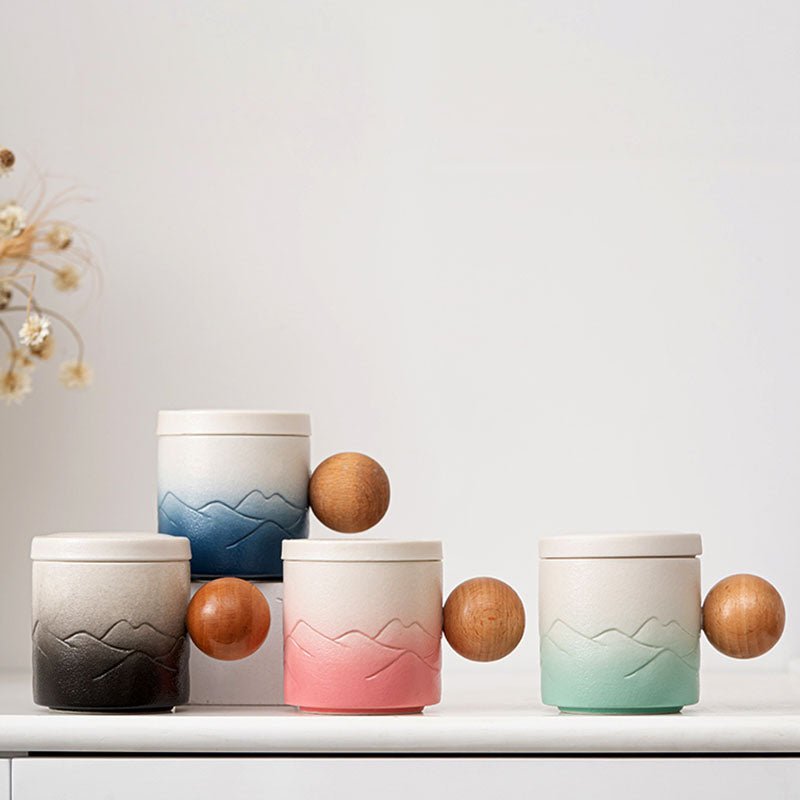
Your piccolo cup morning routine practical purchase checklist
Compare CoffeifyMug's 170 ml Retro, 250 ml Ball Handle, and 270 ml Emerald options against your real morning pour, available time, refill tolerance, machine clearance, and care needs. The checklist...
Read more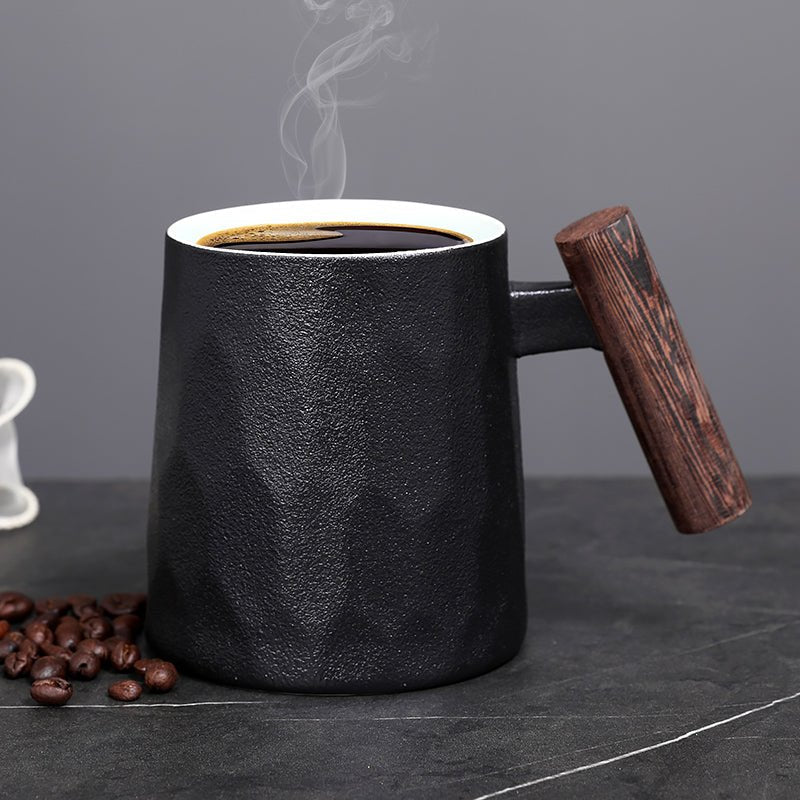
Chai Tea Mug Morning Routine Practical Purchase Checklist
Compare 400, 440, and 480 ml chai mug options using your actual morning drink volume, available time, refill tolerance, grip comfort, and care needs. The checklist also flags product details to ver...
Read more
Leave a comment
This site is protected by hCaptcha and the hCaptcha Privacy Policy and Terms of Service apply.