



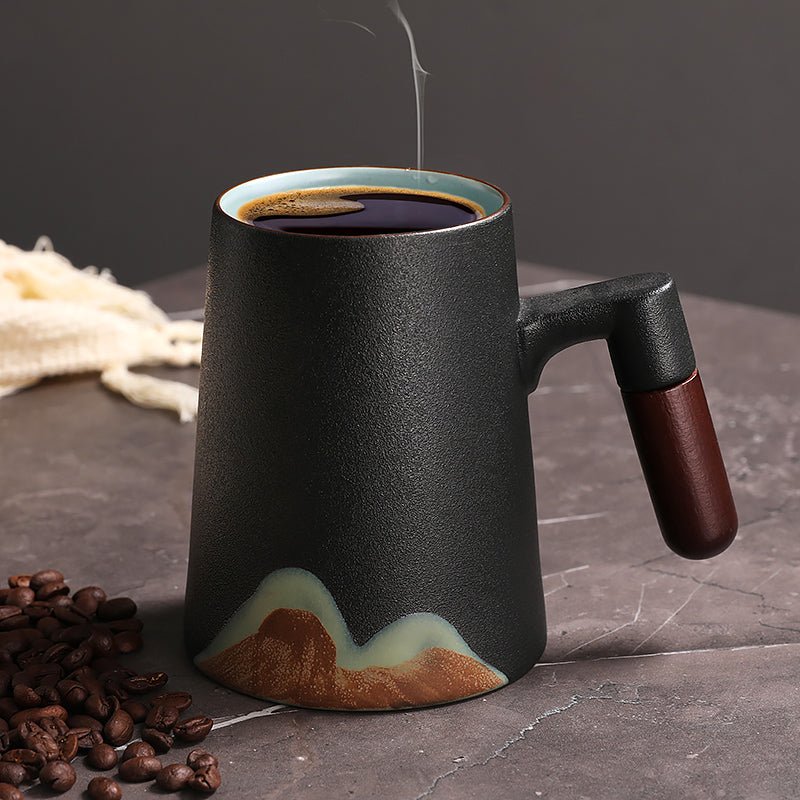
Latte Mugs Tall Home Coffee Station Practical Purchase Checklist
Reading time: about 9 minutes
A ruler settles more tall-mug purchases than any spec sheet we could print. Set the mug you already own under your spout — drip tray in, and the scale you actually brew onto left in place — and the sale usually decides itself in ten seconds. In our store, returns rarely come from someone disliking a glaze. They come from a mug that would not slide under the group head, or one that filled to the brim with nowhere for the foam to go. So here is the latte mugs tall home coffee station practical purchase checklist we walk through with buyers, ordered the way the decisions actually happen rather than the way catalogs list them.
What does “tall latte mug” actually describe on a product page?
Three different objects get sold under that phrase, and they behave nothing alike on a countertop.
- A tall everyday mug. More height than a standard mug, straight or gently tapered walls, built for volume and heat retention.
- A wide café latte cup. Short and broad, with a rim wide enough that a pitcher spout can hover close to the surface. It is the shape most baristas reach for.
- A conical gift or photo mug. Flared toward the rim, usually marketed by the ounce and often noticeably shorter in person than the name suggests.
Capacity alone will not separate those three; conversions will. NIST’s approximate factor is 1 U.S. fluid ounce = 29.57 mL, which makes 8 fl oz about 237 mL, 12 fl oz about 355 mL, and 16 fl oz about 473 mL. Hold those three numbers and every listing becomes readable.
Worth knowing before you compare: FDA’s ceramic guidance describes a cup or mug as small hollowware that normally, though not exclusively, holds about 240 mL (8 fl oz) and has a handle, with a mug having cylindrical sides and a cup having a base and curved sides. That is a food-contact regulatory description, not a rule that a latte must be built in 8 oz. Plenty of tall mugs run well past it. If you are sizing around one specific figure, our comparison of 350 mL tall mugs shows how a mid-size capacity behaves in practice.
Does the mug clear the spout, the cupboard door, and the cup holder?
Height is the number listings omit and buyers need most. Before comparing anything, measure four things using the mug you already use:
- Spout height. Drip tray to coffee outlet, tray installed. If you brew onto a scale, subtract the scale’s height. A mug that clears the spout by 5 mm is a mug you will fight with every morning.
- Cupboard clearance. Measure to the open door, not the closed one. This is why tall mugs end up living on the counter.
- Rim diameter. Wide rims sip easier and give a pitcher room; narrow rims concentrate aroma and hold heat.
- Base diameter and handle projection. The base decides stability and whether the mug drops into a car holder; the handle decides whether your knuckles hit the machine housing.
Then weigh it. Milk is a touch denser than water, so a 300 mL latte is a bit over 300 g of drink before the ceramic is counted at all. If grip strength or wrist angle is a factor, put the empty mug on a kitchen scale first. We have had customers drop down a size for exactly that reason, and it was the right call.
Where does the fill line sit once the milk is steamed?
Listed capacity is almost always a brim-full measurement. Steamed milk expands, foam sits on top, and a mug filled to the lip is a mug that sloshes onto the floor somewhere between the kitchen and the desk. Budget roughly 80 percent of the listed volume for a comfortable pour.
Your pitcher has a say too. In practice, a pitcher far larger than the drink leaves a shallow pool of milk that is hard to texture cleanly, while one that is too small forces a second steam. Match the pitcher to the drink volume, then choose the mug that holds that drink with room to spare. If you are working backwards from a pitcher you already own, our mug size guide lays the conversions out side by side.
Our latte mugs tall home coffee station practical purchase checklist
Eight items. Most buyers can run the whole thing in under two minutes with a tape measure and a kitchen scale.
- Convert the listed capacity to millilitres and subtract about 20 percent for headroom.
- Measure real spout height, with the drip tray and any brewing scale in place.
- Check open cupboard-door clearance, not the closed height.
- Confirm rim diameter if you pour art; confirm base diameter if the mug has to fit a cup holder.
- Weigh the empty mug and add the drink weight if grip matters.
- Read the care line for explicit microwave and dishwasher wording. An absent claim is not a claim.
- Decide tall versus wide honestly — volume and heat retention, or art and aroma.
- Ask the seller for height, rim, and base measurements if the listing omits them.
That last item is not a formality. A capacity figure cannot tell you how much of that volume sits in height versus width, so anything short of a measured height is an estimate. We would rather answer the email than process the return.
Which of our three listed capacities fits your station and your drink?
We keep three capacities in the current range. The numbers below come straight from the listings; the silhouette differences matter as much as the millilitres, so look at the photos and confirm the measured height on the page before ordering.
| Mug | Listed capacity | Reader situation it suits | Confirm before checkout |
|---|---|---|---|
| The Flow | 400 mL | A single-shot latte or a milk-heavy tea where the mug has to stay under a spout with a scale beneath it | Overall height against your measured spout clearance |
| Morning and Night | 440 mL | The middle seat — a 12 fl oz (about 355 mL) drink with roughly 80 mL left for foam | Rim diameter if you plan to pour art |
| The Rock | 480 mL | Long desk sessions and big morning lattes you nurse for an hour | Base diameter for a cup holder; full weight for grip |
Here is the honest math. A true 16 fl oz latte is about 473 mL, which leaves roughly 7 mL of headroom in a 480 mL mug — so treat The Rock as a 14 oz mug in daily use, or pour deliberately short. A 12 fl oz drink in the 400 mL The Flow leaves about 45 mL: workable for a flat white, tight for a foamy latte. And if your counter is cramped, the smaller mug you actually reach for beats the bigger one that lives in the cupboard. When you already know your clearance number and just want to compare shapes, browse the full range of unique coffee mugs.
Is latte art worth trading away for heat retention?
Usually not, if art is the point. A clean rosetta depends on bringing the pitcher spout close to the milk surface with a wide, shallow canvas to draw in. A tall, narrow vessel pushes that surface further from your hand and compresses the design.
Tall mugs earn their place elsewhere: they hold heat longer, they show layers in a mocha or a flavoured latte, and they read better for tea. So be specific about the job. If you post your pours, a wide cup wins and we will say so plainly. If your latte is really a vehicle for warmth during a 9 a.m. call, height is the better buy. What tall mugs are not good for: shallow shelves, weak grips on a full 480 mL pour, and anyone who wants a confident one-handed sip in the car.
Which care claims should arrive in writing before checkout?
Care is product-specific, and vague listings cause the most disappointment after delivery.
- Microwave. USDA guidance is that only cookware manufactured for microwave use should go in, and that microwave-safe glass and ceramic is usually labeled as such. China with metallic paint or trim is listed as not safe. For an unlabeled mug, USDA’s test is one minute beside a cup of water: if the vessel itself gets hot, it is not microwave safe.
- Dishwasher. Trust this only where the maker states it. A print that survives hand-washing tells you nothing about a heated drying cycle.
- Lead and food contact. FDA explains that lead in a glaze is bound into the glassy surface when fired properly, and that inadequate firing can let lead transfer to food; washing or boiling will not remove it. FDA advises extra caution with handmade or crude pottery, antiques, damaged or worn pieces, flea-market finds, unknown makers, and bright orange, red, or yellow decoration, while describing everyday commercial factory pottery as much less likely to have lead problems. The federal action level for leachable lead from cups and mugs is 0.5 micrograms per millilitre in any one of six units tested.
The practical version: ask for care instructions in writing, especially on a decorated or gift mug. If a seller cannot say whether a print sits underglaze or on-glaze, that silence is information.
Frequently asked questions
Is a 400 mL mug enough for a 12 fl oz latte?
It fits, but barely. A 12 fl oz drink is about 355 mL, so a 400 mL mug leaves roughly 45 mL for foam and expansion — fine for a flat white, tight for a foamy latte. If you drink 12 fl oz most mornings, the 440 mL Morning and Night gives you noticeably more working room.
Will a tall latte mug fit under my espresso machine?
Only a measurement answers that, because clearance belongs to the machine, not the mug. Measure from the drip tray to the coffee outlet with the tray installed, subtract the height of any scale you brew onto, then compare with the mug’s measured height. If the listing publishes no height, ask before ordering.
Is the advertised capacity the amount I can actually drink?
Almost never. Listed capacity is typically a brim-full figure, which is why the latte mugs tall home coffee station practical purchase checklist above budgets about 80 percent of the volume for a comfortable pour. A 480 mL mug is realistically a 380–400 mL drink once foam is included.
Are decorated or photo mugs microwave safe?
Check the label rather than assuming. USDA notes microwave-safe ceramic is usually marked, and that china with metallic paint or trim is not safe. If a mug carries no microwave claim, heat the milk separately and pour it in.
Should I choose tall or wide for latte art?
Wide. A broad rim lets you bring the spout close to the milk surface with room to draw, while a tall narrow mug pushes that surface away from your hand. Choose tall when volume, heat retention, and visible layers matter more than a clean rosetta.
Still holding three tabs open? Measure your spout clearance and your open cupboard door first, then let capacity make the decision: The Flow at 400 mL, Morning and Night at 440 mL, The Rock at 480 mL — all three sit side by side in our unique coffee mugs collection. If a height or rim number is missing from a listing, message us. We keep a tape measure on the packing bench for exactly that question.
More from our blog
Ready to pick your mug? Two ways to save on today's order:
Ordering 1–3 mugs? Get an extra 10% off your 1st order with code 10_OFF Apply 10% Off & Shop Wooden-Handle Mugs →
Gifting 4+ mugs? Buy 3, Get the 4th Free applies automatically at checkout (no code needed; offers do not stack) · Free standard shipping (Nov pre-Christmas delivery: 15–20 calendar days US) · Free replacement if chipped in transit.
Popular mug buying guides: Ceramic Tea Cups & Infuser Mugs · Ceramic Mugs with Lids Compared · Wooden-Handle Tea Infuser Mugs Compared · Christmas & Secret Santa Mugs 2026 · Espresso & Cortado Cups Guide · Cup & Saucer Gift Sets · All 25 Mugs Spec Table · Mug Size Guide · Shipping & Promo FAQ
FIRST ORDER 10% OFF (CODE: 10_OFF) · OR BUY 3, GET THE 4TH FREE


Read more
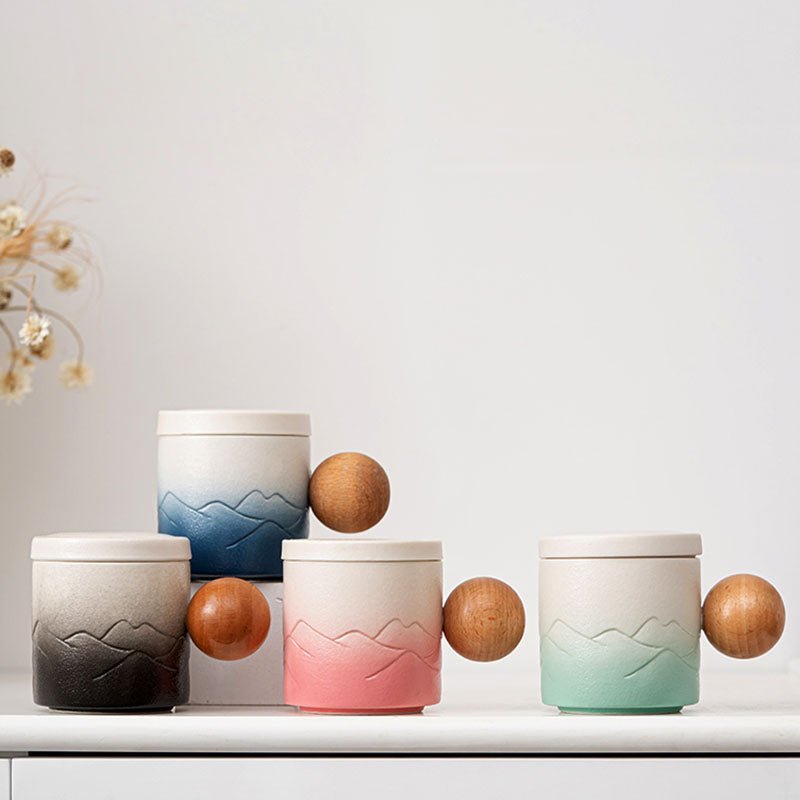
Wide Based Coffee Mugs Home Coffee Station Practical Purchase Checklist
A working checklist for buying wide based coffee mugs for a home coffee station: base and rim measurements, brewer clearance, listed capacity against your real brew yield, and the care details buye...
Read more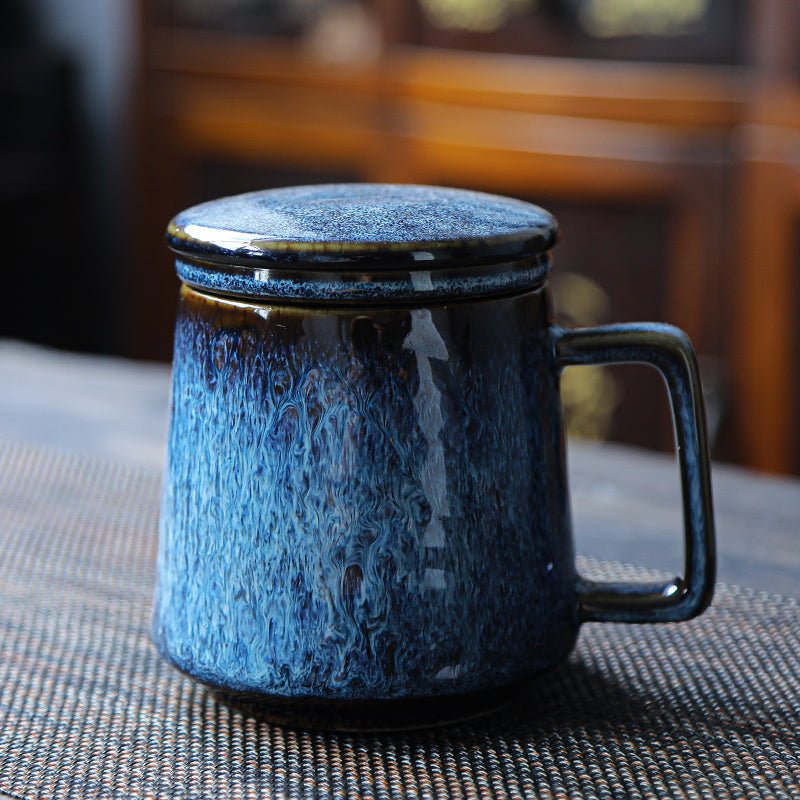
Large Round Coffee Mugs Home Coffee Station Practical Purchase Checklist
A practical large round coffee mugs home coffee station practical purchase checklist that starts with spout clearance, cabinet height, and real brew plus creamer volume. We map the listed 400 ml, 4...
Read more
Leave a comment
This site is protected by hCaptcha and the hCaptcha Privacy Policy and Terms of Service apply.