
Piccolo Cup Compact Kitchen Product Shortlist Guide: 170, 250, 270 ml
Reading time: about 10 minutes
A cup can look compact online and still become the item that catches a cabinet hinge, blocks the bowls behind it, or lives permanently beside the toaster because putting it away is awkward. This piccolo cup compact kitchen product shortlist guide starts with those everyday problems, then compares the three verified capacities in our shortlist: Retro at 170 ml, Ball Handle at 250 ml, and Emerald at 270 ml.
At CoffeifyMug, we handle this product category while checking and preparing orders, so we pay attention to the parts shoppers notice after unboxing: rim condition, handle access, base stability, finish, and the space needed to retrieve a cup without moving everything around it. We also keep capacity separate from exterior size. A 170 ml cup is not automatically shorter or narrower than a 250 ml mug, and none of these products is presented as a certified piccolo cup. We do not assign them a fixed milk-to-coffee ratio, barista-testing claim, or cafe provenance.
Which tight-kitchen problems should decide the shortlist?
Start with the route the cup takes each day. It moves from a cabinet or shelf to the coffee area, possibly to a desk, then into a sink or dishwasher before returning to storage. A practical choice needs to work across that entire route, not just look tidy in a product photograph.
- Counter competition: If the coffee machine, kettle, toaster, and drying rack already share one surface, the cup needs a reliable storage place after use. A decorative shape that always stays out can add more clutter than expected.
- Cabinet obstructions: Measure the usable interior rather than the cabinet exterior. Shelf lips, hinges, door hardware, and neighboring plates can remove room from an apparently open space.
- Retrieval clearance: Check whether your fingers can reach the handle or cup body without knocking another item. Handle projection can matter as much as body width in a crowded cabinet.
- Actual drink volume: A short coffee routine may make 170 ml sufficient. Milk additions, tea, or a slower drink may justify 250 ml or 270 ml, provided the cup's exterior also fits.
Capacity is the verified comparison point here, but it is only one part of physical fit. Before buying several cups, compare any exterior measurements shown on the individual product page with your usable cabinet space. If a measurement is not listed, do not infer it from capacity alone.
A piccolo cup compact kitchen product shortlist guide organized by daily pour
These recommendations begin with the drink you make most often, then add the cabinet or counter constraint that could change the decision. Each option has a clear reason to choose it and an equally clear reason to leave it off the shortlist.
Retro 170 ml: short pours with little unused capacity
Choose the Retro Coffee Tea Cup if your routine centers on espresso, another short coffee, or a modest serving of tea. At 170 ml, it has the lowest listed capacity of the three, making it the most logical starting point when you regularly leave part of a larger mug unused. It can also make sense when the cup needs to move from a crowded kitchen counter to a compact office desk.
Skip the Retro if you frequently add enough milk to bring a small cup close to the rim, dislike regular top-ups, or want one vessel for longer tea servings. Its 170 ml capacity does not prove that it has the smallest exterior footprint, so confirm the listed shape and dimensions before treating it as the automatic answer for the tightest shelf.
Ball Handle 250 ml: middle capacity with a distinctive grip
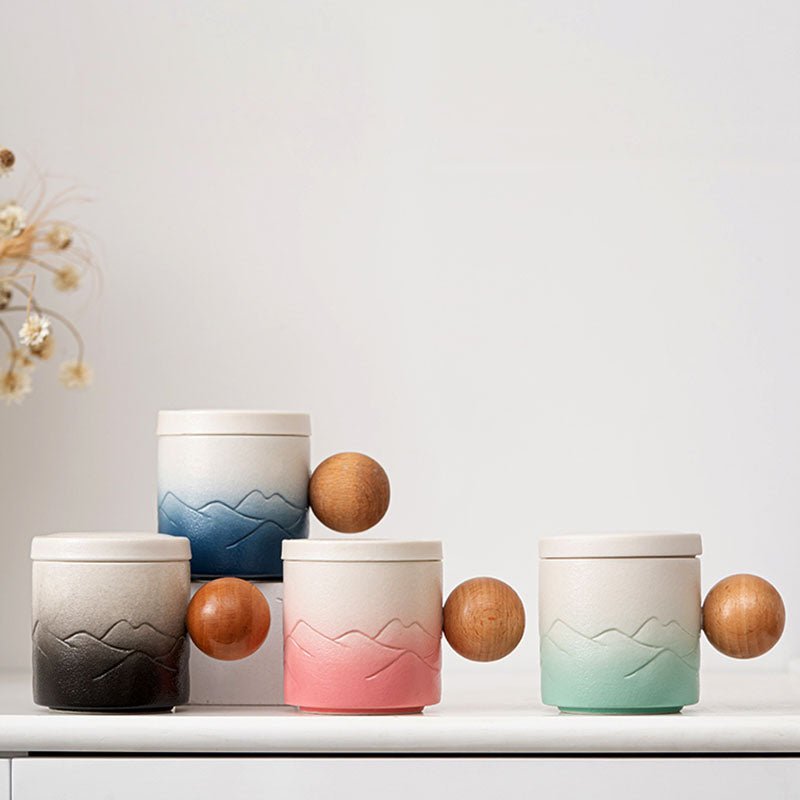
The Ball Handled Coffee Tea Mug is the middle option at 250 ml. Choose it if 170 ml sounds restrictive but 270 ml is more drink than you normally prepare. That middle capacity is useful for a household where the same cup may serve coffee in the morning and tea later without moving into a larger, unlisted mug size.
The ball-shaped handle is also a storage variable. Skip this option if your cabinet arrangement depends on handles sitting close to the cup body, or if a handle must pass beside a shelf support or door hinge. Inspect the product design and compare its widest point with the space you actually use. A visually interesting handle can be worthwhile, but only if it remains easy to reach and put away.
Emerald 270 ml: the largest listed pour in this shortlist
Choose the Emerald Coffee Tea Mug when you want the most drink room among these three options. Its 270 ml capacity can suit a longer coffee or tea routine and may reduce top-ups if you regularly use the available volume. It is a practical candidate for an open shelf or a kitchen where one favorite cup stays in daily rotation.
Skip the Emerald if your normal drink fits comfortably in 170 ml or 250 ml, or if minimizing every stored item is more important than extra beverage room. The 270 ml label still does not establish its outside height, body width, or handle projection. Verify those separately, especially if the cabinet door closes close to the front edge of the shelf.
If none of these capacities and shapes fits your routine, use the same checks while browsing our unique coffee mugs collection. Start with usable cabinet space and drink volume, then let color and styling break the tie.
170 ml, 250 ml, or 270 ml: where does the compromise land?
The most practical capacity is the one that holds your usual drink without creating unused bulk or forcing a brim-level pour. This table keeps the shortlist tied to buyer situations rather than presenting one cup as universally best.
| Option | Best-matched situation | Reason to choose | Reason to skip |
|---|---|---|---|
| Retro, 170 ml | Short coffee or modest tea serving | Lowest listed capacity and less unused drink room | Limited space for milk additions or a longer serving |
| Ball Handle, 250 ml | One cup used across coffee and tea routines | Middle capacity balances flexibility and restraint | The distinctive handle may complicate close cabinet storage |
| Emerald, 270 ml | Longer drink or fewer desired top-ups | Largest listed capacity in the group | More capacity than a strict short-pour routine needs |
We do not translate these capacities into a prescribed coffee-and-milk formula. Use a cup you already own to estimate the total volume you actually drink, including the headroom needed to carry it without spilling. That gives you a more dependable comparison than copying a ratio that may not match your coffee, milk, or preparation method.
How do handle projection, rim clearance, and base stability affect storage?
The capacity label tells you how much liquid a cup holds. It does not tell you how easily the cup can be placed beside a plate stack or lifted past a cabinet door. In our experience, the following physical checks catch more practical problems than capacity alone:
- Handle projection: Identify the cup's widest point, including its handle. This is particularly relevant to the Ball Handle design and any cabinet where cups sit beside hinges or shelf supports.
- Rim clearance: Leave enough room to lift the cup without scraping its rim against the shelf above. Forcing drinkware through a tight opening increases the chance of edge contact.
- Handle attachment: After unboxing, inspect the points where the handle meets the body. A visible hairline crack or damage at that junction is a reason to stop and contact the store before use.
- Base stability: Place the empty cup on a level counter and check for obvious rocking. A stable base matters on narrow counters where the cup may sit close to an appliance or sink edge.
- Stacking assumptions: Do not assume cups nest or stack securely unless the product information says they are designed to do so. Decorative handles and rim profiles can make an improvised stack unstable.
Check the drinking rim for chips or rough damage before washing the cup, especially after a gift unboxing or delivery. These are general drinkware inspection steps, not claims that a particular CoffeifyMug product has a recurring defect.
Which care routine is realistic beside a small sink or dishwasher?
Care requirements matter more in a compact kitchen because the sink, drying area, and dishwasher rack are often already crowded. Review the product-specific care information before assuming that a cup can go into a dishwasher or microwave. We do not make a blanket machine-safety claim for all three products based only on their names or capacities.
- Check the product page, packaging, and any marking on the cup for dishwasher and microwave guidance.
- If dishwasher use is permitted, avoid wedging the rim or handle tightly against heavier cookware that can strike it during a cycle.
- If hand washing is required, use a non-abrasive sponge and make sure that routine is realistic for how often you use the cup.
- Dry the base before returning the cup to an enclosed shelf, then check that it sits level and does not catch on the cabinet lip.
If putting every daily cup through the dishwasher is non-negotiable, skip any product whose care instructions do not explicitly support that routine. A different style with clearly stated care guidance will be a better purchase than a cup you resent washing by hand.
Who should skip all three compact-cup options?
This shortlist is intentionally narrow. All three options are poor matches if you need a drink larger than 270 ml, regularly prepare iced coffee that needs substantial room for ice, or want insulation and a leak-resistant travel lid. They are also unsuitable if your purchase depends on a matching saucer, guaranteed stackability, or a vessel sold to a specific certified piccolo standard.
Large milk-based drinks, long outdoor commutes, and shared household mugs may call for a different category. In those situations, compare other shapes in the coffee mug collection rather than forcing one of these three capacities into a routine it does not suit.
What should you test in the cabinet before checkout?
- Clear the intended shelf position and open and close the cabinet door. Note the shelf lip, hinges, supports, and any dishes that must remain accessible.
- Record the usable internal height, depth, and width. Compare those notes with any exterior dimensions provided on the product page, not just the listed capacity.
- Place a cup you already own in the same position and rehearse taking it out with neighboring items in place. This exposes awkward handle access and rim clearance.
- Compare your normal drink with 170 ml, 250 ml, and 270 ml. Choose the smallest listed capacity that still leaves practical carrying room.
- Before ordering multiples, confirm whether the chosen design is intended to stack. If that detail is unavailable, plan for side-by-side storage or begin with one cup.
Use this piccolo cup compact kitchen product shortlist guide as a capacity filter, then complete the decision with exterior measurements, care information, and a real retrieval test. That sequence prevents a visually compact cup from becoming permanent counter clutter.
Frequently asked questions
Is a 170 ml cup automatically the smallest cup on the shelf?
No. The Retro has the lowest listed capacity in this comparison, but liquid capacity does not establish exterior height, width, or handle projection. Check its current product details against your usable shelf measurements before treating it as the smallest physical option.
Does this piccolo cup compact kitchen product shortlist guide treat these as certified piccolo cups?
No. Retro 170 ml, Ball Handle 250 ml, and Emerald 270 ml are compared as compact-capacity options, not as certified piccolo cups. We also make no fixed coffee-to-milk ratio or cafe-use claim for them.
Should I choose 250 ml or 270 ml for a milk drink?
Choose 250 ml if your total drink, including milk and carrying room, fits without reaching the rim. Move to 270 ml if you regularly need the additional capacity and the Emerald's exterior fits your cabinet. There is no single milk ratio that makes one size correct for every preparation.
Can I assume these cups are dishwasher or microwave safe?
No. Confirm dishwasher and microwave guidance on the individual product page, packaging, or product marking before use. If machine washing is essential and the guidance is unclear, select a different cup with explicit care instructions.
What is the practical next step before ordering several cups for a compact cabinet?
Measure the usable cabinet interior, account for the shelf lip and hinges, and compare those notes with any listed exterior dimensions. Then choose among 170 ml, 250 ml, and 270 ml based on your real drink volume rather than the cup name alone. If the fit remains uncertain, start with one option or compare additional shapes in the CoffeifyMug unique coffee mugs collection before committing to a set.
More from our blog
Read more
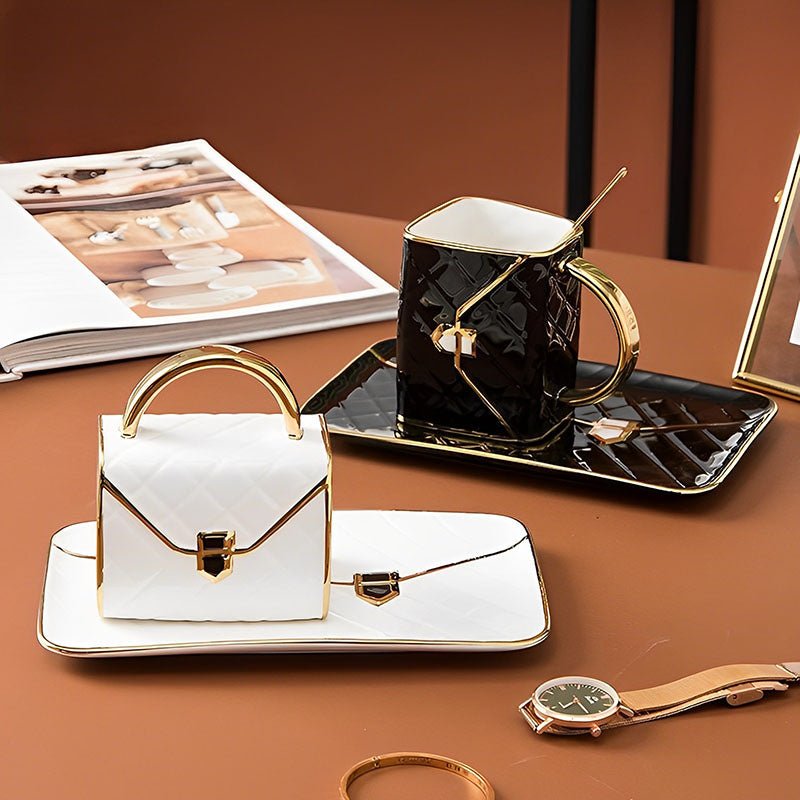
Ceramic Sculptural Mug Compact Kitchen Product Shortlist Guide: 3 Picks
Compare The Flow, Ball Handle, and Handbag mugs by verified capacity, three-dimensional form, storage demands, and the situations where each is worth choosing or skipping.
Read more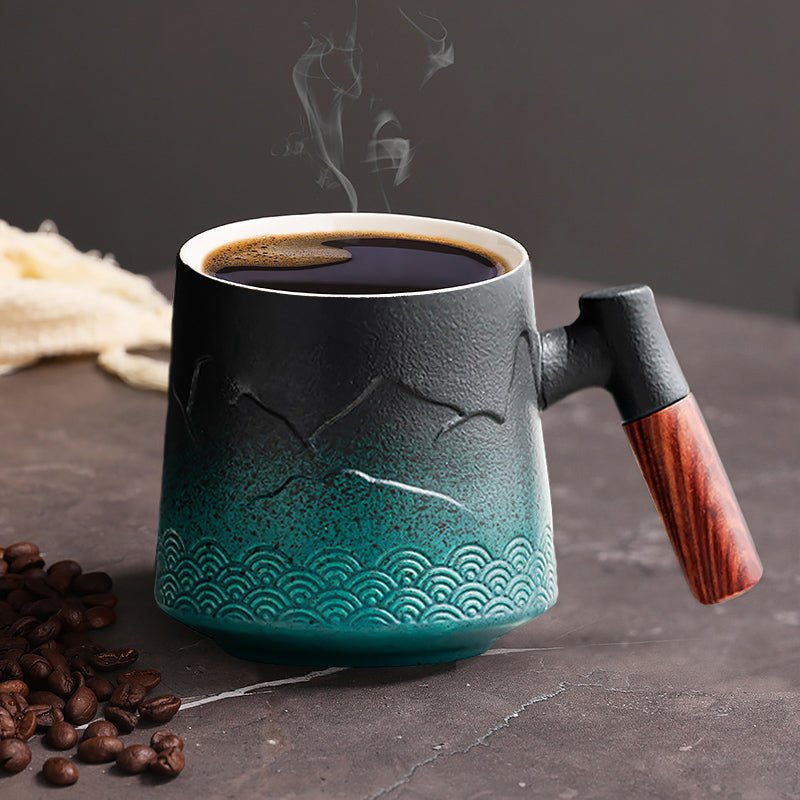
Ceramic Coffee Mugs With Large Handles: Compact Kitchen Shortlist Guide
Measure the full mug footprint, handle opening, lift-out path, and care routine before buying for a small kitchen. We compare three CoffeifyMug designs by the storage scenarios they suit and the re...
Read more
Leave a comment
This site is protected by hCaptcha and the hCaptcha Privacy Policy and Terms of Service apply.