
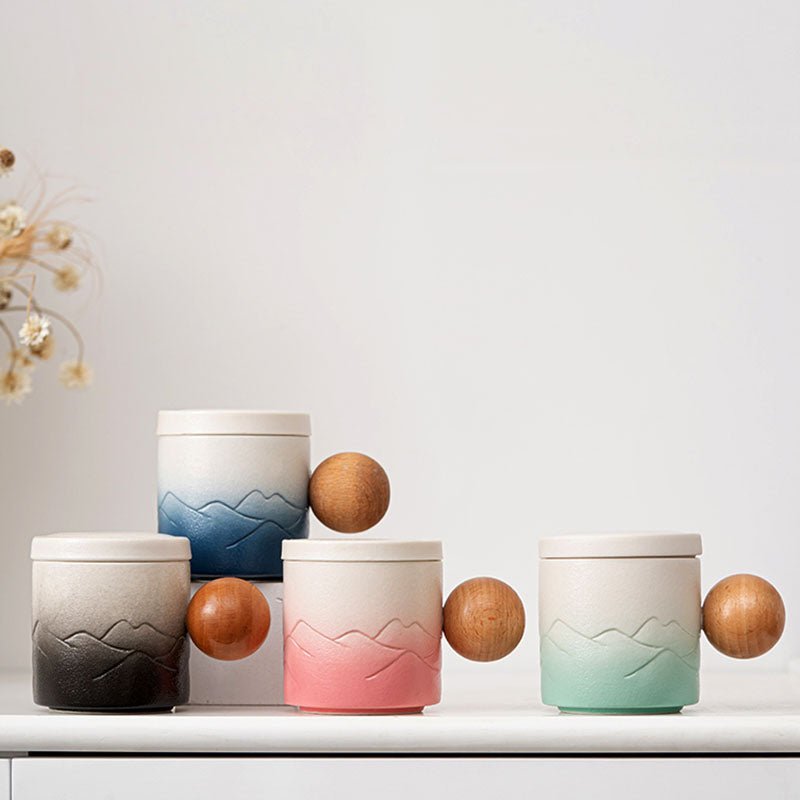
Flat White Cup Compact Kitchen Product Shortlist Guide: 200–270 ml
Reading time: about 9 minutes
A cupboard can hold a neat stack of plates and still reject a mug because its handle catches the frame. On a narrow counter, a cup can take the only clear patch between the coffee machine and sink. This flat white cup compact kitchen product shortlist guide compares three catalog-confirmed capacities—Pleated 200 ml, Ball Handle 250 ml, and Emerald 270 ml—without pretending milliliters reveal exterior fit.
When we help shoppers narrow cup choices in our store, the useful distinction is storage fit versus drink fit. Listed capacity helps with the second. Current product dimensions and your own cabinet measurements decide the first. The verified facts used for this comparison do not establish exterior width, height, depth, stackability, material, or care compatibility, so we treat those as checks rather than assumptions.
How much cabinet and counter space do you actually have?
Start with the place where the cup will live, not the style you like first. A cabinet may be roomy at the back but narrow at the opening because of hinges or a raised shelf edge. A counter slot may appear usable until the grinder lid, cabinet door, or coffee-machine controls need to open.
- Measure the cabinet opening: Record usable width, height, and depth at the tightest point. Do not rely on the larger space behind a narrow frame.
- Check the handle zone: Leave enough side room to place and remove a handled cup without tilting neighboring mugs. Test the motion with a cup you already own.
- Rehearse the counter routine: Put your current cup in the proposed spot, then use nearby doors and appliances. If you have to move it repeatedly, that position is not practical.
- Include washing and drying: If the cup must fit a dishwasher rack or compact drying rack, verify its actual exterior measurements and approved care method before ordering.
Do not assume that a 200 ml cup has a smaller exterior footprint than a 270 ml mug. Capacity describes internal volume, while shape and handle projection determine how an item occupies a shelf. A practical shortlist therefore has two gates: the drink must fit, and the vessel must fit.
Flat white cup compact kitchen product shortlist guide: three real scenarios
These three options cover a narrow 200–270 ml capacity range, but each solves a different serving problem. Use the table for a quick cut, then read the scenario matching your routine.
| Option | Listed capacity | Reader situation | Reason to choose | Reason to skip |
|---|---|---|---|---|
| Pleated | 200 ml | Your usual serving is the smallest of these scenarios | Lowest listed capacity and less unused internal volume if your drink fits | Your drink approaches 200 ml or you prefer more headroom |
| Ball Handle | 250 ml | Your serving varies and 200 ml feels restrictive | Middle option with 50 ml more capacity than Pleated | Side clearance is tight and overall handle width cannot be verified |
| Emerald | 270 ml | You want the greatest listed headroom | Largest capacity, 20 ml above Ball Handle and 70 ml above Pleated | The 250 ml option already provides enough room for your drink |
Scenario 1: Your usual drink fits comfortably in 200 ml
The Pleated Coffee Tea Cup is the capacity-first pick for a shopper trying to avoid unnecessary internal volume. At 200 ml, it is 50 ml below the Ball Handle option and 70 ml below Emerald. Choose it if you have measured your normal serving and still have the margin you prefer for carrying or stirring. Skip it if your drink sits close to 200 ml, or if the same cup must handle larger coffee or tea servings. Its lower capacity does not prove that it has the smallest exterior footprint, so check the live product details before assigning it a shelf.
Scenario 2: You need a middle capacity with a distinctive handle
The Ball Handled Coffee Tea Mug sits at 250 ml. It adds 50 ml over Pleated while giving up only 20 ml compared with Emerald, making it the most balanced capacity choice for a serving that varies from day to day. The named ball handle is also a visible part of the design. Choose it if that handle appeals to you and your cabinet has suitable side clearance. Skip it if mugs are packed shoulder to shoulder and you cannot verify the full width including the handle.
Scenario 3: Headroom matters more than minimizing capacity
The Emerald Coffee Tea Mug has the largest listed capacity at 270 ml. For the same measured pour, it offers the greatest potential unfilled volume on capacity alone. Choose it if the 200 or 250 ml options would place your usual drink closer to the rim than you prefer. Skip it if 250 ml already gives you enough room, since the extra 20 ml may not change your routine. As with the other choices, 270 ml does not automatically mean the largest exterior dimensions.
If all three capacities work but the handle, style, or storage arrangement does not, compare other shapes in our unique coffee mugs collection. Use current listing photos and any available exterior measurements rather than trying to infer cabinet fit from capacity.
Does 200, 250, or 270 ml provide useful serving headroom?
There is no reason to force your home drink into a fixed ratio for this decision. We are not treating any capacity as a barista requirement, and we are not claiming purpose-built flat-white geometry. The best cup for flat white use is the one that holds the amount you actually prepare while leaving your preferred margin above it.
- Establish your usual finished amount. Use a marked, food-safe measuring vessel if your recipe or machine does not provide a reliable volume. A cool-water rehearsal can help you compare capacities without wasting coffee.
- Choose your preferred margin. Some shoppers like a drink close to the rim; others want more room for carrying, stirring, or small variations between servings. There is no required amount of headroom.
- Compare only the confirmed capacities. Pleated is 200 ml, Ball Handle is 250 ml, and Emerald is 270 ml.
- Run the storage check separately. A capacity match is not a cabinet-fit guarantee. Confirm outside dimensions, handle clearance, and shelf access on the current listing.
The jump from 200 to 250 ml is more substantial than the 20 ml difference between 250 and 270 ml. If you are undecided between the two larger options, style and handle clearance may be more useful tie-breakers than capacity. For a comparison organized around brewing habits rather than storage, see our 200–270 ml flat white morning-routine shortlist.
Which handle, shelf, and care checks prevent a bad fit?
Compact kitchens expose details that a capacity label cannot answer. We recommend checking these points on the live product page before you buy, especially if the cup has only one possible cabinet location.
- Overall width including the handle: Cup-body width alone is not enough. For the Ball Handle design, inspect the complete side profile without assuming its handle projects farther than the other options.
- Height and depth at the cabinet opening: Measure around hinges, shelf lips, and door frames. The deepest part of a cabinet is irrelevant if the cup cannot pass through its opening comfortably.
- Stackability: None of the listed capacities confirms that these options nest or stack. Do not plan a multi-cup tower unless the current listing specifically supports that use.
- Material and care compatibility: Verify the stated material and follow the current dishwasher, microwave, and washing instructions. Appearance and capacity do not establish care safety.
We also recommend a simple arrival inspection before the first wash. Under good light, check the rim and interior for chips or hairline cracks, inspect around the handle attachment, and place the empty cup on a flat, dry counter to see whether the base rocks unexpectedly. Do not use a damaged vessel; contact the store first. Once it passes inspection, wash it according to the supplied care directions rather than assuming it can enter your normal dishwasher cycle.
When is a different cup style the better answer?
A 200–270 ml shortlist will not suit every compact-kitchen routine. A different format is more practical in several situations:
- You need confirmed stackability: Capacity does not establish whether multiple cups can be stored safely in a vertical stack.
- You make drinks over plenty of ice: Ice occupies internal volume, so these capacities may feel restrictive. A larger mug or tumbler is likely to be more useful.
- You need a commuting cup: These listings are not presented here as lidded, insulated, or leak-resistant travel vessels.
- You need exact clearance beneath a machine: Do not substitute capacity for exterior height. Buy only after the current dimensions have been checked against your equipment.
If your usual drink is longer than the servings considered here, our Americano coffee cup shortlist covering 200–350 ml gives you a wider capacity range. Moving to another style is better than forcing a compact flat white coffee cup into a job it was not selected to perform.
What belongs on your order-day shortlist?
Keep the final comparison short. Five checks are enough to remove options that look appealing but will frustrate you every morning.
- Write down the intended cabinet, shelf, or counter location and its usable measurements.
- Record your normal finished drink volume and decide how much unfilled room you prefer.
- Choose 200 ml for the lowest listed capacity, 250 ml for the middle option, or 270 ml for the greatest listed headroom.
- Open the matching product page and verify current exterior dimensions, material, handle profile, and care instructions.
- Skip the option if either the serving check or the storage check fails. Do not let color or styling overrule a practical mismatch.
Short version: Pleated suits the shopper seeking the lowest listed capacity, Ball Handle is the middle-capacity choice, and Emerald provides the most listed headroom. None should be treated as a guaranteed cabinet fit until its exterior details are checked.
Frequently asked questions
What size flat white coffee cup is best for a small kitchen?
There is no universal best size. Choose 200 ml if your usual drink fits with your preferred margin, 250 ml for a middle-capacity option, or 270 ml for the greatest listed headroom. Check exterior dimensions separately because capacity does not confirm shelf fit.
Does a 200 ml cup always take less shelf space than a 270 ml cup?
No. A lower capacity does not guarantee a narrower, shorter, or shallower exterior because vessel shape and handle projection also affect storage. Compare current product dimensions with the tightest part of your cabinet opening.
Which CoffeifyMug option gives the most listed headroom?
Emerald has the largest confirmed capacity at 270 ml. For the same measured serving, it provides more potential unfilled volume than the 250 ml Ball Handle or 200 ml Pleated options, based on capacity alone. Actual fit still depends on the cup’s internal shape and your pour.
Can I assume these cups are dishwasher- and microwave-safe?
No. The verified capacity facts in this comparison do not establish material or care compatibility. Read the current product listing and follow the instructions supplied with the cup before using a dishwasher or microwave.
What should I check immediately before I buy?
Use our flat white cup compact kitchen product shortlist guide as a two-part check: compare your usual serving with 200, 250, and 270 ml, then compare current exterior details with your measured storage space. If both checks pass, open the matching product linked above; if they do not, compare the unique coffee mugs collection rather than forcing a poor fit.
More from our blog
Read more
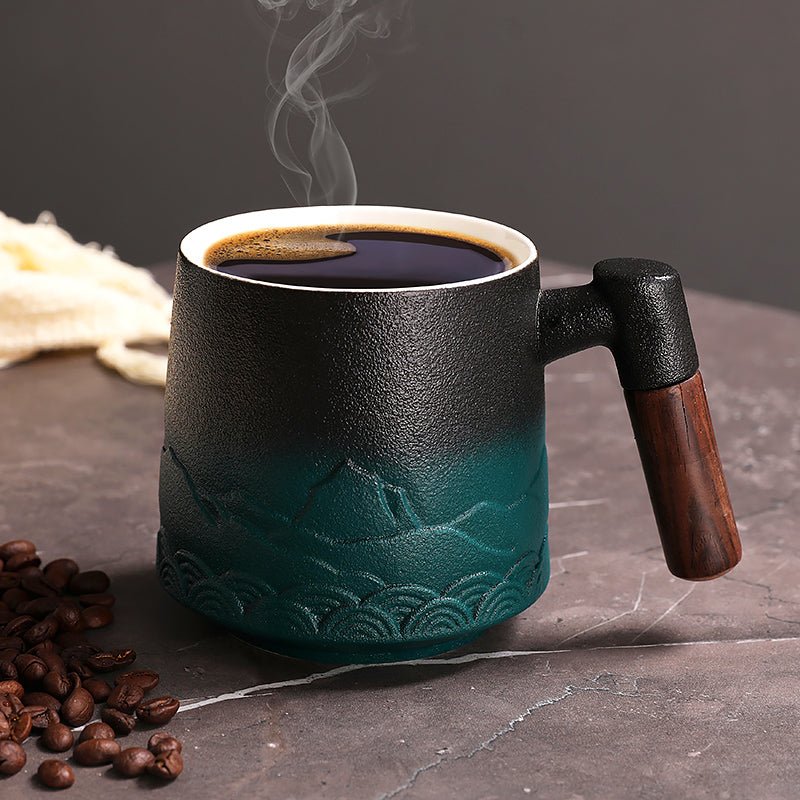
Coffee Mug Gift Idea Compact Kitchen Product Shortlist Guide: 3 Picks
A compact-kitchen mug gift has to fit the recipient's cabinet as well as their taste. Compare three CoffeifyMug designs by shelf clearance, body width, handle projection, care instructions, and dis...
Read more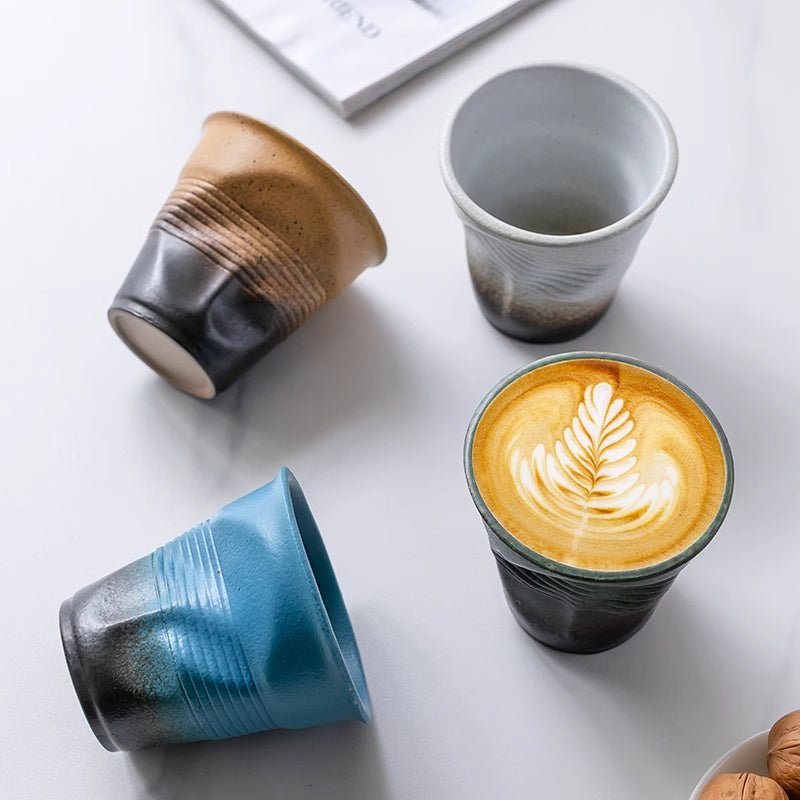
Ceramic espresso cup compact kitchen product shortlist guide: 170–250 ml
Compare three ceramic cups by their listed 170 ml, 200 ml, and 250 ml capacities, then test each against real cabinet, counter, and handle-clearance limits. See who should choose—or skip—the Retro,...
Read more
Leave a comment
This site is protected by hCaptcha and the hCaptcha Privacy Policy and Terms of Service apply.