

Gradient coffee mug for office desk: what to compare
Reading time: about 12 minutes
A gradient coffee mug for office desk duty gets judged in the first week, not in the product photo. Warm kitchen light makes the fade look deep. Fluorescent tubes and cool LEDs flatten it. The handle clips a monitor arm. Coffee goes lukewarm before the second call, or someone reheats a half cup and a metallic sheen sparks. In our store we see the same sequence: the color sells the click, then the buyer asks whether the mug can live beside a keyboard five days a week.
That question splits into three desks. One person stays put and wants a cup that looks like part of the setup. Another is buying a coworker gift and needs care instructions a shared kitchen will actually follow. A third walks between meetings and would be happier with a lid. An open cup cools on a long walk. That is a limit of the shape, not a failure of the color. If you sit at the desk, or you are buying the gift, start with the gradient coffee and tea mug and read the current listing for capacity, finish, and appliance notes before you commit. We do not treat a lifestyle photo as a spec sheet. If you want other shapes in the same aisle, the unique coffee mugs collection is the faster way to see what else fits a tight surface.
Who should keep a gradient coffee mug for office desk duty?
A colored cup earns its spot when you drink where you sit and you care how the mug looks between sips. It is a weak choice if the main job is keeping coffee hot through a commute or a string of conference rooms. Match the vessel to the habit, not to the fade in the photo.
- You stay at one desk and refill from a pot or a single-serve machine. Handle comfort, a stable base, and a finish you can wash matter more than insulation.
- You are gifting a coworker. A stated capacity and a care line they can follow beat a slogan that only photographs well.
- You carry the drink. A lidded insulated cup is the honest alternative, with the trade-off that metal does not go in a microwave.
A home office adds another squeeze: a monitor arm, a notebook, and a small plant already own the surface. Confirm on the listing that you are looking at a food-use cup, not a coated metal tumbler wearing a similar fade. Do not copy ounces or microwave wording from a lookalike with the same color story. Our notes on common ceramic cup mistakes cover the photo-only errors we see before buyers compare finishes.
Is the fade a fired glaze, a reactive glaze, or a surface print?
Most product photos hide this split. A gradient can be glaze fired in the kiln, a reactive glaze that breaks into uneven color, an exterior spray, or a printed fade sitting on the surface. Those become different objects once they meet an office dishwasher and a microwave.
A properly fired glaze is part of the ceramic. Color can still differ from the photo. Reactive glazes often vary from piece to piece. That variation is the process, not a packing mistake. A print or sublimation layer can look smoother and more photographic, including a fade a kiln will not repeat exactly. It can also scratch, lift, or lose color after repeated cycles in a shared kitchen. Sellers mention that wear. They rarely publish a shared test with the same detergent, cycle count, and light. Treat a dishwasher-safe line as something to confirm on the current page, not as proof a printed fade will look new at month six.
Metallic ink is a separate problem. The U.S. Consumer Product Safety Commission has recalled ceramic mugs because a metallic print or coating misbehaved around heat. About 26,400 Boost The Mood 10-ounce mugs were labeled microwave safe even though the metallic print could spark and pose a fire hazard. The firm reported one mug smoking while it was being microwaved. In another recall, about 440,500 ceramic mugs with a metallic coating, sold in 11-ounce and 16-ounce holiday gift sets, could overheat or break if microwaved or filled with extremely hot liquid. CPSC reported 12 incidents and 10 injuries, including nine severe burns or blisters and one cut.
If the gradient shows gold, silver, chrome, or a mirror-like band, do not microwave it. If the listing does not say whether the color is glaze or print, ask before you buy. Otherwise plan on hand washing, and skip the microwave, until the maker states otherwise for that exact colorway.
What capacity fits the pour you actually finish?
Regulatory language is a size anchor, not a style pick. FDA policy on lead in ceramic foodware treats cups and mugs as small hollowware commonly used for coffee or tea above room temperature. They normally, though not exclusively, hold about 240 milliliters, or 8 fluid ounces, and they are manufactured with a handle. That is a testing category. It is not the pour most people want at a desk.
In our experience, the useful comparison is three habits, and the ounce figure has to come from the listing, not from a cropped photo:
- A smaller cup, near that traditional 8-ounce range, suits a short espresso-based drink, a tighter caffeine limit, or a shelf where a tall mug tips a notebook.
- A mid-size mug is the everyday pour for many drip-coffee drinkers. It leaves room for a splash of milk and can still clear a monitor arm if the height stays modest.
- A larger cup looks generous and then owns the desk. More open surface cools more coffee, and a wide base can collide with a keyboard tray.
Do not guess volume from a lifestyle shot. Some pages measure to the rim. Others stop at a practical fill line. If capacity is missing, that is a gap, not a hint that the mug is a standard size. Read the number on the page you are buying. A gradient mug disappoints fast when the photo suggests a big pour and the box holds a small cup, or the reverse. Tea drinkers should use the same check: a mug that suits milky coffee can over-steep a short infusion if you fill it out of habit.
Will the foot, height, and handle clear a crowded desk?
Color does not keep a mug upright. Measure the empty zone on the desk, not the whole table. Pages often skip height, diameter, and base width even when desk use is the pitch. Missing numbers are a gap to close, not proof the cup is compact.
- Height against the shelf under a monitor. A tall fade looks dramatic and then will not slide home.
- Footprint. A wide base is steadier and eats mouse-pad space.
- Handle clearance. A thick handle can hit a laptop edge or a pen cup once the mug is full.
- Balance at half full. A heavy foot helps. A narrow foot under a wide bowl does not, especially at the edge of a standing desk.
Stacking matters in a shared kitchen. Matching mugs cut the whose-cup argument. A contoured gradient, or a handle that will not nest, stacks poorly. One cup on your own desk is kinder than a set that will not fit the cabinet. A splash lid limits spills and slows cooling only if the listing includes one that fits. Silence on the page means no lid in the box. Orange and red fades also shift more than blue-gray ones under cool LEDs, so gift color is a guide, not a promise under office lights.
Where microwave heat and a daily dishwasher mark the color
Microwave risk climbs when metal is on the mug: a gold rim, a metallic gradient, or a shiny decal. The recalls above are documented, not hypothetical. Sparking, smoking, overheating, and breaking have shown up on mislabeled or metal-coated ceramic. Very hot liquid plus a coating that holds heat can burn skin before a microwave is involved. Our store rule is plain. If the current listing does not say this exact colorway is microwave safe, do not microwave it. Reheat in a known-safe plain cup and pour it back.
Dishwasher damage is usually cosmetic first. Printed gradients and slogan art fade, scratch, or blister. Glaze can craze into fine lines after many hot cycles, and those lines trap coffee oils. A glossy interior wipes cleaner than a textured well. Hand washing is the safer path for a fade you cannot afford to dull: a non-abrasive sponge, no steel wool, and no long soak on a printed mug. Retire a chipped rim or interior. The surface is gone, and film collects there every week.
| Desk habit | Better fit | Main limit |
|---|---|---|
| Stay at the desk and reheat leftovers | Open cup with a stated non-metal, microwave-safe finish | Coffee cools; confirm that colorway |
| Shared kitchen, daily dishwasher | Fired glaze rather than a surface print | Reactive color may not match piece to piece |
| Walk between meetings | Lidded insulated cup | Metal is not microwave safe; gaskets can hold odor |
What orange, red, and yellow color asks you to verify
Pretty color is not a leach test. FDA action level for lead from ceramic cups and mugs is 0.5 micrograms per milliliter of leaching solution, and the guideline is exceeded if any one of six units is over that level. The action level for cadmium in ceramic small hollowware is also 0.5 micrograms per milliliter. Those are compliance limits. They are not a result for any one gradient mug, and you cannot see them in the glaze.
Some glazes use lead to help particles melt. FDA states that when pottery is fired at the proper temperature for the proper time, essentially all the lead is bound into the glaze. Incomplete firing can leave lead that contaminates food. Washing or boiling does not remove it. Give extra attention to ware that is handmade, antique, damaged, of uncertain origin, or brightly decorated in orange, red, or yellow, because lead has often been used with those pigments. Factory pottery made for everyday use is described as much less likely to have a lead problem. That still does not replace a seller who treats the cup as foodware.
Ornamental pieces are different. U.S. rules note that lead has been used in some glazes and decorative decals, and that holding food in ornamental ware may leach lead into the drink. Ware that looks usable should be treated as foodware unless it has the required Not for Food Use label or a hole through the food-contact surface. If a listing is vague, or the piece is clearly decorative, do not drink from it. Published leach results are rare on bright gradient mugs. We will not invent a lead-free badge the page does not state. Confirm that line on the current listing, or pick a plainly labeled everyday cup.
Open cup at the desk, or metal with a lid?
Search pages mix these, and people order the wrong one. An open gradient mug is for taste, color, and reheating only when the listing says that colorway is microwave safe and has no metal decoration. It rarely sweats on a desk. It also will not hold heat through a long meeting. Drink the first half while it is good, then refill.
An insulated stainless gradient mug, often with a lid, is the better tool when you leave the desk. Metal is not microwave safe. Many of those bottles are fussier to wash: gaskets hold odor, and printed exteriors scuff. Some drinkers notice a taste difference with steel, especially on tea. If you want the cup to taste like the one at home, stay with open foodware and accept the cooldown.
This style of desk mug is not for boiling pours onto metal trim, unsupervised microwave reheats, or all-day heat with no lid. It is a poor bag mug. The handle and open rim spill. If the day is mostly walking, buy the lidded cup and keep the gradient piece for the hours you are sitting.
Checks for your desk and for a coworker gift
Run this list before a colored cup goes in the cart.
- Stated capacity, to the rim or to a comfortable fill line.
- Glaze, reactive glaze, or print. If the page is silent, plan on hand washing.
- A microwave line for that exact colorway, and no metal if anyone reheats coffee.
- A dishwasher line, and whether you can live with fade on a print. Slogans usually lose color before a fired glaze.
- Height, diameter, and handle shape against the real gap on the desk.
- A stable base. Skip a narrow foot near the edge of a standing desk.
- Food-use intent: no Not for Food Use mark, and no hole through the wall.
- For a gift, packaging that survives shipping and care steps the recipient will follow.
If those answers match how you drink, open the gradient coffee and tea mug listing and verify them there. Still comparing a taller cup, a larger pour, or a plainer shape? Shortlist two pieces from the desk-friendly mug collection, not ten. Two is enough to see the trade-off between a fade you like and a cup you will still reach for on a Thursday.
Frequently asked questions
Is a gradient coffee mug for office desk use only for display?
No, when it is sold as foodware and the size and care match daily drinking. Display-only pieces are the ones marked not for food use, pierced with a hole, or so metallic you would not wash them with regular cups. A desk mug should take ordinary coffee, ordinary washing, and the occasional bump. Confirm those points on the current listing instead of judging from the color alone.
How can I tell if a gradient mug will be easy to clean?
Look for a smooth glazed interior, a rim without a deep groove, and care steps you will actually follow. Heavy texture and an unglazed foot ring collect coffee film. Printed exteriors that are not dishwasher safe need a soft sponge, not a scouring pad. If the rim or the inside chips, retire the cup.
What mug size works on a crowded office desk?
Start from the stated capacity, not the photo. A traditional cup near 8 fluid ounces is the size FDA uses as a common hollowware example, and many desk drinkers want more than that for a milky pour. A larger cup needs footprint you actually have, and more open surface cools faster. If the listing omits ounces, do not guess.
Will a printed gradient survive the office dishwasher?
Only if the maker says that finish is dishwasher safe, and even then a print usually fades sooner than a fired glaze. Metallic decoration belongs on the hand-wash shelf and out of the microwave. Shared office machines run hotter and harsher than a careful sink wash.
Is a stainless gradient mug better for coffee that leaves the desk?
It is the better tool when you need a lid and longer heat and you will not microwave the cup. It is the worse tool when you reheat in the same vessel or you prefer an open cup for taste. Metal is not microwave safe. Choose from the way you drink, not from the gradient alone.
More from our blog
Read more

Tall Coffee Mug vs Tea Mug Size Comparison Buyer Guide
A taller mug is not automatically a bigger drink. Convert the listing, leave headroom for milk or an infuser, and measure shelf and cup-holder gaps before you choose.
Read more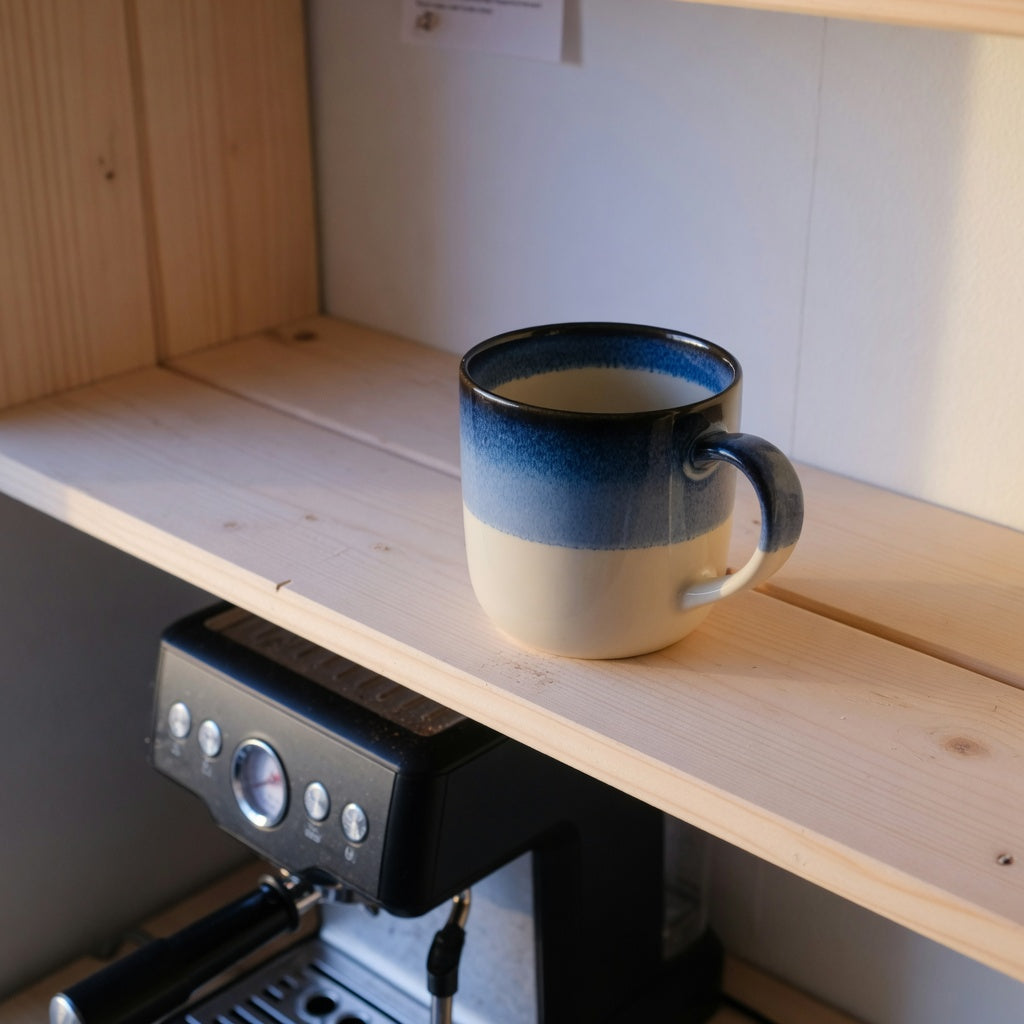
Gradient Coffee Tea Mug for Coffee Lovers Home Decor: Compare
A gradient mug has to hold up in a real kitchen and still look right on an open shelf. We compare glaze versus print, pour size, handle care, microwave limits, and food-contact checks before you bu...
Read more
Leave a comment
This site is protected by hCaptcha and the hCaptcha Privacy Policy and Terms of Service apply.