
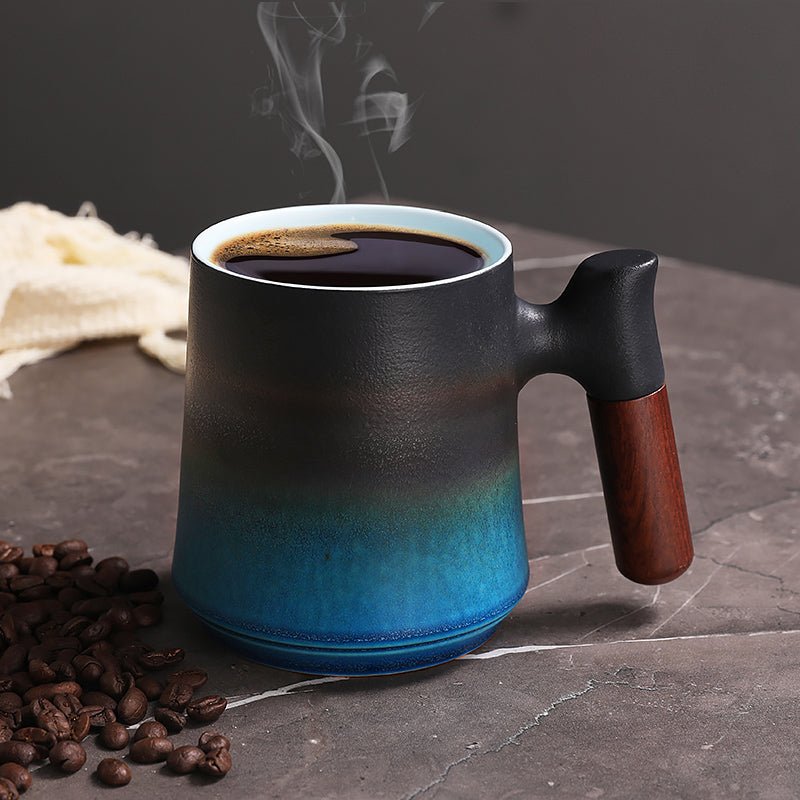
Common Ceramic Cup Mistakes to Avoid When Buying a Gradient Ceramic Mug
Reading time: about 9 minutes
A mug can look perfect in a product photo and still feel wrong the first time you set it on a desk, fill it with coffee, and realize the handle is tighter than expected. That is exactly where most ceramic cup mistakes happen: shoppers focus on color first and skip the practical details that matter every morning.
We see this a lot in our store. A buyer wants something unique for a kitchen shelf, an office desk, or a gift box, but the wrong size, shape, or care expectation turns a pretty mug into a regret. A gradient ceramic mug can be a great pick if you choose it for the right use case. It is less ideal if you need a rugged travel mug, a huge soup-style cup, or a piece that can survive rough handling without any caution.
If you want to compare a specific option while you read, start with The Gradient Coffee Tea Mug. If you are still browsing styles, our unique coffee mugs collection is the best place to compare shapes and finishes side by side.
What do shoppers get wrong first?
The biggest mistake is treating a ceramic mug like a purely decorative item. A gradient finish can be eye-catching, but the mug still has to sit comfortably in your hand, fit under a coffee machine, and clean up without effort. That is where design choices matter more than the photo.
In our experience, shoppers often skip the details that affect daily use:
- Capacity - A mug that looks large in photos may hold less than expected, or feel too small for a long latte or tea refill.
- Handle clearance - Tight handles can be awkward if you have larger hands or prefer a two-finger grip.
- Glaze finish - Glossy glazes show reflections beautifully, but they also make surface imperfections or color variation easier to notice.
- Base stability - A wider base is safer on crowded kitchen counters and office desks.
For shoppers comparing styles across categories, our post on ceramic cup mistakes to avoid before buying a large mug is useful if you want a bigger drinking capacity. The lesson is the same: size should match the drink, not just the photo.
How do you choose the right size and shape?
Size is the first practical decision, and it is also one of the easiest places to make a mistake. A gradient ceramic mug works well for coffee and tea, but only if the proportions fit your routine. If you prefer a quick espresso-style drink, a larger mug may feel excessive. If you make a full mug of drip coffee, a compact cup can leave you disappointed fast.
We usually tell shoppers to think about three real-world situations:
- Kitchen use - Make sure the mug fits under your coffee maker spout and has enough room for milk, foam, or tea leaves if you brew directly in the cup.
- Desk use - A balanced mug with a stable base matters more on a work desk than it does in a styled photo.
- Gift use - A mug that feels versatile is easier to give because the recipient can use it for coffee, tea, or even hot chocolate.
Another common mistake is buying a tall mug without checking whether the shape feels comfortable to sip from. If that is your main concern, it can help to compare with our guide on ceramic cup mistakes to avoid before buying a mountain tall mug. Tall profiles can be elegant, but they are not always the easiest choice for people who want a low, stable feel in the hand.
A gradient mug is usually best for buyers who want a balanced daily cup, not an oversized serving vessel. If your goal is a giant café-style latte bowl, choose a different mug style instead of forcing this one to do that job.
Why does ceramic quality matter more than color?
A gradient finish can distract from the things that matter most: the body of the mug, the feel of the rim, and how consistently it handles daily washing. Good ceramic should feel solid, not overly thin or fragile. The glaze should look even enough to be attractive, but not so thick that it feels sticky or overly glossy in the hand.
Three concrete details we tell shoppers to check before buying:
- Rim comfort - A smooth rim makes coffee and tea more pleasant to drink from, especially on repeat use.
- Handle joint - The handle should look cleanly attached, with no rough seam that catches the fingers.
- Glaze consistency - Slight variation can happen with ceramic, but obvious unevenness, pinholes, or rough patches are worth avoiding.
That is why ceramic cup mistakes are not just about style. They are about how the mug feels after the fifth wash, the tenth sip, and the first time it sits on a work table next to a laptop.
We look at a mug the same way a customer does after the unboxing: does it feel giftable, useful, and easy to live with, or does it become shelf decor after a week?
What care mistakes shorten a mug’s life?
People often assume ceramic is “easy” because it is common. That is partly true, but easy to clean does not mean care-free. A gradient ceramic mug should be washed with ordinary kitchen habits in mind. Harsh scrubbing, sudden temperature shifts, and careless stacking can all lead to chips or surface wear over time.
Practical care habits that help:
- Rinse after tea or coffee so stains do not set in.
- Use a soft sponge for regular cleaning instead of abrasive pads.
- Let the mug cool before moving it from hot liquid to a cold sink.
- Store it where the handle will not knock into heavier dishes.
Dishwasher cycles are convenient, but repeated high-heat washing can be harder on decorative finishes than a gentle hand wash. That does not mean you need to baby the mug. It means the buyer should know what kind of routine the mug is built for. If you want a specific style with a different silhouette, compare it with our ceramic cup mistakes to avoid for White Golden Waves Mug guide and see how design affects care expectations.
For gift buyers, this matters even more. A mug that looks beautiful at unboxing should still be simple enough for the recipient to use every day without special treatment.
Which gift-shopping mistakes are most common?
Gift shopping for mugs sounds easy until the buyer realizes the recipient’s taste is more specific than expected. A gradient ceramic mug can be a smart gift because it feels personal without being hard to match, but it still needs the right tone. Some people want subtle earth tones. Others want a stronger decorative piece that stands out on a shelf.
We see three gift mistakes often:
- Choosing only for looks - A mug can be attractive and still feel awkward for everyday use.
- Ignoring the recipient’s drink habits - Tea drinkers, black coffee drinkers, and milk-based drinkers often prefer different cup shapes.
- Forgetting presentation - A mug that arrives ready for gifting feels more complete, especially when you want an easy gift without extra packing work.
That last point matters for shoppers who want something thoughtful but not overcomplicated. In our store, gift wrapping is a practical plus for buyers who are sending a present directly or want less work before handing it over.
If your recipient likes unusual shapes more than clean gradients, our blog on ceramic cup mistakes to avoid when buying fancy handbag coffee mugs may help you compare decorative styles before you decide.
When should you skip a gradient mug?
A gradient ceramic mug is not the best choice for every buyer. That trade-off is worth saying plainly. If you need a cup for rough office handling, fast packing in a backpack, or very large servings, a different product type may suit you better. Ceramic also is not the right answer if you want something nearly indestructible for outdoor use.
Skip this style if you need:
- Travel-ready durability - Ceramic is not the best pick for commuting or car cup holders.
- Oversized soup capacity - Some drinkers need a much larger vessel than a standard mug.
- Ultra-light weight - Ceramic has a more substantial feel, which some buyers love and others do not.
- Matching sets for heavy daily rotation - If every person in the home needs the same mug, consistency may matter more than a single standout finish.
That honesty is part of avoiding ceramic cup mistakes. A mug should fit a routine, not fight it.
How can you compare options before you buy?
Before checking out, we recommend a short comparison routine. It takes a minute and saves a lot of disappointment later.
| What to check | Why it matters | Best for |
|---|---|---|
| Capacity | It changes whether the mug suits coffee, tea, or larger milk drinks | Daily use |
| Handle feel | Comfort matters more after repeated use than on first glance | Office desks and home kitchens |
| Glaze and finish | It affects appearance, cleaning, and the overall gift feel | Gift buyers |
| Base stability | It helps prevent spills on crowded counters | Busy kitchens |
If you like browsing by style rather than by one mug, the unique coffee mugs collection is the best place to compare finishing details, shapes, and gift-friendly options in one place.
For buyers who like to research before they buy, that is usually the smartest route: compare first, then choose the mug that fits your actual routine.
Frequently asked questions
Is a gradient ceramic mug good for everyday coffee?
Yes, if you want a mug that feels comfortable in the hand and looks good on a kitchen counter or office desk. It works best for coffee and tea drinkers who value presentation and easy cleanup. It is not the best choice if you need a travel mug or something for rough outdoor use.
How do I know if a ceramic mug is easy to clean?
Look for a smooth glaze, a simple interior shape, and a finish that does not trap residue in corners. A mug with a clean rim and a stable handle is usually simpler to wash and dry. For everyday use, that matters more than a decorative pattern.
Is this type of mug a good gift?
Yes, especially for coffee lovers and home decor fans who appreciate something useful and attractive. The gift works best when the mug feels versatile enough for coffee, tea, or hot chocolate. Gift wrapping also makes the buying process easier when you want the present ready to hand over.
What should I avoid when buying a ceramic mug online?
Avoid choosing only by color or photo. Check the size, handle comfort, glaze quality, and whether the mug matches the way you actually drink. Those are the ceramic cup mistakes that usually lead to disappointment.
Should I choose a large mug instead of a standard gradient mug?
Only if you regularly drink bigger servings or want a mug that doubles as a small bowl. A standard gradient mug is usually better for balanced daily use and easier storage. If you want to compare larger options, it helps to read size-specific guides before buying.
If you are still deciding, use this quick checklist: compare capacity, handle feel, glaze finish, and care expectations, then choose the style that fits your kitchen or gifting plan. If the mug needs to feel special without being fussy, start with The Gradient Coffee Tea Mug or browse more styles in our unique coffee mugs collection.
Read more
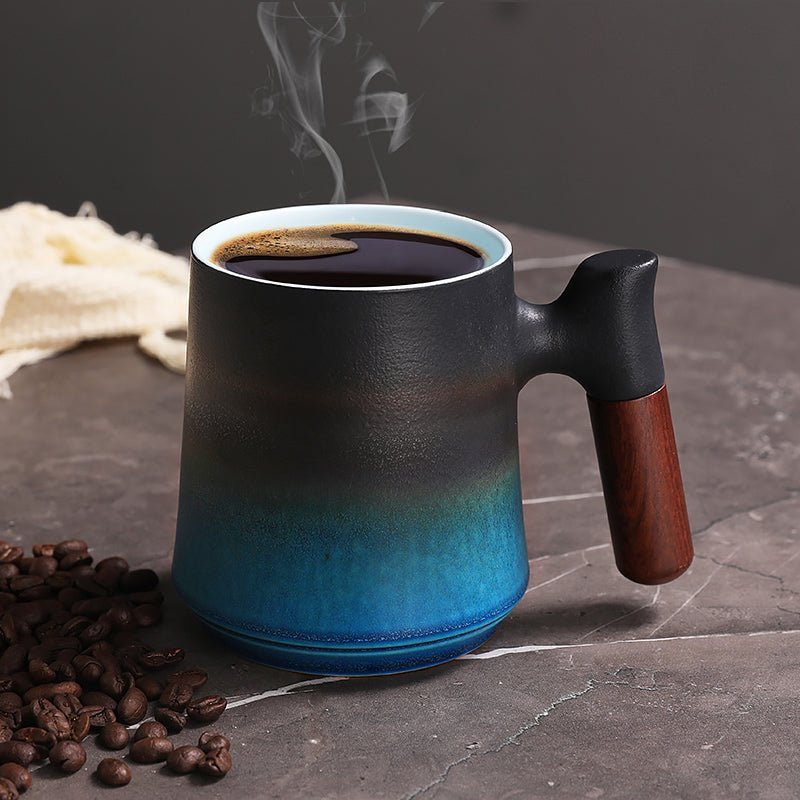
Gradient Ceramic Coffee Mug Care Tips for Longer-Lasting Use
Practical care tips for keeping a Gradient Ceramic Coffee Mug looking clean, bright, and gift-ready for longer. Includes washing advice, storage habits, and what to avoid so the finish holds up.
Read more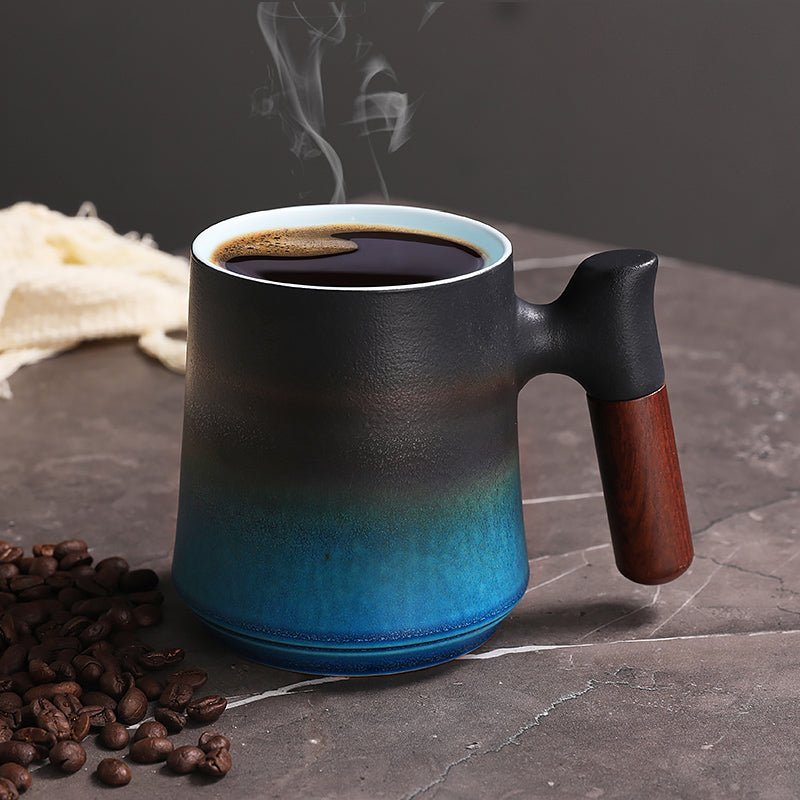
What to Compare Before Choosing a Gradient Ceramic Coffee Mug
A practical comparison guide for shoppers choosing a gradient ceramic mug for daily coffee, tea, or gifting. We cover finish, size, comfort, care, and the trade-offs that matter before you buy.
Read more
Leave a comment
This site is protected by hCaptcha and the hCaptcha Privacy Policy and Terms of Service apply.