
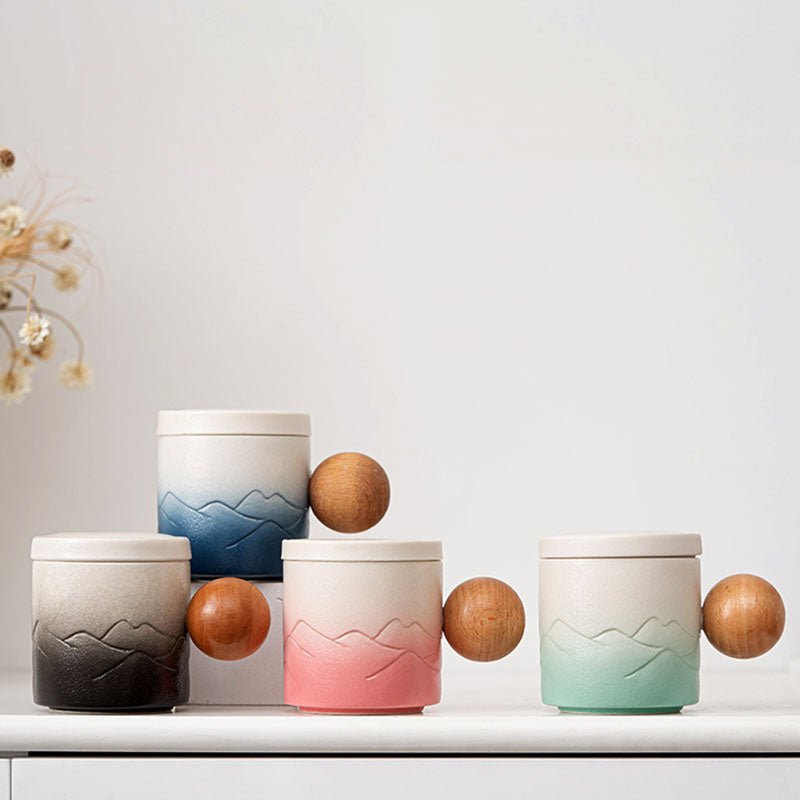
Flat White Cup Weekend Coffee Product Shortlist Guide: 3 Sizes Compared
Reading time: about 10 minutes
A Saturday flat white often exposes a sizing mismatch that a rushed weekday pour hides: the drink sits low in a large mug, or the milk reaches the rim of a compact cup before you have the margin you wanted. This flat white cup weekend coffee product shortlist guide compares three verified options—200 ml, 250 ml, and 270 ml—around the way coffee actually moves from the machine to a breakfast table, couch, or patio.
At CoffeifyMug, we handle and sell this compact cup category. The conversations we have in our store get clearer once we start with the finished serving rather than a claimed correct café ratio. We compare labeled capacity, preferred headroom, grip, storage, and cleanup. We do not rank these cups by unverified material, exact dimensions, dishwasher or microwave suitability, heat performance, purpose-built geometry, or café testing; confirm any must-have specification on the live product page.
Flat white cup weekend coffee product shortlist guide: 200, 250, or 270 ml?
Begin with your normal finished serving. After making a typical weekend drink, rinse your current cup, refill it with water to the same level, and pour that water into a kitchen measuring jug. This captures your actual habit without prescribing how much espresso or milk belongs in the cup.
- Clearly below 200 ml: Start with 200 ml if you rarely top up and still have the margin you prefer below the rim.
- Near 200 ml or variable by day: A 250 ml option gives more labeled room for changes in milk or foam.
- Often above 250 ml: The 270 ml option is the largest here. Leave this shortlist if your usual finished serving exceeds it.
Listed capacity is not the same as your comfortable carrying line. A measured 180 ml serving is only 20 ml below a 200 ml label, for example, so 250 ml may be more practical if you want visible headroom for stirring or walking to the table. That margin is personal, not a flat white standard.
| Option | Verified capacity | Choose for | Reason to skip |
|---|---|---|---|
| Pleated Coffee Tea Cup | 200 ml | A compact serving that stays comfortably below 200 ml | You regularly top up or finish close to the rim |
| Ball Handle Coffee Tea Mug | 250 ml | A middle-size serving and interest in the distinctive handle | You dislike a ball-style grip or need more than 250 ml |
| Emerald Coffee Tea Mug | 270 ml | The most capacity in this shortlist and room for a planned top-up | Your serving is small or you need a large iced or travel format |
If all three feel too compact, or if a different style matters more than this capacity range, browse our unique coffee mugs collection rather than forcing a choice from this shortlist.
Does the Pleated 200 ml cup suit a short Saturday pour?
The Pleated 200 ml Coffee Tea Cup is the smallest verified option. It is 50 ml below the Ball Handle mug and 70 ml below the Emerald mug, so it makes sense for a finished drink that consistently stays under 200 ml. Its advantage is proportional: a modest serving can occupy more of the available capacity without claiming that 200 ml is a required café size.
Choose it if you make one compact drink, do not add a later splash of milk, and dislike seeing a small serving in a larger mug. It is also a sensible first page to open if you have measured your normal fill and know you do not need the extra capacity.
Skip it if guest orders vary, you stir near the rim, or you commonly top up. Do not assume the lowest capacity automatically means the smallest external footprint or easiest stacking; exact width, height, and shape control cupboard fit, so verify live dimensions if storage is your deciding constraint.
Is the Ball Handle 250 ml mug the practical middle ground?
The Ball Handle 250 ml Coffee Tea Mug adds 50 ml over the Pleated cup and sits only 20 ml below the Emerald mug. That makes it a useful bridge for a weekend serving that approaches 200 ml but still needs a little personal headroom. It is the logical capacity to examine first if your pour varies slightly between a quiet morning and a shared brunch.
The ball handle should be treated as a real selection variable, not an automatic ergonomic upgrade. Some shoppers enjoy a distinctive rounded grip; others prefer the familiar finger position of a conventional loop. If you carry coffee from the kitchen to the patio, study the product images and picture how your hand meets the handle before choosing.
Choose it if 200 ml feels restrictive, 270 ml seems unnecessary, and you genuinely like the handle design. Skip it if the grip does not suit you or if rack space is tight. If dishwasher use is confirmed on the live page, consider how the ball handle would sit between rack posts rather than assuming every mug loads the same way.
When does the Emerald 270 ml mug make sense for brunch?
The Emerald 270 ml Coffee Tea Mug provides the most labeled capacity in this group. It fits a brunch routine that includes a slightly larger initial serving or a planned small top-up. The difference from 200 ml is substantial enough to affect the shortlist, but the difference from 250 ml is only 20 ml.
Choose it if your measured drink regularly passes 250 ml, if serving amounts change from one weekend to the next, or if you simply want the most headroom among these three choices. The extra nominal room is the factual advantage; we are not using it to make a temperature or café-performance claim.
Skip it if your normal fill stays comfortably below 200 ml or you prefer a compact cup that appears fuller after a modest pour. Capacity alone also does not turn it into a lidded travel mug, an insulated vessel, or a large iced-coffee glass. A different category will be a better fit for those jobs.
How do grip, counter space, and cleanup break a capacity tie?
In our experience, capacity narrows the field, but the route from cupboard to coffee machine, table, and sink settles close decisions. This is especially useful for the 250 ml and 270 ml options because only 20 ml separates their labeled capacities.
- Cupboard: Check listed height, width, and handle projection if those measurements are available. Capacity alone does not reveal external footprint or stackability.
- Coffee station: Measure the clearance beneath your machine if cup height matters. Do not assume a capacity label tells you whether a cup fits below a particular spout.
- Carry route: Picture lifting the cup from a crowded counter and walking it to the couch or patio. The Ball Handle design deserves closer attention here.
- Breakfast table: Consider how many cups, plates, and serving dishes share the surface. A smaller volume does not guarantee a narrower base.
- Sink or dishwasher: Confirm care compatibility first. If dishwasher use is approved, avoid wedging a handle against rack posts or neighboring pieces.
Photographs can suggest a finish, but they do not prove material, weight, measurements, or care suitability. Use this flat white cup weekend coffee product shortlist guide as a first filter, then let the written product specifications settle any requirement that could make or break the purchase.
What should you check at unboxing and before the first wash?
A gift unboxing is a poor time to discover that a cup was not inspected after delivery. Before the first wash, use the same quick checks we recommend across drinkware. They do not imply that a product has a defect; they help identify possible transit damage before the cup enters a regular weekend rotation.
- Keep the packing materials while you inspect the cup under bright, even light.
- Look around the rim for a chip or rough spot. Do not slide a finger across an area that appears sharp.
- Set the empty cup on a dry, level counter and check for unexpected rocking at the base.
- Look over the body for a hairline crack. On any handled piece, check the handle junction for visible separation or movement without forcefully stress-testing it.
- Read the current care directions before using a microwave or dishwasher. A first dishwasher cycle is not a compatibility test; use that method only if the product information confirms it.
For a gift, retain the packaging until the rim, base, body, and handle have been checked. Then follow the least aggressive cleaning method allowed by the stated care instructions.
Who should skip all three compact flat white coffee cup options?
- Your normal finished drink exceeds 270 ml.
- You mainly prepare large iced coffee and need substantial space for ice as well as liquid.
- You need a lid, spill resistance, insulation, or bag-ready travel features.
- Material, exact dimensions, microwave use, or dishwasher use is non-negotiable and the live listing does not confirm it.
- You are specifically shopping for a matched saucer, prescribed café geometry, or documented café testing.
These three cups are compared here by verified capacity and realistic home-serving scenarios. They are not presented as barista-mandated shapes or tested café serviceware. If your needs fall outside those boundaries, return to the full unique coffee mug selection and choose a format that states the features you require.
A one-minute weekend shortlist before checkout
- Measured serving clearly below 200 ml with no top-up: Open the Pleated 200 ml cup.
- Serving near 200 ml and you like the distinctive grip: Compare the Ball Handle 250 ml mug.
- Serving often passes 250 ml or brunch includes a top-up: Review the Emerald 270 ml mug.
- Serving exceeds 270 ml or needs ice, a lid, or insulation: Skip this compact group and browse the broader mug collection.
One primary weekend cup usually makes more sense than buying every capacity just in case. Add a second size only when your actual guest or drink routine creates a separate use for it.
Frequently asked questions
What size is the best cup for flat white coffee at home on weekends?
There is no universal required size. Start with 200 ml for a measured compact serving, 250 ml when your fill approaches 200 ml or varies, and 270 ml when you regularly need the most capacity in this shortlist. Your preferred space below the rim matters as much as the drink volume.
How do I make a weekend flat white cup shortlist without buying too many sizes?
A flat white cup weekend coffee product shortlist guide should help you match one measured serving to capacity, headroom, grip, and care requirements. Choose one primary option, then add another only if guests or a separate drink routine genuinely need a different volume.
Is 250 ml or 270 ml better for a flat white coffee cup?
The difference is 20 ml, so capacity alone may not settle the decision. Choose 250 ml if it already clears your measured serving and you prefer the Ball Handle design. Choose 270 ml if your drink passes 250 ml or you want the most labeled headroom in this group.
Can the Pleated, Ball Handle, and Emerald cups go in a dishwasher?
The verified facts used for this shortlist do not establish dishwasher suitability. Check the current product page and any care label before washing. If compatibility is not stated, do not use a dishwasher cycle to test it.
Where should I start if I am still split between two cups?
Measure your normal fill, then compare it with 200 ml, 250 ml, and 270 ml. If the finalists are 250 ml and 270 ml, decide whether the Ball Handle grip or Emerald style matters more than the 20 ml capacity gap. Open the matching product page, verify the live material, dimensions, and care details, and select only the option that clears those checks.
More from our blog
Read more
Apple Cider Mug Compact Kitchen Practical Purchase Checklist: Fit First
Compare the verified 400 ml capacities of The Gradient and The Flow with The Rock's 480 ml capacity, then check handle clearance, cabinet fit, washing space, and ceramic care. We flag every dimensi...
Read more
Cappuccino Coffee Mug Weekend Coffee Product Shortlist Guide: 3 Sizes
Compare the verified 170 ml, 200 ml, and 270 ml capacities by real weekend routines. Each option includes a reason to choose it, a reason to skip it, and facts to verify before first use.
Read more
Leave a comment
This site is protected by hCaptcha and the hCaptcha Privacy Policy and Terms of Service apply.