
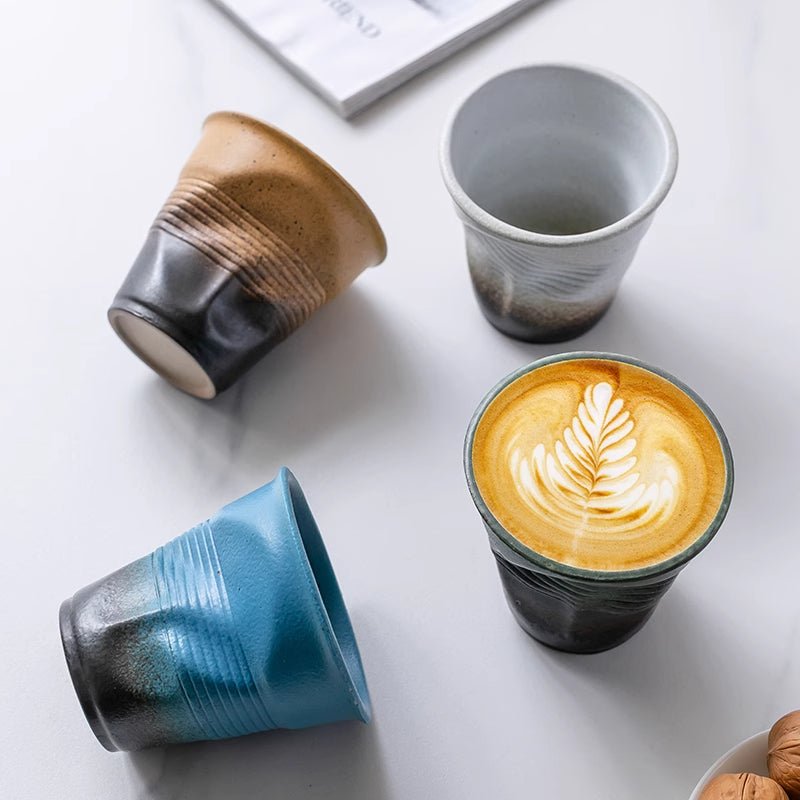
3 picks: breakfast coffee cup morning routine product shortlist guide
Reading time: about 8 minutes
At 7:20 a.m., a cup mismatch shows up fast: the small cup is empty before breakfast is finished, or the oversized mug takes over the place setting and reaches the sink half-full. This breakfast coffee cup morning routine product shortlist guide narrows the decision to three facts you can verify at home: how long you sit, how much liquid you normally pour after adding milk or water, and whether a refill feels welcome or irritating.
In our store, we see better buying decisions when shoppers start with the routine rather than the decoration. We are comparing three verified listed capacities—170 ml, 200 ml, and 350 ml. We do not treat capacity as proof of exact width, material, heat retention, dishwasher safety, or included accessories, so confirm the current specifications on each product page before checkout.
Your breakfast coffee cup morning routine product shortlist guide: what does the clock allow?
Watch one ordinary breakfast before opening product tabs. Someone who leaves the table within ten minutes has a different need from a slow sipper who carries the same cup to a home-office desk. A quick check with your current cup gives you better information than guessing from a product photo.
- Measure your normal fill line. With your current cup empty, use a measuring jug to add cool water up to the level you usually reach after coffee, water, milk, or foam is added. Record the total volume.
- Time the cup, not just the brew. Note your first sip, when you leave the table, and how much remains. A larger serving is not helpful if it is regularly abandoned.
- Name your refill tolerance. Decide between no refill, one fresh refill, or refilling whenever you want more. This answer often separates the 170 ml and 350 ml options immediately.
Do not match your measured drink to the listed capacity exactly. You need headroom to lift and carry the cup without filling it to the rim. If your usual drink comes close to a capacity number, move to the next size rather than counting on every listed millilitre as comfortable serving space.
170 ml, 200 ml, or 350 ml: which cup makes the shortlist?
These three scenarios connect morning timing, drink volume, table footprint, and refill preference to a specific next step.
| Option | Reader situation | Why it fits | Reason to skip or verify |
|---|---|---|---|
| Retro Coffee Tea Cup — 170 ml | You drink a deliberately small coffee during a short breakfast and will refill if you want more. | It has the smallest listed liquid capacity of the three, making it the clearest starting point for a compact serving. | Skip it if your finished drink approaches 170 ml or you dislike refilling. Capacity alone does not prove it has the narrowest base, so verify its maximum width, including the handle. |
| Pleated Coffee Tea Cup — 200 ml | You want a moderate cup for a seated breakfast without jumping to the largest option. | Its listed capacity is 30 ml greater than the Retro and 150 ml less than the Landscape Tall, giving it a practical middle position. | Skip it if your drink is already close to 200 ml after milk is added. Inspect the pleated exterior and listed measurements if quick wiping, drying, or tight table space matters. |
| Landscape Tall Coffee Tea Mug — 350 ml | You prefer one larger pour and may carry it from the breakfast table to a home-office desk. | It has the largest listed capacity: 180 ml more than the Retro and 150 ml more than the Pleated cup. | Skip it for a very small drink, a low cabinet shelf, limited brewer clearance, or a slow routine that leaves coffee unfinished. The word Tall is a reason to check height, not proof of a narrow base. |
If none of those scenarios fits, use the unique coffee mugs collection as a reset rather than automatically choosing the biggest cup. Review each listing for current dimensions, material, care guidance, and package contents. Do not assume that saucers, plates, food, coffee, or other lifestyle props are included unless the product page says so.
How much should refill tolerance matter before 8 a.m.?
Refilling is not automatically inconvenient. Some shoppers prefer a smaller, fresher second pour; others do not want another trip to the kitchen once they sit down. Use this simple split:
- A refill feels like a welcome reset: start with the Retro 170 ml, provided your normal drink leaves carrying headroom.
- One moderate cup usually lasts: put the Pleated 200 ml option first and measure the milk or water you add.
- A second trip breaks the routine: compare the Landscape Tall 350 ml first, then check its physical size and filled handling.
Capacity also changes carrying weight. For scale, 350 ml of a water-based drink weighs roughly 350 g before the cup itself, while 170 ml weighs roughly 170 g. Actual weight depends on the fill level and drink, and the cup's empty weight cannot be inferred from capacity. If grip comfort matters, a bigger number is not always the better choice.
Which cup fits beside a plate, phone, or laptop?
Capacity and footprint are separate measurements. A wide 200 ml cup can occupy more horizontal room than a taller 350 ml mug, so we would not rank these three by table footprint without verified dimensions. Measure the space you actually use at breakfast and compare these points on the current listing:
- Base diameter and foot ring: these determine where the cup sits and whether it competes with a plate or placemat edge.
- Maximum width, including the handle: allow enough room for your fingers and knuckles to lift the cup without bumping a phone, plate, or laptop.
- Overall height: check the coffee-machine spout, cabinet shelf, and dishwasher rack only if the listing confirms dishwasher use.
The Landscape Tall deserves the closest vertical-clearance check. The Pleated cup deserves a close look at the depth of its exterior detailing if rapid hand-drying matters. The Retro still needs handle and base measurements; a smaller capacity does not guarantee the smallest footprint. We would rather flag an unknown measurement than invent one from a styled photo.
If your drink style determines the volume, compare this shortlist with our cappuccino coffee mug morning-routine shortlist or the more specific flat white cup guide for 200–270 ml. Those comparisons can help separate a drink-size requirement from a general preference for a larger breakfast cup.
Before the first full breakfast, what should you inspect?
When our team handles cups, the first checks are not decorative. The rim, handle attachment, base, and care instructions affect daily use more than a good-looking kitchen photo.
- Match the contents to the listing. Unpack on a stable counter and confirm what was actually specified. Styled food, drinks, and tableware should not be treated as part of the purchase.
- Use bright side light. Inspect the rim and surface for chips, hairline cracks, rough contact points, or irregularities around the handle join. Do not use a visibly damaged cup for a hot drink.
- Run a flat-counter check. Place the empty cup on a clean, dry, level surface. Wipe the foot ring and retest if it rocks; persistent instability should be raised with customer support.
- Follow the stated care method. If dishwasher or microwave compatibility is not explicit, do not assume it. Hand-wash gently with a non-abrasive sponge and avoid abrupt cold-to-hot temperature changes unless the product instructions support them.
- Rehearse with cool water. Fill to your normal line, carry the cup from the kitchen counter to the table, and lift it several times. Check handle grip, knuckle clearance, balance, and spill headroom before adding a hot drink.
This short check does not claim to reproduce long-term performance, but it catches the most immediate size, stability, and handling problems before they become part of your morning routine.
Frequently asked questions
Is a 170 ml cup too small for breakfast coffee?
Not if your complete drink sits comfortably below 170 ml and you prefer a short serving or a fresh refill. It is likely too small if coffee plus milk approaches the listed capacity, because you still need practical headroom below the rim.
Is 200 ml enough if I add milk to my morning coffee?
Measure the total drink after accounting for milk, not just the brewed coffee. If the result is close to 200 ml, compare the 350 ml option rather than planning to carry the Pleated cup filled to its edge.
Which breakfast coffee cup is best if I do not want a refill?
Using this breakfast coffee cup morning routine product shortlist guide, start with the Landscape Tall 350 ml because it has the largest verified listed capacity of the three. Skip it if your normal drink is much smaller or its tall format conflicts with your shelf, brewer, or table space.
Can these cups go in the dishwasher or microwave?
Check the current care statements on each individual product page; capacity and appearance do not establish dishwasher or microwave compatibility. If a method is not expressly stated, use gentle hand-washing and contact the store before microwaving.
Does a 350 ml mug always take more table space than a 200 ml cup?
No. Capacity describes liquid volume, while footprint depends on base diameter, body width, handle projection, and height. Compare verified dimensions rather than assuming the largest capacity must also have the widest base.
A 60-second checkout check for your breakfast table
- Write down your complete morning drink volume, including milk or added water.
- Decide how long the cup normally stays with you and how much is left at the end.
- Choose whether you welcome a refill, tolerate one, or want none.
- Check base width, handle clearance, height, cabinet space, and brewer clearance.
- Verify the current material, care instructions, dimensions, and included contents on the product page.
Keep the Retro 170 ml for a small, refill-friendly routine, the Pleated 200 ml for the middle ground, and the Landscape Tall 350 ml for a larger one-fill breakfast. If all three miss a must-have, return to the CoffeifyMug unique coffee mugs collection and compare alternatives against your measured routine.
More from our blog
Read more
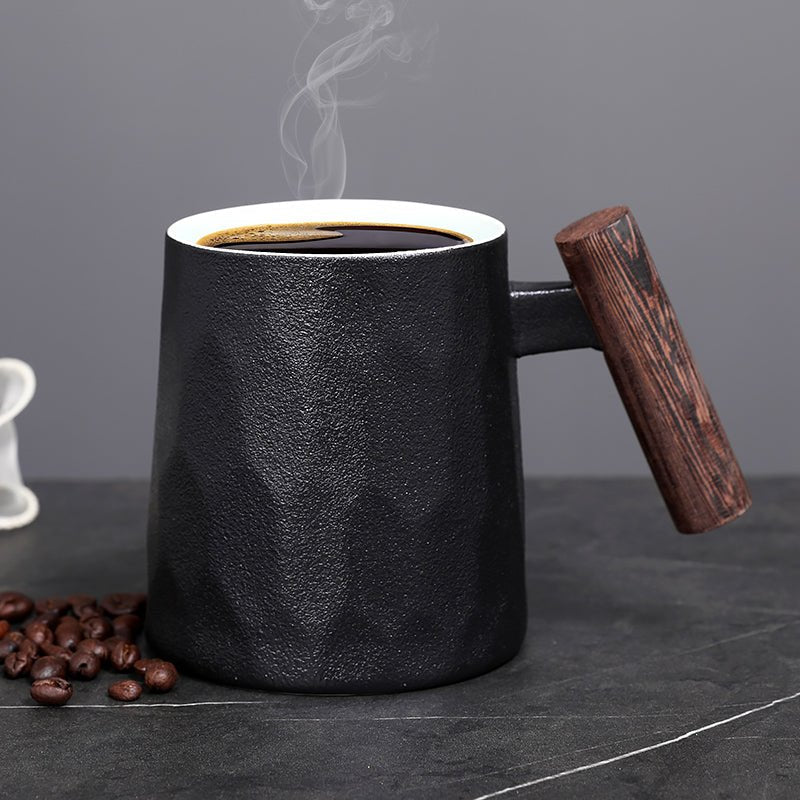
Chai Tea Mug Morning Routine Practical Purchase Checklist
Compare 400, 440, and 480 ml chai mug options using your actual morning drink volume, available time, refill tolerance, grip comfort, and care needs. The checklist also flags product details to ver...
Read more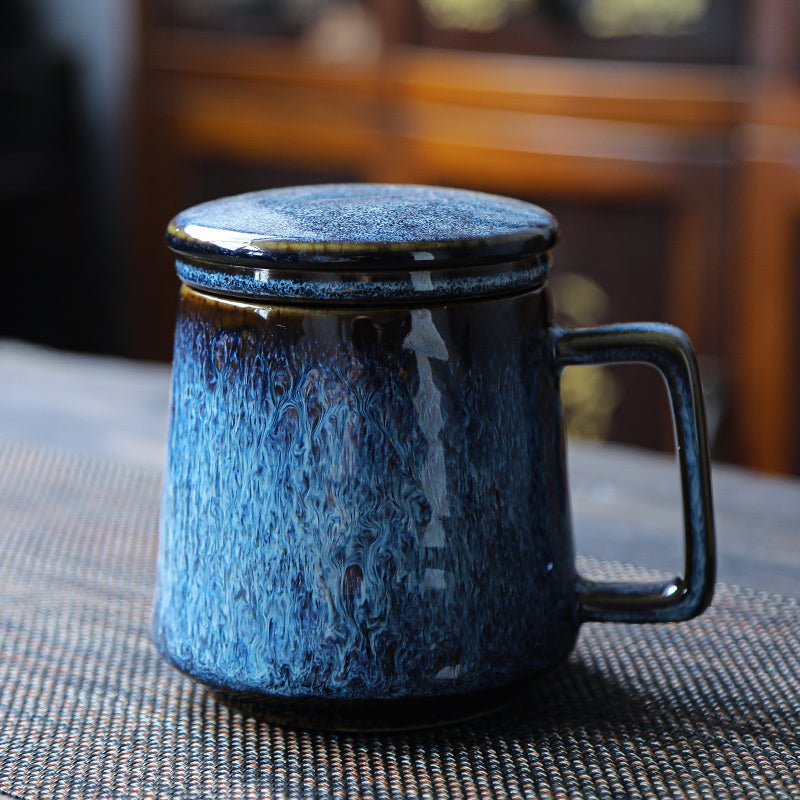
Peppermint Tea Mug Morning Routine Practical Purchase Checklist
Match a peppermint tea mug to your actual morning: 400 ml, 440 ml, or 480 ml. We compare timing, refill tolerance, and handle-comfort checks while flagging the product details to verify before chec...
Read more
Leave a comment
This site is protected by hCaptcha and the hCaptcha Privacy Policy and Terms of Service apply.