
Ceramic Espresso Cup Morning Routine Product Shortlist Guide
Reading time: about 9 minutes
At 7:10 a.m., a cup mismatch shows up fast: a straight espresso looks lost in a vessel sized for a longer drink, or a coffee with milk reaches the rim before you leave the counter. This ceramic espresso cup morning routine product shortlist guide narrows the decision to three facts that matter before breakfast: how long you stay in the kitchen, the volume you actually drink, and how much you dislike refilling.
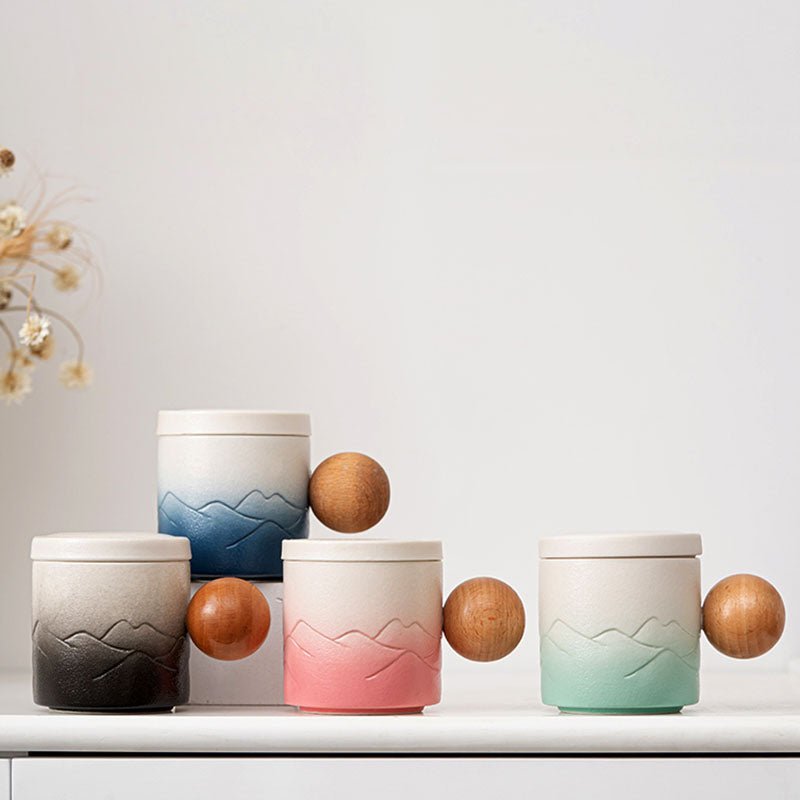
We sell and handle ceramic drinkware in our store, and capacity labels are where otherwise sensible comparisons often go wrong. The listed choices here are Retro at 170 ml, Pleated at 200 ml, and Ball Handle at 250 ml. All three are ceramic vessels, and each may be larger than a traditional single-shot demitasse. We are comparing only the vessel, listed capacity, material, and visible form; do not assume saucers, lids, spoons, espresso-machine clearance, stackability, or certified drink-specific performance.
Which three morning facts should eliminate a cup first?
Before opening several product pages, write down three short answers. This prevents a visually appealing cup from surviving the shortlist after it has already failed your routine.
- Morning timing: A five-minute kitchen stop before a commute favors a vessel that holds your complete drink without creating another task. A slower breakfast can make one small refill less irritating. Timing does not change cup capacity, but it changes whether a lower capacity is practical.
- Finished drink volume: Count the espresso plus any milk or hot water. Do not use the machine button name or coffee recipe name as a proxy for total volume. Your completed drink is the number that has to fit.
- Refill tolerance: Decide whether your answer is zero, one, or flexible. If it is zero, avoid choosing a listed capacity that nearly matches your normal pour because you still need headspace for carrying the cup away from the machine.
A product described as a coffee cup for espresso can cover several serving habits. The useful distinction is not the label alone; it is the relationship between the listed milliliters and what you pour on an ordinary weekday.
How should you use this ceramic espresso cup morning routine product shortlist guide?
The shortest useful list runs from reader situation to reason to skip, not simply from smallest to largest. Start with the row that resembles your weekday, then check the current product page before buying.
| Reader situation | Start with | Why it fits the shortlist | Reason to skip it |
|---|---|---|---|
| Fast morning, straight espresso or a short drink, and one small serving is enough | Retro Coffee Tea Cup, listed at 170 ml | It has the lowest listed capacity of these three and is the first option to inspect for a lower-volume serving. Its retro form also provides a clear visual style. | Skip it if your finished drink gets close to 170 ml, you need more carrying headspace, or even one refill feels inconvenient. |
| Breakfast coffee with a modest amount of milk or water | Pleated Coffee Tea Cup, listed at 200 ml | The middle capacity provides more room than 170 ml without moving directly to 250 ml. The pleated exterior is a visible design feature. | Skip it if you want traditional demitasse scale, prefer an untextured exterior, or your normal drink approaches the listed capacity. |
| One-cup morning, a larger finished drink, and low refill tolerance | Ball Handled Coffee Tea Mug, listed at 250 ml | It has the highest listed capacity in this shortlist. The ball-handle form also makes it visually distinct from a conventional understated cup. | Skip it if a small straight espresso is your whole routine, you do not need the extra capacity, or the visible handle form does not suit you. |
If the capacity ladder makes sense but none of these forms appeals to you, browse our unique coffee mugs collection and apply the same volume-first filter. Do not let an interesting exterior overrule drink volume, care needs, or refill tolerance.
Is 170, 200, or 250 ml closest to your finished drink?
The most reliable home check is a water mock-up. Fill your current cup with cool water to the level your completed morning drink normally reaches, then transfer that water to a marked measuring jug. Repeat once for a weekday drink and once for a slower weekend version if the recipes differ. Treat the listed capacity as a comparison number rather than a target pour, and leave enough headspace to walk from the machine to the table without crowding the rim.
All three listed options may be larger than a traditional single-shot demitasse. If a small espresso cup means a vessel whose visual scale closely matches one straight shot, even 170 ml may feel generous. If you want a deeper capacity-only comparison, use our ceramic espresso cup daily-use guide for 170, 200, and 250 ml.
How much does refill tolerance matter before you leave the kitchen?
Refill tolerance is not the same as thirst; it is about interruption. In our experience, shoppers often say they prefer a smaller cup until they picture rinsing, remaking, or carrying a second pour during a rushed morning.
- No refill: Choose the smallest listed capacity that comfortably exceeds your measured finished drink. That could be 170, 200, or 250 ml, depending on what you add.
- One refill is acceptable: The 170 ml option can make sense for a short serving during a slower breakfast. Skip it if a refill means repeating a brewing step you already resent.
- The cup moves to a desk: Allow enough capacity for the entire first drink, but separately verify the vessel's current dimensions and your grip preference. Milliliters alone do not establish desk footprint or handling comfort.
If you are leaning toward the lowest-capacity option, our small ceramic coffee cup daily-use trade-off guide covers the practical compromises of keeping the vessel compact.
Do retro, pleated, or ball-handle forms suit your counter?
Morning cups often stay in view beside a machine, drying mat, or open shelf. Visible form can therefore break a capacity tie, but it should not make the decision before volume does.
- Retro form: Choose it if you want a recognizable styled vessel to be part of the morning setup. Skip it if visual neutrality or matching an existing set matters more than a distinctive look.
- Pleated exterior: Choose it if surface texture is part of the appeal. The contours create more changes in the exterior surface to wipe than an untextured wall, so skip it if the fastest possible hand-wash routine is your priority.
- Ball handle: Choose it if the prominent handle form is the visual feature you want. Handle comfort is personal, however, and cannot be inferred from a 250 ml capacity label; inspect the current photos rather than assuming it will feel like a familiar loop handle.
If the cup will remain on display between uses, our open-shelf morning routine guide can help you weigh visible styling against everyday placement.
What should you inspect after unboxing and during cleanup?
If the cup is a gift, unbox and inspect it before wrapping. With ceramic drinkware, a dry check under good light is more useful than discovering a problem after the first coffee or dishwasher cycle.
- Check the base: Set the empty vessel on a flat, dry counter. If it rocks unexpectedly, pause and inspect the base before use.
- Inspect the rim and handle attachment: Turn the cup under side light and look for rim chips, rough glaze spots, or hairline cracks around the handle joins. A clean cloth passed gently around the rim can reveal a rough snag without putting a fingertip against a sharp chip.
- Read the current care information: Ceramic material alone does not establish dishwasher or microwave compatibility. If appliance use is not explicitly confirmed, hand washing with mild soap and a non-abrasive sponge is the conservative routine.
- Avoid preventable stress: Do not move a very cold ceramic vessel directly into an abrupt high-temperature situation. Let it dry before storage, and do not force distinct forms into an unstable stack unless the current listing confirms that arrangement.
If loading the breakfast cup into a dishwasher every day is non-negotiable, verify that detail before purchase. It should be a shortlist requirement, not an assumption made after unboxing.
Who should skip all three compact espresso-style vessels?
- Traditional demitasse buyers: All three listed capacities may feel too generous for someone seeking the visual scale of a single-shot cup.
- Large latte or iced-coffee drinkers: Even 250 ml may be too limited once a large amount of milk, water, or ice occupies the vessel. A larger mug would suit that routine better.
- Buyers needing guaranteed machine clearance: Capacity does not reveal cup height, rim diameter, or base diameter. Use actual dimensions and your machine's available clearance.
- Buyers who require specific accessories or certified care performance: Do not assume included saucers, lids, spoons, stackability, or appliance compatibility unless the current product information states it.
A different cup style is a better purchase than forcing your drink or cleanup routine around a vessel selected only for appearance.
Frequently asked questions
Is a 170 ml ceramic cup too large for a single espresso?
Not necessarily, but 170 ml may be larger than a traditional single-shot demitasse. It can make sense if you add some milk or water, or simply prefer more vessel around a small serving. If traditional shot-to-cup proportions are the goal, compare a smaller demitasse outside this shortlist.
Should I choose 200 or 250 ml for a milk-added morning coffee?
Measure the total completed drink rather than the espresso portion alone. Choose 200 ml if it leaves comfortable carrying headspace; evaluate 250 ml if your drink approaches 200 ml or you strongly dislike refilling. Capacity does not establish machine fit or certified drink performance.
Will these ceramic cups fit under my espresso machine?
Capacity alone cannot confirm that. Milliliters do not tell you the cup height, rim diameter, base diameter, or clearance beneath your machine's group head or spout. Compare current product dimensions, if provided, with the available machine space before buying.
Can I put these ceramic vessels in a dishwasher or microwave?
Do not infer either type of compatibility from ceramic material alone. Follow the current care instructions on the relevant product page; if appliance use is not explicitly confirmed, hand washing and avoiding abrupt temperature changes are conservative choices. This guide does not claim certified dishwasher or microwave performance.
Which ceramic espresso cup is best for a morning routine?
A ceramic espresso cup morning routine product shortlist guide should begin with normal finished volume, available time, and refill tolerance. Of these options, 170 ml is the lowest listed capacity, 200 ml is the middle, and 250 ml is the highest. Use retro, pleated, or ball-handle styling to break a practical tie rather than choosing appearance first.
Your 60-second shortlist before opening a product page
Write these four lines on your phone or a note beside the coffee machine:
- Finished drink: weekday volume and weekend volume in milliliters.
- Refill tolerance: none, one, or flexible.
- Preferred visible form: retro, pleated, ball handle, or no strong preference.
- Details to verify: current care instructions, included contents, and machine clearance based on actual dimensions.
Then open only the one or two options that survive. Start with the unique coffee mugs collection, apply the 170, 200, and 250 ml ladder, and move to a different cup size if none fits all four lines.
Read more
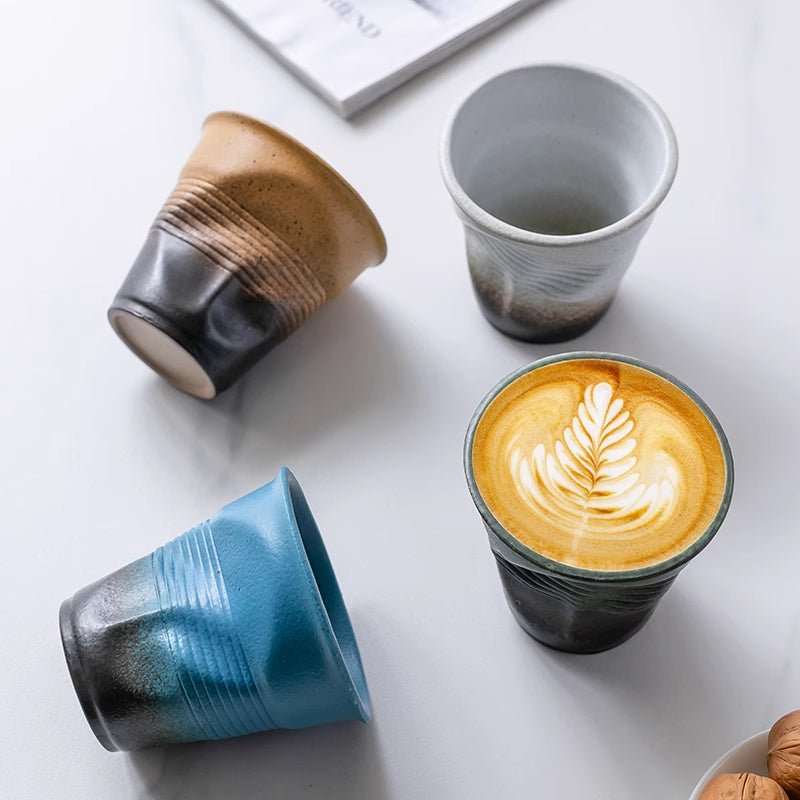
Cappuccino Coffee Mug Morning Routine Practical Purchase Checklist
Compare CoffeifyMug's listed 170, 200, and 270 ml options against your actual morning pour, available time, refill tolerance, and storage limits. Includes checkout, care-verification, and unboxing ...
Read more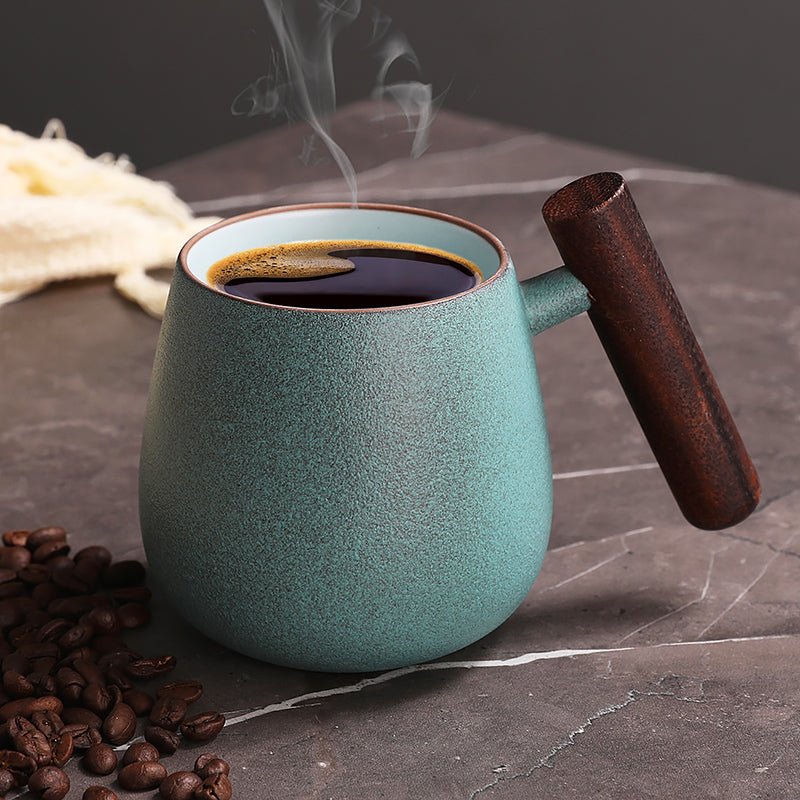
Ceramic Wide Bottom Coffee Mugs Morning Routine Product Shortlist Guide
Build a three-mug morning shortlist around your actual pour, first-sip timing, and willingness to refill. We map the Round, Spittoon, and The Rock options to specific routines, with clear reasons t...
Read more
Leave a comment
This site is protected by hCaptcha and the hCaptcha Privacy Policy and Terms of Service apply.