



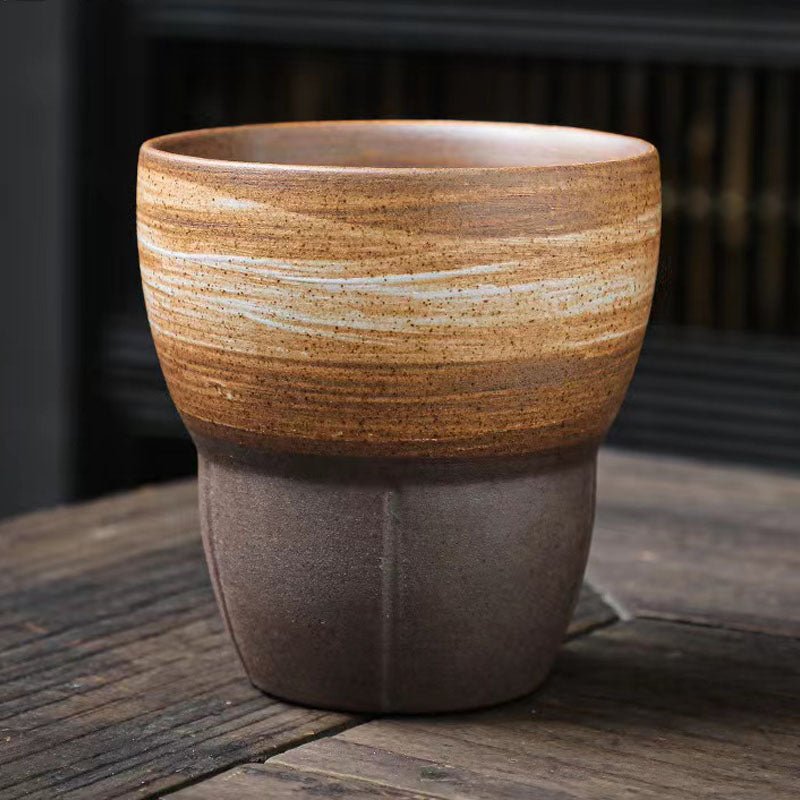
Pottery Tea Cups Size Decision Guide: 170, 200, or 250 ml?
Reading time: about 10 minutes
You pour a full cup, sit down, and twenty minutes later the last third is cold and the tea has gone flat. Or the opposite: the cup is empty before you've cleared the first batch of email and you're back at the kettle. Neither complaint is really about the tea leaves. It's about how much liquid the cup commits you to. This pottery tea cups size decision guide works through the three capacities in our current lineup — 170 ml, 200 ml, and 250 ml — and matches each one to the way people actually drink, rather than to an imaginary ideal serving.
All three are ceramic. The cost of choosing the wrong size is quiet rather than dramatic: you don't return the cup, you just stop reaching for it. That is the failure mode worth designing around.
Three capacities, three different drinking rhythms
Capacity is the one specification you cannot adjust later. Handle shape you get used to, glaze you fall in or out of love with, but a cup that holds 80 ml more or less than you want will annoy you every single morning.
| Cup | Listed capacity | Body | What it suits | Trade-off |
|---|---|---|---|---|
| Retro Coffee & Tea Cup | 170 ml (about 5.7 fl oz) | Ceramic | Small-pot pours, concentrated infusions, short sessions | Little room for milk; more trips to the kettle |
| Pleated Coffee & Tea Cup | 200 ml (about 6.8 fl oz) | Ceramic | Everyday single-cup sipping at a desk or table | Sits between camps; never feels like a big mug |
| Ball Handled Coffee & Tea Mug | 250 ml (about 8.5 fl oz) | Ceramic | Longer sits, handled hold, larger single servings | More liquid to keep warm; wider footprint on the counter |
For orientation, FDA compliance guidance describes cups and mugs as small ceramic hollowware that normally, though not exclusively, holds about 240 ml (8 fl oz) and is made with a handle. Read that as a reference point, not a rule: it puts the 250 ml mug in familiar territory while placing the 170 ml and 200 ml cups deliberately below it. Below that line, you finish a pour sooner, which changes the temperature you taste it at and how much leaf you commit per session.
When the 170 ml Retro cup is the practical pick (and when it isn't)
The Retro Coffee & Tea Cup holds 170 ml in a ceramic body with a retro-profile silhouette. It makes most sense when the tea is poured to you rather than brewed in the cup — a small teapot, a gaiwan, or a concentrated steep you top up as you go.
It also earns its place in mixed households. If one person starts the morning with an espresso-sized serve and switches to tea after lunch, a 170 ml cup serves both habits without looking like a shot glass on the table.
- Works well for: repeated small pours, light green and oolong teas you drink quickly, tasting two teas side by side, small kitchens with shallow shelves.
- Works badly for: milk-heavy drinks, anyone who wants one cup to last through a meeting, and households where the kettle only boils once an hour.
Be honest about the concentration math too. If you brew the same amount of leaf in less water, you get a stronger cup — so a small vessel usually means cutting back on leaf or shortening the steep, not simply pouring less of the same brew.
The 200 ml Pleated cup: the middle size most tea drinkers land on
The Pleated Coffee & Tea Cup lists 200 ml in a ceramic body with a pleated exterior. That ridged wall is a visual feature first — it reads as more considered than a plain cylinder — but it also means the cup isn't a slick surface in your hand when the walls warm up.
In our experience, 200 ml is the size that causes the fewest returns-style regrets, because it does everything adequately. It holds a generous single serving of loose leaf with a little headspace to spare, it takes a modest splash of milk without pushing the liquid to the rim, and it stays on a saucer or a narrow desk without crowding.
The honest trade-off is that it is the least dramatic option. If you currently drink from a 350 ml mug, 200 ml will feel like a downgrade for the first week. If you brew tiny 80–100 ml gongfu pours, 200 ml will feel like a bucket. It is a compromise cup, and compromise is exactly what most weekday mornings need.
Where the 250 ml Ball Handled mug earns its counter space
The Ball Handled Coffee & Tea Mug lists 250 ml in a ceramic body with a spherical handle — the largest of the three, and the one built around being carried rather than nursed.
The handle matters more than shoppers expect. A cup you grip by the wall transmits heat straight to your fingers for the first minute or two after a boiling pour; a handle puts a gap between your hand and the ceramic so you can pick the mug up immediately. If you drink at a desk and the cup gets lifted mid-scroll, that gap is a practical feature, not a decorative one.
Two limitations to plan around. First, 250 ml is more liquid to keep at temperature, so the final third will cool faster than it would in a smaller cup — pour it, drink it, don't treat it as a thermal flask. Second, milk, honey, or a tea bag displaces volume, so a 250 ml mug is not really a 250 ml drink once you've built it. If you take your tea milky and large, look at the broader unique coffee mugs collection for wider-bodied shapes instead.
Pottery tea cups size decision guide: the checks that outrank capacity
Capacity decides whether you enjoy the cup. The glaze decides whether you should keep drinking from it. Before committing to any size, look at these four things — and if you're buying from a maker you can email, ask rather than assume:
- The drinking rim. Run a fingertip around it. The surface that touches your lips should be smooth and sealed; rough, bare clay there is abrasive and holds onto tea oils over time.
- Interior glaze continuity. Tilt the cup under a bright light and look for pinholes, bubbles, or dry patches. A fully covered interior stops dark tannins from soaking into the body and is the easiest visual proxy for build quality.
- Crazing versus a crack. Fine spiderweb lines in the glaze are common and often intentional. The test is mechanical: if a line catches your fingernail, runs through to the outside wall, or weeps, the cup is damaged and should leave hot-drink duty.
- Labels and warnings. Ceramicware that looks food-worthy is treated as foodware unless it's permanently marked "Not for Food Use" with the required warning. FDA also states that ware with extractable lead shouldn't carry a "Lead Free" claim, so treat an unqualified "food safe" line in a listing as a prompt for questions, not an answer.
For context on why this section isn't boilerplate: FDA guidance sets a lead leach guideline of 0.5 micrograms per milliliter for cups and mugs, and a cadmium guideline of 0.5 micrograms per milliliter for small hollowware under 1.1 liters. Those are manufacturing thresholds, not something a buyer can verify at home — and no amount of washing, boiling, or scrubbing removes lead from a piece that contains it. Appliance care follows the same logic: dishwasher and microwave safety are maker-specific, not universal ceramic facts, and anything with metallic or overglaze decoration should stay out of the microwave entirely.
One practical habit we recommend regardless of size: warm the cup with a few ounces of tap water before a boiling pour, especially in winter when a cold shelf has chilled the ceramic. Sudden temperature change is the most common way a perfectly good cup gets retired.
Gifting, desk use, and shared trays: which size to hand over
Size questions get easier once you name the scenario out loud.
- A gift for someone who already owns mugs: the 170 ml retro cup. It looks different from what's already in their cabinet and doesn't duplicate a plain mug.
- An office desk with a laptop beside it: the 250 ml ball handled mug. Handle for immediate lifting, enough volume that you're not refilling on every call.
- A shared tea tray for two or three people: pair the 170 ml and 200 ml cups. Smaller cups let everyone pour at their own pace from the same pot.
- Milky chai, honey-heavy herbal blends, cocoa: the 250 ml mug, and accept that you'll fill it to about three-quarters.
What none of these are good for: tall iced drinks, travel, or anyone who expects a single cup to last an hour. If iced coffee or a cold brew is your daily default, a handled 170–250 ml cup is simply the wrong tool, and no amount of glaze quality fixes that.
Frequently asked questions
Does the cup size really change how the tea tastes?
It changes the temperature and concentration you taste it at, which reads as a flavour difference. The same leaf brewed in the same water tastes sharper and more aromatic in a 170 ml cup because you finish it while it's still hot; the last third of a larger vessel has cooled and dulled. It's a real effect, but it's about the pour, not the clay.
Is 170 ml too small for a standard tea bag?
It's tight. Less water over the same bag means a more concentrated, more astringent cup, so you'd shorten the steep or use the bag twice. If dropping a bag in and walking away is your routine, the 250 ml mug is the more comfortable choice — that's the practical conclusion of this pottery tea cups size decision guide for most tea-bag drinkers.
Can these cups go in the dishwasher or microwave?
Check the listing and any care card that ships with the cup before assuming either. Ceramic bodies and glazes vary, and dishwasher or microwave suitability is set by the maker rather than by the word "ceramic." Anything with metallic lustre or gold decoration should never go in the microwave.
How do I know a "food safe" or "lead free" label is trustworthy?
You can't verify leaching at home, so look for a maker who can tell you which surfaces touch the drink, how the piece was fired, and whether any test report refers to the finished cup rather than a sample batch. A vague label plus no answers is a reason to buy elsewhere — not proof of a problem, but not reassurance either.
Which size should I buy if I'm only buying one?
Count how many times you refill your current cup before noon. If the answer is three or more, buy the 250 ml. If you own a small teapot and pour in stages, buy the 170 ml. If you're unsure, buy the 200 ml — it's the size least likely to sit unused in a cupboard.
Match the cup to the pour you actually make
Before you check out, do a thirty-second inventory instead of guessing: what vessel the tea comes out of, whether milk or honey goes in, where the cup will sit, and whether you'll lift it or leave it. Small pot and frequent top-ups points to the 170 ml retro cup. One steady cup at a desk points to the 200 ml pleated cup. A longer session, a handle you actually use, and a milky build point to the 250 ml ball handled mug.
Whichever capacity you land on, finish the decision by checking the rim, the interior glaze, and the care notes. Then browse the rest of our unique coffee mugs if a different silhouette suits your hand better — the right size in the wrong shape is still the wrong cup.
More from our blog
Ready to pick your mug? Two ways to save on today's order:
Ordering 1–3 mugs? Get an extra 10% off your 1st order with code 10_OFF Apply 10% Off & Shop Wooden-Handle Mugs →
Gifting 4+ mugs? Buy 3, Get the 4th Free applies automatically at checkout (no code needed; offers do not stack) · Free standard shipping (Nov pre-Christmas delivery: 15–20 calendar days US) · Free replacement if chipped in transit.
Popular mug buying guides: Ceramic Tea Cups & Infuser Mugs · Ceramic Mugs with Lids Compared · Wooden-Handle Tea Infuser Mugs Compared · Christmas & Secret Santa Mugs 2026 · Espresso & Cortado Cups Guide · Cup & Saucer Gift Sets · All 25 Mugs Spec Table · Mug Size Guide · Shipping & Promo FAQ
FIRST ORDER 10% OFF (CODE: 10_OFF) · OR BUY 3, GET THE 4TH FREE


Read more
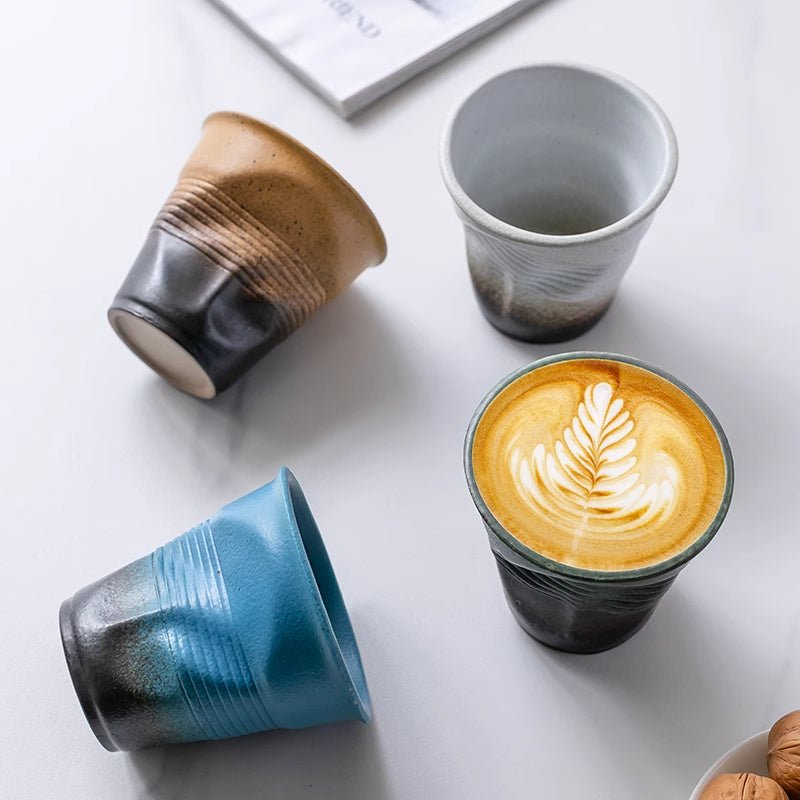
Coffee Mug Gifts Ideas Size Decision Guide: 200 vs 400 vs 440 ml
A 200 ml cup, a 400 ml mug, and a 440 ml mug solve three different gift problems. Here is how to match listed capacity to a real drink routine — and when the bigger mug is the wrong call.
Read more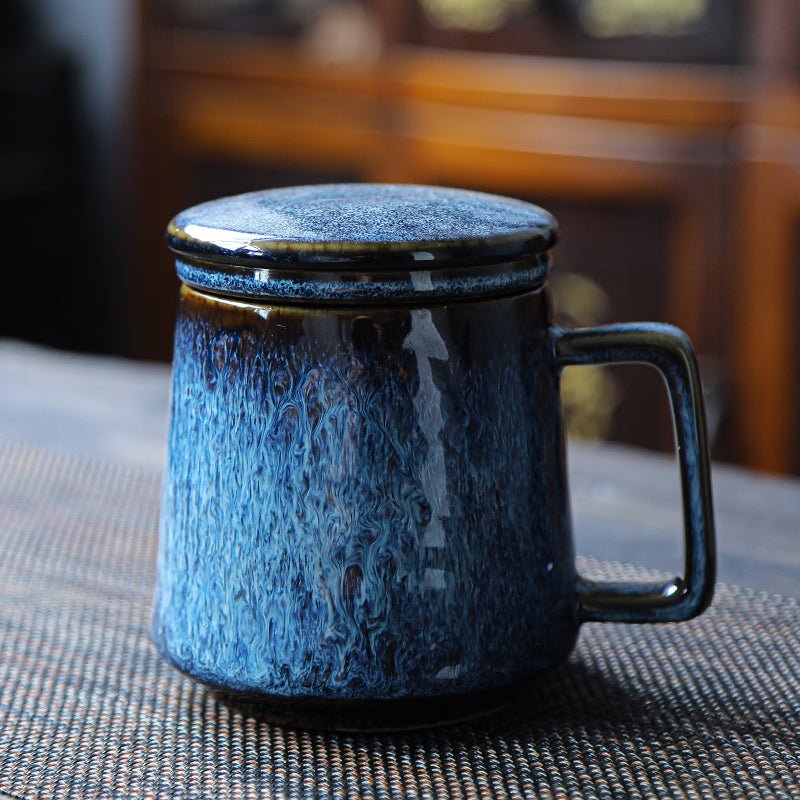
Large round coffee mugs size decision guide: 400–480 ml
Compare The Flow (400 ml), Morning and Night (440 ml), and The Rock (480 ml) by listed capacity, then check your usual pour, headroom, brewer clearance, and what to verify before you order.
Read more
Leave a comment
This site is protected by hCaptcha and the hCaptcha Privacy Policy and Terms of Service apply.