
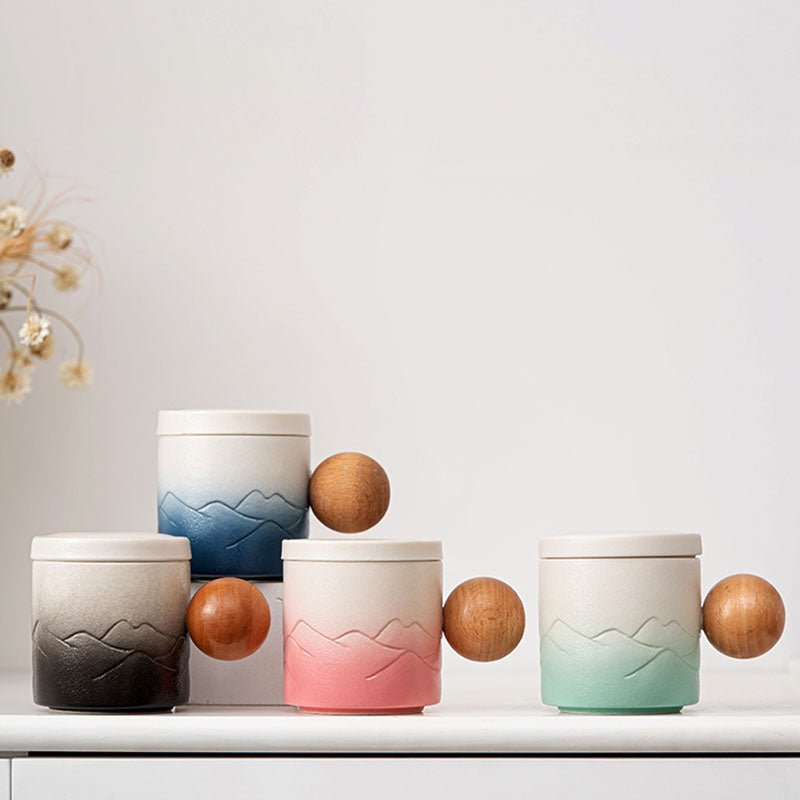
Piccolo Cup Shared Household Practical Purchase Checklist: 170-270 ml
Reading time: about 9 minutes
At 7:15 a.m., the smallest cup can become the most contested object in a shared kitchen. One person stops at a short coffee, another adds milk until the drink approaches the rim, and someone carrying tea to an office desk may want more room. This piccolo cup shared household practical purchase checklist starts with those actual pours, because a neat row of identical cups does not help if nobody agrees on serving size.
In our store, we handle compact drinkware as an individual-use choice first and a matching-decor decision second. For this comparison, the verified product facts are the listed capacities: the Retro is 170 ml, the Ball Handled option is 250 ml, and the Emerald is 270 ml. We use piccolo cup as practical shopping language for a compact serving vessel, not as a certification. Our comparison is based on capacity, not a prescribed milk-to-coffee ratio, barista testing, or cafe provenance.
The three product links in this article are individual listings. Comparing them side by side does not mean they are bundled or sold as a set. Capacity also does not establish body material, external dimensions, weight, appliance compatibility, stackability, or comfortable fill level, so those details remain part of the pre-purchase check.
What does each person actually pour on a normal morning?
Drink names are a poor starting point in a shared home. One person's short coffee may be another person's milk-heavy drink, and two people using the word piccolo may pour different final volumes. We get a more useful answer by measuring the cup already in use.
- Fill the current cup with water to the person's usual drinking line, then pour that water into a measuring jug and record the volume in millilitres.
- Repeat the measurement for any regular variation, such as a weekend coffee, tea with milk, or an afternoon drink.
- Record foam and ice separately because they need physical headspace even when they are difficult to represent in a liquid measurement.
- Note what currently goes wrong: spills during the walk to a desk, too much empty space, poor clearance under a coffee machine, or a handle that is awkward with wet hands.
Use the highest routine pour rather than the smallest serving someone occasionally makes. A listed capacity should not automatically be treated as a comfortable carry line. For example, a measured 165 ml drink leaves only 5 ml against a listed 170 ml capacity before accounting for the cup's profile or the way its capacity was measured. That margin is too small to assume there will be room for stirring or walking across the kitchen without a spill.
How do 170 ml, 250 ml, and 270 ml divide the cupboard?
The useful comparison is not simply small, medium, and large. The gaps are uneven: 250 ml is 80 ml above 170 ml, while 270 ml is only 20 ml above 250 ml. That arithmetic can change which option is worth considering.
| Product | Household situation | Capacity trade-off |
|---|---|---|
| Retro, 170 ml | A short routine pour that remains clearly below the listed capacity | The smallest option; 80 ml below the Ball Handled and 100 ml below the Emerald, with limited room if the base drink already approaches 170 ml |
| Ball Handled, 250 ml | A moderate final drink and interest in the named ball-handle design | Provides 80 ml more than the Retro but sits only 20 ml below the Emerald; handle dimensions and grip fit still need checking |
| Emerald, 270 ml | A longer compact pour that fits below 270 ml with suitable headspace | The largest of the three, but only 20 ml above the Ball Handled and still unsuitable for drinks that regularly exceed 270 ml |
If one household member drinks about 100 ml more than another, the Retro-to-Emerald capacity spread may solve a genuine mismatch. If two people differ by only 10 or 15 ml, the 250 ml and 270 ml listings cannot be separated by capacity alone. Cup profile, handle preference, external size, and required headspace become more important.
Which listing fits each shared-household pattern?
- Situation: one short pour and one longer milk drink. If the first person's measured serving stays comfortably below 170 ml while the second person's drink fits below 270 ml with room to carry it, the capacity spread addresses both habits. Next step: compare the 170 ml Retro Coffee Tea Cup with the 270 ml Emerald Coffee Tea Mug as separate purchases.
- Situation: a moderate pour and a preference for a distinctive handle. The middle capacity may suit someone whose measured drink leaves practical space below 250 ml. Next step: inspect the photos and current specifications for the 250 ml Ball Handled Coffee Tea Mug, paying particular attention to how its named handle would be held.
- Situation: one daily user and occasional guests with different habits. Fit the daily user's measured pour first rather than buying identical capacities for visual symmetry. Next step: select the closest suitable product, then compare a different guest option in the broader collection instead of assuming one compact size will serve everyone.
We would not recommend choosing the 270 ml option solely because it is the largest listed capacity. If the usual drink is short, the extra empty space may feel unnecessary. We would also avoid the 170 ml option for someone whose measured serving already approaches that number, even if the compact silhouette is appealing.
What should a piccolo cup shared household practical purchase checklist cover?
- Usual pour: record each person's normal final drink in millilitres.
- Maximum routine pour: include the larger serving made often enough to affect the decision.
- Headspace: allow for milk, foam, ice, stirring, and the walk from counter to table or desk without imposing a fixed drink ratio.
- Capacity difference: remember that 170 to 250 ml adds 80 ml, while 250 to 270 ml adds only 20 ml.
- Grip: compare the photographed handle shape with each user's preferred finger-through or pinch-style hold; do not assume a design suits every hand.
- Physical fit: verify overall height, width, base footprint, coffee-machine clearance, cupboard space, and dish-rack spacing on the current listing.
- Material and care: confirm the listed body material, finish, microwave guidance, and dishwasher instructions rather than inferring them from the photos.
- Purchase format: check the quantity, selected style, and cart details for each individual listing instead of treating the comparison as a set offer.
Keep the piccolo cup shared household practical purchase checklist beside the live product pages and stop at any detail you cannot verify. A missing dimension or care instruction is not permission to guess. It is a reason to check the current listing or ask our store before ordering.
Which material, handle, and care details still need verification?
Capacity tells you how much the listing says a vessel holds. It does not tell you how the material feels when hot, how much finger clearance the handle provides, or if the item is approved for a specific appliance. Those are separate buying variables, and the verified capacity facts in this comparison do not establish them.
- Material and finish: confirm the exact material named on the product page. A glossy surface in a photograph is not enough to determine composition, coating, stain response, or care requirements.
- Handle geometry: the Ball Handled product name provides a design cue, not a handle diameter or clearance measurement. Review the photographs and listed dimensions to decide if its grip suits the intended user.
- Machine and shelf clearance: compare the cup's stated height and width with the space under the coffee outlet, the cupboard shelf, and the drying rack. Capacity alone cannot predict external size.
- Dishwasher and microwave use: only use these appliances if the current product instructions or care label explicitly allow it. If dishwasher use is approved, leave enough rack clearance that the rim and handle cannot knock against another cup or metal cutlery during a cycle.
- Unboxing inspection: our practical sequence is to inspect the rim, interior surface, base or foot ring, and handle joins under direct light, then place the cup on a flat counter to check for rocking. Chips, hairline cracks, damaged joins, and an uneven base are general drinkware inspection points, not reported defects for these products.
This inspection matters even more for a gift. Keep each product identifiable until its capacity and condition have been checked, particularly if different sizes were ordered for different household members. Do not use damaged drinkware; follow the store's current return instructions instead.
When is a 170-270 ml compact cup the wrong purchase?
Compact capacity is useful only if it matches the drink. A different style is the more practical choice in several common situations:
- The person's routine final drink exceeds 270 ml or includes enough ice or foam that 270 ml does not provide comfortable headspace.
- The cup needs a sealed lid, spill resistance, or insulation for a commute or a long session at an office desk. Those features are not established by the capacity facts used here.
- A user needs a specific accessible handle clearance or grip shape, but the required measurements cannot be confirmed before purchase.
- The household relies on stackable drinkware, yet the external profile and stackability are not stated on the current product page.
- Everyone wants one identical capacity even though their measured pours differ substantially. Uniform appearance will not remove the serving compromise.
If the checklist points outside this capacity band, compare larger or differently shaped options in our unique coffee mugs collection instead of forcing a compact cup to handle a drink it was not selected for.
Frequently asked questions
How do I use the piccolo cup shared household practical purchase checklist?
Measure each person's usual final pour with water and a measuring jug, then add their headspace, grip, storage, and care requirements. Compare those results with the listed 170 ml, 250 ml, and 270 ml capacities. Verify every remaining material, dimension, and care detail on the live product page before checkout.
Is 170 ml enough for coffee with milk?
It can be if the complete drink, including milk, remains comfortably below 170 ml. If the measured serving is close to that capacity, the Retro may leave too little room for stirring or carrying. There is no fixed milk-to-coffee ratio in this comparison, so measure the drink made in your kitchen.
Should a shared household choose 250 ml or 270 ml?
The listed difference is only 20 ml. Choose 270 ml if that small increase creates useful headspace for the measured drink; otherwise compare handle design, external dimensions, material, and care instructions. Do not assume the larger number automatically produces a better fit.
Can I put these cups in the dishwasher or microwave?
The verified capacity facts used here do not establish dishwasher or microwave compatibility. Check the current product page and the care label supplied with the item. If dishwasher use is approved, position the cup so its rim and handle cannot strike nearby drinkware or cutlery.
Are the Retro, Ball Handled, and Emerald cups sold as one set?
This article does not claim that they are sold as a set. It compares three individual product listings with capacities of 170 ml, 250 ml, and 270 ml. Confirm the quantity and selected product shown on each page and in the cart.
Your next step: write down three details for every regular user: usual pour, maximum routine pour, and required headspace. Match those figures to 170 ml, 250 ml, or 270 ml, open the relevant product page, and verify material, dimensions, handle fit, care instructions, and quantity before placing the order.
More from our blog
Read more
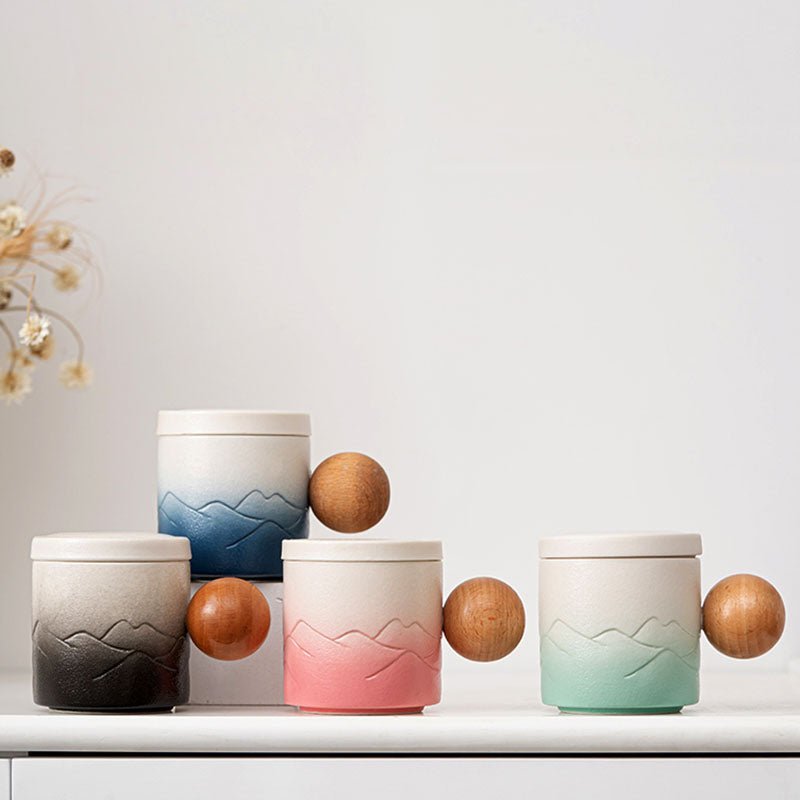
Matcha Latte Mug Compact Kitchen Product Shortlist Guide: 3 Picks
Compare three CoffeifyMug options for a tight counter or cabinet using verified capacity, the Ball Handle's listed 11.2 cm diameter, and visible opening shape. Each pick includes a clear reason to ...
Read more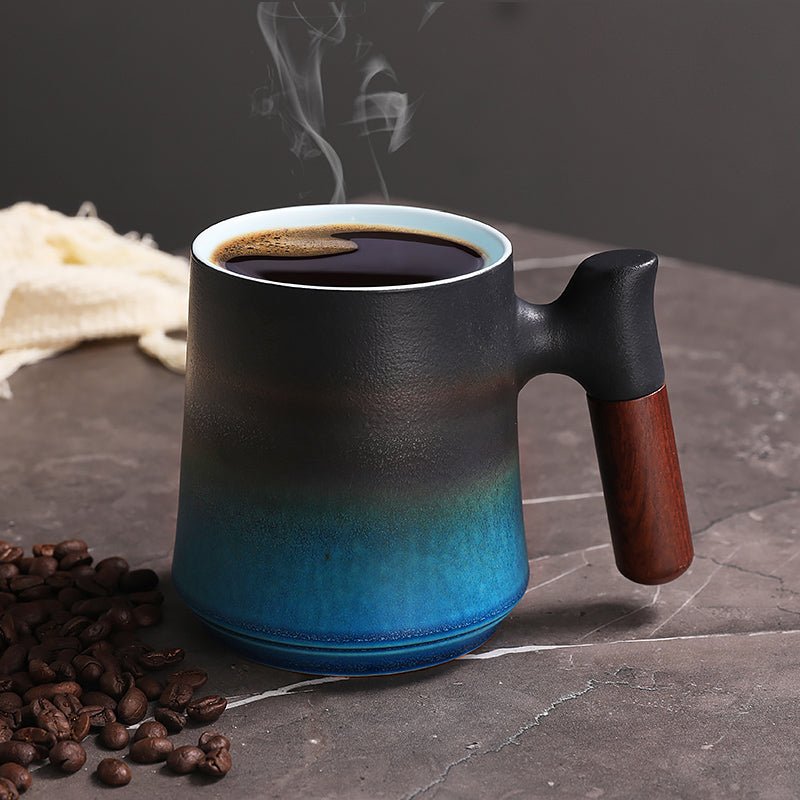
Two Tone Ceramic Coffee Mugs: Shared Household Purchase Checklist
Measure brewer and cupboard clearance, assign a distinct finish to each drinker, and verify care instructions before buying. This checklist compares three CoffeifyMug product paths without treating...
Read more
Leave a comment
This site is protected by hCaptcha and the hCaptcha Privacy Policy and Terms of Service apply.