
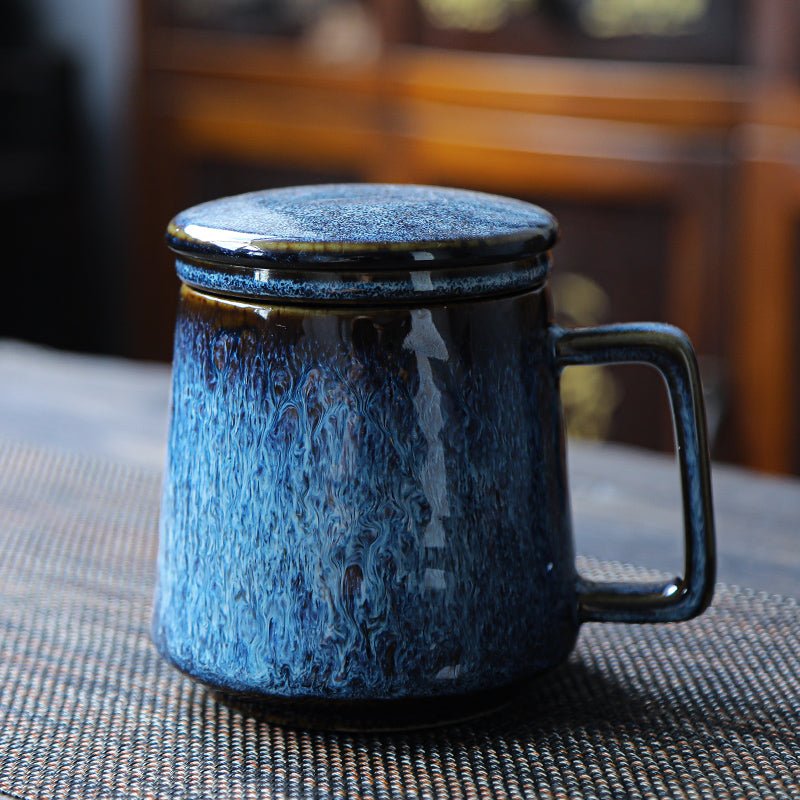
Oversized Ceramic Coffee Mugs: Compact Kitchen Purchase Checklist
Reading time: about 11 minutes
A mug can clear the shelf above it and still keep the cabinet door from closing because the handle reaches farther than the body. That is why our oversized ceramic coffee mugs compact kitchen practical purchase checklist begins with cabinet depth, handle projection, and the path your hand needs to lift the mug out.
In our store, we often see capacity become the headline comparison. Capacity helps with drink size, but it does not tell you the countertop footprint, the clearance below a coffee outlet, or how the mug will feel once both ceramic and beverage are in your hand. We treat storage, filling, handling, and care as hard filters; color and decoration come after those checks.
The fit guidance below is general category advice. For any CoffeifyMug design, rely only on dimensions, materials, and care directions explicitly shown on its current product page. If a required measurement is missing, treat the fit as unknown rather than estimating it from a styled photograph.
Which cabinet, counter, and appliance limits eliminate a mug first?
Measure the narrowest usable point, not the cabinet's nominal size or the open area visible from the front. Shelf lips, face frames, hinges, drip trays, and under-cabinet trim can all reduce working clearance.
| Use point | Measure or test | Reject the mug if |
|---|---|---|
| Upper cabinet shelf | Measure from the shelf surface to the lowest obstruction, then check the height of the front opening. | The mug can stand on the shelf but its rim cannot clear the frame during lift-out. |
| Closed cabinet | Measure from the back panel to the inside of the closed door, allowing for the mug's intended handle position. | The body fits but the handle enters the door space or prevents nearby mugs from sitting normally. |
| Dedicated counter spot | Check the available base area after leaving usable space for the kettle, brewer, spoon rest, and food preparation. | The mug would have to be moved every time you prepare a drink or meal. |
| Brewer, kettle, or faucet | Measure vertical clearance and the path needed to place the mug upright beneath the outlet or spout. | The empty mug must be tipped sharply to enter the filling position. |
| Sink, dishwasher, and drying area | Check sink access, rack height, tine spacing, and the open area available for drying. | The handle repeatedly catches the rack or the body crowds other dishes. |
Body diameter and overall width are different measurements. Overall width may include the handle; if a listing gives only body diameter, you still do not know whether a shallow cabinet door will close. Capacity is also an internal-volume figure, not a reliable shortcut for outside height, base width, or countertop footprint.
How do you use the oversized ceramic coffee mugs compact kitchen practical purchase checklist?
Follow these steps in order so a decorative preference cannot overrule a physical limit.
- Choose one permanent storage location. Decide whether the mug will live in a cabinet, on an open shelf, or on the counter. Counter storage consumes preparation space every day, so do not treat it as a consequence-free backup.
- Measure the bottleneck. Record usable shelf height, closed-door depth, counter footprint, and upright filling clearance at their narrowest points.
- Copy only listed product data. Record height, body or rim width, base width, and overall width only when the product page explicitly provides them. Keep body width and handle-inclusive width as separate figures.
- Rehearse the movement. Account for the hand space needed to grasp the handle or body, raise the mug, clear the shelf frame, and turn away from the cabinet.
- Test the daily carry. Fill the closest large mug you already own to your normal level and carry it from the kitchen to your table, chair, or office desk. This will not predict another mug's exact weight, but it reveals whether larger handled drinkware suits your routine.
- Match the care routine. Check the exact page for microwave and dishwasher guidance. Ceramic as a material category does not establish compatibility for every shape or decoration.
- Label each result pass, fail, or unknown. An unlisted measurement is not a pass. Ask our team for clarification or choose a better-documented option if the missing figure controls the purchase.
This order is especially useful for gifts. An oversized coffee or tea mug can look substantial during unboxing, yet still be a poor match for someone with low shelves, a crowded desk, limited drying space, or an uncomfortable grip when the mug is filled.
Does a tall body or broad base use compact space better?
No single mug profile wins in every compact kitchen. The useful shape is the one that spends space in a direction your kitchen can spare.
- Tall, narrow profile: It may preserve horizontal counter area if the listed width supports that assumption. The trade-off is greater demand on shelf height, faucet clearance, and the space below a coffee machine outlet.
- Low, wide profile: It may clear an overhang that blocks a tall mug, but it can require more cabinet depth, drying space, and open counter area.
- Large-loop handle: Extra finger room may suit some grips. That same loop can become the widest part of the mug and the reason a cabinet door will not close.
- Flared rim or broad foot: A flared rim affects shelf retrieval and side-by-side storage, while a broad base determines the actual space used beside a kettle or keyboard.
Do not assume that an oversized ceramic mug will stack unless the product page explicitly supports that use. Treat oversized as a reason to examine listed capacity and external measurements, not as a standardized shape. A mug for long coffee, tea, or an iced drink can still be compact in one dimension and demanding in another.
Which CoffeifyMug page matches your buying scenario?
Start with the constraint you measured, then open the page that logically belongs in the comparison. These routes identify where to verify a candidate; they do not promise that an unlisted dimension will fit.
| Reader situation | Why this route fits | Relevant next step |
|---|---|---|
| Your cabinet and filling station have comfortable vertical clearance, and you prefer a tall-profile design. | The word Tall appears in the product name, making it a sensible candidate to inspect first. The name does not replace listed height, width, capacity, material, or care details. | Review the White Golden Waves Tall Coffee Tea Mug listing against your measurements. |
| The Flow is your preferred design, but closed-cabinet depth or handle projection is your non-negotiable limit. | The individual listing is the place to verify whichever outside measurements and care details are explicitly provided. Do not estimate handle size from the photographs. | Compare your limits with The Flow Coffee Tea Mug product details. |
| The Rock is your style choice, and the mug will move between a compact kitchen and an office desk. | The product name does not establish footprint, grip room, or filled handling. Screen the listed information first, then run the carry test with the closest mug you own. | Check The Rock Coffee Tea Mug product page. |
| You have no design favorite and want to compare several visual profiles. | A collection is useful for style screening after you have written down the shapes and dimensions your space cannot accept. Each finalist still needs its own product-page check. | Browse compact-kitchen candidates in our unique coffee mugs collection. |
We do not give The Flow or The Rock a compact-kitchen advantage based on a name or staged image. In our experience, the cleanest purchase decision starts with one hard constraint, such as cabinet depth, and then applies softer preferences such as color, decoration, coffee or tea use, and gifting. If two designs pass every measurable check, those preferences can decide the final shortlist.
Will the mug fit your coffee maker, sink, and dishwasher routine?
Care compatibility and physical fit are separate tests. A product may have suitable care directions yet still be awkward in your specific appliance, sink, or rack layout.
- Coffee maker: Measure from the drip tray to the lowest part of the outlet and check the insertion path. A tall mug may have enough standing room but lack the angle needed to move into place.
- Kettle or faucet: Confirm that the mug can remain upright beneath the spout. Tilting a large vessel becomes less practical once hot liquid is involved.
- Microwave: Follow the exact care statement on the product page. A ceramic body alone does not confirm microwave compatibility, and a decorative word such as Golden does not reveal the decoration's material or care limits.
- Dishwasher: First confirm that machine washing is allowed for the exact design. Then check whether the body and handle can sit clear of rack tines and other dishes during a cycle.
- Hand washing and drying: Make sure you can turn the mug inside the sink without striking the faucet or nearby dishes. If it has an unglazed foot ring, let that area dry before returning the mug to a closed cabinet.
For an office desk, include the coaster, mouse, keyboard, notebook, and spoon in your footprint check. A mug that fits the kitchen perfectly may still be too broad for a narrow workstation or too cumbersome to carry through a busy office.
What should you inspect during unboxing and before the first hot drink?
A quick inspection catches the defect modes that matter most for daily use and gift presentation. Do it under good light before the mug enters a dishwasher cycle.
- Inspect the rim. Check for chips, rough edges, or sharp areas that were not shown or described.
- Check both handle joints. Examine the upper and lower points where the handle meets the body for visible cracks or separation.
- Review the body and glaze. Look for unexpected cracks, damaged decoration, or other changes from the product description and photographs.
- Test the base. Set the empty mug on a clean, flat surface and confirm that it feels stable enough for your table or desk.
- Perform an empty fit test. Place it in the intended cabinet, close the door, lift it out, and position it beneath the filling point before adding a drink.
- Use the stated first-wash method. Follow the product page rather than assuming every ceramic mug accepts the same washing routine.
If you find a chip, sharp area, or visible crack, set the mug aside and request guidance before using it with a hot drink. For a gift, inspect the delivery packaging immediately and, where appropriate, check the mug before the recipient's unboxing day.
When is an oversized ceramic mug the wrong purchase?
A large mug is not a practical upgrade if it forces you to reorganize the kitchen during every use. A smaller ceramic cup or another drinkware style will suit some routines better.
- Your current mugs already leave little room below the cabinet shelf.
- Your coffee machine requires a large cup to be tipped sharply beneath the outlet.
- A comparable mug filled with water feels uncomfortable to lift or carry.
- You mainly prepare small espresso-based drinks and do not need the additional capacity.
- You need a lid, spill resistance, or commuting performance; an insulated travel mug is better suited to those jobs.
- You rely on stacking, but the product page does not state or demonstrate that the design is intended to stack.
- Your sink, dishwasher, or drying area is too crowded for a broad ceramic body and projecting handle.
Rejecting an oversized mug for a hard practical reason is not settling for less. In a compact kitchen, the mug that stores cleanly, fills upright, washes without repeated contact, and feels comfortable when full is usually the better daily purchase.
Frequently asked questions
What should I measure before buying an oversized ceramic mug for a small kitchen?
The oversized ceramic coffee mugs compact kitchen practical purchase checklist should record usable shelf height, closed-door cabinet depth, listed overall width including the handle when available, base footprint, and upright filling clearance. Add sink or dishwasher space and a filled-handling test if the mug will travel to a desk or chair.
How much clearance should I leave above a tall ceramic mug?
There is no universal clearance because shelf frames, grip style, and handle position change the lift-out path. Compare the mug's listed height with the narrowest shelf opening, then allow enough room for your fingers and the upward movement needed to remove it without scraping the rim.
Does mug capacity tell me how much cabinet space it needs?
No. Capacity describes internal volume, while cabinet fit depends on outside height, body or rim width, base width, and handle projection. Two large coffee mugs can hold similar drinks and still require very different storage footprints.
Can I assume a ceramic mug is microwave and dishwasher safe?
No. Material category alone does not establish compatibility, especially when a mug has decorative details or a specific glaze treatment. Follow the current microwave and dishwasher directions for the exact product rather than applying one mug's instructions to another.
Which CoffeifyMug design is best for a narrow cabinet?
No single design can be named the best without your usable cabinet height, closed-door depth, and handle clearance. Consider White Golden Waves Tall only after confirming vertical space, and compare The Flow or The Rock using whatever external measurements their current pages explicitly provide. Treat any required but unlisted dimension as unresolved.
Write down your maximum shelf height, closed-cabinet depth, overall width, and filling clearance before shopping. Then compare CoffeifyMug's unique coffee mug designs, open the individual pages for the shapes that suit your space, and buy only from the candidates that pass every hard fit and care check.
More from our blog
Read more
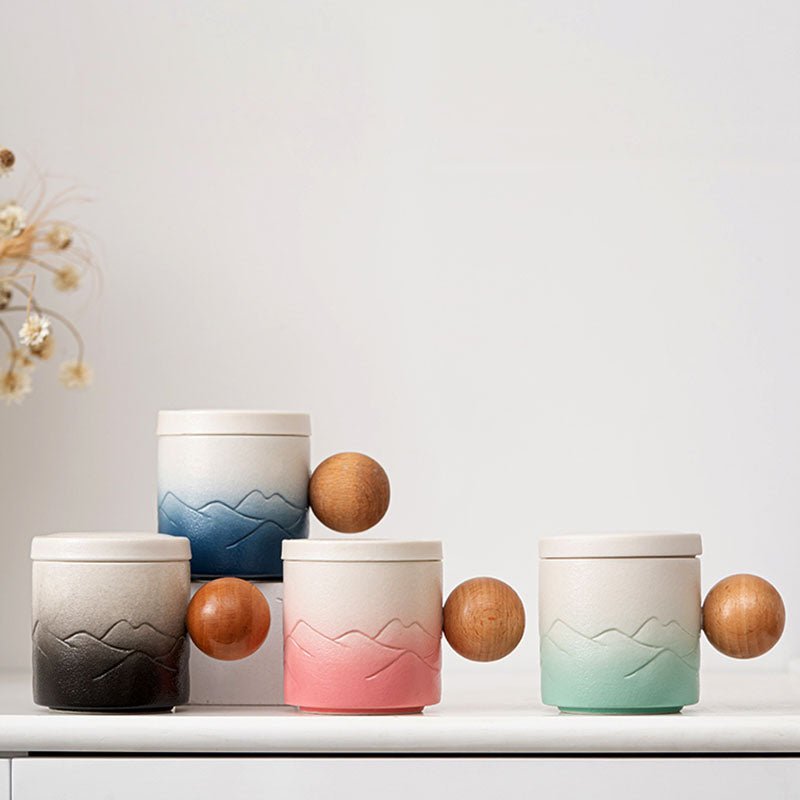
Cacao Cup Compact Kitchen Practical Purchase Checklist: 3 Sizes Compared
Measure your cabinet first, then compare CoffeifyMug's 250 ml Ball Handle, 390 ml Round, and 400 ml Spittoon using verified capacities, one listed diameter, visible openings, and unresolved care de...
Read more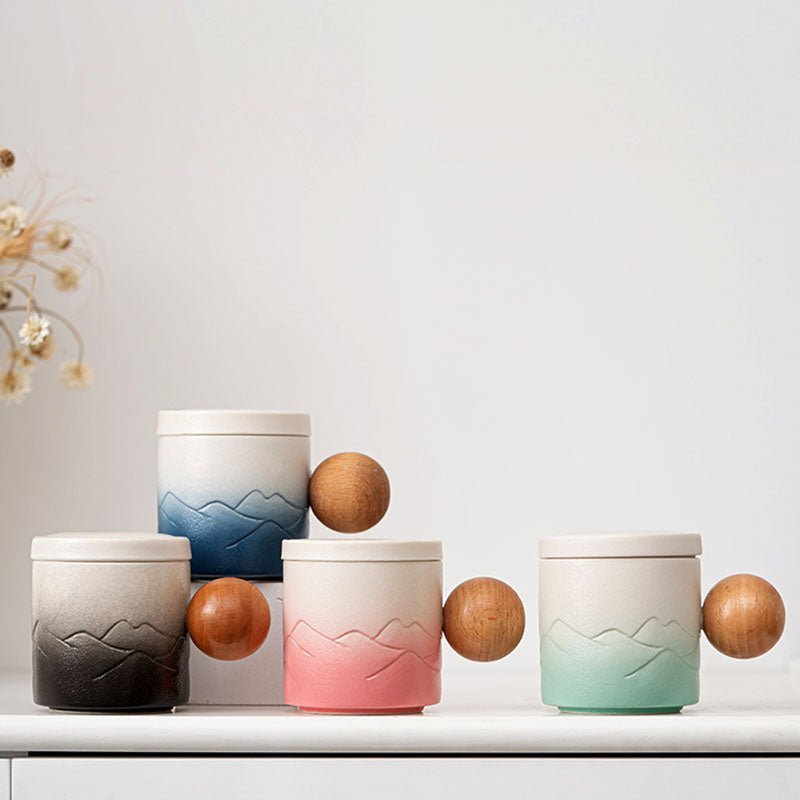
Ceramic Espresso Cup Weekend Coffee Product Shortlist Guide: 170–250 ml
Compare three ceramic weekend-coffee options by measured pour, headspace, visible form, storage, and care requirements. See when to choose or skip the Retro 170 ml, Pleated 200 ml, and Ball Handle ...
Read more
Leave a comment
This site is protected by hCaptcha and the hCaptcha Privacy Policy and Terms of Service apply.