



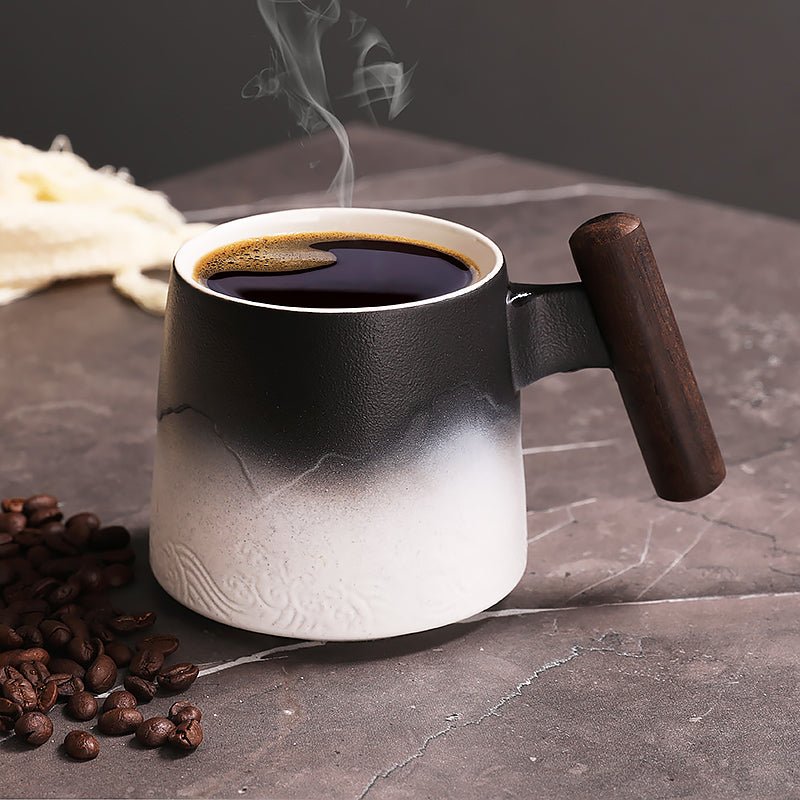
Mountain Mug vs Coffee Mug vs Tea Mug Differences Buyers Need
Reading time: about 10 minutes
A shopper picks up a mountain-scene mug, turns it over, and asks the question we hear almost every week: is this a coffee mug or a tea mug? The box rarely answers. The mountain mug vs coffee mug vs tea mug differences buyers care about show up in the third dishwasher cycle, not the first pour. A handle that pinches your knuckles. A glaze that clouds. A lid gasket that keeps yesterday's coffee. A capacity that was measured to the rim.
We sell these mugs, unpack them, and hear back from people who bought the wrong one. So here is the comparison we walk through with customers, in the order the problems actually appear.
Two different products get called a mountain mug, so which one is on your screen?
Mountain mug is not a regulated category. It covers at least two products that share a noun and almost nothing else: a tabletop mug with a mountain scene glazed or printed on it, and an outdoor camp or climbing mug that may be enamel-coated metal, stainless steel, or titanium. Comparing either one to a coffee mug or a tea mug before you know which you are looking at is how people end up with a display piece they meant to drink from.
Three checks settle it in under a minute:
- Base and handle. A tabletop mug needs a wide, stable foot and a handle with knuckle room. A pack mug needs a narrow profile, a lid, and a handle that works with cold or gloved hands.
- Food-contact status. Decorative ceramics can be ornamental. Look for an explicit food-use claim, or the opposite: a permanent Not for Food Use warning, which we come back to below.
- Care line. Two mugs that look like the same stoneware can carry opposite instructions. One says microwave and dishwasher safe; the next says hand wash only.
If you are shopping the tabletop version, our unique coffee mugs collection puts the mountain designs side by side so you can compare stated capacity and care before you commit. Do not assume a mug is food-safe just because it is shaped like one.
Does an 8 oz cup pour the same drink as a 12 or 16 oz mug?
No, and the confusion starts with the word cup. For lead-testing purposes, the FDA describes cups and mugs as small ceramic hollowware normally holding about 240 mL (8 fl oz) and made with a handle. That is a regulatory description of a category, not a promise that the mug in your cabinet holds eight drinkable ounces.
Retail sizing is looser still. A listing that says 14 ounces may mean filled to the brim, which leaves less usable volume once you add milk or carry the mug across a room. Two mugs can share a number and feel completely different:
- A wide, shallow 14 oz mug spreads the liquid thin, so it cools faster and feels like less.
- A tall, narrow 12 oz mug keeps heat in the column longer and can feel like more.
Check whether the listed ounces are stated capacity or usable fill, then measure against the cup you already reach for. Our Mountain Coffee Tea Mug is named for both drinks, which is exactly why we tell shoppers to confirm the current listed capacity, material, and care instructions on the product page instead of assuming from the name.
Why does the same mug feel right for coffee and wrong for tea?
Because no standards body publishes a required shape, wall thickness, or capacity that separates a tea mug from a coffee mug. Anyone who tells you otherwise is describing a preference. What does change is how the drink behaves in the vessel.
Tea drinkers tend to notice two things first. A wide mouth loses heat quickly on a small pour, so a delicate tea can go lukewarm before the cup is finished. A large mug also changes the ratio of surface area to liquid, which is one reason tea can taste flatter or more bitter from a big mug than from a small cup: the leaf keeps steeping in heat you did not plan for. Coffee drinkers mostly notice the opposite problem, a mug too small for a full brew, or a handle that gets hot because the wall is thin.
Practical translation:
- Small amounts of green or white tea: a smaller, narrower cup holds heat where you want it and lets you finish before the cup fades.
- One large mug of black tea or coffee: capacity and handle comfort beat any tea mug label.
- Both drinks, every day: pick a mid-size mug you can finish, then deal with residue in the next section.
Ceramic, enamel, steel, or titanium: what changes at the sink and on the trail?
In our experience, shoppers pick a material by look and then discover the trade-off at the sink. Here is what we would tell a friend.
| Material | Where it earns its place | What to verify before buying |
|---|---|---|
| Porcelain, ceramic, stoneware | Tabletop feel, weight in the hand, printed or glazed scenes | Food-use claim, microwave and dishwasher instructions, whether the design sits under glaze or on a decal |
| Enamel-coated metal | Light for camp, classic look | Rim chipping, microwave prohibition, whether the maker allows stove or flame use |
| Single-wall steel or titanium | Low weight, packs small, hard to break | Hot exterior with hot drinks, lid fit, and whether the inside is finished or raw |
| Vacuum-insulated stainless steel | Heat retention, lid options, travel | Never microwave, flame warnings, dishwasher limits, whether the lid is leakproof or only splash resistant |
Two trade-offs we flag constantly. A heavy stoneware mountain mug is a poor trail choice: dead weight that can crack in a pack. A thin titanium mug is a poor desk mug if you want a stable base and a handle that does not radiate heat. Metal mugs also draw the most will-it-taste-metallic questions in our inbox, so test with water before you commit a good coffee to one.
The mountain mug vs coffee mug vs tea mug differences buyers notice by day two
Residue. Almost always residue.
Coffee oils cling to glaze, to the threads of a travel mug, and especially to removable lid gaskets. A quick rinse does not lift them. Brew a light tea in that mug and you may taste the last cup of coffee instead. If you drink both and you care about delicate tea, a dedicated mug is the cheapest fix you will ever buy.
If you would rather use one mug, this is the routine that actually works:
- Rinse immediately after coffee, before the oils set.
- Pull the lid gasket out if it is removable, and wash it separately. That part holds odor longest.
- Wash with hot water and dish soap, then air dry upside down with the lid off.
- Skip abrasive scrubbers on printed decals and metallic rims; they dull the surface and give stains somewhere to settle.
For the two-drink question in more depth, the current Mountain Coffee Tea Mug listing is the honest starting point. Read the care section before you decide it is your everything mug.
Is a lead free sticker enough on a glazed mountain mug?
This is where a decorative mug stops being a design decision. The FDA's action level for leachable lead in cups and mugs is 0.5 micrograms per milliliter of leaching solution in any one of six units, and the listed test methods include ASTM C738. The same guidance says ceramicware that leaches lead under the compliance test should not be labeled Lead Free.
So a lead free claim on a hangtag is a starting point, not a finish line. For imported or handmade ware, ask the maker for a food-use statement and which test method they use. Federal rules also treat ornamental ceramicware that looks suitable for food use as food use unless it carries the required permanent Not for Food Use warning or has a hole through the potential food-contact surface, because lead in glazes and decorative decals can leach.
Heat makes this worse, not better. Public-health guidance on lead glazes notes that improperly prepared or fired glazes may leach lead into food, that heat speeds leaching, that microwaving coffee in such ware is risky, and that a dishwasher can damage the glaze. Which is the long version of a short rule:
If a mountain mug is sold as a display piece, treat it as a display piece. Do not pour hot coffee into it because the design looks like a mug.
Dishwasher, microwave, and campfire claims that do not travel together
Three care claims decide most of these purchases, and they are not interchangeable across materials.
- Microwave. Metal is out. Vacuum-insulated mugs are out, because the sealed cavity is not designed for it. Ceramic goes in only if the maker says so, and a decorative or questionably glazed mug is a poor candidate for reheating anything.
- Dishwasher. Heat, detergent, and repeated cycles can dull a glaze or wear a printed surface. Hand wash only is common on handmade pottery and rare on mass-market stoneware, and the difference is the clay, glaze, and decal process, not the mountain design.
- Open flame. Never assume a vacuum-sealed mug can sit on a campfire. Check the maker's flame or stove guidance before you pack it; some camp mugs allow it, many do not.
Stains are the other long-term issue. Tea tannins leave a brown ring; coffee oils leave a darker film. Neither is proof the mug is unsafe, and neither comes out reliably with a rinse. Follow the maker's guidance, and save the care card or screenshot the listing before the first dishwasher cycle. That one habit prevents most of the it-looked-fine-online complaints we hear.
Which mug fits your counter, your gift list, or your pack?
Match the situation, not the label.
- Desk or kitchen, coffee and tea both. Prioritize a handle with knuckle room, a capacity you finish while it is hot, and clear microwave guidance if you reheat. Start with the Mountain Coffee Tea Mug and read the specs, then compare other designs in the unique coffee mugs collection.
- A gift for someone who loves the mountains. Buy a food-use mug, not an ornament. Confirm the food-contact claim and care instructions, and check whether the scene sits under glaze or on a decal. Decals are the part that wears. Our mountain coffee mug gift guide walks through that checklist.
- Hike, camp, or climb. Choose a camp-specific mug with a lid and the maker's flame guidance. A tabletop ceramic mountain mug is the wrong tool, no matter how good it looks in photos.
- Tea only. A smaller, thinner-walled cup usually serves delicate tea better than a wide 16 oz mug. Capacity and heat loss matter more than the word tea on the box.
Before you check out anywhere, confirm six things: stated capacity, material, handle and lid type, microwave symbol, flame warning, and the food-contact or lead claim. If a listing skips them, ask. A pretty mountain scene cannot rescue a handle that pinches or a glaze that should not see the microwave.
Frequently asked questions
What are the mountain mug vs coffee mug vs tea mug differences buyers notice first?
Capacity, handle comfort, material, lid type, and care instructions come first. The trap is the name: mountain mug can mean a mountain-scene tabletop mug or an outdoor camp mug, so confirm which one you are viewing before you compare it to a coffee mug or tea mug.
Is a mountain mug microwave safe?
Not automatically. Metal and vacuum-insulated mugs should stay out, and ceramic mugs are only microwave-safe when the maker says so. A decorative or poorly glazed mug is a bad choice for reheating coffee or tea.
Can I use the same mug for coffee and tea?
Yes, if you clean it properly, including any removable lid gasket. Coffee oils linger in glaze and lids, so a dedicated mug is the practical fix if you drink delicate tea and keep noticing a coffee aroma.
Should I buy a 12 oz or a 16 oz mug?
Match the stated capacity to what you actually finish, and check whether the number is filled-to-rim or a comfortable pour. The FDA's 8 fl oz cup reference describes a category for lead testing; it is not a retail mug standard.
Are handmade mountain mugs always lead free?
No. Ask for a food-use claim and the maker's lead-testing information. The FDA says ceramicware that leaches lead under the compliance test should not be labeled Lead Free, and decorative ware may instead carry a Not for Food Use warning.
More from our blog
Ready to pick your mug? Two ways to save on today's order:
Ordering 1–3 mugs? Get an extra 10% off your 1st order with code 10_OFF Apply 10% Off & Shop Wooden-Handle Mugs →
Gifting 4+ mugs? Buy 3, Get the 4th Free applies automatically at checkout (no code needed; offers do not stack) · Free standard shipping (Nov pre-Christmas delivery: 15–20 calendar days US) · Free replacement if chipped in transit.
Popular mug buying guides: Ceramic Tea Cups & Infuser Mugs · Ceramic Mugs with Lids Compared · Wooden-Handle Tea Infuser Mugs Compared · Christmas & Secret Santa Mugs 2026 · Espresso & Cortado Cups Guide · Cup & Saucer Gift Sets · All 25 Mugs Spec Table · Mug Size Guide · Shipping & Promo FAQ
FIRST ORDER 10% OFF (CODE: 10_OFF) · OR BUY 3, GET THE 4TH FREE


Read more
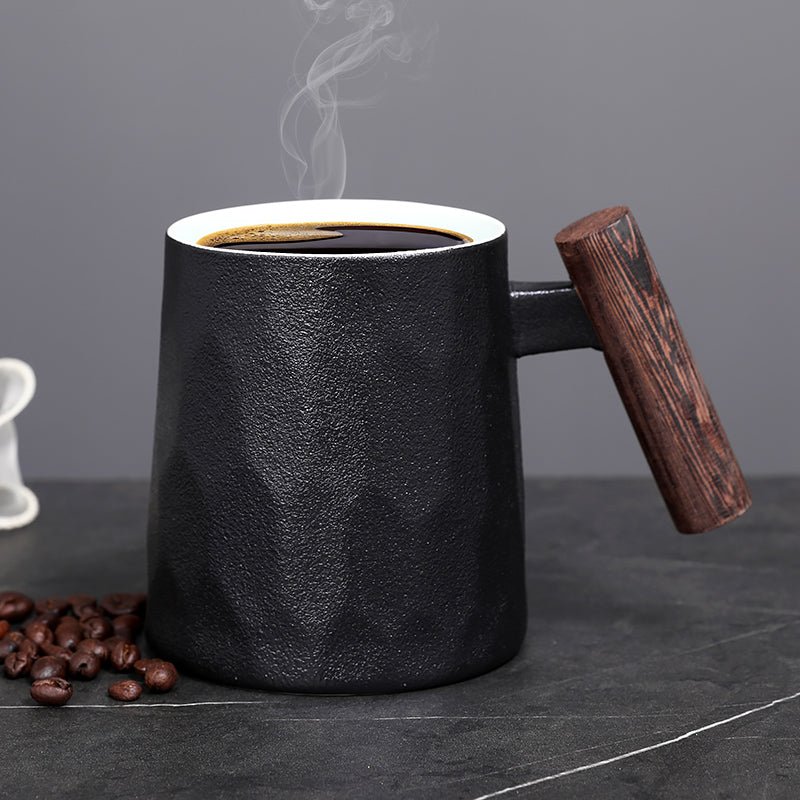
Home Decor Ceramic Mug Gift: Shelf, Sink, and Glaze Checks
A home decor ceramic mug gift has to survive two audiences: the shelf and the sink. Here is how we compare capacity, handle fit, glaze safety, dishwasher claims, and packaging before we recommend a...
Read more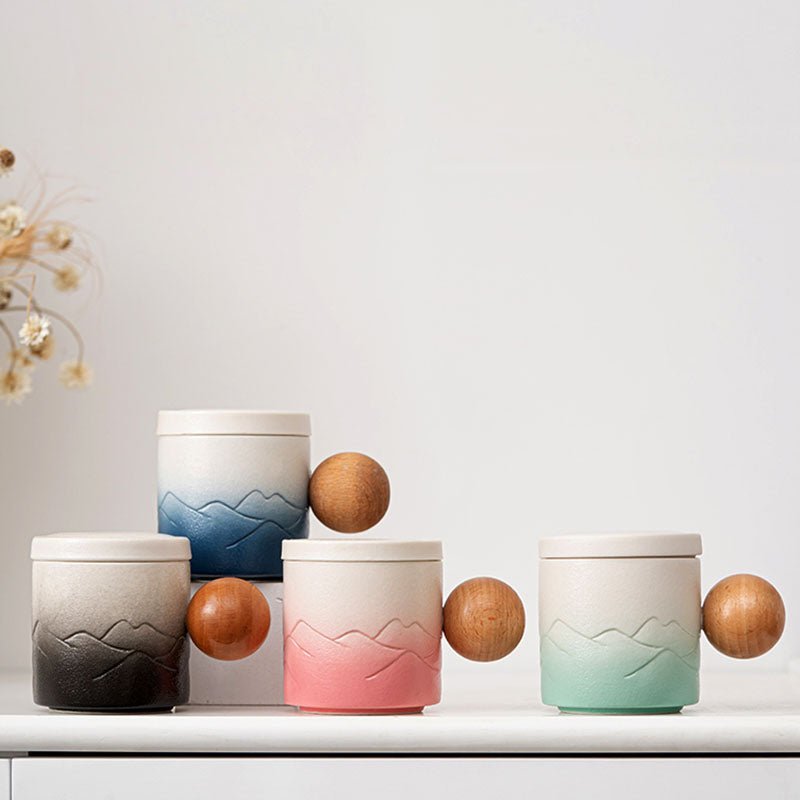
Ball Handled Ceramic Tea Mug Gift: What Buyers Should Compare
A ball handle changes how a mug is picked up, how it balances when full, and how it survives shipping. Here is what to confirm about handle material, comfortable capacity, glaze testing, and applia...
Read more
Leave a comment
This site is protected by hCaptcha and the hCaptcha Privacy Policy and Terms of Service apply.