



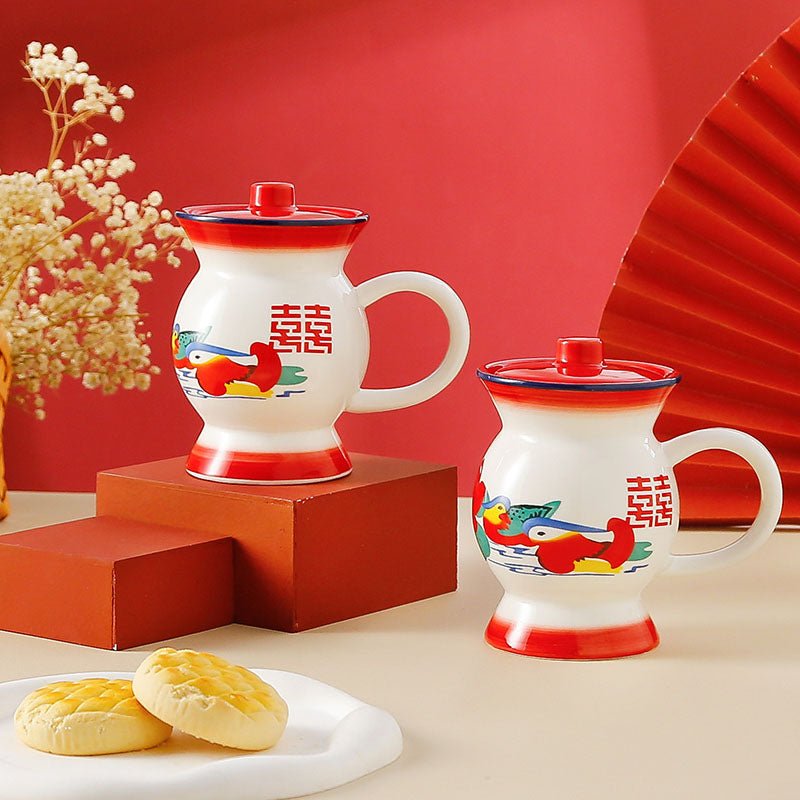
Home Decor Spittoon Mug for Enthusiasts: What Buyers Compare
Reading time: about 9 minutes
“Would I actually leave this out?” That is the question we hear most at the counter when someone picks up a home decor spittoon mug for enthusiasts. The silhouette gets their attention in about two seconds. The next thirty decide whether it goes home.
We sell and pack this category, so we see both endings. Mugs that get displayed, photographed, and used until the glaze goes dull. And mugs that come back because the handle crowded a canister, the base overhung a ledge, or the buyer realized they had signed up to hand-wash a vessel they fill three times a day. None of that shows up in a product photo. All of it is checkable before you order.
Here is the comparison routine we walk shoppers through, in the order it actually matters.
What should a home decor spittoon mug for enthusiasts prove before it leaves the shelf?
Three tests. A mug has to pass all three, and most disappointments trace back to skipping the third.
- It reads as decor at arm's length. Stand three feet back. If the shape only works in a styled product shot, it will feel stranded on your shelf. Good decor mugs hold their own next to a grinder, a stack of books, or a plant.
- It feels balanced when lifted. A wide base can sit rock-steady on a table and still feel clumsy the moment you tilt it toward your mouth. Balance is a hand test, not a spec sheet.
- You accept the care routine without resenting it. Hand-washing a display piece twice a month is easy. Hand-washing your primary coffee mug every morning is a commitment you should make deliberately, not discover on day four.
Open the spittoon coffee tea mug listing and read four lines out loud: body material, capacity, dimensions, and care instructions. If any of those are missing or vague on the page, ask before ordering. That is not fine print — it is the whole decision.
Will the silhouette read as decor in your room, or only as a novelty?
Spittoon-inspired shapes tend to be low, wide, and deliberately bulbous. That is the appeal for collectors. It is also why some shoppers hesitate: a form with a strong historical echo can look like a stage prop in a glossy white kitchen and look completely at home in a den with leather, walnut, and warm lamplight.
Compare the outline against the room, not against the product photo:
- Open kitchen shelf: group it. A wide-base mug set beside a tray or a short stack of bowls looks intentional; the same mug alone on a long empty shelf looks like it wandered in.
- Office desk: position the handle toward your writing hand and make sure the entire base sits on the surface. A base that overhangs the edge is an accident with a five-second fuse.
- Den or bar cart: this is where the conversation-piece angle pays off. Pair it with wood, brass, or a stack of coffee-table books — and keep it out of a sun-blasted window if the finish is decorative.
If you love the idea but not the shape, browse our unique coffee mugs collection before committing. Enthusiasts often end up with one statement piece plus a cleaner everyday mug, and that pairing usually looks better than two statement pieces competing.
Matte glaze, glossy glaze, or metal: which finish survives your room?
Antique spittoons were commonly brass or copper, often with decades of patina. Most modern decor reproductions are glazed ceramic or stoneware. That single difference rewrites the care routine — metal wants polish and hates moisture; glazed clay wants gentle detergent and hates thermal shock.
Four details do most of the work on a listing page:
- Body material. Stoneware feels dense and holds heat; porcelain feels finer and thinner-walled; earthenware sits in between but chips more readily at the rim. Weight in the hand follows directly from this.
- Glaze finish. Matte glazes show coffee staining and scuff marks faster than glossy ones. Hand-painted accents and metallic lusters need the gentlest treatment of all.
- Foot ring. An unglazed foot ring is a shelf-scratcher. A felt pad or a coaster solves it in ten seconds, but check the base before you drag it across painted wood.
- Rim. A thick rim feels sturdy and softens the sip. A thin rim feels more refined and chips more easily when it meets a spoon or a sink edge.
We will not promise a specific glaze, capacity, or dishwasher rating for the linked mug unless the listing states it — treat those as verify-on-page items. If you want the longer explanation of why clay body and finish change how a mug feels, our guide to the best ceramic coffee mug for home decor covers it.
Measure the landing spot before you fall for the shape
Most fit problems we handle are measurement problems, not quality problems. A mug can be exactly the right height and still be wrong because the handle crowds a canister or the base overhangs a narrow shelf. Run this four-step test with a tape, not with your eyes:
- Clear the exact spot and measure width, depth, and height.
- Add the coaster or tray you plan to use. A four-inch coaster turns a “fits” mug into an overhang.
- Check handle clearance from the wall and from neighboring objects. You want to lift straight up without knuckle contact.
- Decide decor-first or drink-first. A display shelf can favor silhouette; a working desk needs a stable base and easy reach.
The single most common mistake we see is a wide-base mug on a shallow floating shelf. It photographs beautifully and feels cramped the moment someone stands next to it. If your spot is tight, a taller, narrower profile may serve you better — our comparison of the best tall mug for home decor enthusiasts covers height and visual weight.
Two fingers through the handle: what a month of daily use exposes
Guests judge a display mug in five seconds. Daily use judges it over weeks — through dishwater, coffee rings, and the way it feels at 7 a.m. before you have decided what kind of day it will be.
Handle and rim checks
- Handle opening: two fingers should pass through comfortably, not one. A tight handle forces you to grip the hot body instead.
- Handle-to-wall clearance: leave at least an inch behind the mug so the handle does not meet the backsplash when you set it down.
- Rim thickness: thick rims are forgiving and can feel clunky; thin rims sip better and demand gentler handling around spoons and sink edges.
- Base width: wide bases are stable but heavy when full. If grip strength is a consideration for you or the recipient, compare empty weight before committing.
Cleaning routine
If the listing says hand-wash only, believe it. High heat and abrasive detergent are unkind to metallic lusters, hand-painted detail, and unglazed clay. Even on a dishwasher-safe mug, skipping the heated dry cycle is the cheapest way to keep a decorative finish looking new — heated dry is the part of the cycle most likely to dull a glaze over a year or two.
For a deep or narrow bowl, a bottle brush reaches the inside curve better than a sponge. Rinse promptly after dark roasts and black tea; both leave tannin rings faster than most people expect, and a matte glaze holds onto them. Skip steel wool entirely, and do not stack a heavy mug directly on the rim of another in the cabinet.
When does the spittoon coffee tea mug fit — and when is another mug the better buy?
A spittoon-shaped mug is a strong choice when the room already has texture and personality. It is a weaker choice when you want a quiet matching set that stacks and disappears into a cabinet. That is a fit issue, not a flaw.
- Good fit: a coffee bar with wood, leather, or vintage signage, where the mug works as a small sculpture between pours.
- Good fit: a gift for someone who already collects unusual mugs and enjoys telling the story behind a piece.
- Poor fit: a household that wants every mug dishwasher-safe, stackable, and interchangeable with no special handling.
- Poor fit: a narrow shelf or cramped desk, where the shape becomes an obstacle instead of a display piece.
| Buyer situation | First detail to verify | Next step |
|---|---|---|
| Small apartment shelf | Base depth and handle clearance | Measure with the coaster in place; consider a taller profile if depth is tight |
| Daily coffee drinker | Rim feel and stated care instructions | Confirm dishwasher guidance on the spittoon mug listing before ordering |
| Gift for a collector | Silhouette, finish, and box contents | Check the recipient's display space; see the wider unique coffee mug collection |
Buying as a gift adds one more step: picture the unboxing. A mug that arrives with protective wrapping and a clear care card is easy to hand over. One that arrives without either puts the burden on the recipient to guess. If the listing does not describe what is in the box, ask — it takes one message and prevents an awkward moment.
Frequently asked questions
Is a home decor spittoon mug for enthusiasts comfortable enough for daily coffee?
It depends on rim thickness, handle clearance, and how the mug balances when full — none of which you can judge from a photo. Compare the listed capacity and dimensions against a mug you already reach for every morning. If the numbers land close, daily use is realistic; if the mug is noticeably wider or heavier, treat it as a display piece.
Where should I display a spittoon-shaped mug?
Put it somewhere the profile is visible from the side, not just from above: an open kitchen shelf, a desk corner, or a bar cart with breathing room. Keep it out of direct sun if the finish is decorative, and leave an inch of clearance behind the handle so you can lift it without touching the wall.
Can the spittoon coffee tea mug go in the dishwasher?
Check the current product listing for the stated care instructions. If the page does not clearly say dishwasher-safe, hand-wash it — that is the safer routine for decorative glazes, metallic accents, and unglazed foot rings.
What is the difference between an antique spittoon and a spittoon mug?
Antiques were typically brass or copper vessels made for a different purpose entirely, and they need metal polish and moisture control. A spittoon mug is a modern decor object, usually glazed clay, built around coffee and tea. If you are comparing the two, compare the care routine first — it is the biggest practical difference.
What should I verify on the product page before I order?
Confirm body material, capacity, dimensions, care instructions, and what is included in the box. Then check base width and handle clearance against the spot you have measured. Those five details prevent nearly every fit problem we see with decorative mugs.
More from our blog
Ready to pick your mug? Two ways to save on today's order:
Ordering 1–3 mugs? Get an extra 10% off your 1st order with code 10_OFF Apply 10% Off & Shop Wooden-Handle Mugs →
Gifting 4+ mugs? Buy 3, Get the 4th Free applies automatically at checkout (no code needed; offers do not stack) · Free standard shipping (Nov pre-Christmas delivery: 15–20 calendar days US) · Free replacement if chipped in transit.
Popular mug buying guides: Ceramic Tea Cups & Infuser Mugs · Ceramic Mugs with Lids Compared · Wooden-Handle Tea Infuser Mugs Compared · Christmas & Secret Santa Mugs 2026 · Espresso & Cortado Cups Guide · Cup & Saucer Gift Sets · All 25 Mugs Spec Table · Mug Size Guide · Shipping & Promo FAQ
FIRST ORDER 10% OFF (CODE: 10_OFF) · OR BUY 3, GET THE 4TH FREE


Read more
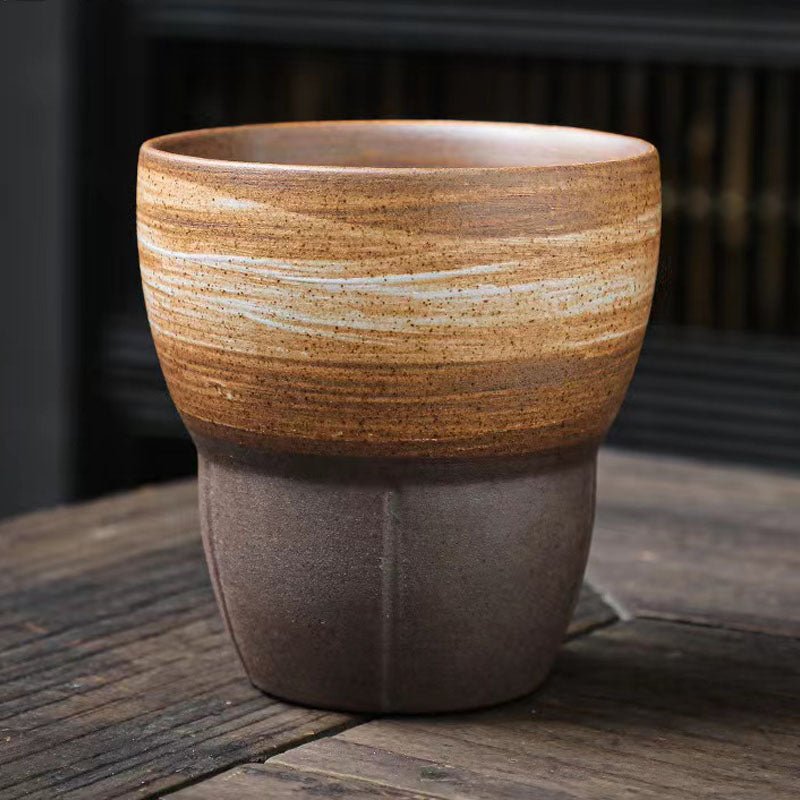
Unique Retro Tea Cup for Coffee: Buyer Comparison Guide
A retro tea cup can look perfect on an open shelf and still disappoint at the coffee station. Compare capacity, handle clearance, rim shape, glaze, foot stability, and care requirements before buying.
Read more
Unique Planet Coffee Mug Gift: What Buyers Should Compare
A unique planet coffee mug gift can be a desk statement piece or a cabinet orphan. We compare finish types, single-planet versus solar-system designs, handle fit, care checks, and the listing detai...
Read more
Leave a comment
This site is protected by hCaptcha and the hCaptcha Privacy Policy and Terms of Service apply.