



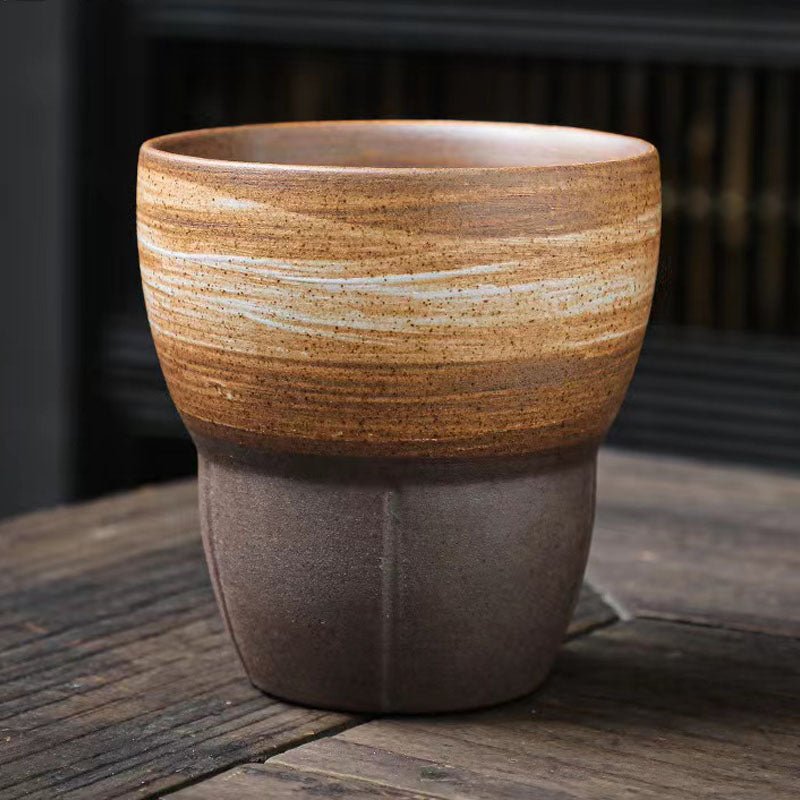
Unique Retro Tea Cup for Coffee: Buyer Comparison Guide
Reading time: about 10 minutes
A cup can look charming in a product photo and feel awkward by the third morning. We have seen the common mismatch: a beautiful retro silhouette, a handle that is too close to the body, and barely enough room for the coffee someone actually drinks. That is why shoppers comparing a unique retro tea cup for coffee should check function before falling for the pattern.
The right choice depends on your routine. A small black coffee enjoyed slowly at the kitchen table calls for a different shape than a large milky coffee carried between an office desk and the sink. In our store, we look at capacity, rim shape, handle clearance, foot stability, surface finish, and care instructions together. A retro cup is worth buying when its decorative details support the way you drink, rather than making everyday use harder.
What changes when a tea cup is used for coffee?
Tea-cup proportions often place more emphasis on an open rim, a lighter visual profile, and a smaller serving size. Those traits can be appealing for coffee, particularly if you like to smell the brew before sipping or prefer a short serving. They can also create practical compromises.
- Rim diameter: A broad opening makes the surface easy to reach with a spoon and lets aroma rise quickly, but it also exposes more coffee to the surrounding air. That may suit a short, tasting-style drink and frustrate someone who slowly nurses one cup through a long meeting.
- Wall thickness: A thin wall usually transfers heat to your fingers more quickly. It can feel elegant but may be uncomfortable immediately after pouring. A thicker body generally feels more substantial in the hand, though the listing should be checked for the actual material and construction.
- Handle clearance: The space between the handle and cup body matters more than its decorative shape. A handle that only accommodates one or two fingers can feel unstable when the cup is full, especially if you lift it while reading or working.
- Foot ring and base: The circular contact area underneath should sit evenly on a flat counter. A narrow or uneven foot can make a tall cup rock, which is an avoidable nuisance beside a laptop or coffee grinder.
None of these points makes a tea-cup profile better or worse than a mug. They help you match the vessel to the drink. If you normally pour a small coffee and enjoy a deliberate pause, the lighter silhouette may be exactly what you want. If you fill a large mug and keep it warm for an hour, a sturdier, wider coffee mug may serve you better.
Which retro details affect daily coffee use?
Retro styling can come from an applied pattern, a raised relief, a colored glaze, a metallic edge, or an intentionally old-fashioned silhouette. Look closely at where those details meet your hand, mouth, countertop, and dishwasher. Decorative decisions often become care decisions.
- Metallic edging: Gold- or silver-look bands should never be assumed to suit a microwave. Abrasive detergent and repeated dishwasher cycles may also affect decorative trim. Confirm the current listing’s care guidance before using an appliance.
- Raised decoration: Relief around the rim or handle adds texture but can feel uncomfortable against the lip. Deep grooves may also retain coffee residue after a quick rinse, so inspect how easy the detailed areas will be to clean.
- Surface pattern: Ask whether the design is part of the glaze or applied over it. The listing may not always explain this, but it is a useful question when comparing a daily cup with a display-oriented piece.
- Glaze condition: On secondhand vintage pieces, chips, rough edges, and extensive crazing deserve caution. A new vintage-inspired cup should have a smooth rim and an intact drinking surface; “aged” should describe the look, not a damaged area you will touch every day.
- Interior color: A light interior makes coffee residue and staining easier to notice. A dark or heavily patterned interior may hide buildup, which means you will need to be more deliberate about inspecting it during washing.
Our practical rule is simple: if a feature is difficult to clean, uncomfortable to hold, or unclear from the product information, treat it as a comparison question rather than an aesthetic bonus.
How should you compare capacity with your real coffee pour?
Listed capacity and usable capacity are not the same. A cup filled to its brim may match a number on paper but leave no room for milk, foam, sugar, or a safe grip while walking from the counter to the table.
Measure your routine before opening several product tabs. It takes less than a minute:
- Fill the cup or mug you currently use to your normal drinking level, not the brim.
- Pour that water into a measuring jug and record the amount.
- Compare your number with the capacity stated on the listing you are considering.
- Allow space below the rim for milk, foam, or movement when carrying the cup.
This check is particularly useful for shoppers searching for a unique retro tea cup for coffee because a delicate tea-cup shape may hold less than a conventional coffee mug. That is not necessarily a drawback. It simply means you may be choosing a shorter serving, a second pour, or a more measured coffee ritual.
If you are buying for someone else, ask what they drink before wrapping the gift. A person who makes a short espresso-style coffee may appreciate a smaller cup, while a large-latte drinker may leave a pretty but undersized vessel in the cupboard.
What should you verify on the current product listing?
Product photos are useful for judging overall style, but they cannot reliably confirm material, capacity, food-contact guidance, or appliance compatibility. Those details need to come from the current listing. If a specification is not stated, do not fill the gap by guessing from the shape or from another cup with a similar name.
For the Retro Coffee Tea Cup, open the current product page and check the details that matter to your routine before ordering. In particular, look for:
- the stated material and whether the listing describes the finish;
- the listed capacity, then compare it with your measured pour;
- the care instructions, including any microwave or dishwasher guidance;
- the handle shape and opening shown in the product images;
- any notes about variations, finish, or the condition of the delivered item.
We avoid treating an attractive photograph as proof of a specification. A cup may appear ceramic, generously sized, or appliance-friendly without the listing confirming those points. Checking the page is the responsible next step, especially if the cup is intended for daily use rather than occasional display.
When is a retro tea cup better than a conventional coffee mug?
A retro tea cup makes sense when the visual character and hands-on ritual are part of the purchase. It can suit a kitchen shelf, a quiet weekend coffee, a guest tray, or a gift for someone who enjoys vintage-inspired home décor. Its open shape may also appeal to drinkers who like to notice aroma and temperature as the coffee cools.
A conventional mug is usually the safer choice for a different set of needs:
- Commuting: An open cup is not a substitute for a sealed travel tumbler. If it will go into a bag or car cup holder, prioritize a purpose-built leak-resistant vessel.
- Large servings: If your normal pour is generous, a tea-cup profile may require a refill. A larger mug will be more convenient, even if it has less decorative appeal.
- Iced coffee: A retro cup without a lid is less practical for carrying iced drinks. Condensation can also leave a wet ring on a desk, so use a coaster and confirm that the vessel suits the drink.
- Rough handling: A squat mug with a broad base may feel more forgiving during a rushed morning than a tall, narrow cup with a small foot.
For shoppers who want to compare this style with other shapes rather than decide from one photograph, the unique coffee mugs collection is the useful next stop. Compare the silhouette, base width, handle opening, and stated capacity side by side. The most attractive option is not always the one that fits your desk, shelf, or washing routine.
How do you check a retro cup for an office, kitchen, or gift?
The setting changes the priorities. On an open kitchen shelf, color and shape may lead the decision. At an office desk, stability and handle clearance matter more because the cup sits near electronics and is often lifted one-handed. For a gift, capacity and care requirements should match the recipient rather than the buyer’s personal taste.
Use this quick scenario check:
- Kitchen counter: Measure the shelf height and check whether the handle or foot makes the cup awkward to store. A beautiful cup that cannot fit the usual shelf will become a cabinet piece.
- Office desk: Look for a stable base, a comfortable handle opening, and a rim that is easy to drink from without leaning over a keyboard.
- Guest tray: Prioritize a cleanable interior and a capacity that works for the coffee you serve most often. Decorative relief is less useful if it traps residue.
- Gift unboxing: Confirm the recipient’s usual drink size and whether they prefer dishwasher convenience or do not mind hand-washing decorative drinkware.
We also recommend inspecting the rim and base when the cup arrives. Run a clean fingertip around the lip to notice roughness, then place the empty cup on a flat surface and gently test for rocking. These simple checks do not replace the seller’s stated policies, but they help you notice a finish or balance problem before the cup becomes part of your daily rotation.
How should you care for a retro coffee tea cup?
Care starts with the listing, not with assumptions. Do not infer microwave, dishwasher, or food-contact suitability from a glossy glaze, a ceramic-looking body, or a vintage appearance. Follow the current product instructions, and hand-wash when the care guidance is unclear or the cup has delicate decoration.
For everyday handling, rinse coffee residue soon after drinking rather than allowing it to dry into relief lines or around the handle joint. Use a soft sponge instead of an abrasive scouring pad, especially on patterned or metallic surfaces. Avoid sudden temperature changes, such as pouring boiling coffee into a cold cup, because thermal shock can stress some drinkware materials.
These steps are general care guidance, not confirmation of the specifications of any particular CoffeifyMug product. For the product linked above, use the current listing as the authority for its material and care requirements.
Frequently asked questions
Is a unique retro tea cup for coffee practical for everyday use?
It can be, if the capacity matches your normal pour and the handle feels secure when full. Check the current listing for material and care instructions, then consider whether the rim, foot, and decorative details suit your cleaning routine. A conventional mug may be better if you need a large serving, a lid, or very simple handling.
What capacity should I choose for coffee in a retro tea cup?
Measure the amount you normally pour into your current cup and compare it with the stated capacity. Leave room below the rim for milk, foam, and carrying. If your usual drink is large, expect that a tea-cup shape may mean a refill unless the listing confirms a larger capacity.
Can I put a retro tea cup in the microwave or dishwasher?
Do not assume that from the appearance alone. Metallic trim, applied decoration, and some finishes may require different care, so check the current product listing before using either appliance. If the instructions are not clear, gentle hand-washing is the more cautious option.
What should I inspect on a retro cup before using it at my desk?
Check that the base sits evenly, the handle gives your fingers enough clearance, and the rim is smooth. A stable foot and comfortable grip matter near a keyboard, where a small wobble or awkward lift can cause a spill. Also confirm that the cup’s stated capacity suits your usual coffee.
Is a retro tea cup a good gift for someone who drinks large lattes?
Only if its listed capacity fits the recipient’s normal serving. Large-latte drinkers may prefer a wider, more generous mug, while someone who enjoys shorter coffees may appreciate the tea-cup profile. If you are still comparing styles, revisit the unique coffee mugs collection and match the gift to the person’s drink size, storage space, and care habits.
Before you buy, write down four answers: your usual pour, where the cup will sit, how much handle clearance you need, and whether you will hand-wash decorative drinkware. Then verify the material, capacity, and care details on the current Retro Coffee Tea Cup listing. That short checklist will tell you far more than a beautiful retro photograph on its own.
Ready to pick your mug? Two ways to save on today's order:
Ordering 1–3 mugs? Get an extra 10% off your 1st order with code 10_OFF Apply 10% Off & Shop Wooden-Handle Mugs →
Gifting 4+ mugs? Buy 3, Get the 4th Free applies automatically at checkout (no code needed; offers do not stack) · Free standard shipping (Nov pre-Christmas delivery: 15–20 calendar days US) · Free replacement if chipped in transit.
Popular mug buying guides: Ceramic Tea Cups & Infuser Mugs · Ceramic Mugs with Lids Compared · Wooden-Handle Tea Infuser Mugs Compared · Christmas & Secret Santa Mugs 2026 · Espresso & Cortado Cups Guide · Cup & Saucer Gift Sets · All 25 Mugs Spec Table · Mug Size Guide · Shipping & Promo FAQ
FIRST ORDER 10% OFF (CODE: 10_OFF) · OR BUY 3, GET THE 4TH FREE


Read more
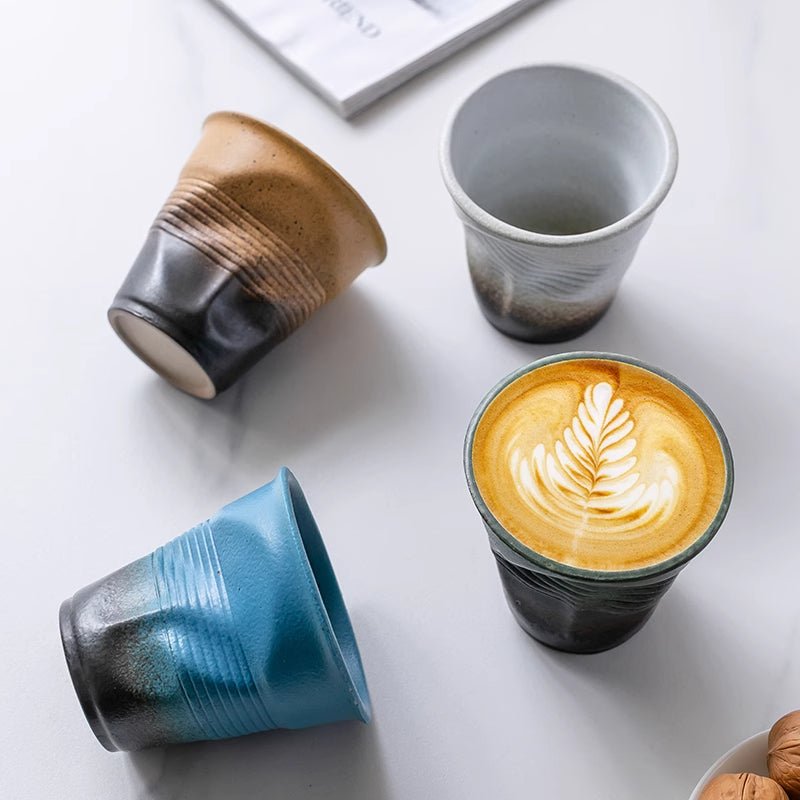
Unique Coffee Mug Gifts for Apartment Kitchens: What to Compare
An apartment gift mug has to earn its counter space before it earns a reaction. We compare handle clearance, care labels, rim and handle-joint durability, and which formats still feel personal in a...
Read more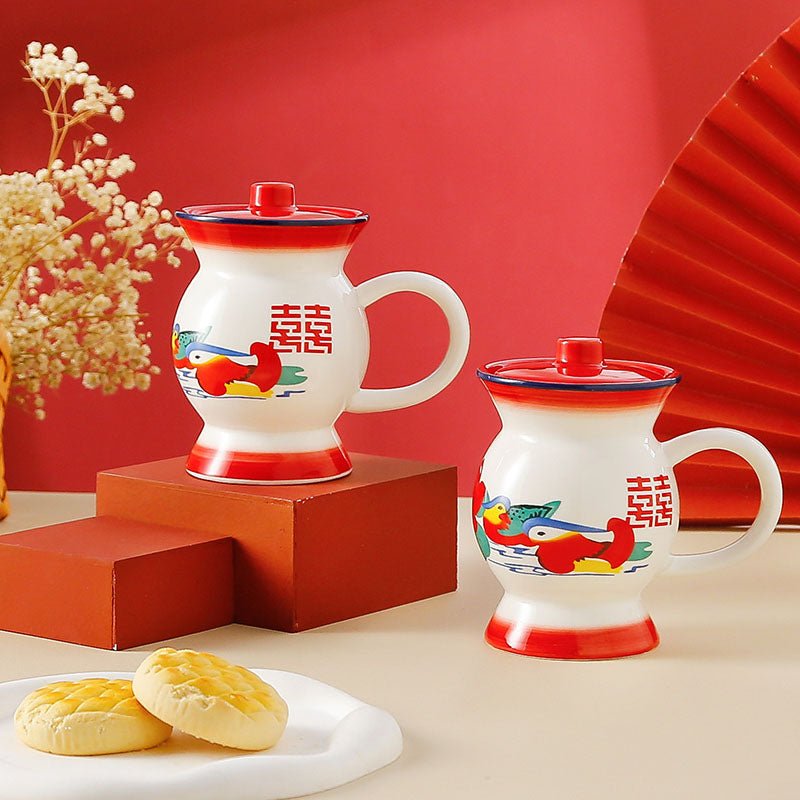
Home Decor Spittoon Mug for Enthusiasts: What Buyers Compare
A spittoon-shaped mug has to earn its shelf space twice: as a conversation piece and as something you actually drink from. Here are the comparisons that separate a keeper from a return.
Read more
Leave a comment
This site is protected by hCaptcha and the hCaptcha Privacy Policy and Terms of Service apply.