
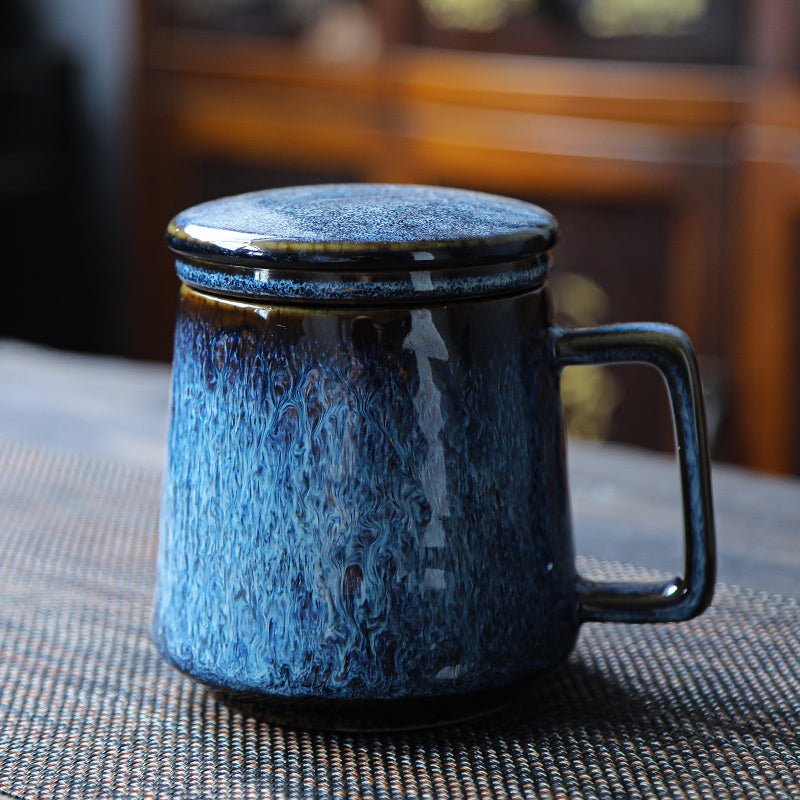
Heavy Ceramic Coffee Mugs Home Office Practical Purchase Checklist
Reading time: about 10 minutes
A mug can feel reassuringly solid during a quick refill at the kitchen counter and still become awkward halfway through a video meeting. Once it is full, the handle may pull at your fingers, the body may crowd your mouse space, and the rim may be less comfortable than the product photo suggested. Our heavy ceramic coffee mugs home office practical purchase checklist starts with those routine moments because heavy is not a standardized size, capacity, or performance rating.
At CoffeifyMug, we handle and compare sculptural ceramic mugs as objects that have to work through real desk routines, not just look good on a shelf. We separate current product-page facts from general buying guidance: a listing can confirm its stated material, measurements, capacity, and care instructions, while your desk setup determines whether those facts suit you. A substantial mug may feel grounded, but weight by itself does not prove a broad base, resistance to tipping, longer heat retention, or dishwasher safety.
Heavy ceramic coffee mugs home office practical purchase checklist: filled weight
Start with the weight you actually lift: mug plus drink. Twelve US fluid ounces of water weighs about 355 grams, or 12.5 ounces; 16 fluid ounces weighs about 473 grams, or 16.7 ounces. Coffee and tea are close enough to those figures for a practical estimate. Add that amount to the listed empty weight if the page provides one. If empty weight is not listed, leave it as an unknown rather than guessing from a photo.
- One-hand use: Can you lift and set down a comparable filled mug while your other hand stays on the mouse or keyboard?
- Meeting duration: Does the grip remain comfortable through the time you usually spend on a call, rather than only for the first sip?
- Refill pattern: If you make smaller drinks at each break, a very large vessel may add ceramic weight without giving you useful capacity.
In our experience, buyers notice total weight most at the handle, where the load sits away from the hand. A heavy mug can be satisfying for a settled desk routine yet tiring for someone with limited grip or wrist strength. That trade-off matters more than the word heavy in a product title.
Desk footprint: will the body, handle, and coaster fit your work zone?
Overall width is not always the body diameter. The handle can be the widest point, while the foot ring may be much narrower than the outer wall. Check the current listing for overall height, widest body measurement, base or foot-ring diameter, and handle projection when those details are provided. Height also matters if the mug sits under a monitor shelf or has to fit beneath a kitchen coffee maker between meetings.
- Measure the clear landing area beside your keyboard with your notebook open and your mouse in its normal position.
- Include the coaster or desk mat in that footprint; the mug is not the only object taking up space.
- Turn an existing mug so its handle points the way you naturally grip it, then measure the full width in that orientation.
- Check charging leads, microphone arms, and drawer clearance before accepting a taller or wider shape.
Our desk rule is simple: assess a mug in its working position, not in an empty staged corner. Weight is not a spill claim. Base geometry, contact area, surface texture, fill level, and the desk surface all affect how a mug behaves. If you can inspect one in person, place it on a known-flat counter and press lightly at four points around the rim; rocking can reveal an uneven foot ring. Online, use underside and side-view photos if available, and do not infer stability from weight alone.
Meeting comfort: handle clearance, rim shape, and balance
A handle's outer size can be misleading. What your hand feels is the internal opening, the clearance between your knuckles and the mug body, the thickness of the handle, and the balance once the mug is filled. A small loop may suit a one- or two-finger grip but concentrate more load. A larger loop may admit three or four fingers but occupy more desk space.
Look closely at where the handle joins the body and where your thumb is likely to rest. The rim deserves the same attention: a rounded, even drinking edge feels different from a thick or sharply defined lip, and a wide opening changes how the mug approaches the face. Product photos can show proportions, but they cannot tell you exactly how your grip will feel. If hand comfort is a must-have and handle dimensions are absent, that uncertainty should count against the purchase. We also inspect new ceramic pieces for hairline cracks, chips, and irregular edges around these high-contact areas before first use.
Capacity and temperature: do not use weight as a shortcut
A heavy exterior does not automatically mean a large drink. Thick walls and a substantial base can increase outside dimensions while leaving less interior volume than a shopper expects. Compare the stated capacity with the mug's measurements, and consider whether you normally fill close to the rim or leave working room for milk and the walk from the kitchen. For iced coffee, remember that ice occupies part of the stated volume, so usable beverage capacity will be lower.
Temperature performance is also more complicated than heavy equals hotter for longer. More ceramic mass can absorb more heat when a hot drink is poured, but wall thickness, opening width, starting mug temperature, beverage volume, room airflow, and any lid all affect cooling. Unless a product page provides a specific tested claim, we would not promise a cooling time from weight alone.
Match capacity to the rhythm of your day. A smaller coffee that you finish between calls may make more sense than an oversized mug that sits untouched. A larger tea may suit a longer work block, but check whether the opening fits your infuser and whether the listed care instructions match how you reheat or clean it.
Which CoffeifyMug shape matches the way your desk is set up?
This is where general guidance stops and the live product listing takes over. The Rock, The Spittoon, and The Flow offer different visual directions in our store. We can connect those designs to a shopper's style preference, but current material, dimensions, capacity, weight, and care details must be verified on each linked page before purchase.
| Reader situation | Why this path fits | Relevant next step |
|---|---|---|
| You want a bold, boulder-like form that will be a visible object on the desk. | The Rock is the visual starting point. Check its current footprint, handle proportions, capacity, and care against your limits. | Review The Rock Coffee Tea Mug photos and listed details. |
| You prefer an unusual silhouette for your own workspace or a memorable gift. | The Spittoon is the more unconventional comparison. Use the live images to assess the opening, handle, base, and overall scale. | See how the Spittoon Coffee Tea Mug is presented. |
| You favor a sleeker, flowing profile over a rock-like shape. | The Flow is the logical design comparison. Verify that its current measurements and care notes fit your desk and routine. | Compare The Flow Coffee Tea Mug details. |
| You have not settled on a silhouette or are buying for someone else's office. | A collection view makes visual differences easier to compare before you open individual listings. | Browse CoffeifyMug's current unique mug selection. |
Do not fill a missing specification with an assumption. If a page does not state empty weight, handle clearance, dishwasher compatibility, or microwave compatibility, that detail remains unknown. Decide whether it is optional or a buying requirement before placing the order.
Care and unboxing: inspect the rim, handle joints, glaze, and foot ring
Before the first coffee, inspect a ceramic mug in bright light. Look around the rim, both handle attachments, the inside base, and the foot ring. Fine glaze lines can be intentional decoration or crazing, so compare them with the product description and photos rather than diagnosing them from appearance alone. A chip, unexpected crack, or rough point on the drinking edge should be addressed before use.
- Flatness: Set the empty mug on a flat kitchen counter and check for rocking before it reaches the desk.
- Desk contact: Pass a soft cloth over the foot ring. If it catches on a rough area, use a coaster and avoid sliding the mug over a finished surface.
- Dishwasher loading: If the live product page says dishwasher-safe, leave enough clearance that the mug cannot knock against plates or another mug during the cycle.
- Microwave use: Only assume microwave compatibility when the current care information states it. Ceramic bodies, glazes, and decorations vary.
- Temperature changes: Avoid moving ceramic directly from very cold conditions to very hot liquid unless the maker's instructions explicitly allow it.
There is no universal top-rack rule that overrides a product's own care directions. In our store, we would rather tell a shopper that a detail is not listed than turn a general habit into a product promise. The same restraint applies to stain resistance, scratch resistance, and long-term glaze appearance.
Who is better served by a lighter or lidded mug?
A heavy ceramic mug is not the right default for every home office. Choose a lighter or smaller mug if your hand tires easily, you frequently hold your drink throughout long calls, or the only clear desk space is a narrow strip beside the keyboard. A compact porcelain or lighter ceramic form can reduce total lifting effort and free more room, though its exact temperature behavior still depends on construction.
If your real priority is a lid, travel use, or spill-resistant construction, shop a purpose-built vessel with those features instead of treating ceramic weight as protection. Heavy describes mass, not portability or spill control. A shopper who depends on dishwasher or microwave use should also skip any mug whose current page does not confirm the required care method. For gifts, consider the recipient's drink size, grip strength, desk space, and cleaning routine before choosing the most substantial-looking design.
A five-minute comparison before you buy
The purpose of this heavy ceramic coffee mugs home office practical purchase checklist is to turn a visual preference into a defensible purchase. Write down the answers so an appealing shape does not override a practical deal-breaker.
- Record the drink volume you usually finish during one meeting or work block.
- Measure the maximum body, handle, and coaster footprint your desk can accept.
- Estimate filled weight by adding beverage weight to the listed empty weight, if available.
- Confirm the current material, dimensions, capacity, and care statements on the product page.
- Study any side, top, and underside images for handle clearance, rim proportion, base geometry, and foot-ring finish.
- Reject the option if a missing fact affects hand comfort, desk fit, or a required cleaning method.
A mug that clears all six checks has earned its place on the shortlist. One that fails a must-have condition has not, even if the shape is appealing.
Frequently asked questions
What should I check before buying a heavy ceramic mug for a home office?
Use the heavy ceramic coffee mugs home office practical purchase checklist to compare filled weight, the full footprint including handle and coaster, grip comfort, usable capacity, and stated care. Weight alone does not establish stability or heat retention. Treat any unlisted must-have specification as unknown.
How can I estimate how heavy a ceramic mug will feel when full?
Add the listed empty mug weight to the approximate beverage weight. Twelve US fluid ounces of coffee or tea adds roughly 355 grams, while 16 fluid ounces adds roughly 473 grams. If the empty weight is not published, test a similarly sized mug at home or ask for the missing detail rather than guessing.
Does a heavier ceramic mug keep coffee hot longer?
Not necessarily. Ceramic mass can influence heat absorption and retention, but wall thickness, opening width, starting temperature, drink volume, room airflow, and a lid also affect cooling. Use a specific tested statement only if the product page provides one.
Can heavy ceramic coffee mugs go in the dishwasher or microwave?
Follow the care instructions on the current product page or packaging. Weight does not determine dishwasher or microwave compatibility, and different clay bodies, glazes, and decorations can require different care. If compatibility is not stated, do not assume it.
Which CoffeifyMug mug should I compare first for a home-office desk?
Start with the visual direction that fits your space: The Rock for a bold boulder-like form, The Spittoon for an unusual silhouette, or The Flow for a sleeker profile. Then verify the live measurements, capacity, weight, and care information before deciding. For a gift or an undecided style, compare the collection first.
Write down your preferred drink volume, maximum desk footprint, grip needs, and non-negotiable care method. Then compare the current CoffeifyMug lineup side by side, open only the shapes that fit your routine, and remove any option whose listed facts do not answer your must-have questions.
More from our blog
Read more
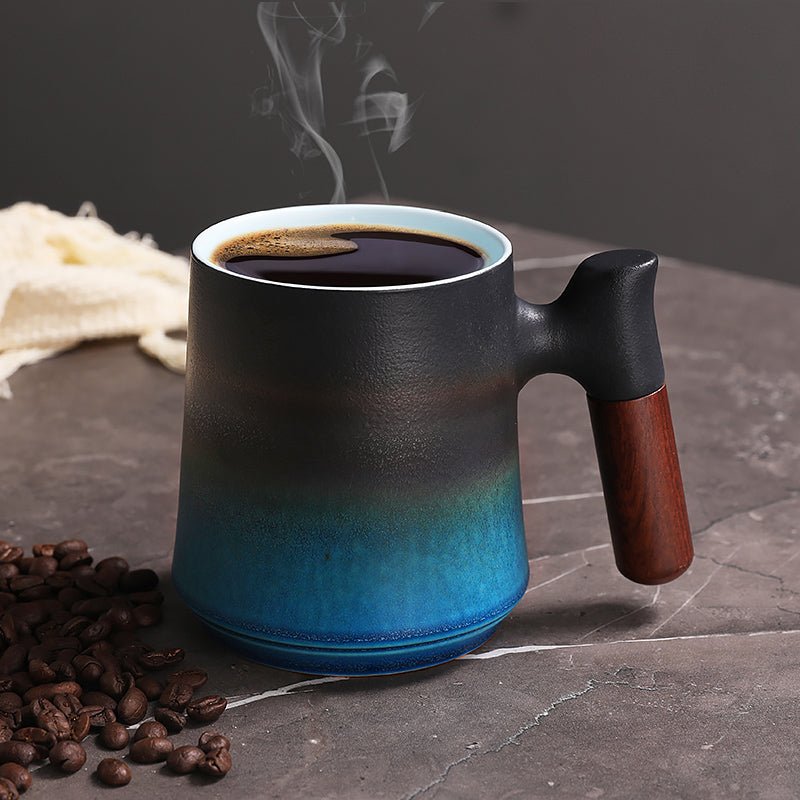
Black Tea Mug Home Office Practical Purchase Checklist: 6 Desk Checks
Compare the Round 390 ml, Gradient 400 ml, and The Flow 400 ml against your actual tea serving, handle preference, desk space, care needs, and meeting routine. This checklist also identifies the ma...
Read more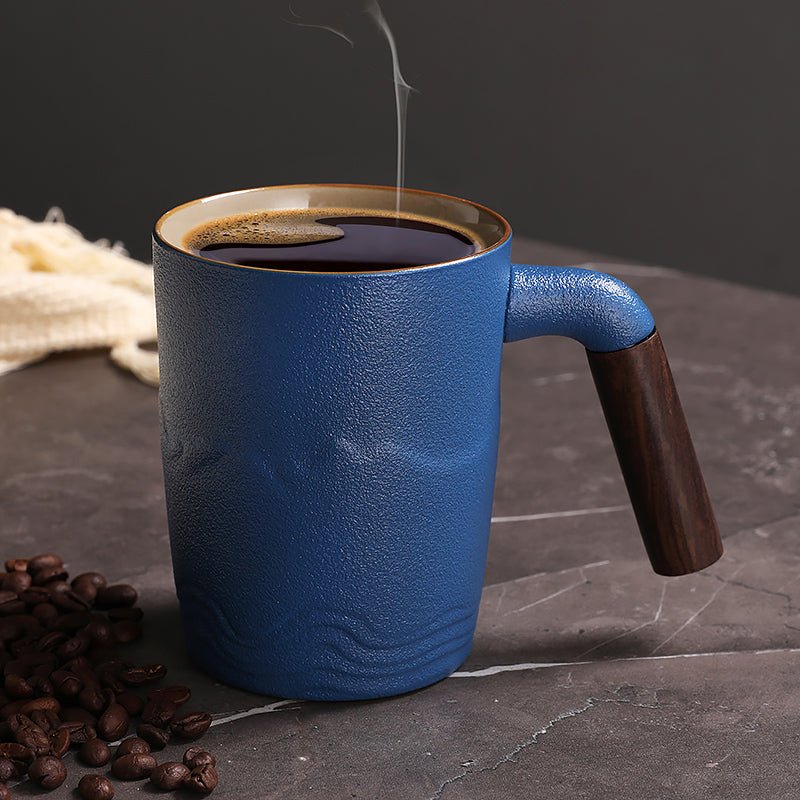
Ceramic vs Porcelain Coffee Mugs: Practical Compact Kitchen Checklist
Measure shelf height, depth, handle clearance, base footprint, and care limits before choosing a material. This checklist separates general material trade-offs from facts shown on CoffeifyMug's cer...
Read more
Leave a comment
This site is protected by hCaptcha and the hCaptcha Privacy Policy and Terms of Service apply.