

Ceramic vs Porcelain Coffee Mugs: Home Office Purchase Checklist
Reading time: about 10 minutes
A mug can seem fine at breakfast and become irritating halfway through a 10:30 video meeting: the handle presses against a notebook, the base barely fits the coaster, or the listing never confirms the care method your household uses. Our ceramic vs porcelain coffee mugs home office practical purchase checklist starts with those repeated desk moments. In our store, we make better recommendations by separating verified listing details from assumptions attached to the words ceramic and porcelain.
Porcelain belongs to the ceramic family. In retail comparisons, ceramic often serves as shorthand for non-porcelain bodies such as stoneware or earthenware. Those labels suggest broad material tendencies, but they do not prove a specific mug's weight, capacity, rim thickness, appliance care, or resistance to chipping. The finished shape, glaze, decoration, and firing also matter.
Your ceramic vs porcelain coffee mugs home office practical purchase checklist
Open the live product page while running this checklist. If a measurement, material, or care instruction is absent, treat it as unknown rather than filling the gap from a styled photograph.
| Desk question | General category guidance | Listing evidence to require |
|---|---|---|
| Will the mug fit beside my keyboard? | Material does not determine the finished footprint. | Check height, widest body diameter, base diameter, and total width including the handle. |
| How will it feel to lift? | Porcelain is often made with a finer profile, while stoneware commonly feels more substantial. Either pattern can have exceptions. | Use the listed empty weight, wall profile, capacity, and handle opening rather than judging from a hand-held photo. |
| What will the rim feel like? | Porcelain often supports a fine lip; stoneware is frequently formed with a thicker or more rounded rim. | Inspect close rim photos and any stated dimensions. Material alone does not confirm rim thickness. |
| Will my usual drink fit? | Capacity cannot be inferred from ceramic or porcelain construction. | Look for milliliters or fluid ounces and ask whether the figure is brim-full or a comfortable fill if serving size is critical. |
| Can I use my normal cleaning routine? | The clay body is only one part of the finished mug. Glaze and decoration can affect care. | Require separate, explicit guidance for dishwasher and microwave use. |
- Name the normal serving. Record how much coffee or tea you actually pour. For iced coffee, allow for the volume occupied by ice instead of matching the drink recipe directly to the mug's stated maximum capacity.
- Measure the landing area. Check the open space between your keyboard, notebook, monitor stand, and coaster. Use the coaster's flat usable area, not just its edge-to-edge diameter.
- Check handle clearance. Total width includes the handle. If photos permit, consider whether the opening supports your preferred one-, two-, or three-finger grip without pressing against the mug body.
- Inspect the rim, base, and foot ring. A broad body can still have a narrow base, and a decorative silhouette may use more desk space than its base measurement suggests.
- Read finish and care details together. Matte, glossy, painted, crackle-style, reactive, or metallic-looking decoration may have different care needs. Follow only the instructions stated for the finished piece.
- Verify quantity and packaging. A photo showing several objects does not establish that the mug is sold as a set. For a gift, confirm unit count and any packaging description before ordering.
Porcelain fineness or stoneware heft: which suits long desk sessions?
General category guidance: Porcelain is generally made from a refined, kaolin-rich clay body and fired toward high vitrification, which is why many porcelain cups have a smooth, fine profile. Stoneware is commonly opaque and somewhat thicker. These are tendencies, not performance guarantees: a large, thick porcelain mug can outweigh a small stoneware cup, and both materials can chip if the rim or handle takes an impact.
Temperature behavior also depends on body mass, wall thickness, opening width, and beverage volume. Do not choose one material solely because it is said to keep coffee hot longer unless the specific listing makes a clear claim you can evaluate.
- Consider verified porcelain if a fine rim and refined profile are priorities and the listing confirms the dimensions and material.
- Consider verified stoneware or another non-porcelain ceramic if you prefer a more substantial body or pronounced glaze character.
- Let specifications overrule the label if care, capacity, desk footprint, or handle fit is non-negotiable.
Round, pleated, or landscape: which listing should you open first?
The recommendations below use only the style cues established by the linked product titles. We are not assigning an unlisted material, capacity, weight, care rating, or performance feature to any product.
A rounded shape for a simple visual starting point
Reader situation: A rounded silhouette is your main style preference, and the mug needs to work with your regular coffee or tea break. Why this page fits the comparison: the Round Coffee Tea Mug title identifies that round coffee-and-tea format. Next step: use the current page to verify body material, capacity, total width, handle opening, and care before deciding it suits your desk.
Pleated styling for a design-led desk or gift
Reader situation: Visible surface detail matters because the cup stays beside your laptop, appears during meetings, or is being considered as a gift. Why this page fits the comparison: the Pleated Coffee Tea Cup title makes pleating its defining cue. Next step: inspect the live photos to determine how that detail is executed, then check dimensions, material, capacity, and cleaning guidance. If the pleating is raised and you want the quickest possible wipe-down, a smoother style may be a better fit.
A landscape theme for a more decorative break routine
Reader situation: You want visible artwork or a scenic theme to make a coffee or tea break feel separate from screen time. Why this page fits the comparison: the Landscape Coffee Tea Mug title centers the choice on a landscape design. Next step: confirm decoration details, material, capacity, dimensions, and care on the current page. Someone who wants a neutral object in the background of client calls may prefer a less decorative mug.
If none of those style directions passes your practical checks, compare the wider unique coffee mugs collection. It is better to change the design choice than to accept an unknown dimension or care requirement that affects every workday.
Capacity, handle clearance, and base size: what should break a tie?
Material cannot rescue a mug that does not fit your routine. Before choosing between two designs, measure the desk area and note any vertical clearance under a monitor shelf or cabinet. Then use the variable most likely to interrupt your day as the first elimination test.
- Care comes first in dishwasher-dependent households. Remove any option that does not explicitly support the cleaning method you plan to use.
- Total width comes first on a crowded desk. Body diameter alone leaves out the handle and any projecting decoration.
- Capacity comes first for a fixed drink recipe. Tea with room for milk, a smaller coffee serving, and iced coffee can require different usable volumes.
- Grip comes first during long meetings. Compare the handle opening, empty weight if listed, and the amount of liquid you normally add.
- Finish comes last. Choose round, pleated, landscape, matte, glossy, or decorative styling after the practical requirements pass.
If two mugs still appear equal, prefer the listing with clearer material, measurement, and care information. Fewer unknowns usually make for a more confident home-office purchase.
Dishwasher cycles and first-wash checks: what can the listing prove?
When our team assesses a mug at unboxing, we first place it empty on a dry, level counter. That simple step reveals practical issues that can be difficult to see in lifestyle photography. We then compare the item with the live listing before washing it according to the stated instructions.
- Rim and lip: Look for chips, exposed clay body, interrupted glaze, or a visibly sharp point. Avoid touching an area that already appears sharp.
- Handle joins: Inspect both the upper and lower attachment points for a hairline crack, separation, or an uneven gap.
- Glaze surface: Pinholes are tiny pits, crawling is an area where glaze has pulled away, and crazing appears as a network of fine lines. Some crackle-style finishes are intentional, so compare the surface with the listing rather than treating every fine line as the same issue.
- Base and foot ring: Press gently near opposite sides while the empty mug rests on the counter. A coaster can protect a delicate desk from a rough unglazed ring, but it does not correct a mug that rocks on a level surface.
- First wash: Follow the listed or packaged method. Dishwasher and microwave suitability should be confirmed separately; the word ceramic or porcelain does not establish either one.
Our rule is straightforward: the material name never overrides the care instructions for the finished mug. Body, glaze, decoration, and firing all contribute to how the completed piece should be handled.
If a new mug has a sharp chip, structural crack, separated handle join, or unstable base, pause use and contact the store under its current damage or return policy.
Who should reject a mug even if the design is right?
A mug can be attractive and still be wrong for a particular buyer. These are practical mismatch signals, not judgments about overall product quality.
- A shopper who requires confirmed microwave or dishwasher use should not buy from a page that leaves those details unknown.
- A tightly arranged desk is not a good match for a mug whose total external width cannot be confirmed.
- A raised pleated surface may not suit someone who wants a completely smooth exterior and minimal cleaning around texture.
- A landscape-led design may be too decorative for someone who prefers a neutral background during client meetings.
- Anyone needing stackability, matched sets, or specific gift packaging should choose a listing that explicitly confirms those features.
- A buyer seeking an exceptionally thin or lightweight cup should verify dimensions and weight rather than assuming every porcelain mug will feel light.
Porcelain is not automatically the better premium choice, and a non-porcelain ceramic mug is not automatically tougher. For daily desk use, a simpler mug with clear measurements and care instructions can be the better purchase.
Frequently asked questions
Is porcelain better than ceramic for a home-office coffee mug?
No material wins every desk routine. Porcelain often has a fine, smooth profile, while stoneware commonly feels thicker and more substantial, but the finished size, weight, rim, handle, and care requirements matter more than the category label alone. Compare the specific listing rather than relying on a general material reputation.
What belongs in a ceramic vs porcelain coffee mugs home office practical purchase checklist?
Include the stated body material, capacity, height, widest body and base diameters, total width with the handle, handle opening, rim profile, foot-ring finish, dishwasher guidance, microwave guidance, unit count, and packaging details. Mark any missing requirement as unknown and ask about it before ordering.
Can ceramic and porcelain mugs go in the microwave or dishwasher?
Some can, but neither material label provides a universal answer. Glaze, decoration, metallic details, and construction can change care requirements. Use the explicit instructions on the live product page or packaging.
What should I do if a mug's capacity or dimensions are missing?
Do not estimate scale from hands, props, or camera perspective in lifestyle images. Ask the store for the missing measurement if it affects your drink recipe or desk setup. If it cannot be confirmed, choose a listing with clearer specifications.
How do I compare the Round, Pleated, and Landscape mug pages?
Start with the visual cue you prefer: rounded form, pleated styling, or a landscape theme. Then make that page pass the same material, capacity, dimension, grip, and care checks. If a required detail remains unknown, compare another mug instead of assuming it will work.
Your 60-second cart check
- Confirm that the body material is explicitly named.
- Record capacity and every dimension affecting your desk.
- Check the handle opening, rim profile, base, and foot ring.
- Require care instructions that match your kitchen routine.
- Choose the design only after the first four checks pass.
Open the unique coffee mugs collection in one tab and keep your desk measurements in another. Eliminate any listing with an unknown that matters to you, then choose the mug you will be comfortable using through meetings, focused work, and coffee breaks.
More from our blog
Read more
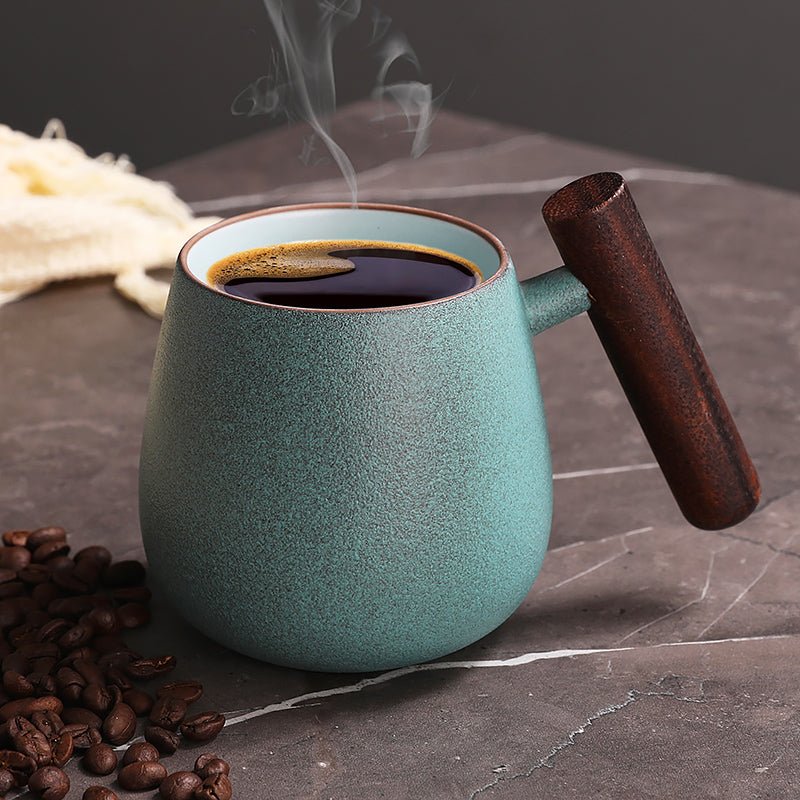
Matcha Latte Mug Morning Routine Practical Purchase Checklist
Compare CoffeifyMug's listed 250, 390, and 400 ml mugs around the way mornings actually run: recipe volume, available time, refill tolerance, opening shape, and care details that still need verific...
Read more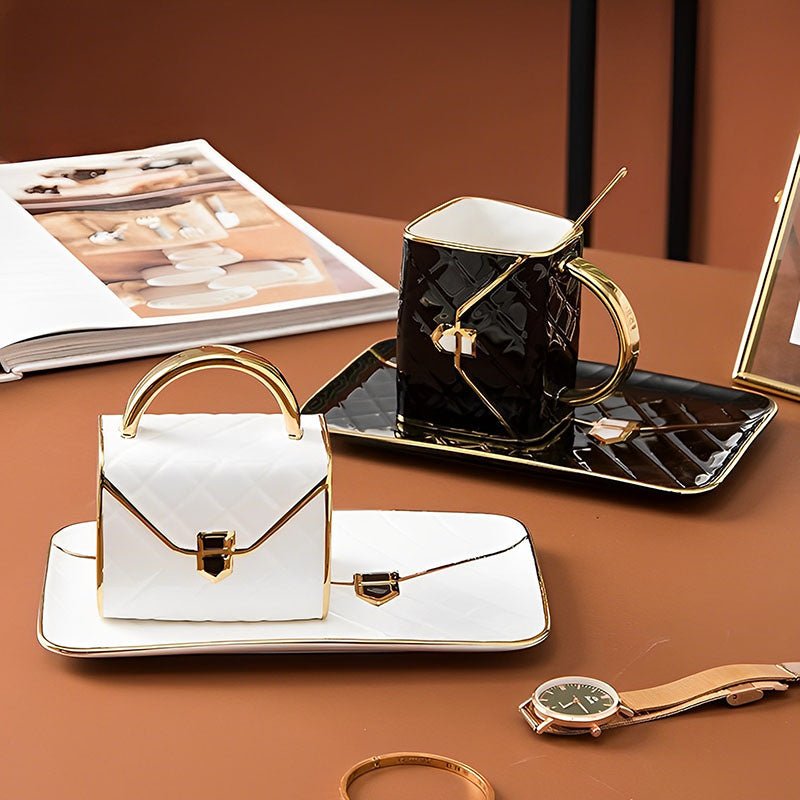
Unique Coffee Mugs for Gifts: Morning Routine Purchase Checklist
Use the recipient’s actual morning—not the product photo alone—to judge a gift mug. This checklist covers pour volume, refill tolerance, brewer and desk fit, care habits, motif matching, and pre-gi...
Read more
Leave a comment
This site is protected by hCaptcha and the hCaptcha Privacy Policy and Terms of Service apply.