
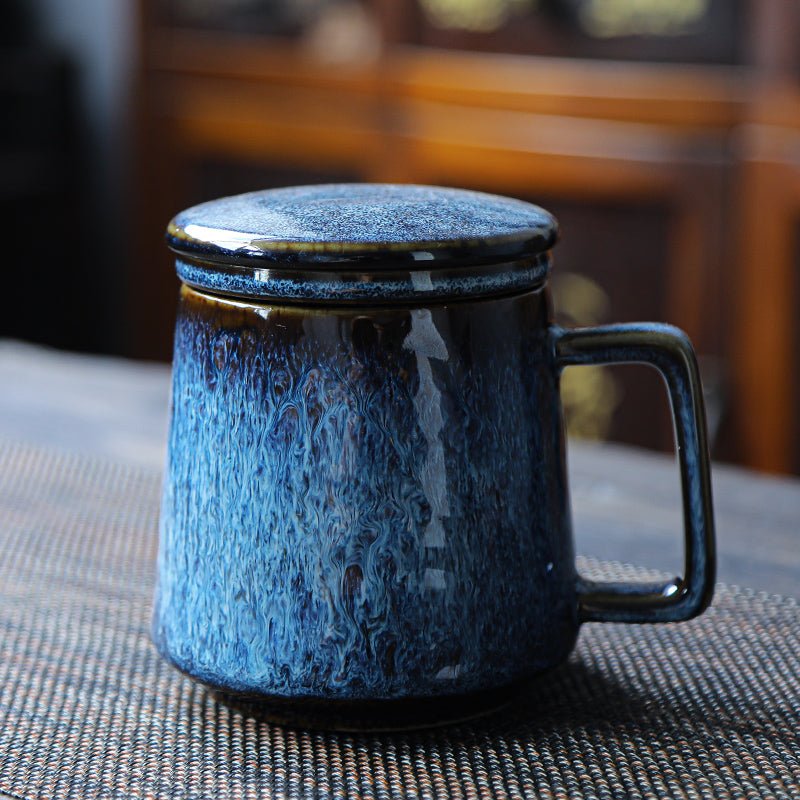
Heavy Ceramic Coffee Mugs Compact Kitchen Practical Purchase Checklist
Reading time: about 10 minutes
A cabinet door can close over an empty shelf and still catch on a mug handle once the shelf is loaded. We see that problem in compact kitchens more often than a capacity mismatch: the ceramic body fits, but the handle, widest curve, or lifting angle does not. This heavy ceramic coffee mugs compact kitchen practical purchase checklist starts with the space the mug must occupy, then matches that space to the product information available.
Heavy is also relative. A mug that feels reassuring on a desk may feel awkward when retrieved one-handed from an upper cabinet. Our approach is to separate those daily-use realities from product-specific facts. We use only the dimensions, material descriptions, capacity, and care guidance stated on a product page; anything not stated remains an unknown that should influence a close-fit purchase.
Heavy ceramic coffee mugs compact kitchen practical purchase checklist: measure the storage slot
Capacity is not an exterior measurement. Two mugs intended for similar drinks can occupy different amounts of shelf space because of their wall thickness, body curve, base, and handle projection. Before comparing designs, measure the exact slot where the mug will live with a rigid ruler or tape.
- Usable shelf depth: Measure from the rear panel to the inside face of the closed door. Check the actual shelf position because a door frame, hinge, or raised shelf edge can reduce clearance.
- Clear shelf height: Measure from the shelf surface to the underside of the shelf above. Leave enough room to lift the mug before tilting it toward you; an exact-height fit is not a practical fit.
- Widest body point: Do not measure only the rim or foot. A curved ceramic body may reach its maximum diameter halfway up the mug.
- Total width with handle: Measure from the outer edge of the handle to the opposite side of the body. This is often the measurement that determines how many mugs fit in one row.
- Base contact area: Note the foot ring as well as the maximum body width. The base tells you how the mug sits on a narrow shelf, tray, brewer platform, or crowded desk.
Mark the proposed footprint with masking tape on the shelf or counter. Then open and close the cabinet door, move the kettle, and reach for the taped area as if the mug were hot and full. That simple rehearsal reveals conflicts that a capacity figure cannot.
Does a heavier mug suit a low shelf, upper cabinet, or fixed desk?
In our experience handling ceramic mugs, weight becomes most noticeable during retrieval and washing, not during the first comfortable hold. A substantial mug stored on a low shelf and used at a fixed desk has a short travel path. Put the same mug above shoulder height, and wet fingers, neighboring cups, and limited visibility make the routine less forgiving.
A heavier ceramic mug is a sensible candidate for a low cabinet, an open coffee station, or an office desk where it usually stays in one place. It is less suitable for a crowded upper shelf, frequent room-to-room carrying, a commuter bag, or any use that requires a sealed lid and impact resistance. Ceramic can chip or break, so shoppers who prioritize travel durability should choose another drinkware category.
If you want a visually substantial piece for a low shelf or permanent workstation, start by checking The Rock mug details. Its product page is the right place to verify any currently listed dimensions, capacity, weight, material, and care instructions. Do not estimate those specifications from the name or photography alone.
Which shape deserves the shelf space: The Rock, Spittoon, or The Flow?
Compact-kitchen selection is a shape-matching exercise. The product pages show three distinct profiles, but their suitability still depends on your measurements. We do not assign an unlisted weight, footprint, appliance compatibility, or stacking claim to any of them.
| Reader situation | Product page to compare | Fit logic and remaining checks |
|---|---|---|
| Low shelf or fixed desk, with room for a substantial profile | The Rock Coffee & Tea Mug specifications | Compare its listed exterior measurements with your taped footprint. Confirm total handle width and empty weight if those details are provided. |
| Deeper shelf with room around a broad lower silhouette | See the Spittoon mug profile | Its wider lower form makes the base and maximum body width the decisive variables. Do not assume it nests or stacks unless the page states that it does. |
| Side clearance for a curved body and handle | Review The Flow product page | The curved profile means the foot may not represent the widest point. Compare the listed dimensions with the shelf opening and neighboring mugs. |
These are not ranked from best to worst because a broad mug can work well in a deep cabinet and fail in a shallow one. If all three profiles conflict with your available slot, compare the current unique mug range by silhouette and apply the same measurement test to each candidate.
Which listed facts decide the purchase, and which unknowns should stop it?
A tight cabinet fit leaves little room for assumptions. On each product page, copy the exact wording and measurements that are currently listed. Product details can change, so the live page should remain the source of truth at checkout.
Use these product-page facts directly
- Material: Confirm the stated ceramic or other material rather than relying only on appearance.
- External dimensions: Use listed height and width values in the same unit as your cabinet measurements.
- Capacity: Treat this as a drink-size decision, separate from the exterior footprint.
- Empty weight: If listed, compare it with a mug you already find comfortable to lift and wash.
- Care instructions: Follow the stated dishwasher, microwave, and handwashing guidance exactly.
Treat omitted details as unknowns
If total width including the handle, base diameter, stackability, or appliance compatibility is not stated, do not convert a photograph into a precise claim. An unknown does not automatically make the mug unsuitable. It does mean the mug should not be chosen for a slot where a small difference prevents the cabinet from closing.
For compact storage, the critical measurement is often not the mug body. It is the space needed to pass the handle through the cabinet opening and lift the rim clear of the shelf above.
This matters for gifts too. A distinctive ceramic mug can make an appealing unboxing experience, but the recipient's shelf depth and lifting preference are rarely known. For a gift going into a small kitchen, prioritize a product page with enough listed detail to make the fit defensible.
How do glaze, foot rings, and dishwasher placement affect durability?
The product page's care instructions always take priority. As general ceramic-care guidance, we also look at contact points because compact kitchens encourage close packing. Common damage modes include rim-to-rim contact, a handle knocking another mug or a dishwasher tine, and an exposed foot ring rubbing against a glazed surface during unconfirmed stacking.
- In the dishwasher: Use it only if the product instructions allow it. Leave space around the body and handle so water movement cannot repeatedly knock the mug against another hard item.
- During handwashing: Support a heavy mug by the body instead of suspending its full wet weight from the handle. A soft, nonabrasive sponge is a cautious choice for a decorative glazed surface.
- After a hot drink: Avoid sudden extreme temperature changes. Ceramic can be vulnerable to thermal shock, especially if moved directly between very hot and very cold conditions.
- In storage: Do not nest or stack shaped mugs unless the design and product guidance support it. A rough foot ring can mark the glazed rim below, while a poor fit concentrates pressure at a few small contact points.
A heavy mug also occupies more secure hand space during washing. If your sink is narrow, your drying rack is crowded, or you routinely wash one-handed while moving other dishes, a lighter and simpler cup may be the more practical purchase.
Will the mug coexist with a kettle, brewer, drainer, and office desk?
Counter fit is different from cabinet fit. A mug may store neatly yet crowd the working area beside a kettle, coffee brewer, grinder, or dish rack. Use the masking-tape outline on the actual counter and run through one normal drink routine before ordering.
- Open the kettle lid and confirm that it does not swing over the mug position.
- Place the mug outline near the brewer and check access to the water tank, filter basket, and drip area.
- Move a clean mug from the sink to the taped spot without shifting another appliance.
- At an office desk, check the distance from the keyboard, charging cable, papers, and desk edge.
A substantial ceramic mug can suit a stable desk setup, but it is not automatically safer simply because it feels solid. It remains breakable, and a wide handle or body can consume space needed for a mouse, notebook, or phone.
The five-minute checkout test for one-shelf kitchens
This heavy ceramic coffee mugs compact kitchen practical purchase checklist works best when every answer is written down. Complete these steps before choosing by appearance.
- Measure usable shelf depth, clear height, cabinet-opening width, and the space allocated to one mug.
- Record the maximum acceptable body width and total width including the handle.
- Decide where the mug will be stored and how far it must travel during a normal drink routine.
- Open each candidate page and record only the measurements, material, capacity, weight, and care facts actually listed.
- Recreate the listed footprint with masking tape and test the cabinet door, lift-out path, and neighboring mug positions.
- Check whether dishwasher, microwave, or stacking suitability is stated. Keep any omitted feature in the unknown column.
- Reject the candidate if a critical fit depends on an estimate. A different profile is cheaper and simpler than reorganizing an entire cabinet around one mug.
The purchase logic is straightforward: compare The Rock for a low shelf or fixed workstation, the Spittoon where the broad lower profile has adequate depth, and The Flow where its curved body has enough side clearance. Those are starting points, not fit guarantees; the live product details and your measurements make the final decision.
Frequently asked questions
What should a heavy ceramic coffee mugs compact kitchen practical purchase checklist include?
Include usable shelf depth, clear height, cabinet-opening width, widest body diameter, total width with the handle, storage height, and care requirements. Compare those limits only with facts listed on the product page. Keep capacity separate because fluid ounces do not describe the mug's exterior footprint.
Should I store a heavy ceramic mug in an upper cabinet?
Only if you can see, reach, and control it comfortably without dragging it past neighboring cups. A low shelf is generally more convenient for a substantial mug because the lifting path is shorter. Choose a lighter style if upper storage already feels awkward.
Can I stack The Rock, Spittoon, or The Flow to save space?
Do not assume any shaped ceramic mug is stackable unless its product information confirms that use. Curves, handles, foot rings, and glaze contact can make an apparently nestable pair unstable or prone to surface damage. Plan individual shelf positions if stackability is not stated.
Does dishwasher-safe mean a ceramic mug will not chip?
No. If a product page states that a mug is dishwasher-safe, that addresses the approved cleaning method, not protection from impact. Leave clearance around the mug so its rim and handle do not strike dishes or rack hardware during a cycle.
Which CoffeifyMug option is best for a very shallow shelf?
That cannot be answered responsibly without comparing the shelf depth and cabinet opening with the current listed measurements for each mug. Start with total depth and handle projection, then eliminate any profile that requires an estimate. The best choice is the one with verified clearance, not simply the smallest stated capacity.
Next step: Photograph and measure the shelf, keep the numbers beside you, and open the unique coffee mugs collection. Compare the three product profiles first, then buy only after the listed dimensions and care guidance match the way your kitchen actually works.
More from our blog
Read more
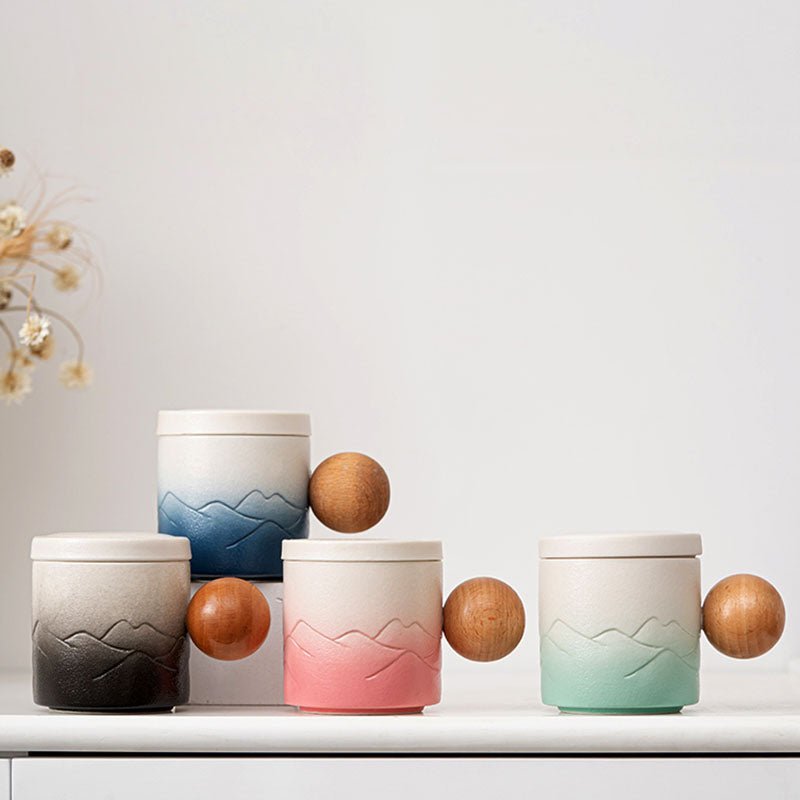
Ceramic Sculptural Mug Compact Kitchen Practical Purchase Checklist
Compare three verified capacities and sculptural forms against cabinet, counter, coffee-machine, grip, and care constraints. This checklist separates confirmed product facts from details you still ...
Read more
A small ceramic coffee cup compact kitchen practical purchase checklist
Measure the space a cup really occupies, match capacity to your usual drink, and verify care and stacking claims before checkout. Use this checklist to compare CoffeifyMug options without guessing ...
Read more
Leave a comment
This site is protected by hCaptcha and the hCaptcha Privacy Policy and Terms of Service apply.