

A small ceramic coffee cup compact kitchen practical purchase checklist
Reading time: about 9 minutes
A cup can look petite in a styled product photo and still block a cabinet door once its handle is turned sideways. On a narrow counter, the true footprint is the body plus the handle. On a short shelf, height matters only after you account for the usable space below the shelf above. This small ceramic coffee cup compact kitchen practical purchase checklist starts with those real constraints.
At CoffeifyMug, we handle ceramic drinkware during product review and packing, so we pay attention to the points that affect daily use: rim condition, handle joints, foot rings, cabinet clearance, and how securely a cup sits on a shelf. We also separate general ceramic guidance from product-specific facts. Unless a measurement, material, capacity, or care instruction appears on the current linked product page, treat it as something to verify rather than an established feature.
A small ceramic coffee cup compact kitchen practical purchase checklist starts with four spaces
Measure the places where the cup will actually spend time. A cabinet measurement alone does not tell you whether the cup fits beneath a coffee machine, beside a kettle, or inside a crowded drying rack. Record exact clearances without rounding down.
| Space | Measurement to record | Detail shoppers often miss |
|---|---|---|
| Counter | The clear rectangle between appliances, walls, and the counter edge | The handle may extend beyond the cup body and interfere with a kettle or cabinet door |
| Cabinet shelf | Usable height, width, and depth with the door fully closed | Hinges, shelf supports, and door lips can reduce the space measured at the opening |
| Coffee machine | Clearance from the drip tray to the spout, plus room to insert and remove the cup | A cup can fit beneath the spout but still be awkward to lift out when full |
| Drying rack | Slot width and the space between neighboring dishes | A projecting handle can press against plates or catch when the rack is lifted |
Use a cup you already own as a reference:
- Place it in the intended cabinet position and close the door.
- Measure its widest point, including the handle, rather than measuring only the base.
- Put it under your coffee machine with the drip tray in its normal position.
- Turn the handle toward the direction you naturally reach from and check for obstructions.
- Repeat the shelf test with the number of cups you plan to store, without assuming they can be stacked.
If a product page lists dimensions, compare each listed measurement with your notes. If it does not show a needed dimension, the photograph is not a reliable substitute for a ruler. Ask our store for clarification before ordering for a particularly tight space.
How much coffee must the cup hold without forcing an extra refill?
External size and usable capacity are different variables. A thick wall, inward-curving rim, or decorative shape can affect how much room is available for the drink, even if two cups occupy similar shelf space. A listed capacity may also describe the maximum fill rather than the comfortable level you use while carrying the cup.
Measure your actual serving instead of choosing a cup based on the word small. Fill your current cup to your normal drinking line, then pour the liquid into a marked measuring jug. That amount, recorded in milliliters or fluid ounces, gives you a practical target to compare with any capacity stated on a product page.
A small cup generally makes more sense for short coffee servings, modest tea portions, or a drink you finish promptly. It is a poor fit for a large milk-based coffee, a generous iced drink, or someone who wants one fill to last through a long meeting. In those situations, a larger mug, tall glass, or insulated vessel will suit the routine better, even if it requires more storage space.
Shelf depth, handle projection, and base shape determine the real fit
The base diameter is only one part of the footprint. The widest part may be the rim, a curved body, or the outside edge of the handle. A compact-looking body with a generous handle can need more shelf width than a larger-capacity cup with straighter sides.
- For a narrow shelf: compare the full front-to-back depth, including any handle position required for the cabinet door to close.
- For a crowded counter: check whether the cup remains stable when placed near appliance feet, grout lines, or the raised edge of a drying mat.
- For a low coffee-machine spout: verify both cup height and removal clearance. Do not plan on tilting a full hot cup to get it out.
- For multiple cups: confirm that stacking or nesting is stated or clearly supported by the listing. Similar-looking cups are not automatically designed to stack.
Stacking deserves special caution with ceramic. If one cup rests on another cup's rim or glazed interior instead of on a purpose-designed stacking surface, the contact can concentrate pressure and cause scratches or chips. An unglazed foot ring can also mark the glaze below it. In a compact kitchen, side-by-side storage is often the more reliable choice unless the product information supports stacking.
How should you compare the Pleated, Emerald, and Retro product pages?
Style names help narrow the visual direction, but they do not establish physical fit. We would not name a smallest-footprint winner without comparing the measurements shown on the current listings. Use the following scenario-based shortlist, then apply your own measurements before checkout.
| Reader situation | Why the option belongs on the shortlist | Product-page decision gate |
|---|---|---|
| You prefer visible surface detail and are prepared to inspect shaped areas during washing | The named pleated styling makes the Pleated Coffee Tea Cup product page the relevant starting point | Confirm the listed material, overall dimensions, capacity, included pieces, and care instructions |
| Color is a major part of the kitchen or gift decision | The Emerald Coffee Tea Mug listing is the logical page to compare for that visual preference | Check the widest measurement, handle clearance, capacity, and any stated dishwasher or microwave guidance |
| You are choosing a nostalgic-looking cup for an open shelf or a gift | The Retro Coffee Tea Cup photos and details address that style brief | Verify that the current dimensions fit the recipient's shelf and that the serving size matches their drink |
This selection logic is intentionally conditional. A cup can satisfy the style brief and still fail the cabinet test. It can also fit perfectly but be too small for the buyer's normal coffee. Product photographs are useful for comparing silhouettes and finishes, but listed specifications and your own measurements should decide physical fit.
If none of those three styles matches the space or the recipient, browse the unique coffee mugs collection and apply the same decision gates. Do not expand the shortlist until you know the maximum height, depth, and overall width your kitchen can accept.
Which ceramic care details matter in a small sink and drying rack?
A compact kitchen often means dishes sit closer together during washing and drying. That increases the chance of ceramic knocking against a faucet, plate, or neighboring cup. During handling, the areas we inspect most closely are the rim, the handle attachment points, the glazed surface, and the foot ring.
- Rim chips: run a fingertip carefully around the rim after unboxing and after any hard knock. Stop using a cup with a sharp damaged drinking edge.
- Handle-joint cracks: inspect where the handle meets the body. A visible crack or movement at either joint is a reason not to carry a hot drink in it.
- Unexpected glaze lines: fine networks of lines are commonly called crazing. Compare any lines with the product imagery and contact the store if the finish differs from what was shown.
- Rough foot rings: an unglazed or uneven base can scratch a shelf or another cup. Check it before placing the cup on a delicate surface.
Follow the product page's current care instructions. Do not assume that every ceramic item is dishwasher-safe or microwave-safe, because glaze, decoration, and construction can affect those instructions. If compatibility is not stated, hand wash with a soft, non-abrasive sponge, avoid abrupt temperature changes, and let the cup dry fully before placing it in a closed cabinet.
In a dishwasher, cups should not be positioned where handles can strike neighboring dishes during the cycle. In a drying rack, leave enough room to lift the cup by its body without catching the handle. These small habits matter more in a narrow sink area, where there is less room to recover from a slip.
Who should skip a small ceramic coffee cup?
A small ceramic cup is not the practical answer for every limited-space kitchen. Skip it if your usual order is a large iced coffee, if you need a sealed travel lid, or if long heat retention matters more than the feel of ceramic. A lidded insulated cup is more suitable for commuting, while a larger mug or glass will reduce refills for bigger drinks.
It may also be the wrong gift for someone who prefers dishwasher-only care when the listing does not state dishwasher compatibility. The same applies to a household that stacks every cup by default. Choose a clearly documented stackable style or allow enough shelf width for individual storage.
Your five-minute checkout check
Before placing an order, confirm each point against the current product listing:
- Your normal drink volume matches the listed capacity.
- The overall width, including the handle, fits the intended counter and shelf position.
- The height and depth fit with the cabinet door closed.
- The cup can be inserted beneath and removed from your coffee machine without tilting.
- Stacking is either supported by the listing or unnecessary for your storage plan.
- The stated care instructions match how you actually wash dishes.
- The material, included pieces, finish, and current measurements are clearly identified.
This is the practical purpose of the small ceramic coffee cup compact kitchen practical purchase checklist: remove uncertain options before appearance makes the decision for you.
Frequently asked questions
How should I use a small ceramic coffee cup compact kitchen practical purchase checklist?
Start by measuring the counter, cabinet shelf, coffee-machine clearance, and your normal drink volume. Compare those numbers only with measurements and capacity stated on the current product page. Treat missing specifications as unknowns and ask the store before ordering for a tight space.
What cup dimensions matter most on a shallow cabinet shelf?
Measure overall depth and width, including the handle, plus the usable shelf height. Close the cabinet door during your test because hinges and door lips can reduce usable space. Base diameter alone does not describe the full storage footprint.
Can I assume a ceramic coffee cup is dishwasher-safe and microwave-safe?
No. Ceramic describes a broad material category, while glazes, decorations, and construction details can lead to different care requirements. Use the care instructions on the current product page, and ask for clarification if dishwasher or microwave compatibility is not stated.
Which CoffeifyMug cup should I compare first for a compact kitchen?
Start with the style that matches your use: the Pleated page for surface detail, the Emerald page for that color direction, or the Retro page for a nostalgic appearance. None should be treated as the compact winner until its current listed dimensions, capacity, and care instructions pass your measurements.
Take your four measurements now, write down your normal serving volume, and open the CoffeifyMug unique coffee mugs collection. Keep only the options that pass every physical and care check; then let color and style make the final choice.
More from our blog
Read more
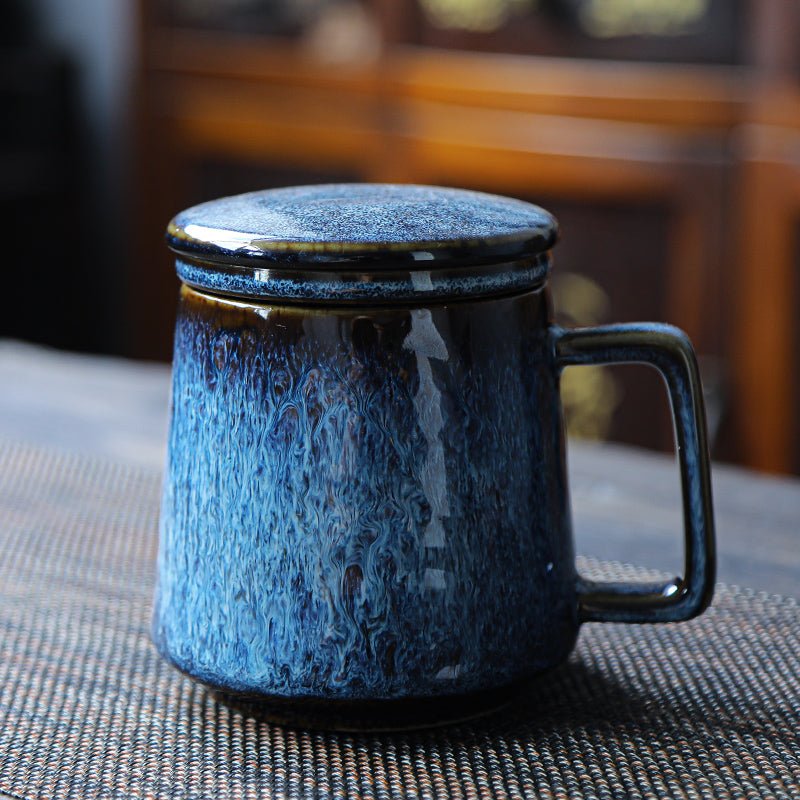
Heavy Ceramic Coffee Mugs Compact Kitchen Practical Purchase Checklist
Measure the cabinet opening, shelf depth, handle clearance, and lifting route before choosing a substantial ceramic mug. This checklist separates verified product details from the fit and care ques...
Read more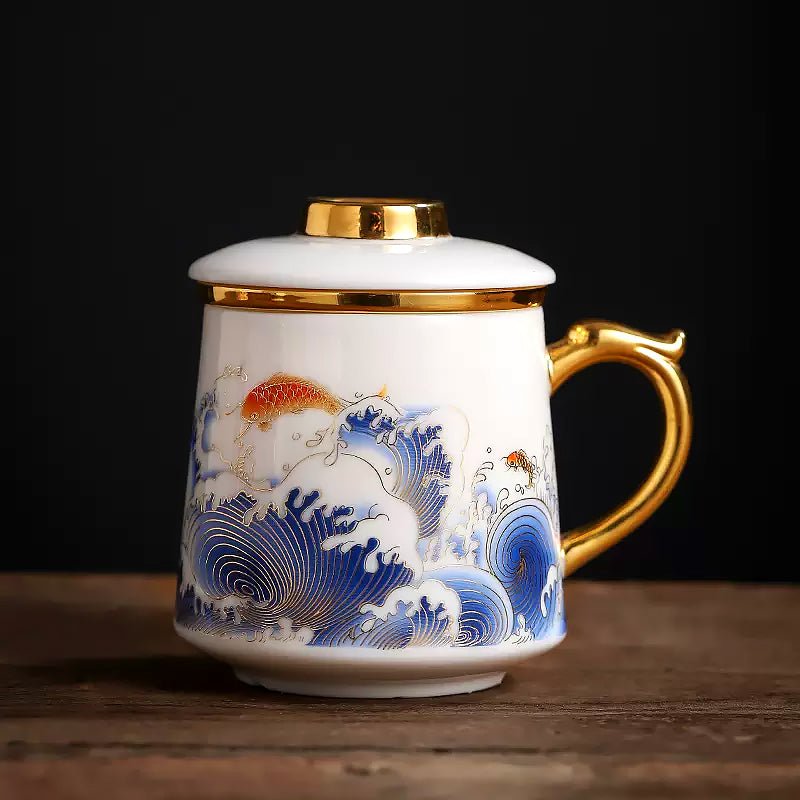
Ceramic Glazed Coffee Mugs Compact Kitchen Practical Purchase Checklist
Measure usable cabinet height, shelf depth, handle reach, drink volume, and care requirements before choosing a glaze. We map three CoffeifyMug designs to real small-space scenarios while flagging ...
Read more
Leave a comment
This site is protected by hCaptcha and the hCaptcha Privacy Policy and Terms of Service apply.