
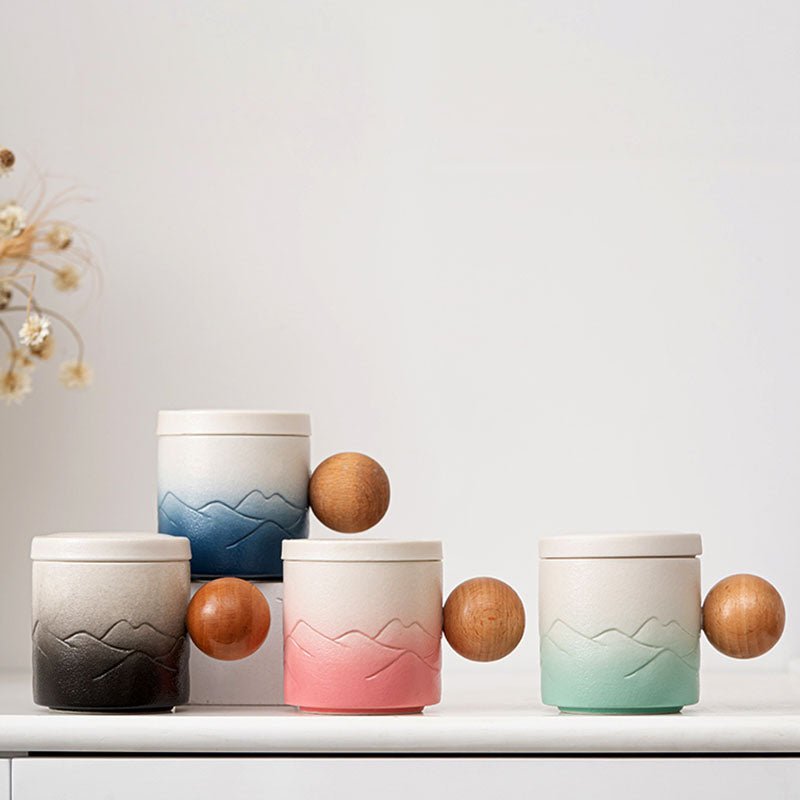
Flat White Cup Shared Household Product Shortlist Guide: 3 Picks
Reading time: about 9 minutes
At 7:30 in a shared kitchen, one person stops pouring with room below the rim. The next adds milk until carrying the cup to an office desk becomes a balancing exercise. This flat white cup shared household product shortlist guide is designed for that mismatch. At CoffeifyMug, we handle and sell this category, and our team starts with the finished drink volume, the headroom each person needs, and the way they prefer to hold a cup. The confirmed comparison points here are the Pleated at 200 ml, the Ball Handle at 250 ml, and the Emerald at 270 ml. Those capacities do not establish a required flat white ratio, barista standard, exterior size, material, or cafe-tested performance.
The flat white cup shared household product shortlist guide starts with capacity
Capacity is the stated amount a cup can hold, but it should not be treated as a target fill line. Headroom is the unused space left after the finished drink has been poured. That space matters when someone adds milk, stirs with a spoon, uses a tea bag, or walks from the kitchen counter to another room.
- Pleated 200 ml cup: the lowest-capacity choice for the household member who consistently makes the shortest drink.
- Ball Handle 250 ml mug: the capacity midpoint, with 50 ml more than the Pleated and 20 ml less than the Emerald.
- Emerald 270 ml mug: the highest-capacity option for a larger finished drink or more room above the liquid.
This is not a ranking, and the three products should not be treated as a matching set. Build the shortlist person by person. A couple who shares a coffee machine may still need different capacities.
We recommend a cold-water check before ordering:
- Fill each person's current favorite cup with cold water to their normal finished drink level.
- Transfer that water to a marked measuring jug and record the volume. Include the space normally used by milk or another addition.
- Compare that amount with 200 ml, 250 ml, and 270 ml, allowing enough unused capacity for stirring and carrying.
Use cold water so there is no need to transfer a hot drink. If the measured serving is already close to a candidate cup's full capacity, that option is likely to feel cramped in daily use. Capacity also does not prove exterior dimensions, so check the current product listing before assuming a lower-capacity cup occupies less cupboard space.
Who should choose the 200 ml Pleated cup?
Choose it for: the housemate who repeatedly prepares the shortest measured serving and rarely adds more liquid after pouring. At 200 ml, the Pleated coffee and tea cup holds 50 ml less than the Ball Handle and 70 ml less than the Emerald. That makes it the clearest small-serving option in this shortlist, without suggesting that a flat white must be served at this volume.
Skip it for: someone whose normal finished drink already approaches 200 ml. A spoon or tea bag occupies space, and a generous milk addition can remove the headroom needed to carry the cup comfortably. It is also not the automatic answer for a cramped cupboard because verified capacity alone does not tell us its exterior height, width, or stackability.
Product next step: open the Pleated listing if the person's measured serving is comfortably below 200 ml and they prefer this design. Check the current dimensions, material, and care information on the page before ordering.
Is the 250 ml Ball Handle the right household compromise?
The Ball Handle 250 ml mug is the middle choice by capacity. It suits a person whose usual drink needs more room than the Pleated provides but does not require the full 270 ml of the Emerald. For the same pour, it offers 50 ml more nominal capacity than the 200 ml option.
The handle deserves as much attention as the number. The named ball-handle design is a distinct grip choice, not a minor decorative detail. Someone accustomed to sliding several fingers through a conventional loop should study the product photos and consider how they carry a filled mug. Capacity cannot tell us whether a particular handle will suit hand size, grip strength, or mobility needs.
Choose it for: a moderate serving, a user who likes the handle design, or a shared guest cup where the midpoint capacity is useful. Skip it for: a person who strongly prefers another handle style, wants the least possible capacity, or regularly needs the most headroom in this comparison. The Ball Handle can be a practical compromise, but it is not automatically the best cup for flat white drinks in every household.
Who needs the extra room of the 270 ml Emerald?
The Emerald 270 ml mug has the largest verified capacity in this three-product shortlist. It is the logical candidate for a housemate who prepares a larger finished drink, adds more milk, alternates between coffee and tea, or wants the most room between the liquid and the rim.
The difference is 20 ml compared with the Ball Handle and 70 ml compared with the Pleated. Twenty milliliters is a modest step, so a buyer whose measured drink fits comfortably in 250 ml should not select the Emerald solely because its number is higher. The stronger case is a serving that feels crowded in 250 ml or a routine that regularly includes additions after the first pour.
Skip it for: someone who wants a closely sized cup for a short drink. It is also not a guaranteed choice for iced coffee because ice displaces liquid, and 270 ml may still be below the volume that an iced-coffee drinker expects. A larger capacity does not by itself prove better heat retention, a smaller spill risk, lower weight, or easier cupboard storage.
What shows up at the cupboard, sink, and office desk?
The first drink confirms capacity. Repeated use reveals the other buying variables. In our store, we ask shoppers to verify these details instead of transferring assumptions from one mug to another:
- Cupboard fit: measure the available shelf height and usable width, including the space a handle needs. Compare those measurements with the current product page rather than estimating from capacity.
- Grip and carrying: fill an existing cup with cold water to the target volume and walk the normal route from the kitchen to the desk or table. Notice whether the user holds the body, hooks a finger through the handle, or uses a full-hand grip.
- Material and care: confirm the listed material, finish, dishwasher guidance, and microwave guidance on each individual product page. Do not put all three through the same dishwasher cycle based only on their product category.
- Condition on arrival: inspect the rim and base under good light for chips or hairline cracks. Where a handle is present, inspect its joins, then place the empty cup on a flat counter to check for unexpected rocking. Do not use damaged drinkware.
- Shared-sink habits: avoid wedging a handled cup beneath pans or tightly against other mugs. Projecting handles and rims can take direct impacts when a crowded sink or cupboard is unloaded quickly.
These checks are especially useful for a gift. A cup can look right during unboxing and still be wrong for the recipient if their normal pour reaches the rim or the handle conflicts with their usual grip. Asking about the cup they already reach for is more reliable than matching the household decor alone.
Do housemates need matching flat white coffee cups?
No. A shared-household shortlist should reflect individual serving habits, even when the cups sit on the same shelf. These common combinations show how to connect the situation to a product decision:
- One short drink and one milk-forward drink: shortlist the 200 ml Pleated for the first person and the 270 ml Emerald for the second. The capacity difference is the reason to consider both as individual choices.
- Similar volumes but different grip preferences: compare the Ball Handle with the other designs rather than choosing by volume alone. If none has the right combination, browse the unique coffee mugs collection for another shape.
- One cup mainly used by guests: the 250 ml Ball Handle offers the midpoint capacity. Choose it only if the handle and current product dimensions also suit the storage space.
- Coffee in the morning and tea later: the 270 ml Emerald gives the most capacity for a tea bag, spoon, or added milk. Skip it if the user consistently prefers a short, closely filled cup.
- Large iced drinks or oversized breakfast servings: skip all three if the measured finished volume exceeds 270 ml before comfortable headroom is allowed. A different mug style will suit that routine better.
What should remain on the shortlist after two mornings?
| Option | Choose when | Skip when |
|---|---|---|
| Pleated | The user wants the lowest capacity at 200 ml | The normal drink approaches 200 ml or needs generous additions |
| Ball Handle | A 250 ml midpoint and the distinctive handle both suit the user | The handle style is a poor fit or maximum headroom is needed |
| Emerald | The user wants the largest capacity here at 270 ml | The drink is short, or an iced or oversized serving exceeds this range |
Write each person's measured serving beside their name, then cross out any option that leaves too little headroom. Next, remove designs that conflict with grip or storage needs. A shortlist of one suitable cup is more useful than three visually appealing options that repeat the same problem.
Frequently asked questions
What is the best cup for flat white drinks in a shared household?
There is no universal best capacity because the finished drink and desired headroom vary by person. Choose the 200 ml Pleated for the shortest serving, the 250 ml Ball Handle for the capacity midpoint, or the 270 ml Emerald for the most room in this comparison. None of those capacities defines a required flat white recipe.
How do I shortlist flat white cups for two people with different drink sizes?
Use this flat white cup shared household product shortlist guide person by person, not as one household average. Measure each normal finished drink with cold water and assign the smallest option that still leaves practical headroom. Then check handle preference, current dimensions, material, and care instructions.
Is a 200 ml flat white coffee cup too small for milk?
Not necessarily, but the answer depends on the total finished volume rather than the ingredient name. If coffee and milk together approach 200 ml, the Pleated will leave little nominal headroom. The 250 ml or 270 ml option will give that same pour more space below the rim.
Can I assume these three cups have the same material and care instructions?
No. Capacity and product category do not prove identical materials, finishes, or cleaning requirements. Review the current information on each linked product page before using a dishwasher or microwave, and follow the instructions for the specific cup ordered.
Should we buy matching cups if both people drink flat whites?
Only if both people prefer the same finished volume, headroom, and grip. Sharing a drink name does not mean sharing a cup preference. If those habits differ, choose individual options or compare another design in the collection rather than forcing a matching pair.
Next step: measure each person's usual finished drink over the next two mornings and compare the results with 200 ml, 250 ml, and 270 ml. Open the surviving product page to verify current dimensions, material, and care details; if none survives, move to the unique coffee mugs collection and choose a different capacity or handle style.
More from our blog
Read more
Wassail Mug Home Office Practical Purchase Checklist: 7 Checks
Compare The Flow 400 ml, Morning and Night 440 ml, and The Rock 480 ml by actual pour size, handle comfort, meeting routine, and the product details you still need to verify.
Read more
Loose Leaf Tea Mug Shared Household Product Shortlist Guide: 3 Mug Sizes
Compare the Ball Handle 250 ml, Round 390 ml, and Spittoon 400 ml for two people sharing one kitchen. We use verified capacities, the Ball Handle's listed 11.2 cm diameter, visible openings, cleanu...
Read more
Leave a comment
This site is protected by hCaptcha and the hCaptcha Privacy Policy and Terms of Service apply.