
Loose Leaf Tea Mug Shared Household Product Shortlist Guide: 3 Mug Sizes
Reading time: about 10 minutes
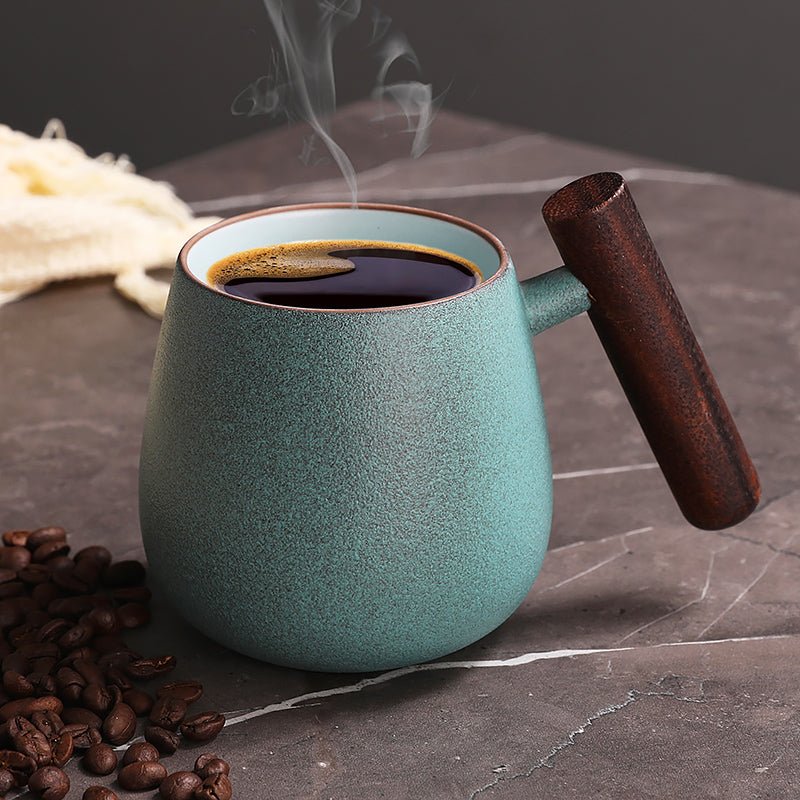
At breakfast, one person leaves half of a large mug on the counter while another refills a small mug before the kettle has cooled. A shared cupboard does not create a shared serving preference. This loose leaf tea mug shared household product shortlist guide compares three individual drinkware options using the catalog facts shoppers can verify: listed capacity, the Ball Handle's listed diameter, and the opening visible in each product page's images.
From handling drinkware in our store and answering pre-purchase questions, we have learned that volume mismatches are easier to solve before anyone starts debating color or styling. We also avoid turning product photos into measurements they cannot support. The linked products are individual drinkware pieces, not a matched set or complete loose leaf brewing kit, and they do not include unlisted filters, infuser baskets, or brewing accessories.
Which two serving sizes are already working in your kitchen?
Start with the mugs already in the drying rack. Their labeled capacity may be unknown, but the amount each person actually pours is more useful than a guess based on appearance. We use a simple measurement check when helping shoppers separate a real capacity need from a preference for a particular shape.
- Fill each current mug with cold water to the level that person normally uses for tea. Stop at the usual drinking line, not the rim.
- Pour the water into a marked measuring jug and record the amount in milliliters.
- If someone uses their own removable infuser inside the mug, repeat the measurement with that accessory in place because it occupies space.
- Note whether both people make tea at the same time. Similar serving sizes do not solve the problem if one mug is always in use.
A listed capacity is a comparison figure, not necessarily a comfortable fill line. Tea needs enough headroom to carry the mug without spilling, and a separately purchased brewing basket can reduce usable liquid space. If a person's normal pour is already close to 390 ml, for example, do not assume a mug listed at 390 ml will provide the same pour plus generous headroom.
What changes between 250 ml, 390 ml, and 400 ml?
The three catalog options cover one clearly smaller serving and two larger capacities that sit very close together. The useful distinction is not simply small, medium, and large.
| Mug | Verified catalog detail | Choose it for | Skip it when |
|---|---|---|---|
| Ball Handle 250 ml tea mug | 250 ml listed capacity and 11.2 cm listed diameter | A person whose measured serving fits comfortably below 250 ml and who prefers this visible opening and handle design | Their usual pour is already close to 390 or 400 ml, making frequent refills likely |
| Round 390 ml tea mug | 390 ml listed capacity | A larger measured serving or one shared mug when both people's pours are similar | One person specifically needs the smaller 250 ml format or wants the largest listed option |
| Spittoon 400 ml drinkware | 400 ml listed capacity | A measured serving near the upper end of this shortlist and a shopper who prefers its visible opening and form | You are choosing it only for a major volume increase over the Round 390 ml |
The numbers expose the main trade-off. The Round carries 140 ml more listed capacity than the Ball Handle, while the Spittoon adds only 10 ml over the Round. That makes the 250 ml versus 390 ml decision meaningful for serving size. Between 390 ml and 400 ml, the product-page images and visible opening should carry more weight than the small capacity difference.
We would not claim that one keeps tea hotter, rinses faster, or resists spills better based on its profile alone. Those outcomes require product-specific testing or specifications that are outside this comparison. Here, the defensible comparison is listed capacity and what a shopper can see around the opening.
Loose leaf tea mug shared household product shortlist guide: which scenario fits?
One short pour and one substantially larger pour
Choose the Ball Handle 250 ml for the person whose measured serving sits comfortably below its listed capacity. Match the larger drinker to the Round 390 ml or Spittoon 400 ml after checking their normal pour and comparing the visible openings. Skip the Ball Handle for the larger drinker if repeated kettle trips already bother them, and skip the 400 ml option for the smaller drinker if most of its capacity would routinely go unused.
Two larger pours with different visual preferences
Put the Round 390 ml and Spittoon 400 ml pages side by side. A 10 ml listed difference is unlikely to settle the choice by itself. Compare the opening shown in the photos, the overall form, and how each would sit among the drinkware already in your cupboard. Skip any claim that one is a dramatically larger serving vessel; the listed capacities do not support that conclusion.
One daily tea drinker and one occasional guest
One mug can be practical if the schedules rarely overlap and both measured servings fit the same capacity. The Round 390 ml is a reasonable candidate only if its listed volume and visible opening suit both people; it is not a universal compromise. If the guest prefers a much shorter pour or both people regularly drink tea together, two individually chosen mugs will avoid a daily mismatch.
For a gift shared by two recipients, choose each piece separately and describe it that way. These products are not presented here as a set. If the three shortlisted designs do not match the recipients' tastes, compare other individual styles in our unique coffee mugs collection rather than forcing a capacity match with the wrong visual design.
How much should the visible opening matter at the sink?
Loose leaf tea makes access around the opening relevant because the drinker may need to empty leaves, rinse the interior, or use a brush after brewing. A product photo can help you judge whether an opening looks accessible, but perspective and image scale prevent an exact fit assessment.
The Ball Handle has a listed 11.2 cm diameter. Do not automatically read that as an 11.2 cm mouth opening because the catalog fact does not establish the measurement point. The Round and Spittoon capacities are verified, but this comparison does not assign them unlisted opening dimensions.
- If you brew in a teapot: pour the finished tea into the mug and select primarily by serving capacity. No built-in filter is required for that routine.
- If you already own an infuser basket: measure its widest contact point and confirm the mug's actual mouth dimensions before assuming compatibility.
- If you brew leaves directly in drinkware: plan how you will strain or manage them. A visible opening is not evidence of a built-in filtering system.
- At cleanup: remove spent leaves before rinsing so they do not collect in the drain, then follow the care directions supplied with the product.
We do not claim dishwasher or microwave compatibility in this shortlist because those care details are not among the verified comparison facts. Check the product page and any packaging instructions before using either appliance. If a specific brush or brewing accessory must fit, ask for the relevant opening measurement rather than estimating it from a screen.
Should a shared household buy one mug or two individual mugs?
- Choose one mug if tea times do not overlap, both normal pours fit the same listed capacity, cupboard space is tight, and each person is willing to rinse it before the next use.
- Choose two mugs if both people drink tea at the same time, one measured serving is close to 250 ml while the other is closer to 390 or 400 ml, or each person wants a different visible opening.
- Choose two different capacities when the measurements support it. Matching drinkware is less practical if one person repeatedly refills and the other repeatedly leaves tea behind.
Ordering a Ball Handle for one person and a Spittoon for another does not turn them into a manufacturer-listed set. They remain separate product selections with separate capacities. Check the quantity and product name in the cart so a gift or household order reflects that distinction.
What should you inspect at unboxing and before the first wash?
We use the same basic inspection routine for drinkware before it enters regular kitchen use. This does not mean the products are expected to have defects; it is a practical way to catch shipping damage or a selection error before adding tea.
- Match each item to the ordered product and verify that the expected 250 ml, 390 ml, or 400 ml option was selected.
- Under bright light, visually inspect the rim and body for chips or hairline cracks. Check around any attached handle without running a finger over a potentially damaged edge.
- Place the empty mug on a flat, dry counter and confirm that the base sits as expected rather than rocking noticeably.
- Review the supplied care information before the first wash. Do not infer dishwasher or microwave suitability from appearance.
Do not use damaged drinkware. For a two-person gift, also confirm that no recipient expects a filter, infuser, or bundled brewing kit. The linked products are drinkware only, and any separate tea equipment needs its own compatibility check.
Frequently asked questions
Which mug size is most practical for two tea drinkers?
There is no single capacity that fits every pair. This loose leaf tea mug shared household product shortlist guide points smaller measured servings toward the Ball Handle 250 ml and larger servings toward the Round 390 ml or Spittoon 400 ml. If both people drink tea simultaneously, two individual mugs are usually more practical than sharing one.
Do any of these mugs include a loose leaf tea filter?
No filter or infuser basket is included as an unlisted accessory with the products linked here. They are drinkware, so shoppers who want filtered tea should brew separately or select their own compatible straining equipment. Confirm measurements before buying an infuser for a particular mug.
Is the Spittoon 400 ml much larger than the Round 390 ml?
No. Based on the listed capacities, the difference is 10 ml. Choose between them by the visible opening and the design you prefer rather than expecting a substantial increase in serving volume.
Does the Ball Handle's 11.2 cm diameter describe its opening?
Do not assume that it does. The verified listing provides an 11.2 cm diameter, but this shortlist does not have evidence establishing that figure as the mouth-opening measurement. Request or verify the exact opening dimension if an infuser or cleaning tool must fit.
Can I buy two of these mugs as a matching household set?
You can select two individual products, including different capacities, but the linked mugs are not presented as a set. Review each product page and cart quantity separately, and do not expect unlisted brewing accessories to be bundled with them.
A one-minute shortlist before checkout
Use this loose leaf tea mug shared household product shortlist guide as a final decision check rather than choosing from capacity labels alone.
- Measure each person's normal pour with cold water.
- Compare those figures with the listed 250 ml, 390 ml, and 400 ml capacities while allowing for headroom.
- If the choice is between 390 ml and 400 ml, compare the visible openings and preferred design because the listed volume difference is only 10 ml.
- Confirm that any separate filter, basket, or strainer will fit; none is included as an unlisted accessory.
- Decide whether tea times overlap and add one or two individual mugs accordingly.
Start with the current mugs on your counter, record the two real serving amounts, and then open the closest product pages. If none of these three designs fits both the measurement and the household's taste, continue through the full unique coffee mugs collection with the same checklist.
More from our blog
Read more
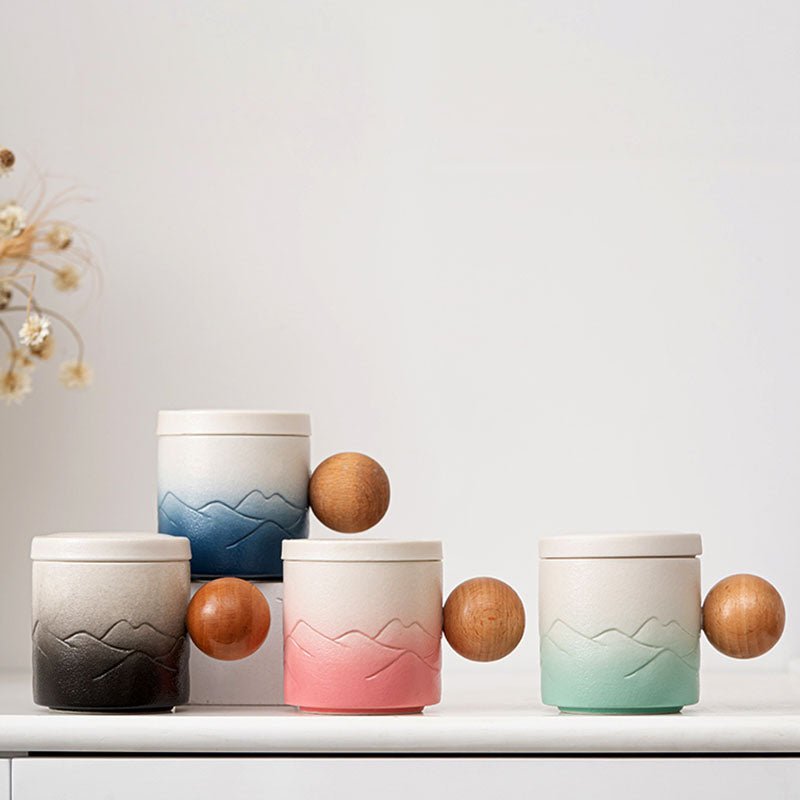
Flat White Cup Shared Household Product Shortlist Guide: 3 Picks
Compare CoffeifyMug's 200 ml Pleated, 250 ml Ball Handle, and 270 ml Emerald options by each housemate's serving size, headroom needs, grip, storage, and care checks. Each pick includes a clear rea...
Read more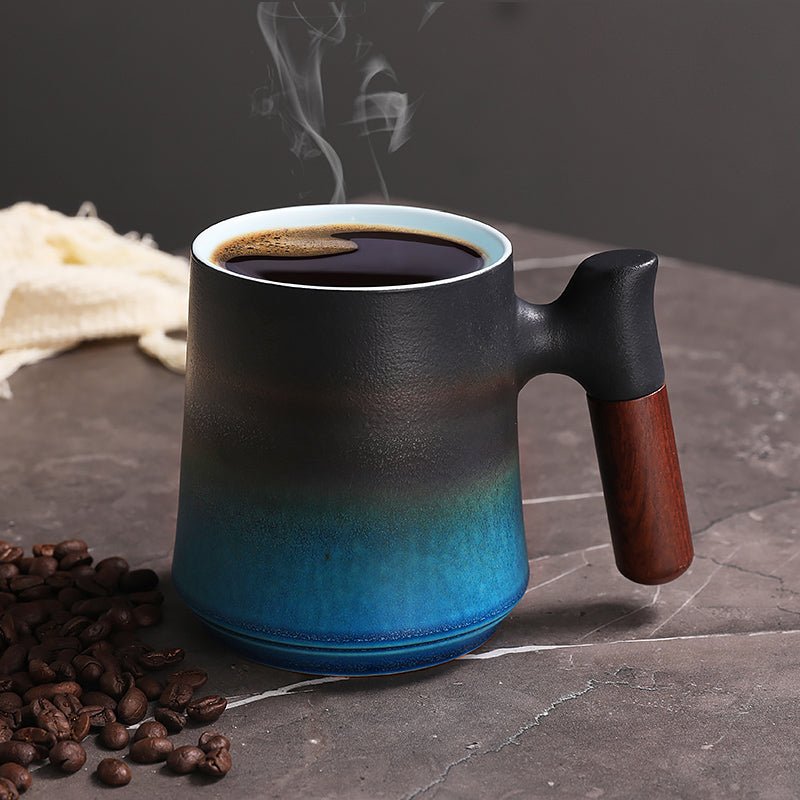
Hot cocoa mug shared household product shortlist guide: 3 picks
Compare The Rock at 480 ml with The Gradient and The Flow at 400 ml. This scenario-based shortlist explains who each mug suits, when to skip it, and what to verify for cabinet fit and care.
Read more
Leave a comment
This site is protected by hCaptcha and the hCaptcha Privacy Policy and Terms of Service apply.