
Cute Espresso Cups Shape and Handle Guide: 170, 200, 250 ml
Reading time: about 10 minutes
Pull a double shot into a 250 ml mug and the crema fans out across a wide surface, thins, and cools while you are still standing at the machine. Pull the same shot into a 170 ml cup and it reads as espresso again. Most shoppers hunting for a cute espresso cups shape and handle guide are trying to close that exact gap — something that looks right on the counter and still behaves like a small cup instead of a soup bowl.
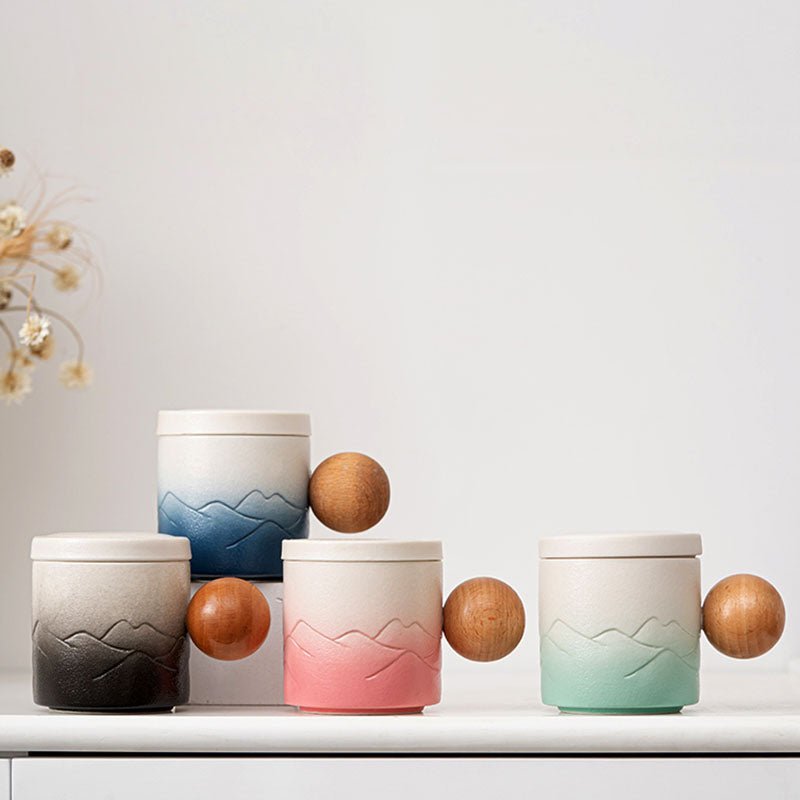
We keep three shapes in this range: the Retro Coffee & Tea Cup listed at 170 ml, the Pleated Coffee & Tea Cup at 200 ml, and the Ball Handled Coffee & Tea Mug at 250 ml. All three are ceramic. All three are larger than a traditional single-shot cup. That one sentence decides more purchases than any styling note below, so it goes first.
Cute espresso cups shape and handle guide: what 170, 200, and 250 ml actually pour
A traditional Italian single espresso is roughly 25 ml. Specialty coffee definitions often stretch that to about 35 ml. Barista competition guidance points toward a serving vessel of around 50 ml, with 90 ml as the outer limit for a cup used in judging. Past that, you are holding a small coffee cup rather than a demitasse — which is fine, as long as you know it going in.
Here is the honest framing for our three:
- 170 ml — Retro Coffee & Tea Cup: roughly five times a 35 ml shot. A straight espresso sits low in the cup, the crema spreads thin, and it cools faster than it would in a 60 ml demitasse.
- 200 ml — Pleated Coffee & Tea Cup: the middle of the range. Still oversized for a single shot, comfortable for a lungo, a short americano, or a splash of milk.
- 250 ml — Ball Handled Coffee & Tea Mug: the point where a macchiato or a cortado stops feeling cramped. A cortado runs roughly equal parts espresso and steamed milk, and the extra room keeps the drink off the rim.
One number that rarely makes it onto a listing: usable fill is always less than listed capacity. Nobody carries a cup filled to the lip. Treat the millilitres as a ceiling, not a pour.
And the trade-off, stated plainly: if you actually want a true 60–90 ml demitasse for a naked single shot, none of these three is it. Buy a demitasse for that job and treat these as small everyday cups. We would rather tell you now than have you work it out after the first pull. For the tighter end of the category, the ceramic espresso cup shape and handle guide covers that ground.
Which interior shows crema, and what an outside pattern costs you
Crema is the most photogenic thing about espresso, and the interior color decides how much of it you get to see. Tasting guidance generally favors a plain white interior because the tan foam reads clearly against it. A dark interior, a busy pattern, or a heavily speckled glaze swallows that contrast, and the shot looks flatter in photos than it does in the cup.
The Pleated cup's vertical fluting is a different kind of choice. Those ridges change how light moves across the body and give your fingers something to index against, but pleating is styling, not performance — nothing about a fluted wall makes a shot taste better. If photographing crema is the priority, choose the plainest interior offered. If the cup earning its place on an open shelf is the priority, run with the pattern and accept the trade.
Double-wall glass shows up in nearly every conversation about cute espresso cups. The appeal is obvious: an air gap between two walls slows heat loss. The usual complaint is equally consistent — a narrower rim than ceramic and more fragility in the sink. Published heat-retention comparisons at true espresso volumes are scarce, and most of what exists comes from magazine or retailer testing rather than a standards body, so treat those results as directional rather than settled. Our cups in this range are ceramic, which is the material we can actually speak to.
Before you buy anything in a pattern, look for a top-down photo on the listing. One overhead shot of the empty interior tells you more about crema visibility than a paragraph of copy.
Does the handle form matter more than the cup shape?
At espresso volumes, yes. A handle you cannot get two fingers through turns a usable cup into a decorative one, and that is the most common letdown we see in this category — a beautiful cup that gets pushed to the back of the shelf after a week.
Two handle families dominate small cups:
- Compact loop or ear handles — a thumb-and-index pinch rather than a full palm grip. That is normal for a small cup and works fine for a twenty-second sip at the machine. The variables worth checking are the clear opening inside the handle and how high the handle sits on the body.
- Ball or knobbed handles — the form the Ball Handled Coffee & Tea Mug name points to and its photos show. A rounded handle invites more of the hand into the grip, and that starts to matter once a cup holds 250 ml and carries more weight.
Two things we will not guess for you, because they vary piece to piece: whether a finger passes cleanly through the handle opening, and the handle's height relative to the rim. A handle set too high pushes your knuckles toward the cup's mouth every time you tilt it, and no capacity spec will warn you about that.
Handles also fail physically before the body does. The joint where handle meets wall is a classic stress point, and it is where a chip usually starts. Run a fingertip around that joint and around the rim every few months. A hairline crack or a lifted glaze edge is a food-contact problem, not just a cosmetic one.
Will the cup fit under your espresso machine? Three measurements to take first
There is no published standard for spout-to-drip-tray clearance, so fit stays a machine-by-machine measurement. We get this question in store constantly, and the answer is always the same: check your own setup before you order a new shape.
- Clearance under the group head. Set your current cup on the drip tray, then measure from the tray up to the underside of the portafilter spout. That number is your ceiling. A cup taller than that will not sit level, and you will end up holding it in the air through the whole shot.
- Rim diameter. A double-spout portafilter sends two streams down at an angle. A rim that is too narrow catches one stream and misses the other, which is how a perfectly good shot ends up on the tray instead of in the cup.
- Base width against the tray. A narrow base fits a shallow or tight drip tray but tips more easily on a slotted grate. A wide base is steadier but may foul the machine body or sit off-center under the spout.
From our own counter: the 170 ml and 200 ml cups sit low under the spout and give you more horizontal freedom, while the taller 250 ml cup is the one most likely to foul a low group head. If you preheat cups on top of the machine, note that a squat, wide cup heats more evenly there than a tall one.
Glaze, dishwasher cycles, and the food-safety question we get most
Ceramic drinkware is not automatically food-safe just because it looks finished. The U.S. FDA explains that lead in ceramic glaze is bound into the material when pottery is fired correctly, but if it is not properly fired the lead may not fuse and can contaminate food. The same guidance notes that some traditional pottery labeled lead free has still shown extractable lead, and that ceramicware intended only as decoration must be identified so it is not used with food.
The practical version: buy from listings that describe the item as drinkware, and keep purely ornamental objects out of the kitchen — including the novelty and plush espresso-cup items that turn up alongside real cups in search results. A soft toy shaped like a cup is not a cup, however convincing the photo is.
Dishwasher durability is where honesty is required. Long-term resistance of hand-painted or novelty glazes is largely anecdotal; we cannot point to a standards-body test for it. Our rule of thumb in the store: if the pattern is the reason you are buying the cup, hand wash it and skip the heated dry cycle. That costs you thirty seconds and protects the thing you paid for. Repeated hot drying is what dulls a decorated glaze over time, and the interior of a dishwasher is a rougher environment for a rim than a sink sponge.
Check the current product listing for the care guidance that ships with the piece rather than assuming a dishwasher rating from the look of the glaze.
Gift shelf or Tuesday morning? Pick by situation, not by photo
Match the cup to the drink you actually make on a weekday morning, then let styling break the tie.
| Your situation | Listed capacity | Cup to start with |
|---|---|---|
| Gift, display shelf, occasional espresso | 170 ml | Retro Coffee & Tea Cup |
| Daily small coffee at a desk, a little milk | 200 ml | Pleated Coffee & Tea Cup |
| Macchiato or cortado, larger hands | 250 ml | Ball Handled Coffee & Tea Mug |
The 170 ml Retro is the one we see bought as a gift most often, because a small, rounded, retro-styled cup reads as a considered present without needing a saucer to look complete. The catch: it is the least forgiving shape for a double shot, so it suits someone who drinks short coffees or collects cups. The 200 ml Pleated sits between those jobs and is the safest single-cup choice if you are unsure.
Shopping for a set rather than one cup, or wanting to compare shapes side by side? The unique coffee mugs collection is where all three live, including the variants we have in stock at the moment.
If your household leans toward bigger milk drinks, a 170 ml cup will feel like a compromise every morning — a dedicated latte-size cup is the better buy. And for dessert-style drinks where espresso is poured over gelato, capacity and rim width change again; the affogato cup guide covering 170, 200, and 270 ml walks through how that plays out.
Frequently asked questions
Are 170–250 ml cups too big for a single espresso?
For a traditional 25–35 ml shot, yes. All three are oversized, so the shot sits low in the cup and the crema spreads wide and cools faster than it would in a 60 ml demitasse. This cute espresso cups shape and handle guide leans on listed capacity rather than photos for exactly that reason — the millilitres tell you whether a cup suits your drink, and the shape only tells you how it feels in the hand.
Can I put a painted or speckled ceramic cup in the dishwasher?
Many people do, and most cups survive for years. But long-term dishwasher and chip resistance of painted or novelty glazes is not backed by a standards-body test, so the evidence stays anecdotal. If the pattern is what you love about the cup, hand wash it and skip the heated dry cycle, and check the listing for the care note that ships with the piece.
How do I know a cup will fit under my espresso machine before ordering?
Measure from the drip tray to the underside of the portafilter spout, then compare that to the cup's listed height with a little clearance to spare. Also check rim width against a double-spout portafilter and base width against your tray. There is no universal clearance standard, so this stays a per-machine measurement.
Do I need a saucer or a stand with these cups?
Not for function. A saucer catches drips and keeps a desk clean; a stand keeps a small cabinet organized. When counter space is tight, stackability and a narrow base matter more than a matching saucer. Check the listing for whether a saucer is included rather than assuming it from the photo.
Why do some search results show plush espresso cups?
Because decorative objects and drinkware overlap in search. A plush or purely ornamental espresso-cup object is not food-safe drinkware, and the FDA notes that ceramicware meant only for decoration must be identified so it is not used with food. If you plan to pour coffee into it, buy an item the listing describes as a cup.
Start with the drink you make most often, confirm the handle opening and base width on the product page, then choose the shape. Browse the current cup options and set the three capacities side by side before you commit.
More from our blog
Read more
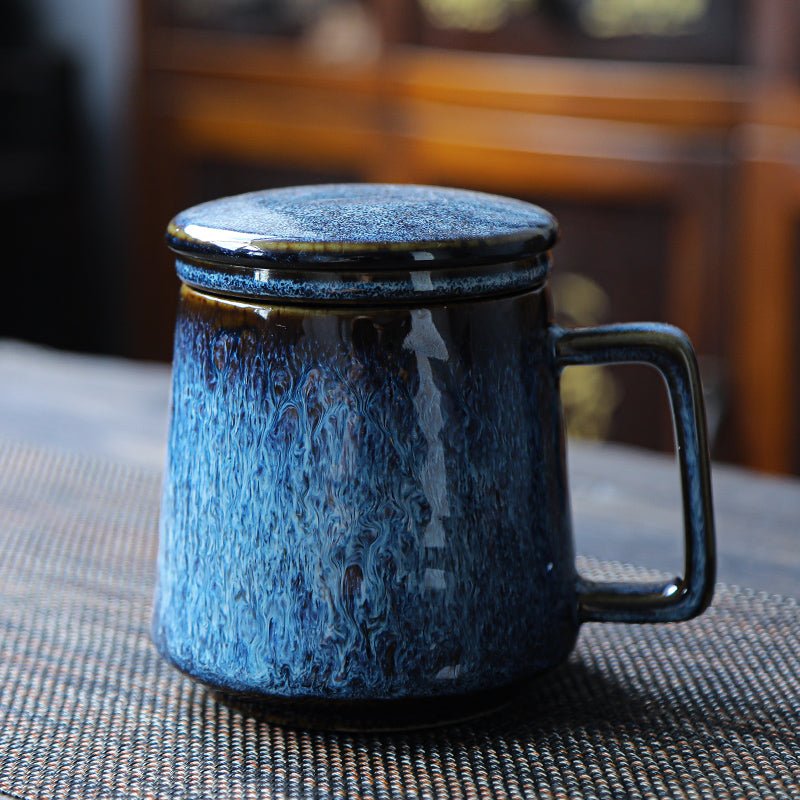
Ceramic Mugs Ideas for Desks and Gift Shelves: Capacity, Care, Fit
A practical way to sort ceramic mugs ideas by listed capacity, desk footprint, handle fit and care labels — plus the safety checks most gift guides skip entirely.
Read more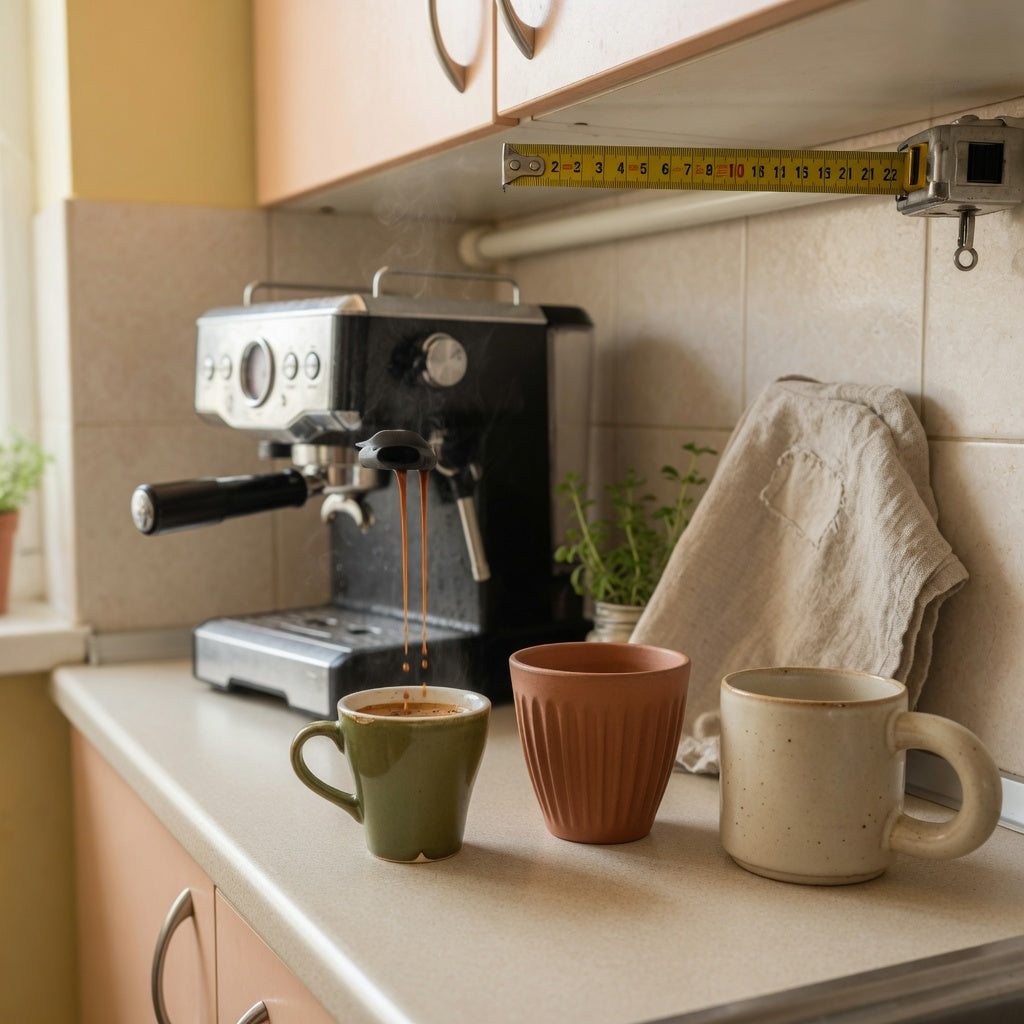
Cute Espresso Cups Compact Kitchen Practical Purchase Checklist
A measurement-first checklist for buying cute espresso cups when spout clearance, shelf gaps, and counter space are tight. We map our 170 ml, 200 ml, and 250 ml ceramic cups to real drinking habits...
Read more
Leave a comment
This site is protected by hCaptcha and the hCaptcha Privacy Policy and Terms of Service apply.