
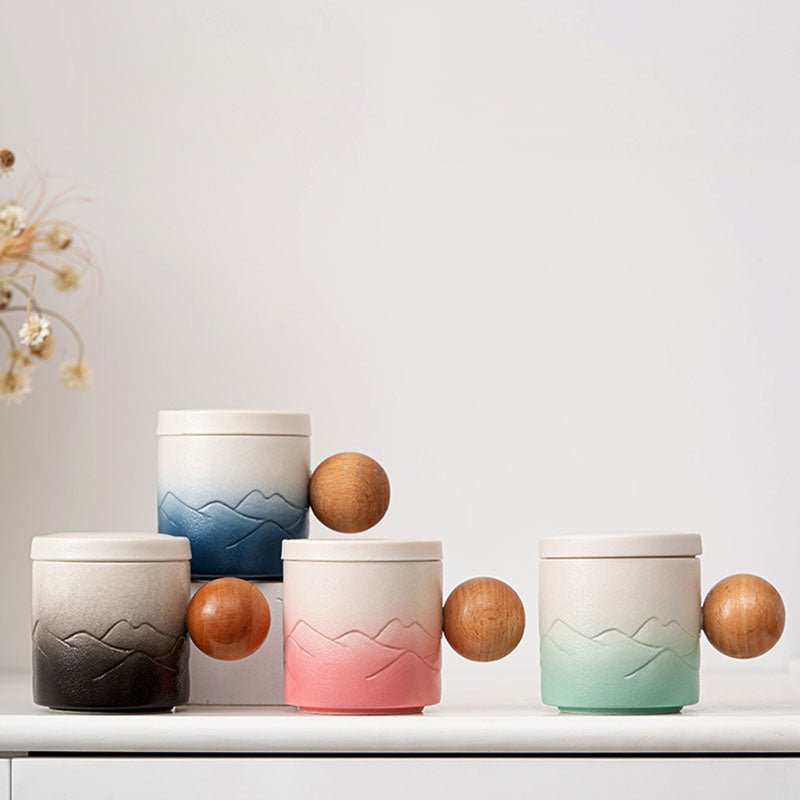
Your cacao cup morning routine practical purchase checklist
Reading time: about 9 minutes
At 7:15 a.m., a mug that looked generous online can become half-finished cacao cooling beside the toaster. A cup that looked compact can send you back for a refill just as you pick up your keys. Our cacao cup morning routine practical purchase checklist focuses on that daily friction: your finished drink volume, the time available to drink it, and your tolerance for refilling.
In our store, the comparison we can stand behind starts with three verified catalog facts: the Ball Handle option is listed at 250 ml with an 11.2 cm diameter, the Round option at 390 ml, and the Spittoon option at 400 ml. We treat all three as everyday coffee and tea drinkware that may suit cacao. We do not present them as traditional, ritual, certified, insulated, or purpose-built cacao vessels, and we will not assume unlisted material or care details.
How much finished cacao do you pour before 8 a.m.?
Measure the drink you actually consume, not just the water or milk at the start of the recipe. Cacao powder, foam, sweetener, and other additions can change the final level, while stirring requires room below the rim. Catalog capacity also does not automatically equal a comfortable fill line.
- Prepare your normal morning recipe rather than a smaller test serving.
- Record the finished liquid volume using recipe measurements or a heat-safe measuring jug.
- Note how much remains when you leave the kitchen or finish breakfast.
- Decide whether one refill feels pleasant, inconvenient, or completely unacceptable.
| Option | Verified catalog fact | Useful volume check | Trade-off to confirm |
|---|---|---|---|
| Ball Handle Coffee Tea Mug | 250 ml; listed 11.2 cm diameter | A 200 ml drink leaves 50 ml of nominal unused capacity. | A 240 ml drink leaves only 10 ml of nominal margin. The listed diameter is not necessarily the inner rim measurement. |
| Round Coffee Tea Mug | 390 ml | A 300 ml drink leaves 90 ml of nominal unused capacity. | Exact outer dimensions, item weight, and comfortable fill level should be checked on the current listing. |
| Spittoon Coffee Tea Mug | 400 ml | A 300 ml drink leaves 100 ml of nominal unused capacity. | It adds only 10 ml over the Round option, so shape and visible opening may matter more than capacity. |
These calculations are screening tools, not recommended fill lines. If your measured drink falls outside these options, compare other shapes in our unique coffee mugs collection rather than forcing your routine into the nearest capacity.
250 ml, 390 ml, or 400 ml: what changes before 8 a.m.?
Capacity should match refill behavior, not an abstract preference for large or small mugs. The useful question is what happens between making the drink and leaving the counter.
- Quick 200 ml kitchen drink: The 250 ml Ball Handle mug is the logical first comparison because it provides nominal room above a 200 ml serving without buying substantially more capacity than you use.
- One roughly 300 ml breakfast serving: The 390 ml Round mug leaves more nominal stirring and carrying margin than the 250 ml option.
- Serving near 350 ml with little refill tolerance: Start with the 400 ml Spittoon mug, but verify the usable fill level. Its 50 ml nominal margin may still feel close if you whisk vigorously.
- Walking to a car, train, or distant office: An open everyday mug is not the best style. Choose a verified lidded travel mug if spill control is more important than an open drinking rim.
Do not assume that the 400 ml cup will keep cacao hotter than the 250 ml cup. Material, wall thickness, starting temperature, fill level, and exposed surface area all affect cooling, and we do not have controlled heat-retention results for this comparison.
Your cacao cup morning routine practical purchase checklist
Run this cacao cup morning routine practical purchase checklist in order. It prevents an attractive shape from distracting you from the measurements and habits that determine everyday fit.
- Time the routine: Note how long the cacao usually sits between pouring and your last sip.
- Measure the finished serving: Include milk, water, foam, and other volume-adding ingredients.
- Leave working room: Allow space for stirring, whisking, and carrying without filling to the rim.
- Set your refill tolerance: Decide if a second pour is part of the routine or an interruption.
- Check the utensil fit: Compare the visible opening with the whisk, spoon, or frother you normally use.
- Trace the cup’s route: A mug used only at the breakfast table has different spill demands from one carried down a hallway.
- Confirm listing details: Verify material, dimensions, care instructions, and appliance compatibility before ordering.
How does the visible opening affect whisking, cooling, and spills?
A cup’s opening can matter as much as its listed capacity. Product photographs help you compare profiles, but they are not reliable measuring tools unless every image uses the same scale. The Ball Handle cup’s listed 11.2 cm diameter is useful, yet it should not be treated as an 11.2 cm inner opening unless the product page explicitly identifies it that way.
- Whisk and spoon access: A visibly open profile can provide more lateral room for stirring. It can also make splashes easier to send over the rim if the drink is filled too high.
- Cooling: More exposed liquid surface can increase heat loss when other factors are equal. We cannot rank these three cups for heat retention without exact opening measurements and controlled testing.
- Desk movement: An open cup offers less spill protection than a verified lid. Leave extra headspace if the cup must move from kitchen counter to office desk.
- Cleanup: An opening that lets your sponge reach the bottom curve can make cacao film easier to remove by hand. Check the product imagery rather than assuming every large-capacity cup is equally accessible.
If your recipe regularly includes marshmallows, thick foam, or other toppings, headspace becomes a larger part of the decision. Our hot cocoa mug morning routine checklist covers that topping-heavy use case in more detail.
Which material and care details must be confirmed before a dishwasher cycle?
Material, wall thickness, item weight, microwave compatibility, and dishwasher compatibility are not among the verified facts used for this comparison. A product category name or photograph is not a substitute for a material specification. Check the current product page and any care label supplied with the cup.
- Material: Confirm the stated composition because it affects weight, thermal behavior, and care.
- Microwave use: Look for explicit compatibility instead of assuming all drinkware can be reheated.
- Dishwasher use: Confirm both cup and decorative finish are approved for machine washing.
- Exact dimensions: Check height, base width, and rim or overall diameter if cabinet and dishwasher-rack space are tight.
- Item weight: Capacity alone does not reveal how heavy a full cup will feel in one hand.
For routine hand care, let the cup cool enough to handle, rinse cacao residue before it dries, and use a soft, nonabrasive sponge with normal dish detergent. Pay attention to film around the rim and bottom curve. Avoid abrupt hot-to-cold temperature changes unless the manufacturer’s instructions allow them, and do not use a dishwasher or microwave without confirmation.
We also recommend a basic arrival check before first use or gift wrapping. Inspect the rim under bright light for chips, examine the Ball Handle attachment for a visible hairline crack, and place the empty cup on a clean, flat counter to check for rocking. A damaged or cracked cup should not be used. For a gift, complete this check before the intended unboxing date rather than leaving the package sealed until the last minute.
If a steady footprint and a specifically verified ceramic option are higher priorities than these three capacities, read our separate ceramic wide-bottom coffee mug checklist before settling on an open-profile cup.
Which cup fits a rushed kitchen, an office desk, or a gift unboxing?
A short single-serving kitchen routine
If your finished cacao is close to 200 ml and you drink it before leaving the kitchen, the 250 ml Ball Handle mug is the most direct next comparison. Its smaller listed capacity suits that measured serving, while the named handle design gives it a more distinctive visual profile.
A larger drink that stays at the breakfast table
If your usual serving is around 300 ml and you want room to stir, compare the 390 ml Round mug. It provides 90 ml of nominal capacity above that example serving, but confirm dimensions if shelf space is limited.
A refill-averse desk routine
If your recipe runs closer to 350 ml and the mug will remain on the desk, review the 400 ml Spittoon mug. It has the largest verified capacity here, although it is only 10 ml larger than the Round option and should not be chosen on capacity alone.
A gift for someone whose recipe you do not know
Do not guess based only on the recipient liking cacao. Check the mug they already use, estimate its capacity with room-temperature water, and note whether they prefer a handle, an open shape, or a lidded cup. If you cannot confirm those details, the unique coffee mugs collection gives you a broader comparison path instead of forcing a 250–400 ml choice.
Use this 60-second cart check before buying
- My usual finished cacao is approximately ___ ml.
- I need at least ___ ml of nominal room for stirring and carrying.
- I am comfortable with zero, one, or multiple refills.
- The visible opening suits my regular spoon, whisk, or frother.
- The mug will stay at a table or desk rather than travel in a bag.
- I have confirmed material, dimensions, weight, and care on the live listing.
- I have compared 390 ml and 400 ml by shape, not treated their 10 ml difference as decisive.
Frequently asked questions
Is a 250 ml cup large enough for morning cacao?
It can be if your finished serving stays comfortably below 250 ml. A 200 ml drink leaves 50 ml of nominal unused capacity in the Ball Handle cup, while a 240 ml drink leaves only 10 ml and may not provide enough practical room for stirring or carrying.
Should I choose 390 ml or 400 ml to avoid refills?
The capacity difference is only 10 ml, so it is unlikely to solve a meaningful refill problem by itself. Measure your serving, then compare the Round and Spittoon options by visible shape, opening, dimensions, and usable fill information.
Does the Ball Handle cup’s 11.2 cm diameter equal its inner opening?
Not necessarily. The verified fact is a listed 11.2 cm diameter, but that could describe an overall measurement unless the current product page specifically labels it as the inner rim diameter.
How do I use the cacao cup morning routine practical purchase checklist before ordering?
Measure your finished drink, subtract that amount from the listed cup capacity, and decide if the remaining nominal room is enough for stirring and movement. Then check your refill tolerance, cup route, visible opening, material, and care requirements before adding the product to your cart.
Are these cacao cups dishwasher- and microwave-safe?
Those care claims are not part of the verified comparison used in this article, so check the current product page before placing a mug in either appliance. If the listing does not confirm a requirement you consider essential, pause the purchase and compare another shape in our unique coffee mugs collection before checkout.
More from our blog
Read more
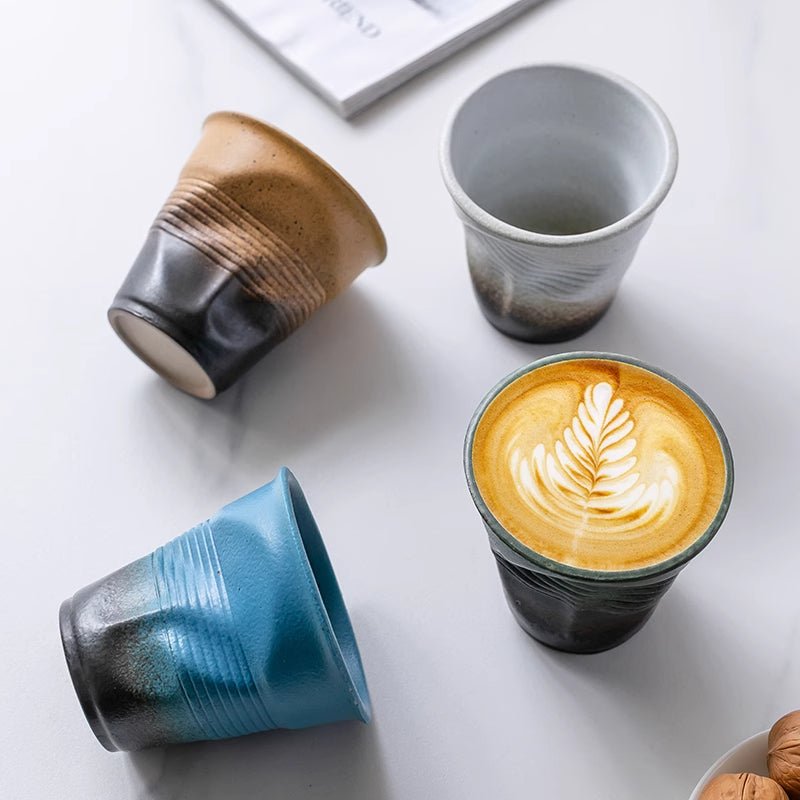
Affogato Cup Compact Kitchen Practical Purchase Checklist: 170–270 ml
Compare CoffeifyMug's verified 170 ml, 200 ml, and 270 ml options against the cabinet slot and counter space you actually use. This checklist separates known capacity and visible shape from details...
Read more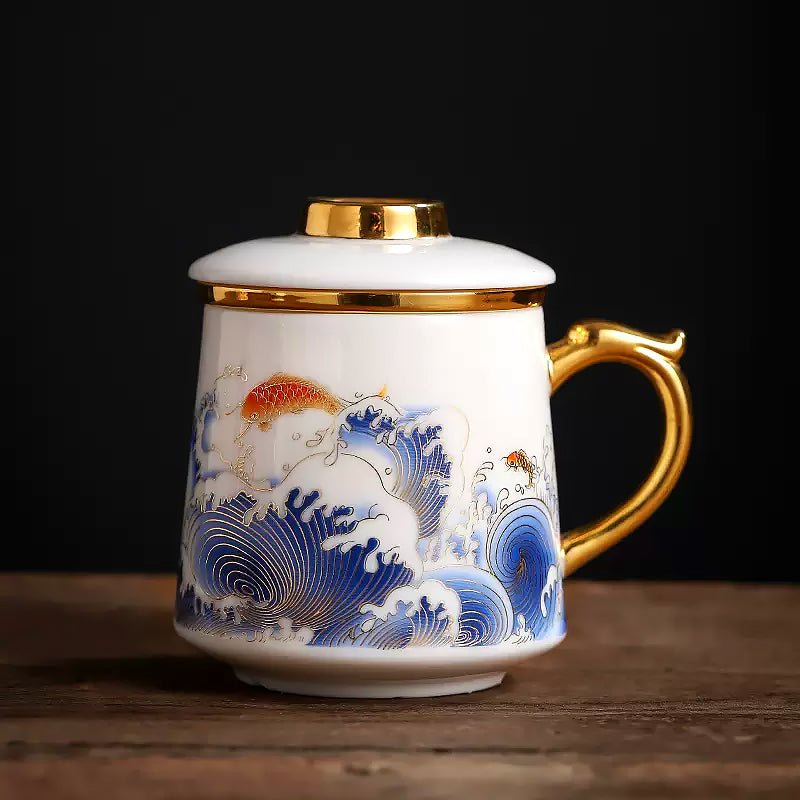
Ceramic Glazed Coffee Mugs Morning Routine Practical Purchase Checklist
Measure the drink you actually pour, decide how many refills your morning allows, then verify capacity, dimensions, and care on the live product page. This checklist separates dependable ceramic gu...
Read more
Leave a comment
This site is protected by hCaptcha and the hCaptcha Privacy Policy and Terms of Service apply.