



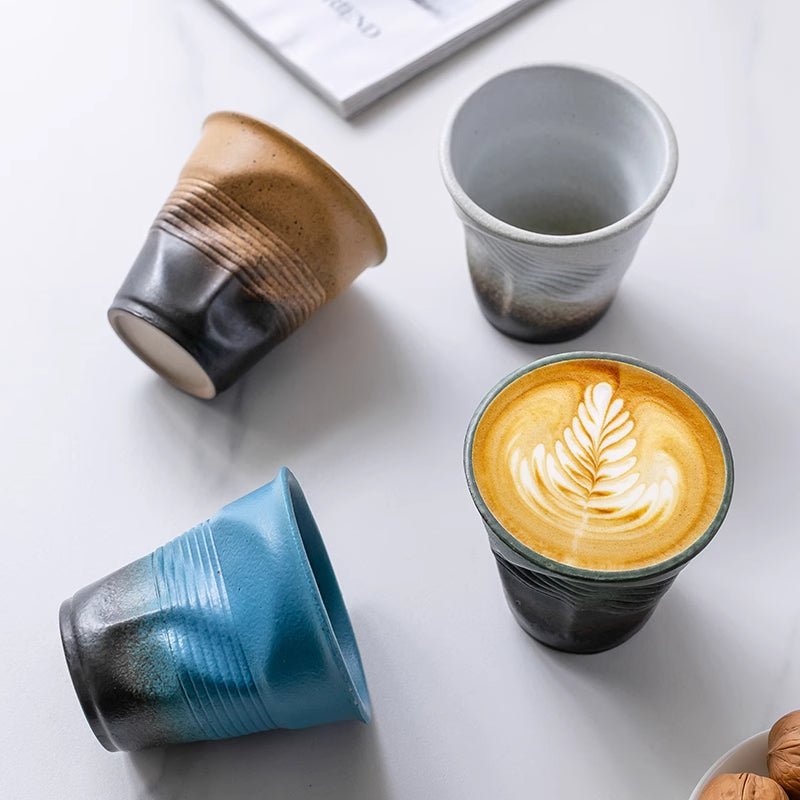
Pottery Tea Cups Replacement Purchase Product Shortlist Guide
Reading time: about 10 minutes
The cup that gets replaced is rarely the one that broke. More often it is the one you keep reaching past — too small for a working morning, awkward in the hand, or quietly distrusted since the day a hairline appeared near the rim. This pottery tea cups replacement purchase product shortlist guide starts from that specific failure, then compares only the three ceramic cups we stock today at 170 ml, 200 ml, and 250 ml.
We handle these cups on the same shelf, so the pattern is familiar. Buyers replacing a cup over capacity usually know their pour down to the ounce. Buyers replacing one over grip or glaze condition usually do not — and that is exactly the case where a shortlist beats a catalog. Here is the version with the trade-offs left in, including the situations where we would tell you to skip a cup rather than talk you into it.
Which failure are you actually replacing?
Before you compare shapes, write one sentence about the old cup. "It was too small" leads to a different purchase than "the handle hurt my fingers," and a replacement that fixes one problem can quietly reproduce the other.
- Capacity: You refill two or three times per sitting, or you leave the last third to go cold because it was more than you wanted.
- Grip: The handle pinches, or the wall is thin enough that a full cup feels hot against your fingers.
- Rim comfort: A thick or rolled rim changes how tea meets your mouth. If the old cup felt clumsy to drink from, note that too.
- Condition: A chip on the drinking edge, a structural crack, or glaze lines you cannot identify. Damage is a replace-now trigger, not a style decision.
- Uncertainty: An unmarked, antique, or heavily decorated cup you inherited rather than chose. The FDA states that no amount of washing, boiling, or other processing removes lead from pottery, so doubt about an old glaze is a reason to retire the cup — not to clean it harder.
Then measure. Pour water into the old cup to your normal drinking level, transfer it to a measuring jug, and write the number down. Measure a brim-full pour separately, because listed capacity and comfortable pour are not the same figure. Every cup needs headroom.
How we built this pottery tea cups replacement purchase product shortlist
Three filters, deliberately narrow: listed capacity in millilitres, ceramic body, and the visible form of the cup as shown on its product page. That is the full set of details we can stand behind before an order ships, and it is enough to separate the three candidates for most buyers.
What the shortlist does not do is fill gaps. Glaze chemistry, firing temperature, whether a saucer or infuser is part of the package, dishwasher and microwave status, and food-contact documentation are all product-specific. None of them can be inferred from a product name, a size number, or a photograph, so where those details decide your purchase we point you at the current listing instead of guessing on your behalf.
One more boundary: if your measured pour sits well outside 170–250 ml, none of these three is the right answer. Our unique coffee mugs collection is the better place to look for a genuinely different form rather than settling for the closest size here.
Retro, Pleated, or Ball Handle — which cup matches your pour?
Read the choose and skip lines as filters, not sales copy. Each cup solves one situation and disappoints a different buyer.
Retro Coffee Tea Cup — the 170 ml starting point
Your situation: the old cup was larger than your habit. You pour a modest serving, drink it while it is hot, and refill only if you want more.
Why it fits: the Retro Coffee Tea Cup is listed at 170 ml with a ceramic body — the smallest of the three, and the natural first comparison for a shorter pour.
Choose it if your measured pour lands comfortably below 170 ml and the Retro form shown on the product page suits how you hold a cup. Skip it if you already refill a small cup twice, or your habitual pour is close to the listed figure; a cup filled near its limit leaves little room to carry from kettle to desk without a spill.
Pleated Coffee Tea Cup — the 200 ml middle
Your situation: the old cup was only slightly too small. You want a bit more room without stepping up to the largest option on the shelf.
Why it fits: the Pleated Coffee Tea Cup is listed at 200 ml with a ceramic body — 30 ml above the Retro and 50 ml below the Ball Handle, with a pleated surface that gives you a different look at a size closer to a standard tea serving.
Choose it if a 30–50 ml increase is roughly the correction you need and you would rather gain a small margin than change category. Skip it if the old cup was far too small, or you need a confirmed handle measurement. Capacity alone cannot tell you whether the grip will suit your hand.
Ball Handled Coffee Tea Mug — the 250 ml ceiling
Your situation: the old cup kept you walking back to the kettle. You want a longer, more forgiving serving inside a ceramic cup rather than an oversized mug.
Why it fits: the Ball Handled Coffee Tea Mug is listed at 250 ml with a ceramic body — the most capacity of the three, with a ball handle as its visible distinguishing form.
Choose it if the extra volume is the real fix and the handle shape appeals to you. Skip it if your typical pour is a small tasting serving, or grip is your main concern and you cannot confirm dimensions first. A distinctive handle is not a guarantee of comfort for your hand.
What does 170, 200, or 250 ml actually get you?
Listed capacity is a starting figure, not a promise about usable room. Milk, a tea bag or infuser basket, and the need to carry a full cup across a room all eat into headroom.
| Option | Listed capacity | Best first comparison | Trade-off to accept |
|---|---|---|---|
| Retro | 170 ml | Short, hot pours | More refills for a long drink |
| Pleated | 200 ml | A small step up from a too-small cup | Only 30 ml more than the Retro |
| Ball Handle | 250 ml | The longest serving of the three | May exceed a short tasting pour |
For a reference point, the FDA describes a cup or mug as ceramic hollowware for hot beverages that normally, though not exclusively, holds about 240 ml (8 fl oz) and is made with a handle. The 250 ml Ball Handle sits just above that reference; the 200 ml Pleated and 170 ml Retro sit below it. That description also assumes a handle, which is one reason handleless tea cups never map cleanly onto standard capacity labels.
So calibrate against your own jug, not the table. If your measured pour is already 250 ml, treat none of these as a guaranteed fit and ask how capacity is measured. If you pour 60–80 ml at a time, even the Retro may hold more than you need — a dedicated small tasting cup outside this shortlist would serve you better.
What should you confirm about the glaze and the drinking surface?
Pottery is a broad category, not a safety certification. Earthenware, stoneware, and porcelain differ in clay body and firing maturity, and a product name or photo does not establish which one a cup uses. For all three cups here, the detail we can confirm is the ceramic body; everything else belongs to the listing or the seller.
The FDA's guidance on lead in glazed traditional pottery explains that lead in some glazes and decorations can migrate into food and drink when a piece is not properly manufactured and fired, while firing at the right temperature for the right time binds essentially all of it into the glaze. The agency's higher-concern examples include antique, damaged, or heavily worn ware, pieces from flea markets or unidentifiable makers, and brightly decorated pieces in orange, red, or yellow. Under FDA compliance guidance, cups and mugs carry a lead guideline of 0.5 micrograms per millilitre of leaching solution, and small hollowware carries a cadmium guideline of 0.5 micrograms per millilitre. FDA also states that ware with extractable lead should not be labelled "Lead Free."
None of that tells you what a specific cup contains. It tells you what to ask:
- Are the interior and the rim — the surfaces that touch tea and lips — fully glazed on this exact cup?
- Is there finished-piece documentation for the item being sold, and does it match this size and variant?
- Is any decoration applied over the glaze, or is any metallic finish present? Does that change how the cup should be used or cleaned?
- How does the seller describe dishwasher and microwave use for this specific piece?
Part of the inspection happens when the box arrives. Check the rim and interior for chips, rough bare patches, and cracks. Fine lines in the glaze may be crazing rather than a break through the body, but a photo will not settle the difference — pause use and ask about that specific cup. If a piece is permanently marked as decorative or not for food use, keep it off the tea shelf entirely.
Will the cup hold up to your dishwasher, microwave, and kettle?
Think about the whole day, not the first pour. At a desk you may reheat; at home the cup may run through a dishwasher every evening. Neither a ceramic body nor a capacity number establishes appliance compatibility.
- Check the current product page for care instructions on the exact cup before you order.
- If care details are missing or ambiguous, ask us rather than assuming — an unverified cup is not a practical replacement.
- Avoid sudden temperature swings, such as pouring boiling water into a cup that has been sitting cold by a winter window.
- Keep any metallic or overglaze decoration out of the microwave, and stop using a cup for drinks once a structural crack appears.
If dishwasher compatibility is non-negotiable for you, treat confirmed care instructions as a hard filter rather than a nice-to-have. We would rather you skip all three of these cups than buy one that cannot survive your routine.
Frequently asked questions
Does this pottery tea cups replacement purchase product shortlist guide cover microwave-safe cups?
No. The details we can confirm for the Retro, Pleated, and Ball Handle cups are listed capacity, ceramic body, and visible form. Microwave and dishwasher status are not established here, so check the current listing or ask us about the exact item before heating it.
Which of the three is closest to a 200 ml pour?
The Pleated Coffee Tea Cup is listed at 200 ml. If you need to pour a full 200 ml and still leave room below the rim, ask how that figure is measured — listed capacity and a comfortable fill level are different numbers.
Is a ceramic tea cup automatically safe for hot drinks?
No. Ceramic describes the material, not the suitability of a finished cup and its glaze for food contact. Check the seller's food-contact information for the specific piece and ask for supporting detail where it is missing.
Can I clean the lead out of an old pottery cup?
No. FDA guidance is clear that washing, boiling, and other processing do not remove lead from pottery. If you are worried about an older or unmarked cup, retire it from drink service while you look into it.
Should a cup with fine glaze lines be replaced?
Glaze lines may be crazing rather than a structural crack, but appearance alone does not settle whether a cup is still suitable for drinking. Pause use and ask about that specific piece; replace any cup with a structural crack or a damaged drinking edge.
Write a three-line brief before you add to cart
In our experience, replacement purchases go wrong when the buyer compares photographs instead of numbers. So do this first: one line for your measured pour, one line for the grip or rim detail that must improve, and one line for any food-contact or appliance requirement you cannot compromise on.
Then match. A short pour points to the 170 ml Retro ceramic cup; a modest correction points to the 200 ml Pleated cup; a longer, mug-adjacent serving points to the 250 ml Ball Handle mug. If none of the three clears your brief, browse the unique coffee mugs collection for a different form — and if a care or food-contact question is still open, message us before you order rather than after.
More from our blog
Ready to pick your mug? Two ways to save on today's order:
Ordering 1–3 mugs? Get an extra 10% off your 1st order with code 10_OFF Apply 10% Off & Shop Wooden-Handle Mugs →
Gifting 4+ mugs? Buy 3, Get the 4th Free applies automatically at checkout (no code needed; offers do not stack) · Free standard shipping (Nov pre-Christmas delivery: 15–20 calendar days US) · Free replacement if chipped in transit.
Popular mug buying guides: Ceramic Tea Cups & Infuser Mugs · Ceramic Mugs with Lids Compared · Wooden-Handle Tea Infuser Mugs Compared · Christmas & Secret Santa Mugs 2026 · Espresso & Cortado Cups Guide · Cup & Saucer Gift Sets · All 25 Mugs Spec Table · Mug Size Guide · Shipping & Promo FAQ
FIRST ORDER 10% OFF (CODE: 10_OFF) · OR BUY 3, GET THE 4TH FREE


Read more
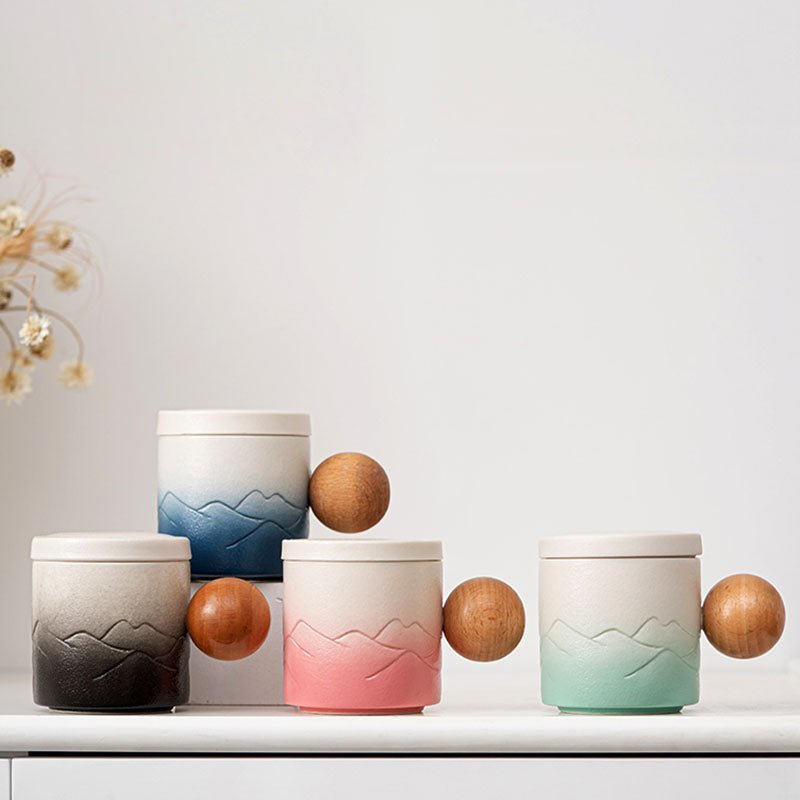
Wide Based Coffee Mugs Replacement Purchase Practical Purchase Checklist
Replacing a mug starts with why the old one failed: a rocking foot, a cramped handle, a refill too soon. This checklist covers base stability, five measurements, the listed 250 ml, 400 ml, and 480 ...
Read more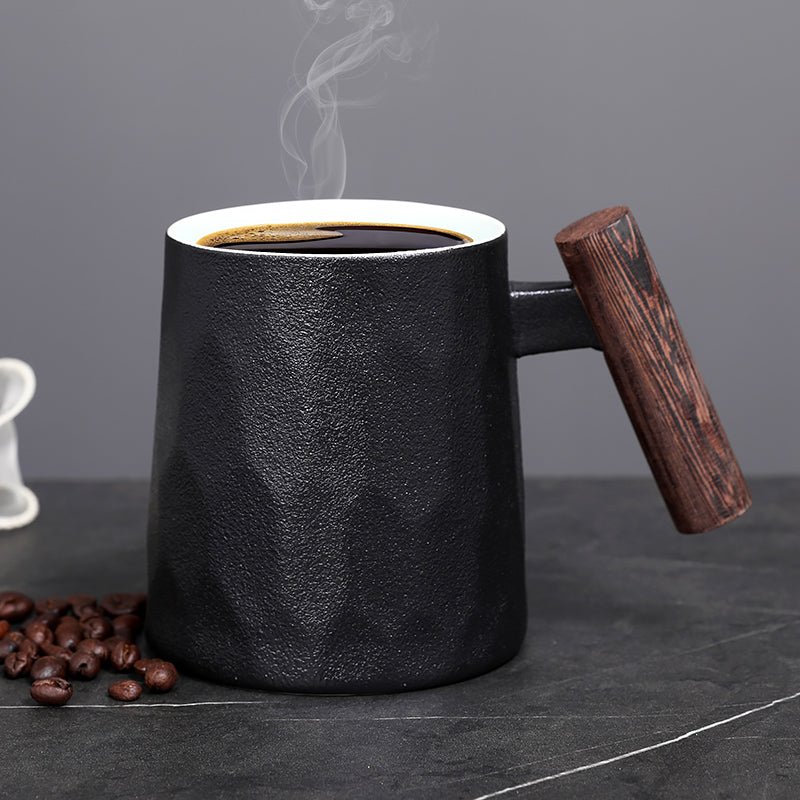
Latte Mugs Tall Replacement Purchase Product Shortlist Guide: 400-480ml
Replacing a chipped, spilling or too-tall latte mug is easier when you start from what went wrong. A scenario-based shortlist of 400, 440 and 480 ml vessels, plus the measurements and care claims t...
Read more
Leave a comment
This site is protected by hCaptcha and the hCaptcha Privacy Policy and Terms of Service apply.