



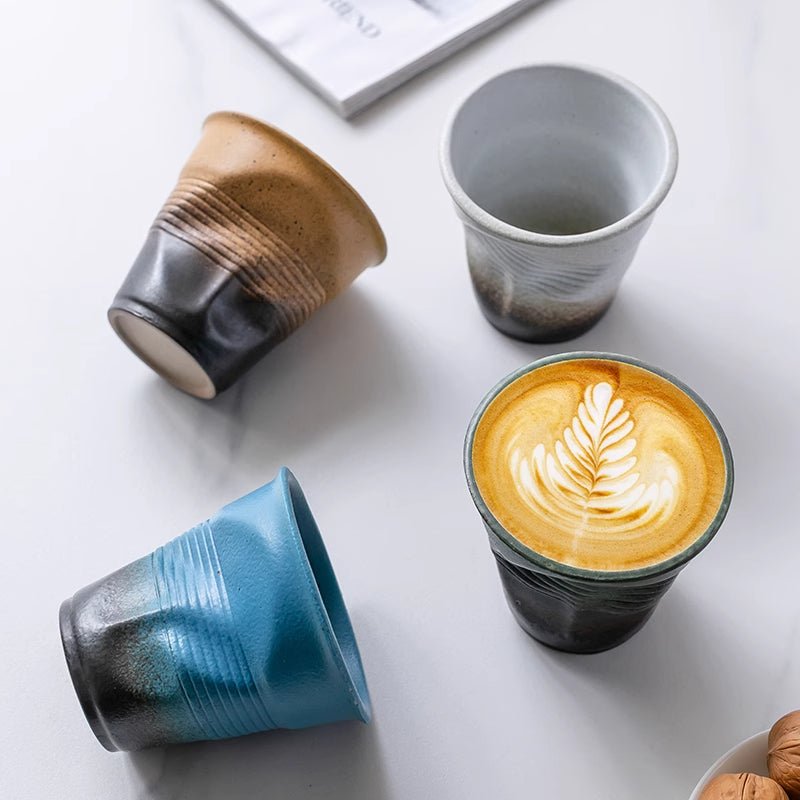
Pottery Tea Cups Home Coffee Station Product Shortlist Guide
Reading time: about 10 minutes
A 250 ml mug can be the wrong cup for a 6 oz pour. That sounds backward until you watch someone fill a wide mug with a small gongfu steep, set it down beside a grinder, and lose the tea's heat before the second infusion. Building a home coffee station is mostly a game of fit: brewer clearance, tray depth, hand comfort, and the volume you actually drink. This pottery tea cups home coffee station product shortlist guide is our store's practical filter for three ceramic cups we sell, with clear reasons to choose or skip each one.
What usually goes wrong when pottery tea cups live on a coffee station?
The first failure is rarely the glaze. It is a capacity mismatch that only shows up after the first week. In our store, we hear the same three complaints from people who bought by looks instead of pour size:
- The cup is too wide for the pour. A short espresso or concentrated tea spread across a wide floor cools faster and looks lost in the cup.
- The cup is too tall for the brewer. A mug that fits the shelf may not fit under the portafilter spouts without removing the drip tray.
- The handle looks good but crowds the tray. A sculptural handle can be comfortable in hand and still steal space from a scale, tamper, or spoon rest.
Those are fit problems, not style problems. The glaze and rim checks matter, but they come after you know how much liquid the cup should hold and where it will sit.
Pottery tea cups home coffee station product shortlist guide: which listed capacity fits your pour?
We keep this shortlist to three cups because a longer list turns into a catalog. Each option below is a different job: a short concentrated pour, a middle-weight daily cup, and a standard handled serving. The capacities are the listed catalog figures; the choose-and-skip notes are the practical part.
Retro Coffee & Tea Cup, 170 ml: choose it for short, hot pours
The Retro Coffee & Tea Cup has a listed 170 ml capacity and a ceramic body with a vintage-leaning profile. It is the smallest cup in this shortlist, and that is the point. A compact cup keeps a small volume deep enough to hold heat instead of spreading it thin.
- Choose it if: you drink cortados, macchiatos, short Americanos, or small gongfu-style tea steeps and want the drink to stay warm to the last sip.
- Choose it if: your station is tight and you need a cup that sits beside a grinder without dominating the tray.
- Skip it if: your normal morning drink is a 10-ounce pour-over, a large latte, or a long tea steep. You will refill it twice and resent the extra trips.
Pleated Coffee & Tea Cup, 200 ml: the middle ground for mixed tea and coffee use
The Pleated Coffee & Tea Cup lists 200 ml and has a ceramic body with a pleated, textured exterior. That texture is not just decoration; it gives your fingers something to catch when the cup is warm and your hands are wet from rinsing a dripper.
- Choose it if: you want one cup for green tea, oolong, flat whites, and single-cup filter pours without moving up to a full mug.
- Choose it if: you like a cup that feels secure in the hand without relying on a large loop handle.
- Skip it if: you want a pronounced handle for a full fist grip. Confirm the handle style on the live listing before you assume this shape will suit you.
Ball Handled Coffee & Tea Mug, 250 ml: the standard-serving option
The Ball Handled Coffee & Tea Mug lists 250 ml and has a ceramic body with a visible ball handle. The FDA's reference description of a cup or mug is about 240 ml (8 fl oz) with a handle, so this is the closest match in the shortlist for a standard hot beverage serving by volume and form.
- Choose it if: you drink a standard 8-ounce drip coffee, a full black tea steep, or an herbal infusion and want a handle between your fingers and the hot wall.
- Choose it if: you move from counter to desk and want a positive grip while carrying a full cup.
- Skip it if: your shelving is tight or you hang cups. The ball handle needs clearance and does not nest as neatly as a straight-sided cup.
| Model | Listed capacity | Visible form | Best fit | Main reason to skip |
|---|---|---|---|---|
| Retro Coffee & Tea Cup | 170 ml | Ceramic body, vintage-leaning profile | Short espresso, concentrated tea | Too small for 10-ounce pours |
| Pleated Coffee & Tea Cup | 200 ml | Ceramic body, pleated exterior | Green tea, flat white, single-cup filter | Confirm handle style if you want a large loop |
| Ball Handled Coffee & Tea Mug | 250 ml | Ceramic body, ball handle | Standard 8-ounce coffee or tea | Handle needs shelf clearance |
If none of these three shapes suits your station, compare other silhouettes in our unique coffee mugs collection. Keep the same fit tests: listed capacity, handle clearance, and the glaze checks below. A different shape should solve a space or grip problem, not just change the color.
Which glaze and rim details matter on a daily-use pottery tea cup?
A cup can pass the capacity test and still fail daily use at the rim. We look at four details before we would keep a pottery cup in a hot-drink rotation.
- Interior glaze coverage. The surface that touches tea or coffee should be fully glazed and smooth. Bare patches on the drinking surface are a stop-and-check, not a rustic feature to ignore.
- Crazing versus a crack. Fine crackle can be intentional. A crack that catches a fingernail, or a glaze that has lifted from the body, is different. Retire that cup from hot drinks.
- Lip decoration. Metallic lusters and overglaze decoration near the rim are common worry points. They are also product-specific. Ask the maker before you put one in a microwave or assume it is fine for daily use.
- Foot ring finish. A rough, unsanded foot ring can scratch a wood tray or quartz counter. Run a thumb around the base before the first use; if it feels sharp, set it on a coaster or felt pad.
Lead and cadmium are the serious version of this conversation. FDA guidance says lead can leach from improperly made glazes or decorations, and that proper firing binds lead into the glaze. For context, FDA's lead guideline for cups and mugs is 0.5 micrograms per milliliter of leaching solution in any one of six units; cadmium has a separate guideline for small hollowware. FDA also says no amount of washing, boiling, or other processing removes lead from pottery. We will not call a cup lead-free just because it looks handmade or because a listing uses the phrase casually. If a piece is antique, damaged, from a flea market, or brightly decorated in orange, red, or yellow, treat it with more caution and ask for the maker's food-contact statement.
Where the 170 ml, 200 ml, and 250 ml cups fit or fail around a brewer
Counter fit is where a shortlist becomes real. Measure the space you actually have, then match the cup to the brewer and the shelf.
- Espresso clearance: a short 170 ml cup is easier to slide under portafilter spouts. A taller 250 ml mug may force you to remove the drip tray. Check your machine before you buy for height.
- Heat retention: ceramic holds heat, but a cold cup steals it. Pre-warm any of these with a splash of hot water, then empty it before you brew or steep. This matters most with the 170 ml cup because a small pour has less thermal mass to recover.
- Hand comfort: the 250 ml Ball Handled mug isolates your fingers with a handle. The 200 ml Pleated cup relies on its textured exterior for grip. If you have limited hand strength or pour boiling water directly into the cup, a handle is the safer choice.
- Not the right tool for: a 16-ounce desk mug, a travel cup, or a large iced coffee. None of these three is built for that job. If you need a commuter vessel, skip this shortlist and look for a lidded option.
Capacity is not the same as usable volume. A cup filled to the absolute brim is a spill waiting to happen on the walk from kitchen to desk. Leave a finger-width of headroom.
How should you verify a listing before buying pottery tea cups for hot drinks?
Our listed facts for these three cups are capacity, ceramic body, and visible form. That is enough to sort the shortlist, but not enough to answer every care question. Before you add one to your cart, verify the rest on the live product page.
- Find the food-contact statement. Look for a clear glaze and food-use description. If the page is silent, ask before buying. Do not assume that a handmade look means food safe.
- Check dishwasher and microwave guidance. Ceramic is not automatically dishwasher safe or microwave safe. Any metallic rim or overglaze decoration should stay out of the microwave. When the listing is unclear, hand washing is the safer default.
- Confirm the handle and rim. Look for a photo of the cup in hand or a stated handle style. If you need a full-fist handle, the 200 ml Pleated cup may not be the right shape; confirm before you choose it.
- Ask about thermal shock. Do not pour boiling water into a cup that has been sitting in a cold draft or a chilly cabinet. Warm it gradually with tap water first.
- Inspect on arrival. Check the interior glaze, the rim, and the foot ring before the first brew. A chip or a bare patch on the drinking surface is a return conversation, not a seasoning step.
We would rather you ask two extra questions than keep a cup that never earns a place on the tray. That is the real test of a shortlist: not how it photographs, but whether you reach for the same cup tomorrow.
Frequently asked questions
Are these pottery tea cups food safe for hot coffee and tea?
We cannot confirm food-contact status from capacity alone. Check the live listing for the glaze and food-use statement on the exact cup you are buying. Look for a fully glazed drinking surface, no bare patches, and no cracks that catch a fingernail. If the listing is silent, ask before buying.
Which size should I pick for a dual-purpose coffee and tea station?
For most stations, the 200 ml Pleated Coffee & Tea Cup is the middle ground. The 170 ml Retro suits short concentrated pours, while the 250 ml Ball Handled mug is the closest match to a standard 8-ounce serving. If you regularly drink 12 to 16 ounces, skip all three and choose a larger mug.
Can pottery tea cups go in the dishwasher or microwave?
Check the maker's statement for the exact cup. We do not treat ceramic as automatically dishwasher safe or microwave safe, and any metallic rim or overglaze decoration should stay out of the microwave. Hand washing is the safer default when the listing is unclear.
Where should I start with this pottery tea cups home coffee station product shortlist guide if my counter is tight?
Start with the 170 ml Retro Coffee & Tea Cup if you need low clearance and short pours. If you have room for a handle and want a standard serving, the 250 ml Ball Handled Coffee & Tea Mug is the more practical daily cup. Measure the space beside your brewer before choosing.
Is crazing on a pottery tea cup a dealbreaker?
Fine crackle can be intentional, but a crack that catches a fingernail or a glaze that has separated from the body is a reason to stop using the cup for drinks. When in doubt, retire it to dry storage and use a different cup for hot tea or coffee.
More from our blog
Ready to pick your mug? Two ways to save on today's order:
Ordering 1–3 mugs? Get an extra 10% off your 1st order with code 10_OFF Apply 10% Off & Shop Wooden-Handle Mugs →
Gifting 4+ mugs? Buy 3, Get the 4th Free applies automatically at checkout (no code needed; offers do not stack) · Free standard shipping (Nov pre-Christmas delivery: 15–20 calendar days US) · Free replacement if chipped in transit.
Popular mug buying guides: Ceramic Tea Cups & Infuser Mugs · Ceramic Mugs with Lids Compared · Wooden-Handle Tea Infuser Mugs Compared · Christmas & Secret Santa Mugs 2026 · Espresso & Cortado Cups Guide · Cup & Saucer Gift Sets · All 25 Mugs Spec Table · Mug Size Guide · Shipping & Promo FAQ
FIRST ORDER 10% OFF (CODE: 10_OFF) · OR BUY 3, GET THE 4TH FREE


Read more
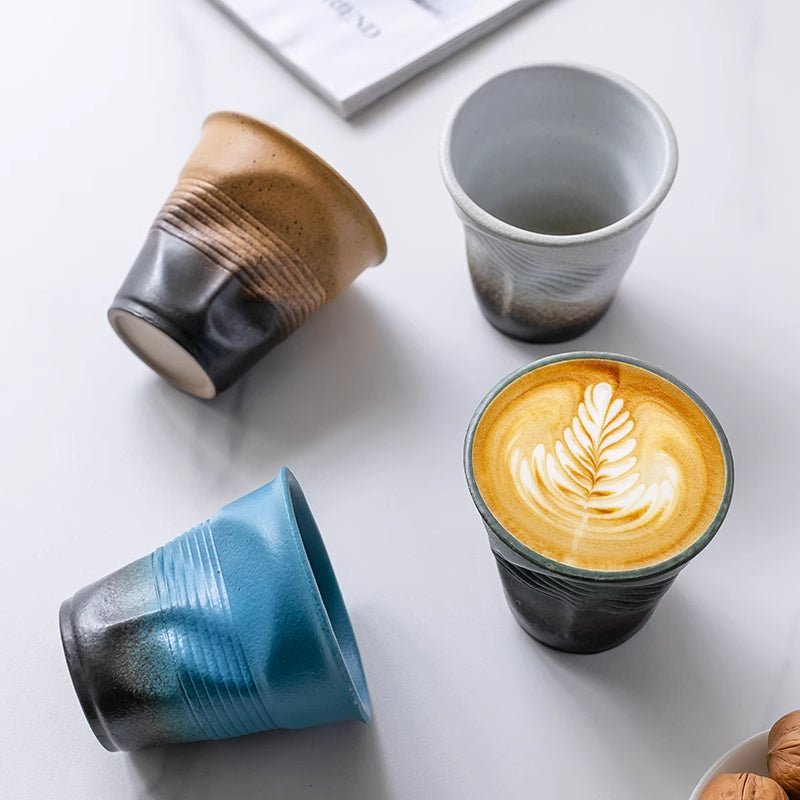
Coffee Mug Gifts Ideas Home Coffee Station Product Shortlist Guide
A practical shortlist for coffee mug gifts: the 200 ml Pleated cup, 400 ml Flow mug and 440 ml Morning and Night mug, matched to real drinking routines, with honest skip reasons and glaze checks.
Read more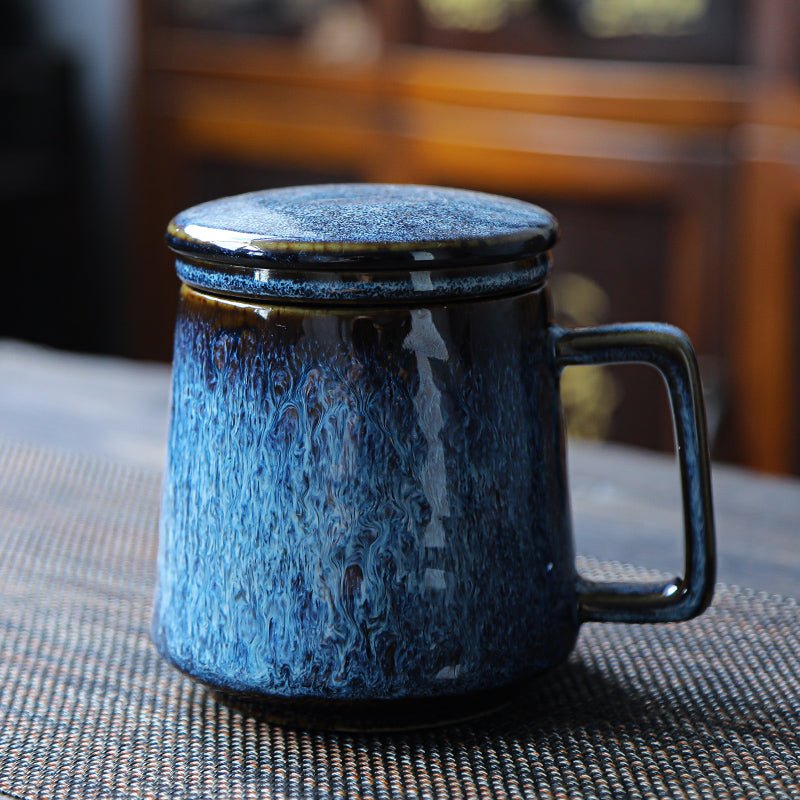
Large Round Coffee Mugs Home Coffee Station Product Shortlist Guide
A practical shortlist anchored to the three capacities we list—400 ml, 440 ml and 480 ml—with explicit reasons to pick or skip each. It then covers brewer clearance, handle room, realistic fill lin...
Read more
Leave a comment
This site is protected by hCaptcha and the hCaptcha Privacy Policy and Terms of Service apply.