
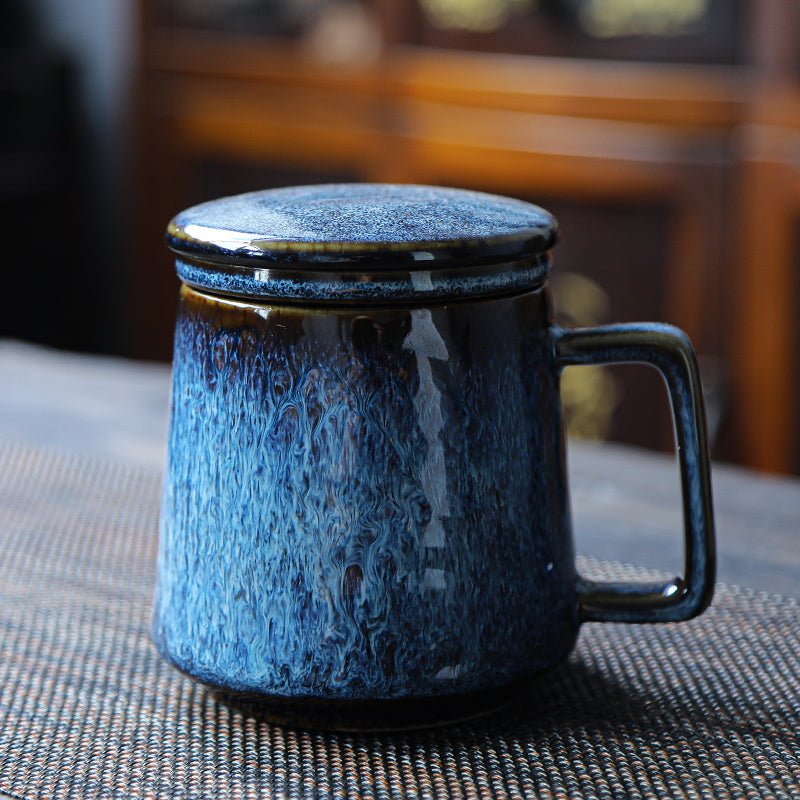
Mocha Mug Shared Household Practical Purchase Checklist: 400-480 ml
Reading time: about 10 minutes
Two mugs can share the same draining board and still serve very different habits. One person pours a modest morning coffee, while another wants a larger cocoa serving with enough space to stir without bringing the drink close to the rim. In our experience selling mugs, these small differences cause more daily friction than color or pattern. This mocha mug shared household practical purchase checklist starts with the amount each person actually drinks.
Our catalog gives us three firm comparison points: The Flow is listed at 400 ml, Morning and Night at 440 ml, and The Rock at 480 ml. Their descriptions support coffee and cocoa use. You can see the wider style range in our unique coffee mugs collection and use The Flow 400 ml product page as the first capacity reference.
We deliberately keep the claims narrower than the photos may suggest. Capacity does not confirm exterior dimensions, empty weight, material, microwave compatibility, dishwasher care, comfortable fill level, or heat retention. Those details need to be checked on the current product page or item care information before purchase.
Mocha mug shared household practical purchase checklist: start with actual pours
A household does not need one universal serving size. It needs a clear record of what each person pours. Capacity is the upper limit published in the catalog, not an instruction to fill every mug to the rim.
Use a measuring jug and room-temperature water to check a familiar mug. This avoids transferring a hot finished drink just to estimate volume. For each person, record:
- Normal fill: Measure the volume at the level they use most days, not the largest serving they can imagine.
- Preferred headspace: Note whether they need extra room for stirring and carrying the mug from counter to table.
- Refill pattern: A person who prefers two smaller pours may not benefit from the largest capacity.
- Usual destination: Record whether the mug stays at the kitchen table, moves to a desk, or sits beside a sofa.
- Storage limit: Measure cabinet shelf height and depth before assuming the lowest-capacity mug has the smallest exterior.
Keep each person's result separate. A 480 ml preference for one housemate does not make 480 ml the correct choice for everyone else, and there is no need to treat the three products as a matched bundle.
How do 400, 440, and 480 ml divide household preferences?
| Product | Verified capacity | Reader situation | Why it may fit | Main trade-off |
|---|---|---|---|---|
| The Flow | 400 ml | A housemate usually chooses the most modest coffee or cocoa serving in this comparison. | It has the lowest listed capacity of the three, so it avoids buying unused liquid capacity. | It provides 40 ml less nominal room than Morning and Night and 80 ml less than The Rock. |
| Morning and Night | 440 ml | A person's measured serving makes 400 ml feel restrictive, but 480 ml appears unnecessary. | Its capacity sits exactly between the other two options, creating a practical middle step. | It will not satisfy someone specifically seeking the largest listed capacity. |
| The Rock | 480 ml | A housemate regularly wants the largest serving or the most nominal headspace in this group. | It offers the highest verified capacity, 80 ml above The Flow. | More liquid means more filled weight, and the capacity does not prove that the mug will fit a particular shelf or dishwasher rack. |
These are capacity-based recommendations, not statements that one design is objectively better. The catalog descriptions support coffee and cocoa as uses, but they do not establish a recipe, drink authenticity, included ingredients, cafe testing, or heat-retention performance. Each link also leads to an individual product page; this comparison does not promise that the mugs are sold as a set.
Does a 40 ml capacity step make a practical difference?
Forty milliliters is approximately 1.35 US fluid ounces. The full gap between 400 and 480 ml is approximately 2.7 US fluid ounces. That difference can matter when a person's normal pour already sits close to the rim of a current mug. It matters much less if every housemate normally pours around 300 ml.
Consider two realistic households. In the first, everyone pours well below 400 ml and leaves comfortable headspace. All three listed capacities could work, so handle fit, cabinet clearance, care instructions, and style should decide the purchase. In the second, one person regularly finds a 400 ml nominal capacity too close to their preferred upper limit. That person has a reason to compare 440 and 480 ml, while the other residents may still prefer 400 ml.
A larger mug does not have to be filled completely, but unused capacity still affects the buying decision. The empty mug's weight and outer dimensions remain unknown here, so capacity alone cannot tell us how heavy, tall, or wide it will feel in the hand.
Which product details remain to be checked before checkout?
A useful checklist separates verified facts from unresolved ones. We can stand behind the three listed capacities and the stated coffee-and-cocoa use. The following points still require confirmation from the current listing, packaging, care label, or our store before ordering:
- Material and finish: Do not infer stoneware, porcelain, or another ceramic body from a photo or the word mug. If material matters to you, look for an explicit specification.
- Full exterior dimensions: Check height, body diameter, base diameter, and total width including the handle. Capacity does not reveal any of these measurements.
- Handle clearance: A handle can look generous in a product image while still feeling tight for a particular hand. Look for measurements or ask before buying if grip space is decisive.
- Empty weight: The 480 ml option can hold 80 ml more liquid than the 400 ml option, but total carrying weight also depends on the mug body and the drink.
- Care instructions: Dishwasher-safe and microwave-safe are separate claims. Confirmation of one does not establish the other.
- Comfortable fill level: A published capacity may not tell you how much room remains below the rim during normal use. Do not assume nominal capacity equals the ideal everyday pour.
There is also a simple arrival inspection we use for this category. Check the rim for chips, look closely at both handle joins for a hairline crack, and place the empty mug on a flat counter to check for unexpected wobble at the base or foot ring. If the mug has a glazed surface, inspect any unexpected crack pattern or damaged area before use. For a gift, complete this check before the handoff rather than discovering a problem during the unboxing.
Do not run the first dishwasher cycle until the product's care guidance confirms that method. If the page, packaging, and item label appear to conflict, pause and ask our store rather than relying on a general mug-care assumption.
Where will each mug sit during a shared day?
Cabinet fit is the first shared-kitchen constraint. Measure the shelf opening and the usable depth with the cabinet door closed. The 400 ml Flow has the lowest liquid capacity, but that does not prove it is shorter or narrower than the 440 or 480 ml options. Shoppers working with limited shelving can use our compact-kitchen mocha mug checklist to review placement questions in more detail.
Counter behavior matters too. A crowded breakfast counter creates different priorities from a clear dining table. Base diameter, foot-ring contact, and handle projection affect placement, but none can be derived from capacity. If a broad base is your leading requirement, the separate ceramic wide-bottom shared-household checklist explains that decision without assuming these three products share that construction.
A mug that regularly moves to an office or study area needs another check: desk footprint, handle clearance beside a keyboard, and the filled weight carried between rooms. Our home-office mocha mug checklist covers that workflow. Capacity still starts the comparison, but a desk user should not select 480 ml merely because it is the largest number.
When is a larger mocha mug the wrong choice?
The Rock's 480 ml capacity is useful for the person who genuinely wants that room. It is not automatically the household upgrade. A larger nominal capacity is a poor fit for someone who dislikes carrying extra liquid weight, habitually leaves part of a serving unfinished, or has not confirmed the mug's exterior fit in a crowded cabinet or dish rack.
The Flow's 400 ml capacity has the opposite limitation. It is not the best match for a person whose measured pour plus desired headspace approaches that nominal limit. Morning and Night's 440 ml capacity can bridge the two, but a midpoint is only useful if it matches an actual serving habit.
Capacity also cannot answer every product need. If sealed spill resistance is mandatory for commuting, verify that requirement explicitly or choose a purpose-built lidded travel vessel. If heat retention is the deciding factor, these capacity facts are insufficient. If compact stacking is essential, exterior shape and stacking guidance must take priority over the 400-480 ml comparison.
How can housemates choose individually without assuming a set?
- Measure each person's everyday volume with room-temperature water and record the result separately.
- Add the person's preferred working space below the rim, but do not invent a universal headspace allowance.
- Use 400, 440, and 480 ml as comparison ceilings, then confirm how the product page defines capacity if comfortable fill is critical.
- Match a modest-capacity preference to The Flow, a genuine middle requirement to Morning and Night, or the largest requirement to The Rock.
- Check material, dimensions, empty weight, handle clearance, care, and appliance compatibility on each individual listing.
- Confirm the purchase format and current availability. The three links in this article are separate product paths, not evidence of an included three-mug set.
This method also leaves room for mixed choices. One household may reasonably select a 400 ml mug for a frequent coffee drinker and a 480 ml mug for a cocoa drinker, while another may decide that 440 ml works for both. The right result comes from separate serving habits, not forced visual uniformity.
Frequently asked questions
Is a 400 ml or 480 ml mocha mug better for a shared household?
Neither capacity is universally better. Choose 400 ml for the person whose measured serving and desired headspace fit that capacity, and consider 480 ml for someone who needs the largest amount of room in this comparison. Confirm comfortable fill and exterior dimensions before checkout.
Are The Flow, Morning and Night, and The Rock sold as a three-mug set?
They are presented here through three separate product listings, not as a promised set. Check each current product page for its purchase format, quantity, availability, and included contents before ordering.
Can these mocha mugs go in the dishwasher or microwave?
The verified facts supplied for this comparison do not establish dishwasher or microwave compatibility. Check the current listing and item care label because those are separate specifications; do not infer either one from the mug's appearance or beverage description.
What should a mocha mug shared household practical purchase checklist confirm?
It should confirm each person's normal serving volume, desired headspace, cabinet and dishwasher clearance, handle needs, material, empty weight, and care instructions. It should also separate known capacity facts from details that remain unverified.
Does a 480 ml mug keep cocoa hot longer than a 400 ml mug?
Capacity alone cannot support that claim. Heat retention depends on factors not verified in this comparison, including construction, wall geometry, lid use, starting temperature, and the surrounding environment.
The two-minute checkout check
- Write one measured serving volume beside each housemate's name.
- Circle 400, 440, or 480 ml only when it leaves that person with suitable working room.
- Measure the intended shelf, dish rack, or desk area.
- Verify material, dimensions, weight, handle clearance, and care on the live product page.
- Choose each product individually and confirm the listing quantity.
Use this mocha mug shared household practical purchase checklist beside the current listings, then return to the CoffeifyMug unique coffee mugs collection to compare the available designs. Do not place the order until the selected capacity and the remaining product details both fit the person who will use the mug.
Read more
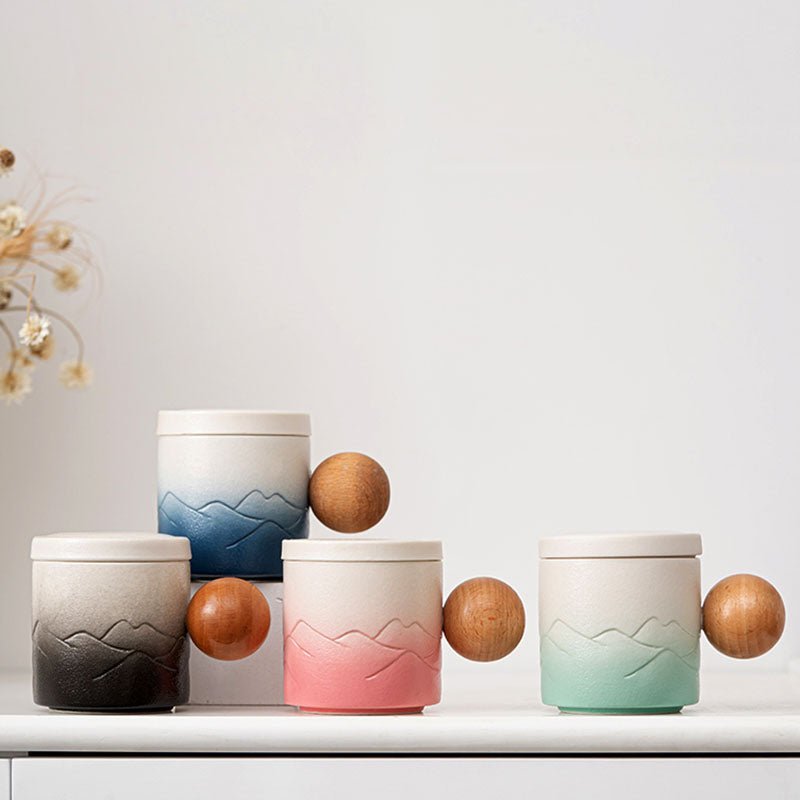
Ceramic Espresso Cup Shared Household Practical Purchase Checklist
Compare CoffeifyMug's 170 ml Retro, 200 ml Pleated, and 250 ml Ball Handle ceramic vessels by serving habit, storage, appliance clearance, and cleanup expectations. Clear product limitations help e...
Read more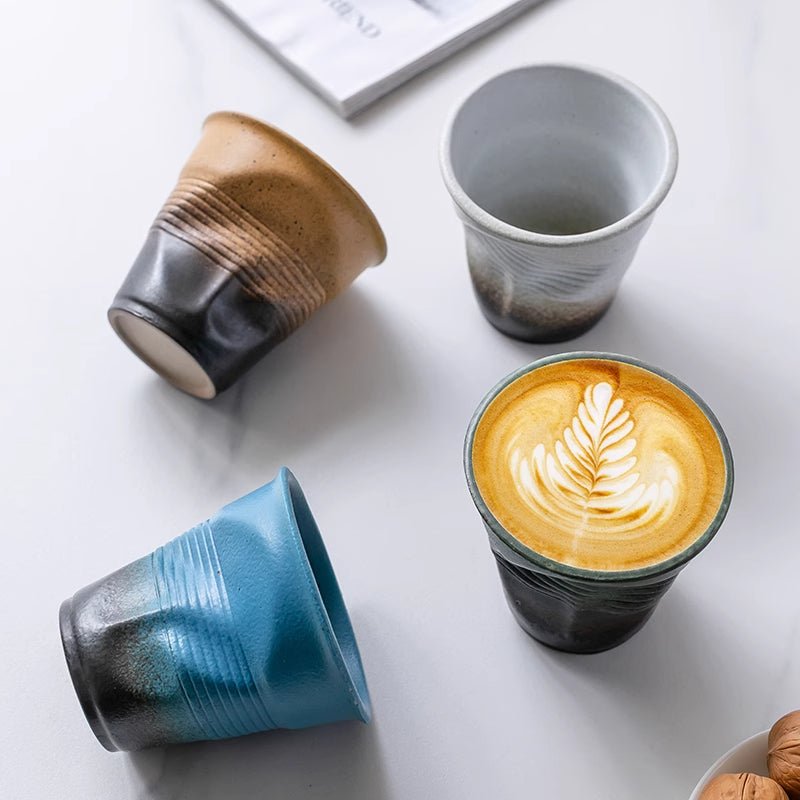
Flat White Cup Shared Household Practical Purchase Checklist
Compare CoffeifyMug's verified 200 ml, 250 ml, and 270 ml options by serving habit, usable headroom, grip, storage, and care questions. Includes a household vote and arrival inspection.
Read more
Leave a comment
This site is protected by hCaptcha and the hCaptcha Privacy Policy and Terms of Service apply.