



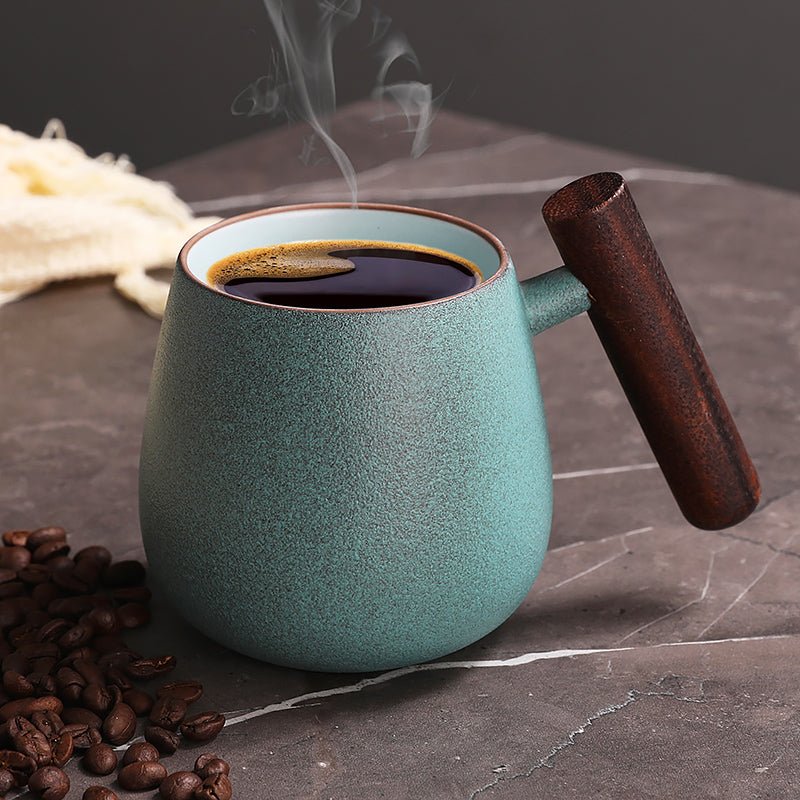
How to Choose Ceramic Mug for Home Reading Nook and Coffee: 5 Checks
Reading time: about 11 minutes
The coffee goes cold at roughly the same page every night. Not because the mug is bad — because a reading nook asks different things of a mug than a kitchen counter does. It has to balance on a narrow side table, come up one-handed without a glance, and sit in your palm for forty minutes while the other hand keeps the book open.
We sell ceramic mugs, and the same three worries arrive with nearly every reader who is setting up a chair, a lamp and a small table: will it tip, will it stay warm through a chapter, will it leave a ring on the wood. In our experience handling this category day to day, how to choose ceramic mug for home reading nook and coffee setups comes down to five physical checks — rim, handle, capacity, body weight, base — that a tape measure can settle tonight.
Why does a reading nook punish a mug that works fine at breakfast?
A breakfast mug is judged on capacity and how it survives the dishwasher. A nook mug is judged on four things that have nothing to do with breakfast:
- One-handed grip. You lift it without looking up from the page, usually hooking two fingers through the handle rather than closing a whole hand around the body.
- An unstable landing zone. Side tables are small, sometimes round, sometimes two stacked books. A wide base overhangs the edge; a narrow one tips at the first elbow nudge.
- Long dwell time. Coffee sits there for half an hour or more, so heat loss matters far more than during a five-minute stand-up at the counter.
- Close-range looks. The mug is in your sightline and in your hand for the whole session, which is why aesthetics are half the purchase here instead of a vanity extra.
That last point is why nook buyers tend to open the unique coffee mugs collection instead of grabbing the plain white stack by the kettle. The mug becomes part of the room, not just a vessel for it.
Which three measurements decide whether a mug feels right in a reading chair?
Most listings lead with capacity and colour. The numbers that actually shape an evening are the rim, the handle opening and the footprint.
| Measurement | Why it matters in a nook | Sensible starting point |
|---|---|---|
| Rim diameter | A wide rim exposes more liquid surface and cools faster; a very narrow rim forces a bigger head tilt | Roughly 3.25–3.75 in on a 10–12 oz mug |
| Handle opening | You hook it with two fingers while the other hand keeps the book open | Room for two fingers with knuckle clearance |
| Base diameter | Small round tables and tray edges leave very little margin | Under about 3.5 in leaves room for a coaster |
| Overall height | A tall mug rises above a low tray lip and is easier to catch with a sleeve | Shorter than your tray rim |
A wide rim also pushes more aroma toward your nose — pleasant with a light roast, a bit much with a dark one. A narrow rim holds heat but forces a heavier tilt, which is awkward when you are trying not to lose your place. Handles are where inexpensive mugs fail first: if only one finger fits, you end up gripping the hot body instead, and that is the mug that ends up on the floor beside the armchair.
How many ounces match a 30-minute read versus a two-hour one?
Ceramic is not a thermos, and no glaze changes that. What you can do is match capacity to your reading rhythm so the coffee is finished while it still tastes good.
- 8 oz: enough for a short news scroll; gone before the chapter ends.
- 10–12 oz: the sweet spot for most readers — about one chapter per fill, still light in one hand.
- 14–16 oz: workable for long sessions, noticeably heavier one-handed, and the last third always goes lukewarm.
- 20 oz and up: a desk or sofa mug, not a nook mug.
Wall thickness matters as much as volume. Thick walls hold heat longer and feel steadier on a narrow armrest, but they get heavy by minute forty. Thin walls warm quickly and give that heat back just as quickly — lovely for the first ten minutes, disappointing for the next thirty. That is the trade-off we explain most often to customers: no ceramic mug is both featherweight and slow-cooling.
Stoneware, porcelain or bone china — which body suits a chair-side mug?
Ceramic is a family, not a single material, and the differences show up in your hand at minute thirty.
- Stoneware. Dense, thick-walled and heavy. Holds heat longest and feels planted on a narrow table, but a large stoneware mug is a real weight to lift one-handed and it lands hard on a wood floor.
- Porcelain. Thinner walls, lighter in the hand, warms fast and cools fast. Better for smaller pours and for readers who dislike heft.
- Bone china. The lightest of the group and often the most translucent, also the most fragile at the rim. Lovely in a quiet corner, unforgiving on a hard floor.
- Earthenware and terracotta. Warmer look, softer body, more prone to rim chipping, and generally needs a fully glazed surface for daily coffee.
Handling stock changes how you read a mug. A mug that feels solid on the shelf is often the one a reader sets down and forgets to pick up again; a mug that feels delicate is the one that gets promoted to a bookshelf and never used.
What does an unglazed foot ring do to a wooden side table?
Turn the mug over before you look at anything else. The foot ring — the raw clay ring the mug stands on — is slightly abrasive when it is left unglazed. On oiled oak, waxed walnut or a painted tray it can leave a faint grey scuff over a winter of nightly use. A cork or felt coaster solves it, and a self-adhesive felt pad solves it invisibly. If you would rather not think about it, look for a fully glazed base.
Crazing is the other long-term issue: fine hairline cracks that develop in a glaze after repeated thermal shock. Pouring boiling water into a mug that has been sitting in a cold room is the usual cause, so preheat with a splash of hot tap water and give it thirty seconds before the real pour. Half a minute of patience, several extra years of glaze.
Dishwasher and microwave suitability are per-glaze statements, not universal ceramic facts. Matte glazes can dull after years of harsh detergent cycles, and metallic lustre or gold-rim finishes generally should stay out of a microwave. Read the care line on the specific listing instead of assuming from a photograph — and if there is no care line, treat that as a gap worth asking about before you buy.
Which glaze works with your nook's light and your coffee habit?
Light direction changes how a glaze reads. A north-facing window with cool daylight makes cream, oatmeal and speckled finishes look soft and expensive, while dark glazes can go flat and grey in the same corner. A warm floor lamp flips the result: deep matte glazes look rich, and bright white can glare at the edge of your vision for a whole chapter.
Practicality follows the same split. Dark glazes show dried coffee film and water spots between washes; light glazes gradually pick up tea and coffee staining at the rim. A two-cups-a-day reader is usually happiest with a mid-tone speckle, which hides both. If your nook is a built-in shelf wall or a home library corner, choose the glaze before the shape — the mug is on display for hours, not seconds.
When is a ceramic mug the wrong call for a reading chair?
We would rather sell you the right thing than the wrong one, so here is where ceramic loses:
- You need coffee hot for two hours. No ceramic mug does this. A vacuum-sealed stainless tumbler is the honest answer.
- You read in bed or on a lap tray. Heavy stoneware on a duvet is a spill waiting to happen; go smaller and lighter, or use a lidded cup.
- You read on a porch or patio with a stone floor. Ceramic chips and cracks on hard outdoor surfaces; enamel survives better.
- You mostly drink iced coffee. A ceramic mug sweats in a warm room and needs a coaster anyway — a tall glass is often the more practical nook vessel.
- You want one mug for home and commuting. Ceramic is not a travel mug. Full stop.
Where does our Round Coffee & Tea Mug fit, and what should you confirm first?
When a customer describes a chair, a small side table and a nightly chapter, the Round Coffee & Tea Mug is the first mug we point them to, because a round body is the shape most people are picturing when they say "nook mug". But the photograph should not drive the decision — the listing should. We deliberately do not print capacity, base diameter or care wording here, because those belong to the current product page and can change between batches. Confirm four things there before you add it to the cart:
- The stated capacity in ounces, and whether that figure is filled-to-the-brim or a comfortable pour.
- The base diameter, checked against your side table or tray with a coaster allowance.
- Whether the foot ring is glazed, unglazed or fitted with a pad.
- The care statement — dishwasher and microwave wording, if any.
If a number you need is missing from the page, message us and we will check the listing and the shelf for you rather than let you guess. Readers comparing several shapes at once usually find it faster to open the full ceramic mug range in a second tab with their two measurements beside the keyboard.
What five checks settle how to choose ceramic mug for home reading nook and coffee?
Take two minutes with a tape measure before you buy anything.
- Measure the landing zone. Diameter of the side table or tray, plus the height of any lip. Subtract an inch for a coaster and a little more for your phone.
- Test your grip. Hold a mug from your kitchen by the handle with two fingers only. If it dangles awkwardly, that handle shape will annoy you nightly.
- Match ounces to your session. Under thirty minutes, 8–10 oz. Forty-five minutes to an hour, 10–12 oz. Longer than that and you are really shopping for heat retention, not capacity.
- Pick a body weight you can lift half-asleep. Stoneware for stability, porcelain for lightness — and be honest about which one you will still enjoy holding at the end of a chapter.
- Check the base and the care line. A glazed foot or a felt pad for wood furniture, plus a clear dishwasher and microwave statement for the glaze you have chosen.
Get those five right and the aesthetics become easy, because almost any glaze family will work in almost any corner. Write your table diameter and your target ounces on a sticky note, then browse the collection of unique coffee mugs with both numbers in front of you — you will shortlist in five minutes instead of fifty.
Frequently asked questions
Is a wide rim or a narrow rim better for a reading nook mug?
Narrow-to-medium rims hold heat better because less liquid surface is exposed to cool room air. Wide rims cool faster but give you more aroma and an easier sip without tilting your head back. On a 10–12 oz mug, roughly 3.25–3.75 inches is the comfortable middle; go narrower if your sessions run long.
How do I stop a ceramic mug from scratching a wooden side table?
An unglazed foot ring is mildly abrasive and can scuff oiled or waxed wood over months of nightly use. Use a cork or felt coaster, or add a self-adhesive felt pad to the base. A fully glazed base is the low-maintenance option if you would rather not think about it.
Is my ceramic mug dishwasher and microwave safe?
That depends on the glaze, so read the care line on that specific listing rather than assuming. Matte glazes can dull over years of dishwasher cycles, and metallic lustre or gold-rim finishes are generally not microwave safe. Plain gloss glazes are usually the most forgiving on both counts.
What matters most when learning how to choose ceramic mug for home reading nook and coffee?
The footprint and the handle, in that order. If the base overhangs your side table or tray, no glaze will save the mug from a fall; if only one finger fits the handle, you will grip the hot body instead. Capacity comes third because it only changes how fast the coffee cools, not whether you knock it over.
Why does my coffee go cold so fast in a ceramic mug?
Ceramic conducts heat, and a wide rim exposes a large surface to cool room air. Preheating the mug with hot tap water, choosing a slightly narrower rim, and pouring a little more than you plan to drink all buy extra minutes. Past an hour, no ceramic mug keeps up with a vacuum-sealed tumbler.
More from our blog
Ready to pick your mug? Two ways to save on today's order:
Ordering 1–3 mugs? Get an extra 10% off your 1st order with code 10_OFF Apply 10% Off & Shop Wooden-Handle Mugs →
Gifting 4+ mugs? Buy 3, Get the 4th Free applies automatically at checkout (no code needed; offers do not stack) · Free standard shipping (Nov pre-Christmas delivery: 15–20 calendar days US) · Free replacement if chipped in transit.
Popular mug buying guides: Ceramic Tea Cups & Infuser Mugs · Ceramic Mugs with Lids Compared · Wooden-Handle Tea Infuser Mugs Compared · Christmas & Secret Santa Mugs 2026 · Espresso & Cortado Cups Guide · Cup & Saucer Gift Sets · All 25 Mugs Spec Table · Mug Size Guide · Shipping & Promo FAQ
FIRST ORDER 10% OFF (CODE: 10_OFF) · OR BUY 3, GET THE 4TH FREE


Read more

How to Choose Ceramic Mug for Daily Coffee Routine: 5 Counter Checks
Most daily mugs fail for reasons you can see before you buy: a thin rim, a pinching handle, a glaze that stains, or a capacity that doesn't match your pour. Here's the counter check we run in our s...
Read more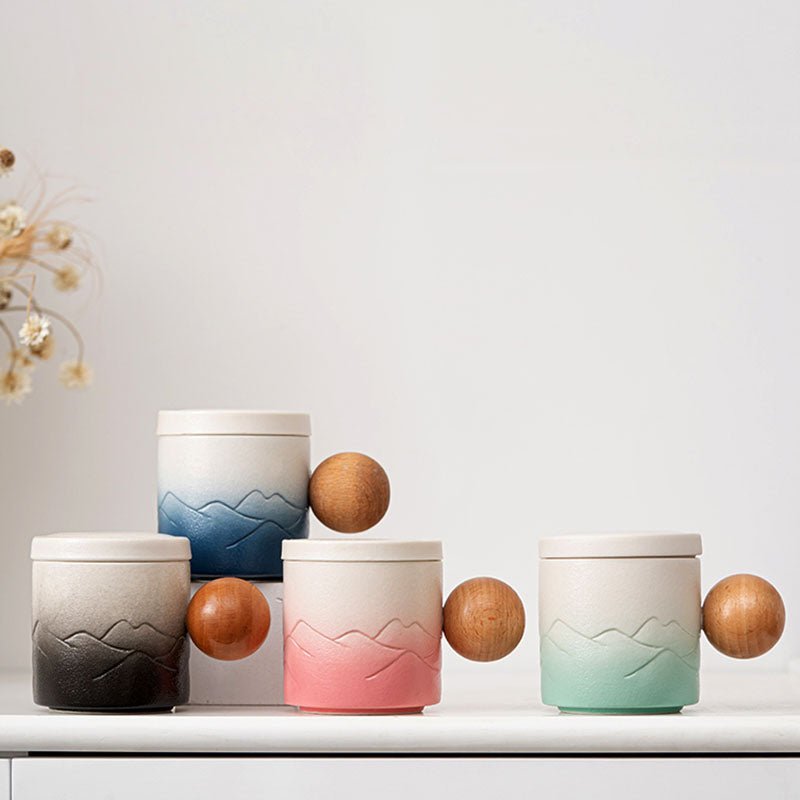
Ball Handled Ceramic Mug Comparison: What Buyers Should Compare
A ball handle looks simple until you grip a full mug, load a dishwasher, or wrap one as a gift. Here is the comparison we actually run in-house: grip, joint finish, capacity, care wording, and the ...
Read more
Leave a comment
This site is protected by hCaptcha and the hCaptcha Privacy Policy and Terms of Service apply.