
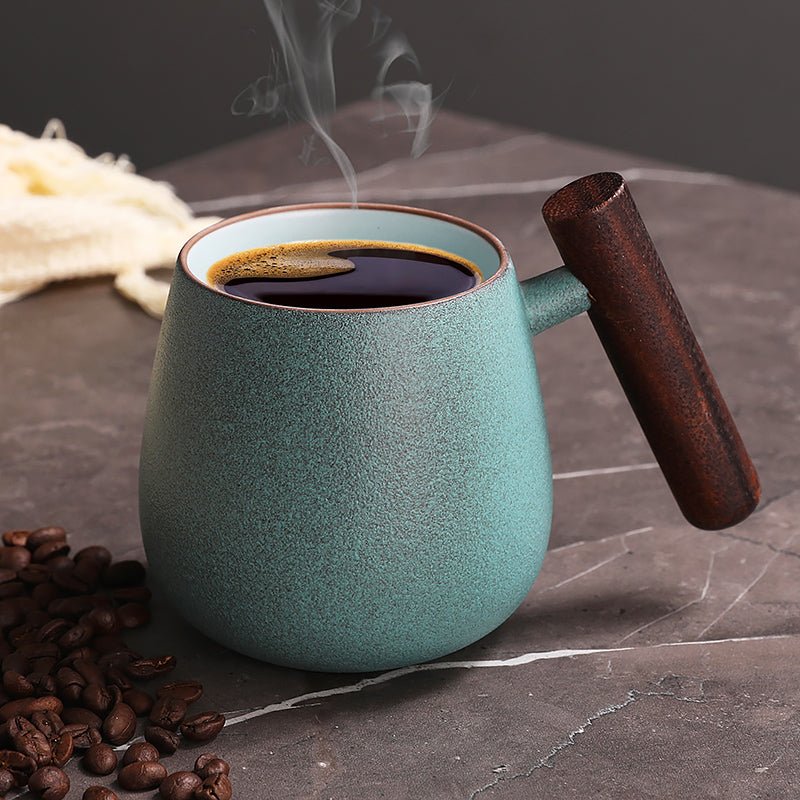
How Many Ounces in a Standard Coffee Mug? Buyer Guide
Reading time: about 9 minutes
A mug sitting beside the grinder can be labeled 'standard' and still hold very different amounts of coffee. In our store, we see buyers get caught by that all the time: one mug feels right for a black drip coffee, while another looks similar on the shelf but runs out of room once milk, foam, or a second top-off is added.
If you are trying to answer how many ounces in a standard coffee mug, the practical answer is this: most everyday mugs fall between 8 and 12 ounces. The exact number matters less than how much coffee you actually want in the cup, because the stated capacity is often measured to the rim, not to the level most people pour.
How many ounces is a standard coffee mug?
For shoppers, 'standard' usually means an everyday mug, not an espresso cup and not an oversized novelty mug. In real use, that usually lands in the 8 to 12 ounce range, with 10 to 12 ounces being the most common sweet spot for home kitchens and office desks.
There is a useful distinction here. A mug may be sold as 12 ounces, but that number often reflects a full-to-the-top capacity. Once you leave room for comfort, heat, and a little movement while carrying it from the counter to the sofa, the drinkable amount is a bit lower. That is why two mugs with the same printed capacity can feel different in hand and in use.
We usually tell customers to think in three buckets:
- 8 ounces: compact, closer to a traditional coffee cup. Good if you drink black coffee in smaller pours or want less cooling time.
- 10 ounces: a balanced everyday size. Enough room for milk or a splash of cream without feeling oversized.
- 12 ounces: the most forgiving standard mug size for drip coffee, tea, and drinks that need a little headspace.
If you want to compare real mug shapes instead of only reading ounce labels, start with our all coffee mugs collection. Seeing sizes side by side is usually the fastest way to tell whether a mug is compact, average, or roomy.
Why do two mugs with the same ounce rating feel different?
Capacity is only part of the story. Shape changes how a mug drinks, how it fits on a desk, and how much usable room you really get. A tall narrow mug and a short wide mug can both be labeled 12 ounces, but they do not behave the same once you start pouring.
Here are the details we pay attention to when we handle mugs in the store:
- Wall thickness: Thicker walls reduce internal room a little, even when the outside size looks generous.
- Rim shape: A rolled or thick rim feels sturdier, but it can slightly change how the mug pours and how hot the lip feels on first sip.
- Base stability: A wider base sits better on office desks and kitchen counters, especially if you move your mug around while working.
- Handle clearance: A handle that fits two fingers comfortably matters more than most people expect once the mug is full and warm.
That is why some customers prefer a mug that looks a little more substantial in the hand. For example, the Spittoon Coffee Tea Mug is the kind of option people compare when they want a daily mug that feels practical rather than delicate. On the other hand, the Planet Coffee Tea Mug is a better fit for shoppers who care about the mug's personality as much as the drink itself.
The important part is not the label alone. It is the combination of diameter, height, handle comfort, and how much room you lose once you stop filling to the brim.
How do you measure mug capacity the right way?
If you want a realistic number, measure a mug the way people actually use it. A kitchen scale or measuring cup will tell you more than the printed product title.
- Fill the mug with water to the level you would normally drink from, not all the way to the top edge.
- Pour that water into a measuring cup and read the amount.
- Leave a little headspace if you drink hot coffee. That gap helps prevent sloshing and gives room for milk or foam.
- If you use cream, sugar, or ice, measure with those habits in mind because the usable space changes fast.
That headspace matters. A mug that technically holds 12 ounces may be more comfortable when you only pour 10 or 11 ounces. That is especially true on a busy kitchen counter, in an office with a narrow desk, or anywhere you carry the mug in one hand while reaching for something else with the other.
We also see a lot of confusion around fill lines. Some mugs have no visible line at all, so buyers assume the whole vessel is fair game. In practice, a full mug is awkward and spills easier. That is not a defect. It is just how mug geometry works.
Which mug size fits the drinks people actually make at home?
The right mug size depends on what ends up in the cup. A standard mug is not the best choice for every drink, and that is where a lot of buyers make a wrong assumption.
| Mug size | Best for | What to expect |
|---|---|---|
| 8 oz | Black coffee, smaller pours, tea | Compact, quick to finish, less room for milk or foam |
| 10 oz | Daily drip coffee, coffee with cream | Balanced size for most counters and most hands |
| 12 oz | Longer coffee breaks, tea, room for add-ins | More forgiving if you like a little extra space at the top |
| 14 oz and up | Large pours, cold brew, milk-heavy drinks | Better if you want a bigger serving, but not as quick to drink while hot |
A standard mug is not always the best fit. If you mostly drink espresso-based drinks, a larger mug can dilute the experience and make the coffee cool too slowly or too awkwardly for the style you want. If you drink iced coffee or cold brew with ice, a standard mug can feel cramped. For those cases, a larger vessel is usually the more honest choice.
That trade-off is why some shoppers start with a mug collection rather than a single size. If you want to compare a wider spread before choosing, we also break down sizing in How Many Ounces Is a Coffee Mug? Real Sizes and Buyer Tips and How Many Ounces in a Coffee Mug? Sizes, Fits, and Buying Tips.
What should you check before buying a standard coffee mug?
We look at a mug differently than a generic size chart does, because the small details are what determine whether a mug gets used every day or stays in the cabinet.
- Rim comfort: A rough rim or uneven glaze can make an otherwise good mug feel cheap in hand.
- Handle fit: If the handle only fits one finger, the mug tends to feel awkward once it is hot and full.
- Dishwasher and microwave use: Check the care instructions. Not every decorative finish likes the dishwasher, and anything with metal trim should not go in the microwave.
- Stability: A mug with a slightly wobbly base is more annoying than people expect on a crowded desk.
- Common wear points: Chips usually show up on the rim or base first, and fine cracks often start near the handle if the mug is knocked around in the sink.
Those are the things we pay attention to in our own store because they affect real use. A mug can look great in a product photo and still be the wrong fit if the handle is cramped, the base is narrow, or the lip feels too thick for quick sipping at a desk.
If you are comparing styles for gifts or for everyday use, it helps to look at the full set rather than choosing by name alone. The Rhombus Coffee Tea Mug is a useful example of how a different shape can change the whole feel of the mug without changing your routine much.
What is a standard coffee mug not good for?
A standard mug is a good general-purpose choice, but it is not the best tool for every drink or situation. That honesty matters more than trying to make one mug do everything.
It is usually not ideal for:
- Travel: Open mugs spill. If you commute, you want a lid and a body designed for movement.
- Very large iced drinks: Ice takes up room fast, so a standard mug can feel under-sized.
- Specialty milk drinks: If you make lattes or cappuccinos at home, you may prefer a size chosen around foam and milk volume rather than the classic coffee-mug profile.
- Keeping coffee hot for a long time: Wider mugs cool faster because there is more surface area exposed to air.
On the flip side, a standard mug is often the best everyday choice if you want a straightforward morning cup on the kitchen counter, a mug for the office desk, or a gift that does not feel too niche. That is why we still see strong demand for this size. It solves a real daily use case without being overbuilt.
If you want to compare across our range before buying, the safest path is to start with our full mug collection and then narrow down by shape, handle feel, and the amount you actually pour.
Frequently asked questions
How many ounces is a standard coffee mug?
Most standard coffee mugs hold 8 to 12 ounces. In everyday use, 10 to 12 ounces is the most common range for a mug people would call standard.
Is an 8 ounce coffee mug too small?
Not if you drink black coffee, tea, or smaller pours and want the drink to stay hotter a little longer. It can feel tight if you add milk, foam, or a second splash of coffee.
Is a 12 ounce mug still considered standard?
Yes. A 12 ounce mug is a very normal everyday size and is often the safer choice if you want flexibility. It gives you more room without jumping into oversized territory.
How full should I fill a coffee mug?
Leave some headspace instead of filling to the rim. That makes the mug easier to carry, reduces spills, and leaves room for cream or foam if you add it.
What mug size is best for a latte at home?
For most home latte drinks, 10 to 12 ounces is a practical starting point. If you like a lot of milk or a generous foam cap, moving up in size usually works better than forcing everything into a small mug.
If you are ready to choose, compare the shapes that interest you most, check the capacity against the drinks you actually make, and start with the mugs in our all coffee mugs collection before narrowing down to the one that fits your hand and your pour.
More from our blog
Read more
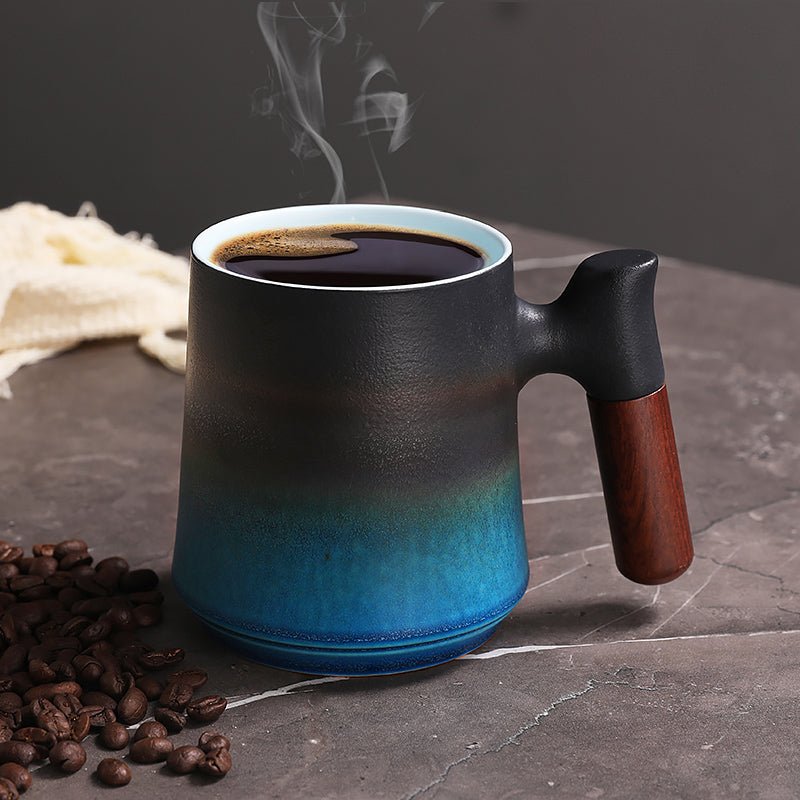
20 0z coffee mugs: what to check before you buy
20 0z coffee mugs look roomy on paper, but the wrong shape can still feel awkward on a desk or under a coffee machine. We break down the fit details that matter and point you to styles that make se...
Read more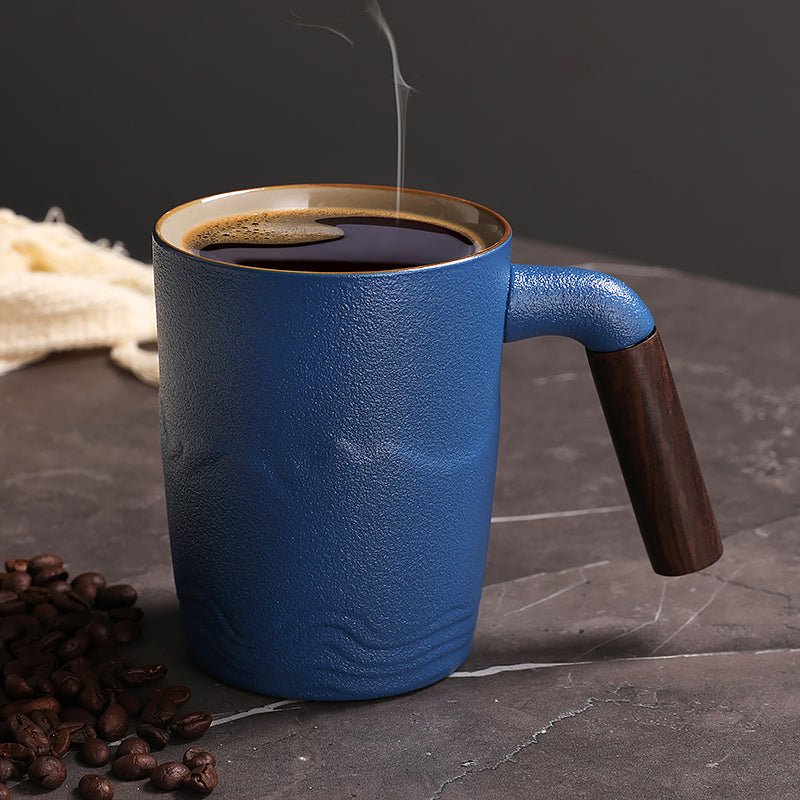
Cartoon Coffee Mug Buying Guide for Style, Print Quality, and Fit
A practical look at cartoon coffee mugs: how to compare print quality, handle comfort, and daily-use fit before you buy. We also point to a few store picks that make sense for desks, gifts, and cas...
Read more
Leave a comment
This site is protected by hCaptcha and the hCaptcha Privacy Policy and Terms of Service apply.