
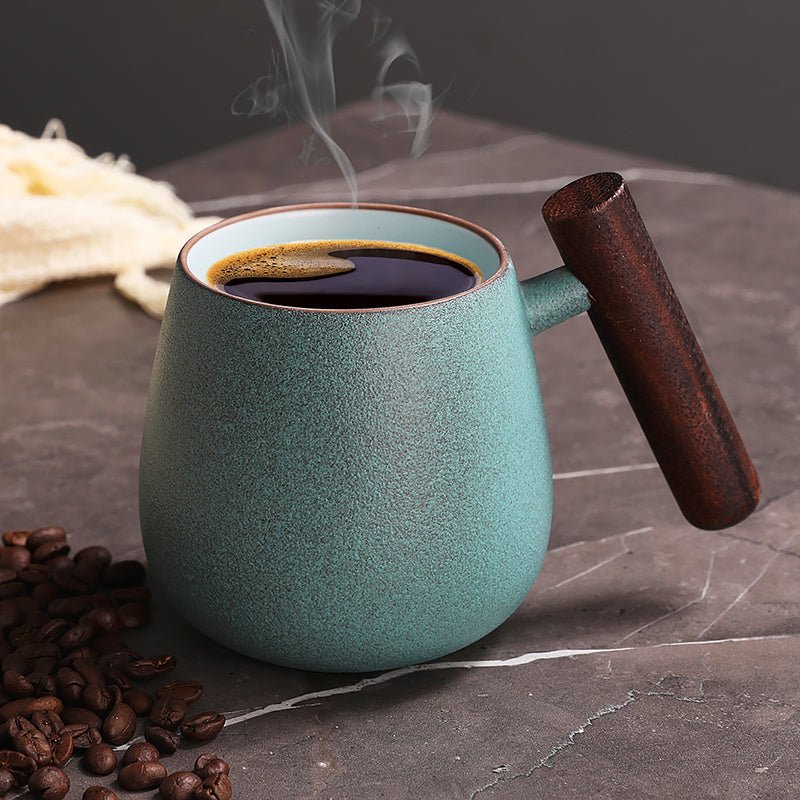
How Many Ounces Is a Standard Coffee Mug? Buyer Guide
Reading time: about 7 minutes
A mug that looks normal on the shelf can feel small once you pour a full cup and still want room for cream. On a kitchen counter, the number stamped on the bottom and the amount you actually drink are not always the same thing.
If you are asking how many ounces is a standard coffee mug, the practical answer is usually 8 to 12 ounces. Eight ounces is the classic cup size, while 10 to 12 ounces is what most shoppers mean when they say everyday coffee mug.
Fast answer: standard usually means 8 to 12 oz, but the usable pour is often a little less than the label suggests.
So how many ounces is a standard coffee mug, really?
For shopping, we treat a standard coffee mug as 8 to 12 ounces, with 10 to 12 ounces being the most common everyday range. An 8 oz mug is closer to a classic coffee cup. A 14 to 16 oz mug moves into large or oversized territory.
That matters because the same drink feels different in different bodies. A tall, narrow mug can look smaller than a wide mug even when both are labeled 12 oz. In our experience, a true daily mug needs enough room for the pour, a little headspace, and a handle that does not get in the way at an office desk or kitchen sink.
| Size | What it usually means | Best for | What it feels like in use |
|---|---|---|---|
| 8 oz | Classic cup size | Short black coffee, tea, smaller servings | Compact and traditional, but not generous |
| 10 oz | Middle ground | Single servings with a little room for milk | Balanced for everyday use |
| 12 oz | Common modern standard | Drip coffee, cream, and most home routines | The safest default for many buyers |
| 14 to 16 oz | Large mug | Big pours, lattes, hot chocolate, long mornings | Substantial, but less compact in storage |
That table is the simplest way to think about it: 8 oz is traditional, 10 oz is practical, and 12 oz is the point where most people stop asking if the mug is too small.
Why does a mug labeled 12 ounces not feel like 12 ounces at the table?
Capacity is usually measured to the rim. Most people do not drink a mug filled to the top. If you leave room for crema, foam, cream, or a safe grip, the usable amount is lower than the listed number.
- Headspace: A little open space keeps coffee from sloshing on the way from the counter to the sofa or desk.
- Shape: A wide mug spreads volume out; a tall mug stacks it upward. The same ounce count can look and feel different.
- Wall thickness: Thick ceramic walls take up interior space and can make a mug feel sturdier, but the drink cavity is slightly smaller.
- Handle and lip: A bulky handle or a thick lip changes comfort even if the printed capacity stays the same.
That is why two 12 oz mugs can feel very different in real use. One might feel perfect for a drip coffee refill. Another might feel oversized the moment you set it on a crowded desk or slide it under a machine.
Which size fits your drink and routine?
Pick the mug based on how you actually drink, not just the number on the listing. A buyer who drinks straight black coffee has different needs than someone who pours in milk, cocoa, or tea.
- 8 oz: Best for short black coffee, tea, or smaller servings. Not a great fit if you like a lot of milk or want a long, slow morning drink.
- 10 oz: A strong middle ground for daily coffee. It gives you enough room for a normal pour without turning the mug into a giant bowl.
- 12 oz: The safest standard choice for most shoppers. It works well for drip coffee, a splash of cream, and a mug that still feels reasonable in the hand.
- 14 to 16 oz: Better for large lattes, hot chocolate, or people who hate refilling. Less ideal if you want a mug that stays compact in a cabinet or feels lighter in use.
If you are buying as a gift and do not know the person's routine, 12 oz is usually the least risky choice. It is big enough for a normal pour, but not so large that it starts feeling like soupware.
What details matter besides ounces before you buy a mug?
In our store, we look at more than capacity. We handle mugs the same way a buyer does: set them on a desk, put them through dishwasher cycles, and check whether they still feel comfortable after repeated use.
- Material: Ceramic and stoneware are common for daily mugs. They feel solid, but a hard knock against a sink or counter can chip the rim or foot.
- Rim and lip thickness: A thick lip can feel sturdy, but it changes the sip. A thinner lip often drinks cleaner, but it can be easier to chip.
- Handle clearance: If your fingers barely fit, the mug gets annoying fast, especially before your first cup.
- Base and foot ring: A rough or uneven base can scratch a table or wobble on a flat counter.
- Finish quality: Watch for glaze pinholes, hairline crazing, or a handle that looks slightly off-center. Those are the small defects that show up after a few dishwasher cycles.
- Use case: If you want a mug for soup, hot chocolate, or office refills, larger is fine. If you want espresso-style coffee or a mug that fits neatly under a pod machine, oversized is the wrong choice.
That trade-off matters. A bigger mug is not automatically better. For some shoppers, 16 oz is just more ceramic to wash and a drink that cools before the last sip.
Which CoffeifyMug options make sense if you want a standard-size mug?
If you want to see how standard mug sizing translates into real product shapes, start with The Rock Coffee Tea Mug, Morning Night Coffee Tea Mug, and Mountain Coffee Tea Mug. Each one sits in the everyday mug category, but the silhouette and feel can change how large the same ounce count looks in your hand.
For a wider comparison across our lineup, browse our full mug collection.
If you are still comparing shapes and capacities, our other buying guides can help: How Many Ounces Is a Coffee Mug? Sizes, Fits, and Buying Tips and How Many Ounces in a Coffee Mug? Sizes, Fits, and Buying Tips. We also cover the broader question in How Many Ounces Is a Standard Coffee Mug? A Buyer’s Guide.
Frequently asked questions
Is a 10 oz coffee mug standard?
Yes, 10 oz sits comfortably in the standard range. It is small enough to feel like a real mug, but large enough for most single servings without forcing an oversized shape. If you drink black coffee or tea, it often feels like the most balanced size.
How many ounces does a standard ceramic coffee mug hold?
Most standard ceramic coffee mugs hold about 8 to 12 ounces. The exact usable amount depends on the mug shape, wall thickness, and how close you fill it to the rim. A mug measured to the brim can still pour like a smaller cup in normal use.
Is a 12 oz mug too small for lattes?
It depends on how you make the drink. A 12 oz mug is fine for a smaller latte or a drink with modest milk volume. If you like extra foam or a larger milk-heavy pour, a 14 to 16 oz mug gives you more room.
Should I choose 8 oz or 12 oz for an office mug?
For most office setups, 12 oz is the safer pick. It handles drip coffee, cream, and a refill-friendly routine without feeling cramped. Choose 8 oz only if you want a smaller cup, have limited desk space, or prefer short pours.
If you want the safest buying path, compare a standard 10 to 12 oz mug against larger options in our collection, then choose the size that matches your usual pour, not the biggest number on the box.
Read more
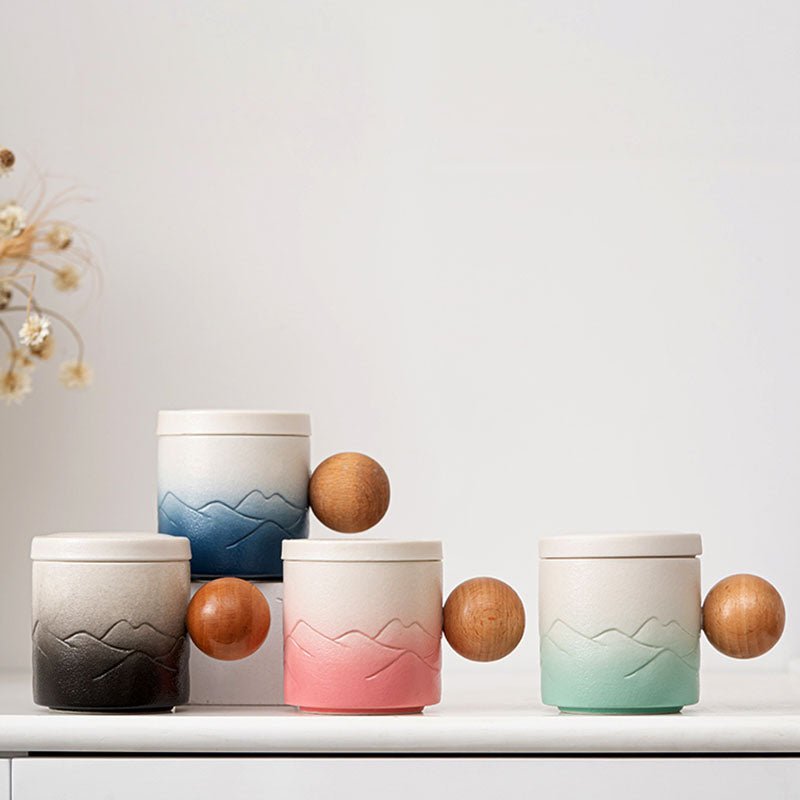
Coffee Mug Sizes Guide: Choose the Right Cup for Daily Use
Compare coffee mug sizes by real use: black coffee, milk drinks, office refills, and gift-worthy picks. We break down what fits comfortably, what spills easily, and which mugs make sense for daily ...
Read more
Durable Coffee Mugs: What to Buy for Daily Use and Fewer Chips
Durable coffee mugs should feel solid in the hand, resist rim chips, and survive real kitchen use. Here is how we compare shapes, sizes, and finishes before we stock them.
Read more
Leave a comment
This site is protected by hCaptcha and the hCaptcha Privacy Policy and Terms of Service apply.