,%20and%2012%20oz%20is%20a%20common%20everyday%20size.%20For%20drinking,%20leave%20headspace:%20a%2012%20oz%20mug%20may%20feel%20b...)
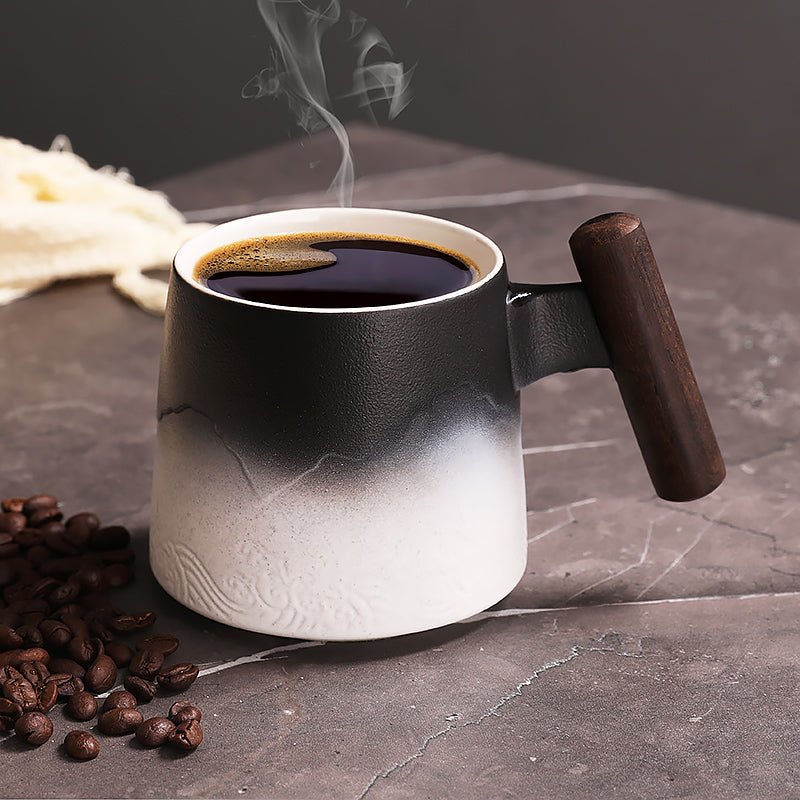
How Many Ounces Is a Regular Coffee Mug? Quick Answer
Reading time: about 8 minutes
A mug can look “normal” in a product photo and still hold very different amounts once you pour coffee into it. In our store, we see shoppers reach for one mug thinking it is standard, then realize the real question is not just how many ounces is a regular coffee mug, but how much coffee they actually want in the cup before splash, cream, and a little headspace are taken into account.
The short answer: a regular coffee mug is usually 8 to 12 ounces, with 11 oz and 12 oz being the most common everyday sizes. If you want a more detailed breakdown of mug sizing, our guides How Many Ounces Is a Standard Coffee Mug? A Buyer’s Guide and How Many Oz Is a Coffee Mug? Common Sizes and What Fits Best are good starting points.
What does “regular coffee mug” usually mean?
“Regular” is not a strict size in drinkware. It is a practical label people use for the mug that feels normal on a kitchen counter, in an office break room, or next to a drip coffee maker. In real product listings, that usually points to an 11 oz or 12 oz ceramic mug, though 8 oz and 10 oz mugs are still common for smaller pours.
Here is the reality we see when handling mugs day to day: a mug’s quoted ounce capacity is usually the fill-to-the-rim number, not the amount most people drink. Once you leave room for coffee movement, milk, and a safe grip near the lip, the usable amount is a little less. That is why a mug sold as 12 oz can feel perfect for one person and too small for another.
How many ounces are in the mug sizes people buy most often?
The easiest way to think about it is by use case, not just by the printed capacity. This table shows the sizes we see most often and how they tend to behave in everyday use.
| Mug size | Typical use | Real-world fit |
|---|---|---|
| 8 oz | Small drip coffee, espresso drinks, tea | Compact, easy to store, but limited if you like a full travel-style pour |
| 10 oz | Short coffee, smaller cappuccino, modest desk cup | Good balance for people who want less volume without feeling tiny |
| 11 oz | Everyday office and home mug | Common promotional and retail size, fits a standard coffee pour well |
| 12 oz | Most common “regular” mug size | Often the best all-purpose choice for drip coffee with a little room for milk |
| 14 to 16 oz | Large coffee, latte-style drinks, soup | Useful if you pour large servings, but heavier and bulkier on the shelf |
If you are comparing sizes before buying, our individual size guides for 10 oz Coffee Mug: Size, Fit, and What to Check Before You Buy and 11 oz Coffee Mug: Size, Fit, and What to Check Before You Buy are useful because they show what those sizes feel like in hand, not just on paper.
Why does the same mug size feel different from one brand to another?
Two mugs can both be listed as 12 oz and still behave differently at the table. The reasons are practical, not marketing fluff.
- Wall thickness: A thick ceramic mug can look and feel sturdier, but it reduces internal space slightly compared with a thinner-walled cup.
- Shape: A wide, straight-sided mug often feels larger than a tapered one even when the ounce count is identical.
- Handle design: A bigger handle gives a better grip, but it can also take up cabinet space and change the mug’s balance in the hand.
- Fill line: Most people do not drink to the rim. A mug that says 12 oz may be comfortably used at 9 to 11 oz for hot coffee so you do not spill on the walk from kitchen to desk.
In our experience, buyers often judge with their eyes first. A mug that is 12 oz but has a tall profile can look smaller than a squat 10 oz mug. That is why we encourage shoppers to compare both the stated capacity and the actual dimensions, especially if the mug needs to fit under a single-serve coffee machine, into a cabinet, or inside a gift box.
Which mug size works best for drip coffee, lattes, and office use?
The right size depends on how you drink, not on a generic idea of what a mug should be.
- For black drip coffee: 10 to 12 oz usually works best. It gives enough room for a normal pour without turning the mug into a bowl.
- For coffee with milk or cream: 11 to 12 oz is the sweet spot. You have room to add dairy without bringing the coffee too close to the rim.
- For cappuccino or small latte drinks: 8 to 10 oz is often better. A huge mug can make the drink feel thin and underfilled.
- For office desks: 11 oz is popular because it is easy to lift, easy to store, and usually not too heavy when full.
- For oversized pours or soup: 14 to 16 oz is more practical, but it is not the best choice if you want a classic coffee mug feel.
If you want to browse by size and compare styles side by side, our full mug collection is the easiest place to start. We also keep our product pages focused on actual use, because a mug that looks good online still has to survive sink loading, dishwasher racks, and the daily elbow room test on a crowded counter.
What should you check before buying a regular coffee mug?
A lot of mug returns happen because the size was technically right but the details were wrong. We look for a few concrete things before recommending a mug.
- Material: Most everyday coffee mugs are ceramic or stoneware. Ceramic is common for a smooth glazed finish; stoneware often feels heavier and more substantial in the hand.
- Care instructions: Check whether the mug is dishwasher safe and microwave safe if you plan to use it daily. A hand-wash-only mug can be fine for display or gifting, but it is less convenient for office use.
- Rim and handle comfort: A thin rim drinks differently from a thick one. The handle should fit at least two fingers comfortably if you plan to carry a full mug around the house or office.
- Common defect modes: Look for glaze pinholes, uneven bases that wobble, rough spots under the handle, and hairline cracks near the rim. Those are the kinds of issues that turn a nice mug into a frustrating one after a few dishwasher cycles.
We also pay attention to whether a mug feels balanced when empty and when filled. A heavier base can reduce tipping on a desk, but if the mug is too dense it can feel awkward for someone who drinks slowly throughout the morning.
What is a regular coffee mug not good for?
A regular coffee mug is not the best choice for every drink. That is where honest trade-offs matter.
If you like very large lattes, cappuccino-style foam, or coffee drinks with lots of milk, a standard 8 oz mug will feel cramped. If you want something for soup, cocoa topped with marshmallows, or oversized pour-over servings, a 14 oz or 16 oz mug is more practical. On the other hand, a larger mug is not always better because it can cool coffee faster, take up more cabinet space, and feel awkward for smaller hands.
For gifting, a standard 11 oz or 12 oz mug is usually the safest choice because it works for most people. If you are buying for someone who drinks short espresso-style coffee, though, a smaller mug may be the better fit. That is why we suggest comparing size guides before choosing, especially if you are shopping from our products page and narrowing down by daily routine instead of by appearance alone.
Frequently asked questions
How many ounces is a regular coffee mug at most stores?
Most stores treat 10 to 14 ounces as the regular everyday range, with 12 ounces a common all-purpose size. An 8 oz mug is usually a smaller option, while 15 to 16 oz is generally sold as large.
Is an 11 oz mug considered standard?
Yes, 11 oz is one of the most common standard mug sizes. It is a practical middle ground for black coffee, coffee with milk, and desk use without feeling oversized.
Is a 12 oz mug enough for coffee with cream?
For most people, yes. A 12 oz mug usually leaves enough room for coffee plus cream or milk without making the drink too close to the rim, which matters if you carry it from the kitchen to your desk.
Should I choose an 8 oz or 12 oz coffee mug?
Choose 8 oz if you prefer smaller servings, espresso-based drinks, or a compact cup. Choose 12 oz if you want an all-purpose mug for drip coffee and you do not want to refill as often.
Does the listed ounce size include the brim?
Usually yes, the listed capacity is the mug’s approximate full capacity up to the rim. In normal use, people pour less than that so there is room for handling, stirring, and avoiding spills.
What should you buy if you still are not sure?
If you are stuck between sizes, start with the mug you will use most often on an ordinary weekday. For many shoppers, that is a 11 oz or 12 oz ceramic mug because it handles drip coffee, tea, and milk-based drinks without feeling cramped. If you want to compare options by size and style, start with our collection of all mugs, then use the product details to check capacity, material, and care instructions before you choose.
Our practical checklist is simple: confirm the ounce size, look at the mug’s actual dimensions, check dishwasher and microwave care, and decide whether you want a compact daily cup or a larger serving vessel. That approach will usually get you a better result than buying by looks alone.
More from our blog
Read more
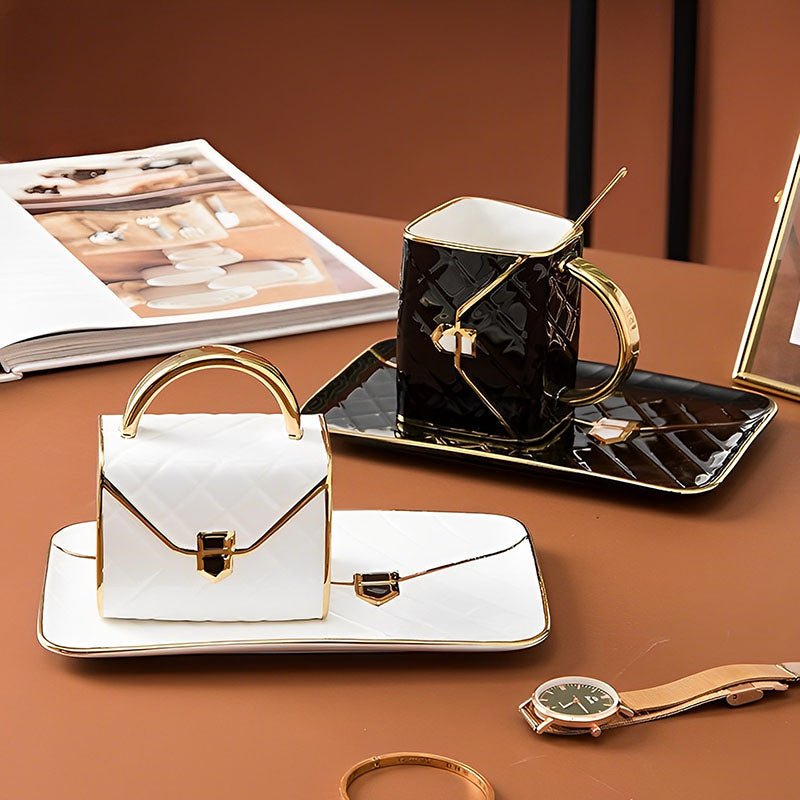
Bird Coffee Mug Buyer's Guide: Size, Material, and Gift Fit
A bird coffee mug should work as well on a kitchen counter as it does in a gift box. We break down size, material, print durability, and the trade-offs that matter before you buy.
Read more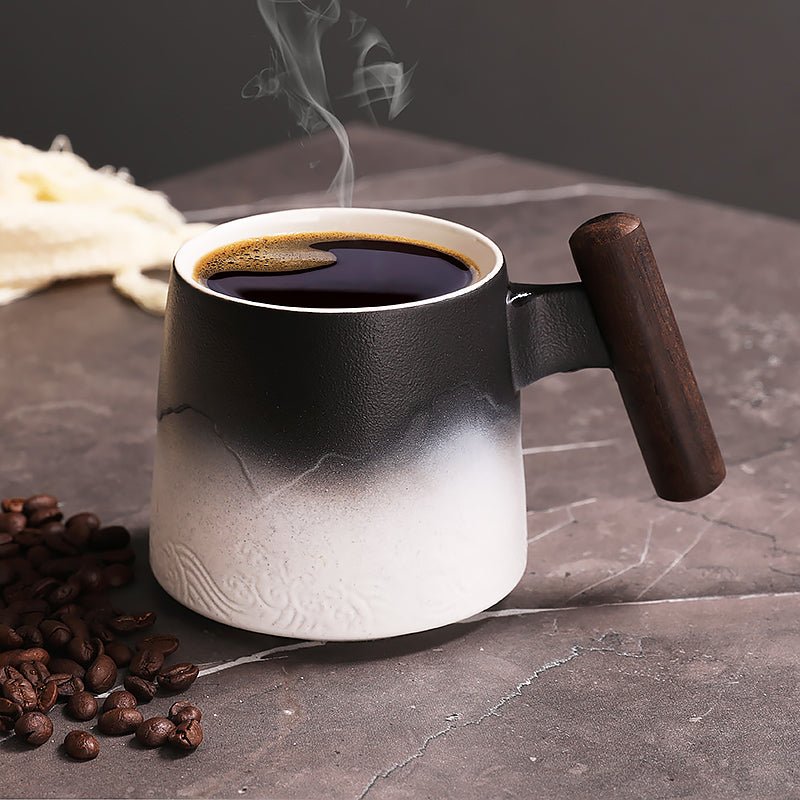
Normal Coffee Mug Size: What Buyers Should Expect Before Ordering
The normal coffee mug size is usually 11 to 12 oz, but fit, handle shape, and drink style matter more than the label. This guide compares common sizes and shows what to check before you buy.
Read more
Leave a comment
This site is protected by hCaptcha and the hCaptcha Privacy Policy and Terms of Service apply.