
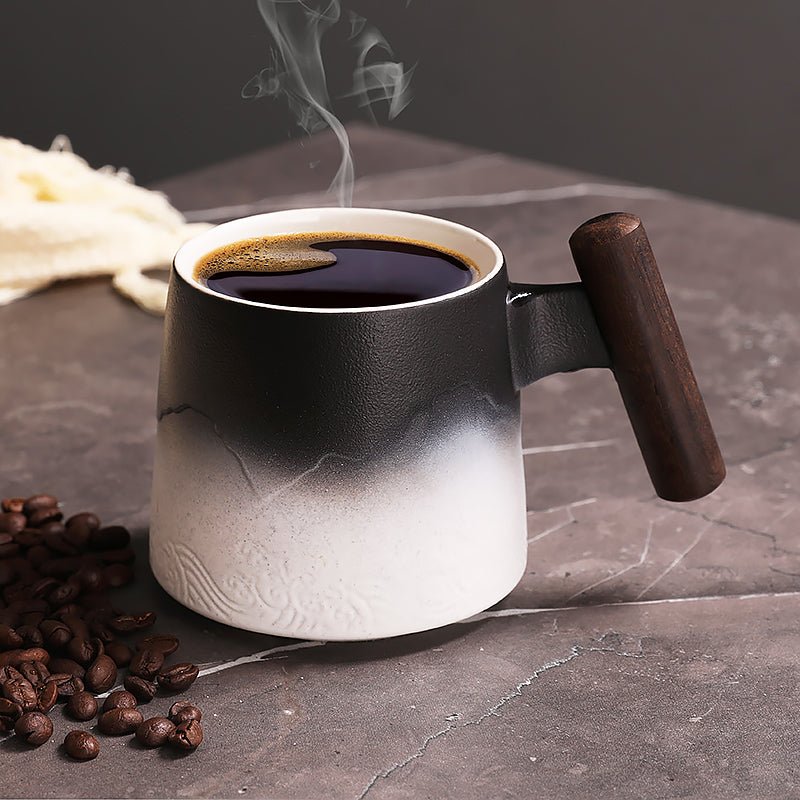
How Many Ounces in a Coffee Mug? Sizes, Fits, and Buying Tips
Reading time: about 8 minutes
A mug labeled 12 oz can still feel short once you pour a real cup of drip coffee, leave room for cream, and try to carry it back to your desk without spilling. That is why the question how many ounces in a coffee mug matters more than the number printed on the box.
In our store, we see shoppers choose mugs based on habit, not capacity. Some want a small cup that stays hot. Others want room for latte foam, tea, or a second refill without having to get up. The right size depends on how you drink, not just the label on the base.
How many ounces is a coffee mug, usually?
Most everyday coffee mugs fall between 11 and 14 ounces, with 12 ounces being the most common reference point for a standard mug. If you want a deeper comparison of what buyers usually mean by standard, our guide on How Many Ounces Is a Standard Coffee Mug? A Buyer’s Guide breaks that down in plain terms.
The catch is that capacity is often measured to the rim with water, not to a practical coffee fill line. A mug may be sold as 12 oz, but you may only want to pour 10 or 11 oz if you are leaving space for milk, crema, or simple spill protection.
| Common mug size | What it usually means | Best for | Trade-off |
|---|---|---|---|
| 8 oz | Compact cup size | Small drip coffee, tea, espresso drinks with less milk | Not much room for cream or a larger pour |
| 10 oz | Smaller everyday mug | Short coffee servings and tighter cabinet space | Can feel cramped for lattes or generous pour-overs |
| 12 oz | Common standard mug | Most drip coffee drinkers | Still not ideal if you want a lot of milk or foam |
| 14 to 16 oz | Large mug | Lattes, long sipping sessions, office desks | Heavier, takes more shelf space, and can be awkward if overfilled |
Which mug size fits the way you actually drink coffee?
The best mug size is the one that matches your drink, not the one that sounds biggest on paper. A large mug is not automatically better. A smaller mug can be more comfortable, easier to store, and less likely to spill on a crowded kitchen counter.
- For black drip coffee: 10 to 12 oz usually feels right if you want a normal home pour without wasted headspace.
- For lattes and cappuccinos: 12 to 16 oz gives you room for milk and foam. If you prefer a drink that looks full, do not go too small.
- For tea or hot water-based drinks: 12 oz is a comfortable middle ground, especially if you want something that fits under a standard brewer.
- For slow sipping at a desk: 14 to 16 oz can be convenient, but the extra size is not ideal if you want a lighter cup in the hand.
If you are trying to decide between a compact mug and something roomier, our 10 oz Coffee Mug: Size, Fit, and What to Check Before You Buy is a useful side-by-side read. For buyers leaning larger, the 16 Ounce Coffee Mug Buyer’s Guide: Size, Material, and Fit covers the practical differences that matter on a real kitchen shelf.
Why does a mug’s stated capacity not match the pour you use?
Most mug capacities are measured to the brim with water, which is not how people actually drink coffee. In real use, you leave space for movement, crema, foam, milk, or just the simple fact that a mug with a full lip is easier to spill.
Shape matters too. A mug with thicker walls can feel smaller inside even when the outside dimensions look similar. A straight-sided mug may hold more than a tapered one, while a wide mouth can make the cup feel roomy but also expose more surface area to the air. That can matter if you sip slowly at a kitchen table or office desk.
We also see a common mismatch between coffee-shop language and home mug language. A cafe cup size, a home mug capacity, and the amount you pour into each are not the same thing. A drink that is comfortable in a disposable cup may look overfilled in ceramic if the rim is curved or the handle sits high.
In our experience, the best way to judge a mug is to look at how it feels in the hand, how much clear space sits above the coffee line, and whether the handle still fits four fingers comfortably.
What details should you check before buying a mug?
If you are comparing mugs online, do not stop at the ounce number. The details below affect daily use more than most shoppers expect.
- Capacity method: Check whether the listing describes brimful capacity or practical fill capacity. The difference changes how full the mug will feel in use.
- Material: Stoneware tends to feel heavier and more insulating in the hand. Porcelain usually feels lighter and thinner. Standard ceramic sits in the middle and is common for everyday mugs.
- Rim and wall thickness: A thick rim can feel sturdy, but it may make the cup seem smaller inside. A thinner rim can drink more elegantly, but chips more easily if handled roughly.
- Handle clearance: A mug can be the right size on paper and still be awkward if your fingers barely fit through the handle. That matters if you carry coffee while opening a laptop or walking through a busy office.
- Care instructions: Most glazed ceramic mugs handle dishwasher use well, but printed graphics and metallic trim can wear faster. If you use a microwave, make sure the mug has no metal details.
- Common defect modes: Check for rim chips, hairline cracks around the handle joint, glaze pinholes, and wobble on a flat counter. Those are the issues we look for first when handling mugs in our store.
These are small details, but they decide whether a mug becomes an everyday favorite or ends up pushed to the back of the cabinet. A good mug should survive dishwasher cycles, sit flat, and still feel comfortable after the tenth refill of the week.
Which mug size is best for gifts, offices, and everyday use?
Different settings call for different sizes. The right choice in a kitchen is not always the right choice in a break room or as a gift.
- For gifts: 12 oz is the safest middle ground. It works for coffee, tea, and cocoa without feeling overly specialized.
- For office desks: 11 to 14 oz usually works well because it balances capacity with storage and sink space.
- For compact cabinets: 8 to 10 oz mugs stack or line up more easily and are less likely to crowd a shelf.
- For milk-heavy drinks: 14 to 16 oz gives you breathing room, but it is not the best pick if you want a lighter cup or a smaller pour.
There is a trade-off with larger mugs. They can be great for a gift unboxing or a generous morning pour, but they are not the best fit for someone who drinks a short cup of coffee and wants it hot from first sip to last. If that is the preference, a smaller mug is often the better purchase.
If you want to compare styles side by side, browse our products page or start with the full all collection. Looking at capacity next to shape and handle style usually makes the decision easier.
How do you choose the right mug size without overthinking it?
We keep the buying process simple. First decide what the mug will hold most often. Then check whether you want extra room for milk, foam, or cream. Finally, make sure the mug still fits your hand, your cabinet, and your dishwasher rack.
A practical checklist helps more than guesswork:
- Pick the drink you use most often.
- Decide whether you want a tight, hot pour or extra headroom.
- Check the listed capacity, material, and care instructions.
- Look for clear photos of the handle, rim, and interior depth.
- Choose a size that fits your storage space and your routine, not just the largest number available.
That approach is usually enough to avoid buyer regret. A mug that is too big can feel clumsy and cool too quickly. A mug that is too small can force a second pour before you are ready. The right middle ground depends on your actual cup of coffee, not an idealized one.
Frequently asked questions
How many ounces is a standard coffee mug?
A standard coffee mug is usually around 12 ounces, though you will see plenty of mugs in the 10 to 14 ounce range. The exact number depends on whether the maker measures to the rim or describes the everyday pour size.
Is a 12 oz mug actually 12 oz when I pour coffee into it?
Not always. The listed capacity is often based on a full water fill, so a real coffee pour usually leaves some headspace. That is normal and often useful if you add cream or want to avoid spills.
What size coffee mug is best for lattes?
Most latte drinkers are happier in a 12 to 16 oz mug because the milk and foam need room. A smaller mug can work for a short latte, but it starts to feel cramped once you add steamed milk.
Can I put a ceramic coffee mug in the dishwasher and microwave?
Usually yes, but check the finish. Glazed ceramic is commonly dishwasher-safe, while metallic trim, certain printed graphics, or decorative accents may not belong in the microwave. If the mug has a crack or chip, retire it from high heat use.
What mug size works best if I want my coffee to stay hot longer?
Smaller mugs often make it easier to finish coffee before it cools, especially if you sip quickly. A very large mug gives you more drink volume, but the extra exposed surface can matter if you take a long time between sips.
If you are still choosing between two sizes, compare the capacity, handle comfort, and care notes first. Then open our all collection and match the mug size to the way you actually drink coffee at home, at work, or on a slow weekend morning.
More from our blog
Read more
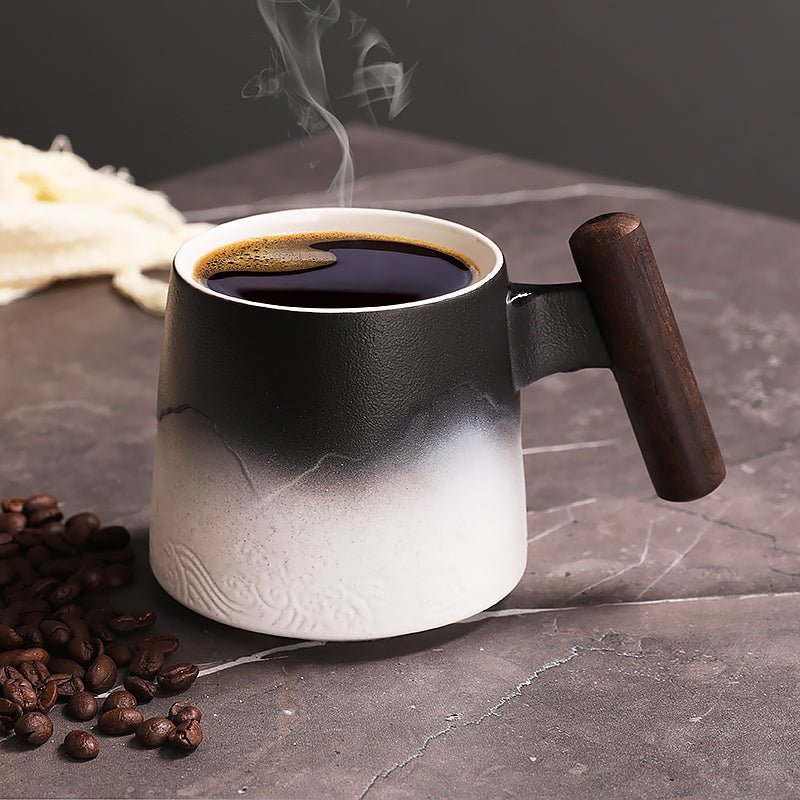
Custom Made Coffee Mugs: Materials, Sizes, and Print Checks
Custom made coffee mugs work best when the material, size, and print method match the way the mug will actually be used. Here is how we compare options in our store before we recommend one.
Read more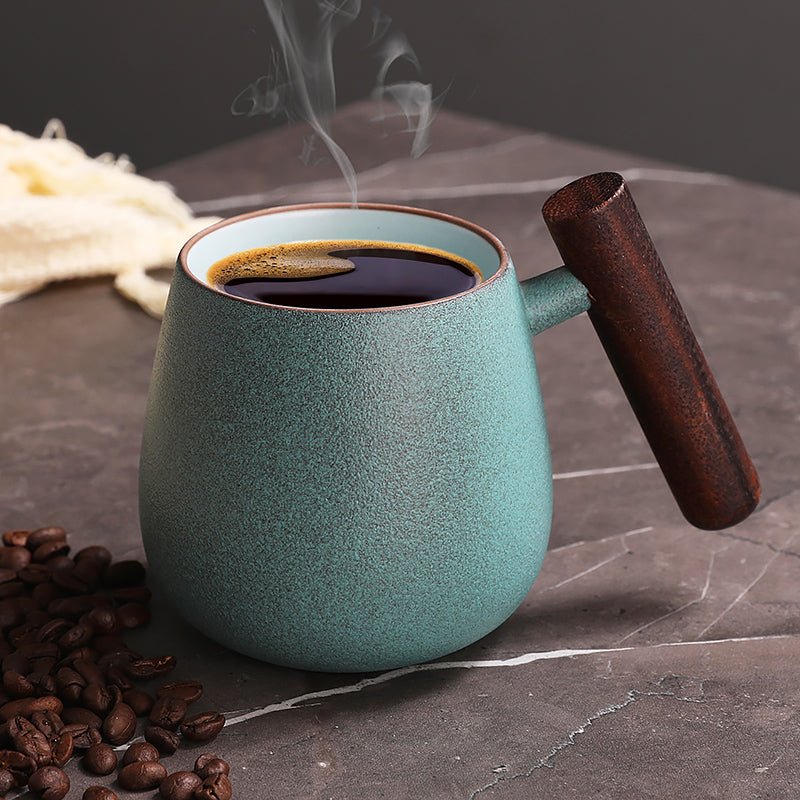
Nice Coffee Mugs Travel: What to Buy for Daily Carry and Trips
A practical guide to choosing nice coffee mugs travel for commutes, office desks, and short trips. We break down materials, lids, cleaning, and the trade-offs that matter before you buy.
Read more
Leave a comment
This site is protected by hCaptcha and the hCaptcha Privacy Policy and Terms of Service apply.