
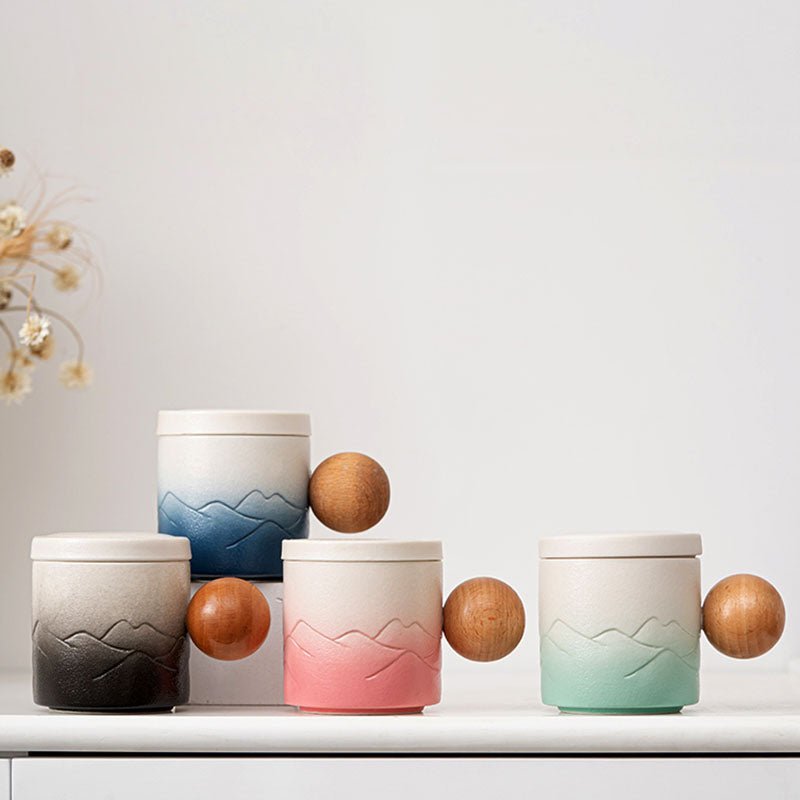
Flat White Cup Shared Household Practical Purchase Checklist by Size
Reading time: about 8 minutes
A shared cup shelf exposes differences before 8 a.m.: one person stops at a compact pour, the other adds more milk and wants breathing room below the rim. Our flat white cup shared household practical purchase checklist starts with that routine. At CoffeifyMug, we separate verified catalog facts from personal preferences: Pleated 200 ml, Ball Handle 250 ml, and Emerald 270 ml. Those numbers let us compare capacity and potential headroom, but they do not establish a required flat white ratio, barista standard, purpose-built geometry, or cafe-tested performance.
In our experience helping shoppers compare cups, appearance is rarely the only deciding factor. A cup also has to clear the coffee machine, sit securely in the cupboard, suit the person carrying it, and survive the household's normal cleaning routine. Since two drinkers may answer those questions differently, the sensible purchase can be two different capacities rather than two matching choices.
Why should each household member choose a capacity separately?
A household average sounds convenient but often leaves both people compromising. The person with the smaller drink gets more cup than needed, while the person with the larger pour fills too close to the rim. Instead, write down one short profile for each drinker:
- Usual total pour: Measure the combined coffee and milk volume rather than estimating by eye.
- Preferred headroom: Decide how much empty space feels comfortable while walking from the kitchen to a table or desk.
- Grip habit: Note whether the person relies on the handle, supports the cup body, or uses both hands.
- Storage limit: Check shelf height, depth, and the space available beside other mugs.
- Cleaning routine: Confirm whether the cup will be hand-washed or needs verified dishwasher compatibility.
This approach also prevents a common gifting mistake. Two people sharing a home may like the same color but use noticeably different serving volumes. Capacity should be settled before finish or visual style.
The flat white cup shared household practical purchase checklist by capacity
The three verified capacities in this comparison are 200 ml, 250 ml, and 270 ml. The best cup for flat white drinks in a shared home is not automatically the largest or smallest. It is the option that accommodates one person's measured pour with enough room for carrying and normal day-to-day variation.
| Option | Verified capacity | Reader situation | Trade-off to check |
|---|---|---|---|
| Pleated Coffee Tea Cup | 200 ml | The household member with the smallest regular pour who prefers a compact nominal capacity. | It provides the least capacity of the three for extra milk, foam, or pouring variation. |
| Ball Handle Coffee Tea Mug | 250 ml | The drinker who needs more room than 200 ml and deliberately prefers a ball-handle design. | Handle measurements and individual hand fit still need to be checked on the live listing. |
| Emerald Coffee Tea Mug | 270 ml | The person with the largest measured pour or the strongest preference for extra room below the rim. | It adds only 20 ml over the 250 ml choice, so confirm that the difference is useful for your routine. |
The capacity gaps are more informative than vague small, medium, and large labels. The Ball Handle holds 50 ml more nominal capacity than the Pleated. The Emerald holds 70 ml more than the Pleated but only 20 ml more than the Ball Handle.
For an illustrative 180 ml at-home pour, the nominal unused capacities would be 20 ml, 70 ml, and 90 ml respectively. Treat that as comparison arithmetic, not guaranteed usable headroom: listed capacity may be measured close to the brim, and each person has a different comfort level for carrying a full cup.
How much headroom will two real pours leave?
Headroom is simply the unfilled space above the finished drink. It can help accommodate foam and reduce the chance of spilling, but it does not prove that a cup follows any particular coffee recipe. We recommend a cool-water rehearsal before choosing:
- Use a marked measuring jug to recreate the first person's normal total drink volume with water.
- Record the result in milliliters, then repeat for the second person.
- Subtract each result from 200 ml, 250 ml, and 270 ml.
- Remove any option that leaves less carrying room than that person finds comfortable.
A drinker measuring close to 200 ml should not assume the 200 ml cup will be comfortable. A capacity equal to the normal pour may leave little practical margin. Conversely, someone who consistently prepares a much smaller serving may find that the extra volume of the 270 ml choice offers no useful benefit.
Will the handle, cupboard, and coffee station work for both people?
Capacity does not reveal external height, width, base diameter, weight, or handle clearance. Those measurements matter in a crowded kitchen. The Ball Handle is the only supplied product name that identifies a specific grip design, but the name alone cannot tell us how it will feel in large hands, smaller hands, or hands with limited grip strength.
- Measure the vertical space from the coffee machine's drip tray to its lowest spout.
- Check cupboard shelf height and depth, including the space taken by the handle.
- Compare the pictured grip with how each person actually carries a full cup.
- If dishwasher use is verified, check rack height, tine spacing, and clearance from moving spray arms.
A ball-style grip may appeal to someone who does not want a conventional finger-through hold, but that is a preference rather than a universal ergonomic advantage. If neither drinker has settled on a handle shape, compare the silhouettes in our collection of distinctive coffee mug styles before choosing by color alone.
Which material and care details must be verified before checkout?
The catalog facts used for this comparison confirm the three capacities. They do not, by themselves, confirm material, wall thickness, weight, external dimensions, microwave suitability, or dishwasher compatibility. We will not fill those gaps with assumptions. Porcelain, stoneware, glass, and other materials can differ in weight, finish, and care requirements, so use the current product listing and packaging as the authority for those details.
Before ordering, check four points:
- Material and finish: Confirm the stated body material and any product-specific finish instructions.
- Appliance compatibility: Look for explicit microwave and dishwasher guidance rather than inferring it from appearance.
- Complete dimensions: Verify height, rim diameter, base diameter, and maximum width across the handle when available.
- Purchase format: Confirm the current quantity on the product page instead of assuming the options are bundled as a set.
Our basic drinkware inspection at unboxing is simple and worth repeating at home. Place the cup on a flat, dry counter and check for rocking. Under good side light, inspect the rim, base, and any handle-to-body joins for chips or hairline cracks. A damaged cup should not be used, and a gift should be inspected before it is wrapped.
If no care rating is stated, hand-washing with a soft, nonabrasive sponge is the cautious default until the seller confirms otherwise. Avoid abrupt temperature changes, and never use a dishwasher cycle as a test of an unknown care claim.
When would another cup style serve the household better?
These capacities cover compact hot-drink preferences, but capacity alone cannot solve every use case. A different vessel is more practical in several situations:
- Choose a verified insulated travel mug if the drink needs a sealed lid, heat retention, or car cup-holder compatibility.
- Use a taller glass or tumbler if ice occupies a substantial part of the drink.
- Consider a demitasse if one person mainly drinks a small straight espresso.
- Look beyond 270 ml if the normal milk drink or tea serving regularly exceeds that capacity.
- Choose a design explicitly described as stackable if vertical cupboard storage is essential.
A compact flat white coffee cup is also a poor purchase if the household's main priority is drop resistance, outdoor use, or a lid. Those features need their own verified specifications; none can be inferred from a 200 ml, 250 ml, or 270 ml capacity.
Frequently asked questions
How do I use the flat white cup shared household practical purchase checklist for two different pours?
Measure each person's normal finished drink separately and compare both results with the verified 200 ml, 250 ml, and 270 ml capacities. Leave enough unfilled space for that person's foam preference and carrying habits. Do not average the two servings or assume both people need matching cups.
Is a 200 ml flat white coffee cup too small for milk?
Not necessarily. It depends on the combined volume of coffee and milk and how much room the drinker wants below the rim. The Pleated 200 ml option is less suitable if the normal pour is already close to 200 ml or changes substantially from day to day.
Is the Ball Handle 250 ml the safest choice for two hand sizes?
We cannot make that guarantee without verified handle dimensions and individual hand testing. Its 250 ml capacity sits between the other two choices, and its named ball-handle design gives shoppers a distinct grip style to consider. Each person should inspect the product images and measurements against their normal grip.
Can these cups go in a dishwasher or microwave?
Capacity does not establish dishwasher or microwave suitability. Check the current product page, packaging, or seller guidance for an explicit care statement before using either appliance. If no instruction is available, do not assume compatibility.
Do both people need to buy the same flat white cup?
No. Choosing different capacities can make more sense if one person prepares a compact drink and the other needs more headroom. Check each live product page for its current quantity and purchase format rather than assuming the cups are offered together.
Run this two-person check before adding to cart
- Measure both normal pours in milliliters.
- Calculate the nominal headroom in each verified capacity.
- Check machine, cupboard, grip, and cleaning requirements.
- Verify material, dimensions, care guidance, and purchase quantity on the live listing.
- Choose for each person separately, then coordinate style only if matching matters.
For the smallest measured serving, review the details of the 200 ml Pleated option. A drinker seeking the middle capacity and a distinct grip can inspect the 250 ml ball-handle design, while the person needing the most nominal room should compare the higher-capacity Emerald choice. If none passes the storage, grip, and care checks, return to the broader CoffeifyMug mug range and choose a style with verified features that suit both routines.
More from our blog
Read more
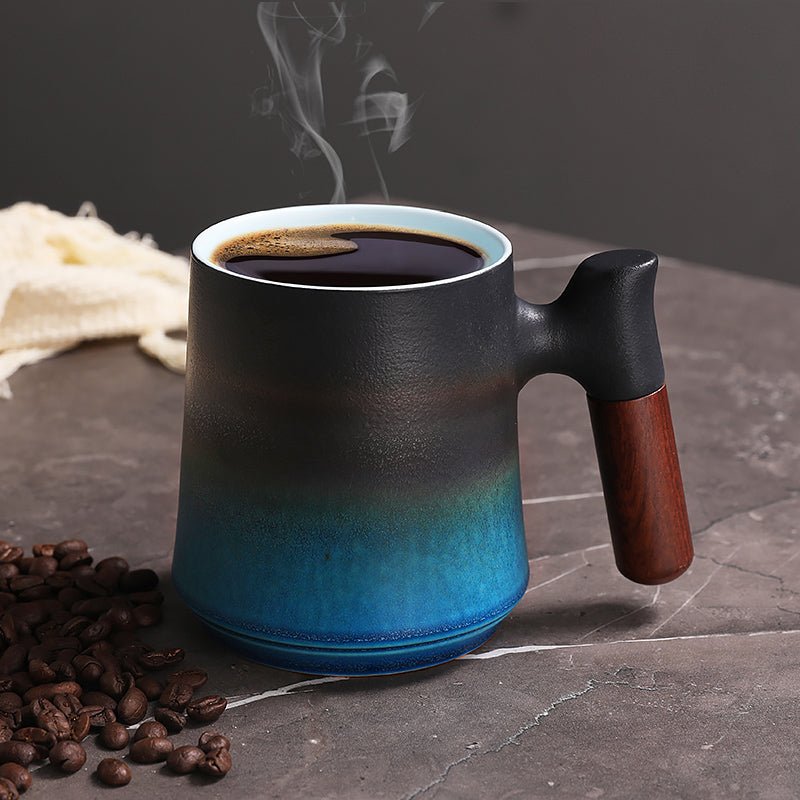
Two Tone Ceramic Coffee Mugs Morning Routine Product Shortlist Guide
Compare three CoffeifyMug two-tone ceramic designs by morning timing, working drink volume, refill tolerance, brewer clearance, and care. Each scenario includes a reason to choose the mug and a rea...
Read more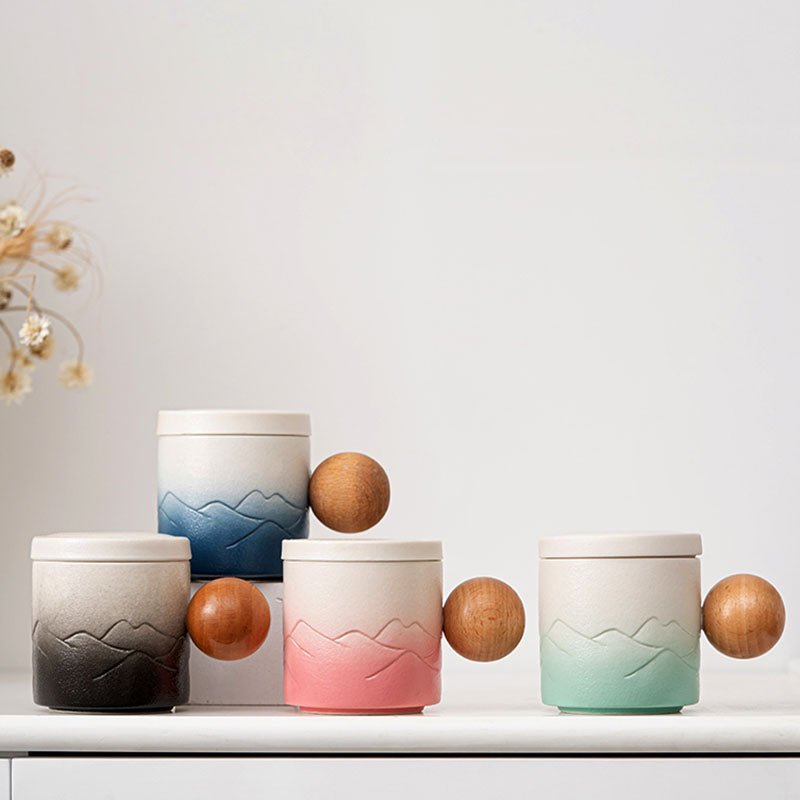
Loose Leaf Tea Mug Shared Household Practical Purchase Checklist
Compare three separate CoffeifyMug listings by verified capacity, visible opening, serving habits, cupboard fit, care questions, and separate infuser needs before choosing for a shared kitchen.
Read more
Leave a comment
This site is protected by hCaptcha and the hCaptcha Privacy Policy and Terms of Service apply.