

Cortado Cup Size Ceramic: Compare 170, 200, and 270 ml
Reading time: about 9 minutes
Set a 170 ml cup beside a 270 ml mug and pour 120 ml of cool water into each. The first leaves 50 ml of nominal capacity unused; the second leaves 150 ml. That kitchen-counter test shows why a cortado cup size ceramic decision should start with milliliters, not glaze color or a tightly cropped product photo.
In our store, we often have to translate the word small into a usable number. One shopper wants very little empty space around a short espresso-and-milk drink. Another wants room to add milk and walk the cup to an office desk without filling it to the lip. This guide compares the linked products only on the exact facts verified for this article: Retro is 170 ml, Pleated is 200 ml, and Emerald is 270 ml. We are not claiming that any of them was designed, tested, or certified for cortado. If ceramic material is non-negotiable, confirm the exact material wording on the live product page before ordering.
What changes when the drink stays the same but the cup gets larger?
A cortado label does not tell us how much you pour at home. Recipes, milk additions, and preferred fill lines vary, so the useful buying baseline is the finished volume you actually serve.
Nominal headroom = listed cup capacity − measured drink volume.
We call it nominal because a listed capacity may describe volume up to the brim rather than a comfortable carrying line. We do not have verified brimful-versus-usable figures for these three products. The subtraction is therefore a planning tool, not a promise about the exact distance between the drink and the rim.
Shape is the second variable. A tall, narrow cup and a wide, shallow cup can both hold 200 ml while presenting the same drink at different heights. Capacity tells you how much volume remains unused. Internal profile and rim diameter determine how that space looks.
170, 200, and 270 ml: cortado cup size ceramic comparison
The table uses two fixed example pours so you can see the capacity differences clearly. Replace them with your own measurement before making the final choice.
| Current listing | Verified capacity | Headroom after 120 ml | Headroom after 135 ml | Capacity-only starting point |
|---|---|---|---|---|
| Retro | 170 ml | 50 ml | 35 ml | Least unused capacity of these three |
| Pleated | 200 ml | 80 ml | 65 ml | 30 ml more room than Retro |
| Emerald | 270 ml | 150 ml | 135 ml | Largest option in this comparison |
The 120 and 135 ml figures are comparison examples, not a claim that every cortado must equal either amount. At 135 ml, the Emerald leaves another 135 ml of listed capacity unused. The Retro leaves 35 ml. That is a meaningful difference even though the table cannot show the vertical fill height.
These calculations also do not establish material, heat retention, extraction performance, commercial durability, or appliance safety. They simply prevent a 170 ml cup and a 270 ml mug from being treated as equivalent because both appear compact in photographs.
Which capacity fits a compact pour, extra milk, or a small-mug routine?
A compact measured pour: start with 170 ml
If your finished drink measures 120 to 135 ml and your priority is minimizing unused capacity, the 170 ml Retro listing is the capacity-led first step. It leaves 35 to 50 ml nominally unused, less than the other two choices. The trade-off appears with larger pours: a 150 ml drink leaves only 20 ml on paper, which may feel tight if the stated capacity is measured to the brim.
More room for milk or desk carry: compare 200 ml
The 200 ml Pleated option adds 30 ml over Retro. A 150 ml drink leaves 50 ml of nominal headroom, which can be useful if you add milk after tasting or walk from the kitchen to a desk. More capacity does not make a cup spill-proof, and a smaller drink will occupy less of the vessel.
A genuinely larger routine: treat 270 ml as the larger option
The 270 ml Emerald page makes more sense if your measured drink is substantially larger or you value room more than a compact presentation. A 135 ml pour uses exactly half of the listed capacity. That is not a product defect, but it is the wrong capacity relationship for a buyer who wants the least possible empty volume.
For a gift, ask the recipient about the capacity of a favorite cup or have them point out their normal fill line. Saying that someone drinks cortados is not enough information. Their home pour may be very different from yours.
How can you calculate headroom before ordering?
You do not need to estimate from espresso shots or milk-pitcher markings. Use the cup and fill level you already know.
- Make your usual drink and note its highest normal fill line.
- After the cup is empty, clean, and cool, add cool water to that same line.
- Transfer the water into a graduated measuring jug and record the milliliters.
- Repeat the check for your largest routine pour if your milk amount varies.
- Subtract each result from 170, 200, and 270 ml.
Suppose your usual fill line measures 145 ml. Retro leaves 25 ml of nominal capacity, Pleated leaves 55 ml, and Emerald leaves 125 ml. That one-minute check is more dependable than judging scale from a styled product image.
Choose the margin around your routine. A cup that stays on the kitchen counter can suit a tighter fill. Stirring sweetener, adding a final splash of milk, or carrying the drink to another room may make additional headroom more practical. It still does not confirm the cup's usable fill line or spill resistance.
Ceramic or glass: what can you compare without guessing?
Material affects the visual and handling questions you should ask, but it does not change the capacity arithmetic.
- Visibility: Clear glass shows the drink level and any visible layers. An opaque ceramic body hides them. Choose glass if seeing the drink is part of the experience.
- Thermal behavior: Do not assume a ceramic cup will outperform glass without comparable wall thickness, mass, and construction data. We do not have product-specific heat-retention tests for this comparison.
- Handling: Handle shape, wall thickness, rim profile, weight, and exterior temperature are design-specific. Confirm them on the exact listing rather than transferring details from a similar-looking cup.
- Care and storage: Microwave use, dishwasher cycles, stackability, and resistance to finish wear require explicit product information. A photo cannot verify any of them.
If finish and cupboard style matter as much as volume, browse our unique coffee mugs collection, then reopen each shortlisted page and check its material and dimensions. A glazed appearance alone does not establish the exact body material.
Which live-listing and unboxing details deserve a second check?
Capacity gets you onto the right product page. These details determine whether the piece fits your actual routine:
- Exact material wording: Look for the stated body material and finish. If a particular glaze statement, food-contact claim, or certification matters to you, require that exact information on the page or ask our team.
- Capacity convention and dimensions: Check whether capacity is described as brimful or practical, then compare height, rim diameter, and base footprint if supplied.
- Rim and wall construction: A wide opening changes perceived fill, while single-wall or double-wall construction can change handling. Do not infer either from the product name.
- Handle, base, and set contents: Verify whether a handle is present, how much finger clearance it offers, what quantity is included, and whether any saucer or accessory is stated.
- Care and storage: Confirm microwave and dishwasher instructions, then check stackability or shelf dimensions if cupboard space is tight. If care is not stated, ask before the first dishwasher cycle.
At unboxing, inspect drinkware under good light before first use. Place the piece on a flat counter and check for unexpected rocking. Look closely at the rim for chips, the body for hairline cracks, the foot ring for a rough edge, and the handle joints if a handle is present. Do not slide a finger across a suspected chip. Photograph any concern and contact us before using the item.
Decorative glaze variation is not automatically a structural problem, but a sharp rim chip, a through-crack, or an unstable base deserves clarification. If the cup is a gift, do this check before wrapping it and keep the current care information with the package.
When is each capacity the wrong choice?
A clear rejection rule is often more useful than another style preference.
- Skip 170 ml if your regular fill is around 160 ml. That leaves only 10 ml of nominal capacity, before accounting for how the seller measured the cup.
- Skip 200 ml if your drink is 120 ml and you strongly dislike unused volume. The arithmetic leaves 80 ml, so the middle option may still feel larger than expected.
- Skip 270 ml if your 120 to 135 ml drink should occupy most of the listed capacity. It leaves 135 to 150 ml unused in those examples.
- Skip all three if you need a vessel below 170 ml, a transparent glass, or documented microwave, dishwasher, certification, or commercial-stackability claims that the current pages do not state.
A different vessel can be the better purchase. Capacity mismatch does not mean the larger product is poor quality; it means the product and the drink are doing different jobs.
Frequently asked questions
Which cortado cup size ceramic option leaves the least unused capacity?
Among the three linked products, Retro has the smallest verified capacity at 170 ml. A 120 ml pour leaves 50 ml nominally unused, while a 135 ml pour leaves 35 ml. That answer is based on capacity only, so confirm material and dimensions on the live listing.
What is the best cup capacity for a cortado at home?
Start with the measured volume of your finished drink, then add the amount of headroom you prefer. If your normal fill is 135 ml, the current options leave 35 ml, 65 ml, or 135 ml of nominal capacity. No single cup capacity fits every home recipe.
Should I choose 170 or 200 ml if I add extra milk?
The 200 ml option gives you 30 ml more listed capacity than the 170 ml option. Choose it if your added milk regularly pushes the finished drink close to 170 ml or if you want a larger carrying margin. Choose 170 ml if your final volume stays smaller and minimizing empty space matters more.
Is 270 ml too big for a short espresso-and-milk drink?
It may be if compact presentation is your priority. A 120 ml drink leaves 150 ml unused, and a 135 ml drink leaves 135 ml unused. The 270 ml choice is more logical for a larger routine than for the smallest possible capacity match.
Are the linked cups microwave or dishwasher safe?
This comparison does not verify microwave or dishwasher compatibility for any linked product. Check the exact care instructions on the current product page. If the information is absent, ask our team before using the cup in either appliance.
Your next step: Measure your normal fill line with cool water, subtract that number from 170, 200, and 270 ml, and choose the headroom that fits your routine. Then verify material, dimensions, handle, set quantity, and care on the matching product page. If none of those capacity gaps feels right, return to the broader mug collection and keep milliliters at the top of your checklist.
More from our blog
Read more

Giant Hot Cocoa Mug: Compare Capacity, Grip and Care
Oversized mugs can become awkward once liquid weight and topping headspace are counted. Compare usable capacity, handle clearance, care evidence, and CoffeifyMug’s verified 400 ml and 480 ml cocoa-...
Read more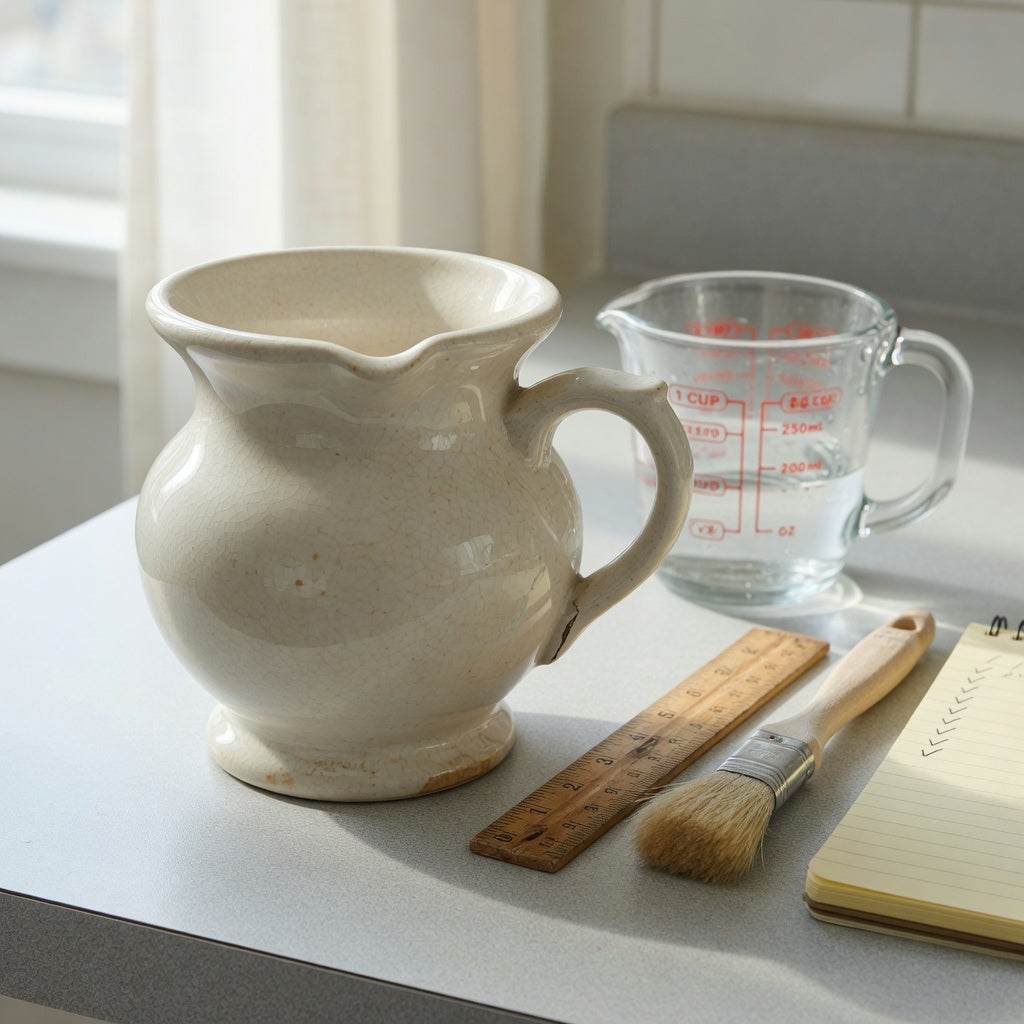
Spittoon Coffee Tea Mug Buying Checklist: 9 Buyer Checks
A practical checklist for comparing spittoon-shaped drinking mugs by intended use, capacity, rim and handle comfort, food-contact claims, stability, cleaning needs, and gift suitability.
Read more
Leave a comment
This site is protected by hCaptcha and the hCaptcha Privacy Policy and Terms of Service apply.