
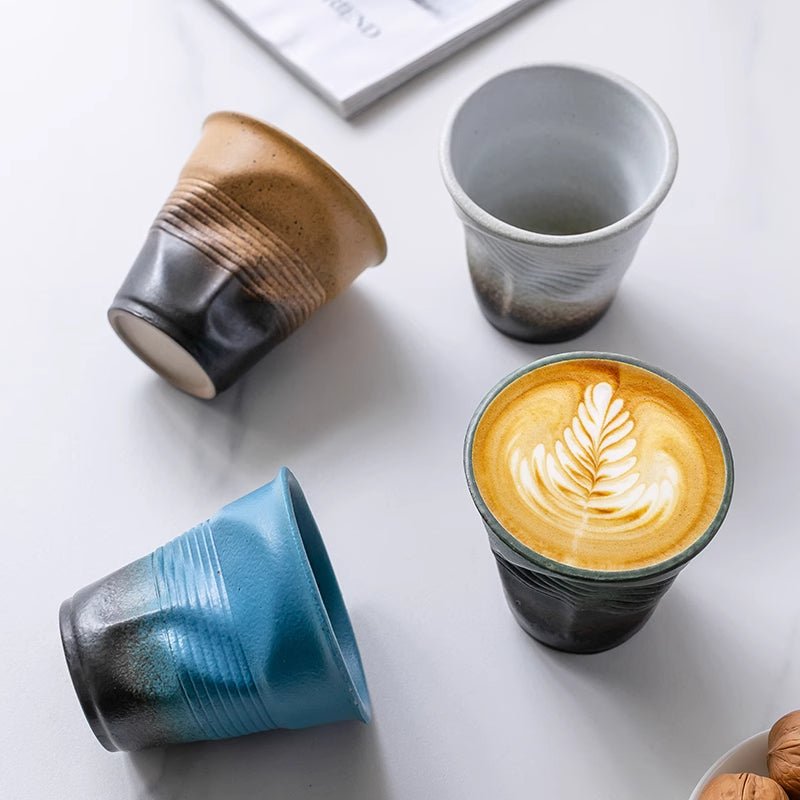
Ceramic Cortado Cup Capacity Guide: 170 ml, 200 ml, 270 ml
Reading time: about 9 minutes
A 150 ml finished drink leaves only 20 ml on paper in a 170 ml cup, but 120 ml in a 270 ml mug. That difference becomes noticeable when you carry an open drink from the kitchen counter to an office desk, add a final splash, or simply dislike filling near the listed capacity. This ceramic cortado cup capacity guide compares the three verified sizes in our current range: 170 ml, 200 ml, and 270 ml.
As the store carrying these pieces, we keep this comparison tied to the facts we can verify. The Retro Coffee Tea Cup starts the set at 170 ml, while our unique coffee mugs collection provides the wider catalog context. Capacity can help match a serving routine, but it does not establish that any cup was designed, tested, or certified specifically for cortado.
The ceramic cortado cup capacity guide at a glance: 170, 200, and 270 ml
A listed capacity is a catalog measurement, not automatically the amount you will want to pour every day. For comparison, we subtract the finished drink volume from the listed capacity. The result is planning headroom: useful arithmetic for narrowing the options, but not a measured guarantee of a comfortable fill line.
| Current option | Listed capacity | After a 120 ml drink | After a 150 ml drink | After a 180 ml drink |
|---|---|---|---|---|
| Retro Coffee Tea Cup | 170 ml | 50 ml headroom | 20 ml headroom | 10 ml over capacity |
| Pleated Coffee Tea Cup | 200 ml | 80 ml headroom | 50 ml headroom | 20 ml headroom |
| Emerald Coffee Tea Mug | 270 ml | 150 ml headroom | 120 ml headroom | 90 ml headroom |
Foam, ice, and later additions also occupy space, so liquid volume alone may understate what your complete drink needs. We also do not infer rim geometry or an exact working fill line from the capacity number. Use the table to eliminate clear mismatches, then apply the headroom that feels comfortable in your own routine.
How much headroom does your finished drink actually need?
The useful calculation is simple: finished drink volume plus your preferred buffer equals the minimum capacity to compare. Measure the complete serving rather than relying on the drink name, since two shoppers can use the word cortado for different total volumes.
- A 120 ml drink plus a 30 ml personal buffer needs at least 150 ml. All three listed capacities clear that target.
- A 150 ml drink plus a 40 ml buffer needs at least 190 ml. The 200 ml Pleated and 270 ml Emerald clear it; the 170 ml Retro does not.
- An 180 ml drink plus a 40 ml buffer needs at least 220 ml. Of the three current options, only the 270 ml Emerald clears that target.
There is no universal correct buffer. Someone who drinks at the counter may accept less open space than someone carrying the cup through the house. In our experience, using a measured personal buffer produces a more dependable decision than choosing the smallest capacity that can mathematically contain the liquid.
Which current cup fits a small, middle, or extended serving?
Retro 170 ml: for one measured, compact serving
Situation: Your complete drink is usually 90 to 120 ml, and you do not combine two servings in the cup. Why it fits: The listed capacity leaves 80 ml after a 90 ml pour or 50 ml after a 120 ml pour. It becomes a tighter choice at 150 ml, where only 20 ml remains on paper. Next step: Review the 170 ml Retro Coffee Tea Cup if keeping the listed capacity compact matters more than accommodating longer pours.
Pleated 200 ml: for more buffer around a 120 to 150 ml drink
Situation: Your routine lands between 120 and 150 ml, or you sometimes add a small top-up before the cup is empty. Why it fits: The 200 ml Pleated Coffee Tea Cup leaves 80 ml after 120 ml and 50 ml after 150 ml. That is more planning room than the Retro without moving to the largest capacity. Next step: Choose this listing when your measured drink plus desired buffer is above 170 ml but no more than 200 ml.
Emerald 270 ml: for a longer drink or combined servings
Situation: Your complete drink is around 180 ml, you want at least 40 ml of buffer above that amount, or you occasionally combine two 120 ml portions. Why it fits: The 270 ml Emerald Coffee Tea Mug leaves 90 ml after a 180 ml drink. Two 120 ml portions total 240 ml and leave 30 ml on paper. Next step: Consider the Emerald when fewer transfers or a larger total serving matters more than selecting the smallest listed capacity.
One pour or a refill: how does the routine change capacity fit?
Refill habits matter because refill can describe two different actions: starting again with an empty cup or adding liquid while some of the first serving remains.
- A fresh 120 ml serving each time: The cup never needs to hold more than 120 ml, so all three capacities fit mathematically. A larger mug will not reduce how often you prepare a fresh serving.
- A top-up before the cup is empty: If 60 ml remains and you add 90 ml, the cup temporarily holds 150 ml. The Retro leaves 20 ml, the Pleated leaves 50 ml, and the Emerald leaves 120 ml.
- Two 120 ml portions prepared together: The total is 240 ml. Only the 270 ml Emerald contains that amount within its listed capacity, leaving 30 ml of planning headroom.
Use the highest amount that will be in the cup at one time. Counting only the initial pour can lead to a poor fit if topping up is part of the normal routine.
Where does each capacity become a poor fit?
- Retro 170 ml: It is not suitable for a finished drink over 170 ml, and a 150 ml serving leaves little room for shoppers who prefer a 30 or 40 ml buffer.
- Pleated 200 ml: It cannot cover totals above 200 ml. At 180 ml, its remaining 20 ml may also be less than your preferred carrying margin.
- Emerald 270 ml: It is the largest listed option and leaves 150 ml unused around a 120 ml serving. It is not the logical capacity choice for someone whose main goal is the smallest current vessel that clears a short recipe.
Capacity does not tell us the outside dimensions, weight, handle clearance, wall thickness, glaze behavior, or heat retention of these products. It also does not establish microwave or dishwasher compatibility. Check the current product listing before making any care assumption, and do not treat this capacity comparison as evidence of extraction performance or commercial cafe suitability.
The same caution applies to iced drinks. Ice displaces volume, so a liquid-only recipe may not describe the occupied space. Without a measured finished serving that includes the ice, none of these capacities should be recommended solely from the name of the drink.
How can you measure a real serving before ordering?
A measuring jug and your usual recipe can settle the capacity question in a few minutes. We use the finished amount because the separate ingredients do not matter once they share the same cup.
- Prepare the drink exactly as you normally serve it, including milk, water, or any final addition.
- Measure the finished liquid in milliliters. If foam or ice is part of the routine, note the occupied level separately because liquid measurement alone will miss that displacement.
- Use cool water in your current cup to recreate the measured total, then carry it along the usual counter-to-desk route. Add water in small measured amounts until the open space feels too tight.
- Subtract the drink volume from the last comfortable total. That difference is your personal headroom target.
- Repeat the calculation for occasional larger servings or top-ups, then shop for the highest total you genuinely expect to hold.
For example, a measured 145 ml drink plus a preferred 35 ml buffer creates a 180 ml requirement. The 170 ml Retro falls short, while the 200 ml Pleated and 270 ml Emerald clear it. For a gift, ask about the recipient's normal serving volume if possible; choosing the middle capacity is not a substitute for knowing the routine.
Where do neighboring ceramic cup sizes fit?
This article stays focused on capacity arithmetic. For a broader discussion of daily fit beyond these three numbers, use our ceramic cortado cup buying guide for size, headroom, and daily use. A shopper preparing a shorter serving can compare the logic in our ceramic espresso cup capacity guide, while someone regularly exceeding 270 ml will get more useful context from the coffee mug sizes guide for daily use.
Frequently asked questions
What ceramic cup capacity is best for a 120 ml cortado?
All three listed options can contain 120 ml based on capacity alone. The Retro leaves 50 ml, the Pleated leaves 80 ml, and the Emerald leaves 150 ml of theoretical headroom. Choose according to how much spare room and unused capacity you prefer.
Is a 170 ml cup too small for a 150 ml drink?
It is not too small mathematically, but it leaves only 20 ml below the listed capacity. That may be acceptable at a stationary counter and too tight for someone who prefers a larger carrying buffer. If you want 30 ml or more of headroom, move to at least the 200 ml option.
Can I combine two 120 ml servings in one ceramic cup?
Two 120 ml servings total 240 ml. The 170 ml and 200 ml options do not fit that amount within their listed capacities. The 270 ml Emerald leaves 30 ml of theoretical headroom.
Does this ceramic cortado cup capacity guide cover microwave or dishwasher use?
No. This ceramic cortado cup capacity guide is limited to verified capacities, headroom calculations, and serving routines. Review the current product page for care information rather than assuming that every ceramic item has the same microwave or dishwasher compatibility.
Is 200 ml the best cortado cup capacity for a gift?
The 200 ml Pleated is the middle capacity of these three, but that does not make it universally best for gifting. It fits a 150 ml drink with 50 ml of planning headroom, while a recipient who makes 90 ml or 240 ml servings may prefer another option. A quick question about their usual finished volume is more useful than guessing from the drink name.
Your order check: volume, buffer, and refill pattern
- Record the complete serving volume in milliliters.
- Add your personal headroom target.
- Include any liquid that remains during a top-up.
- Check occasional larger servings instead of only the smallest weekday pour.
- Confirm care and product details on the current listing without inferring them from capacity.
Choose 170 ml only if the drink plus buffer stays at or below 170 ml, 200 ml if that total stays at or below 200 ml, and 270 ml if it needs more room but remains within 270 ml. Then compare the current product pages in our unique coffee mugs collection and order the capacity that matches the amount you actually put in the cup.
Read more
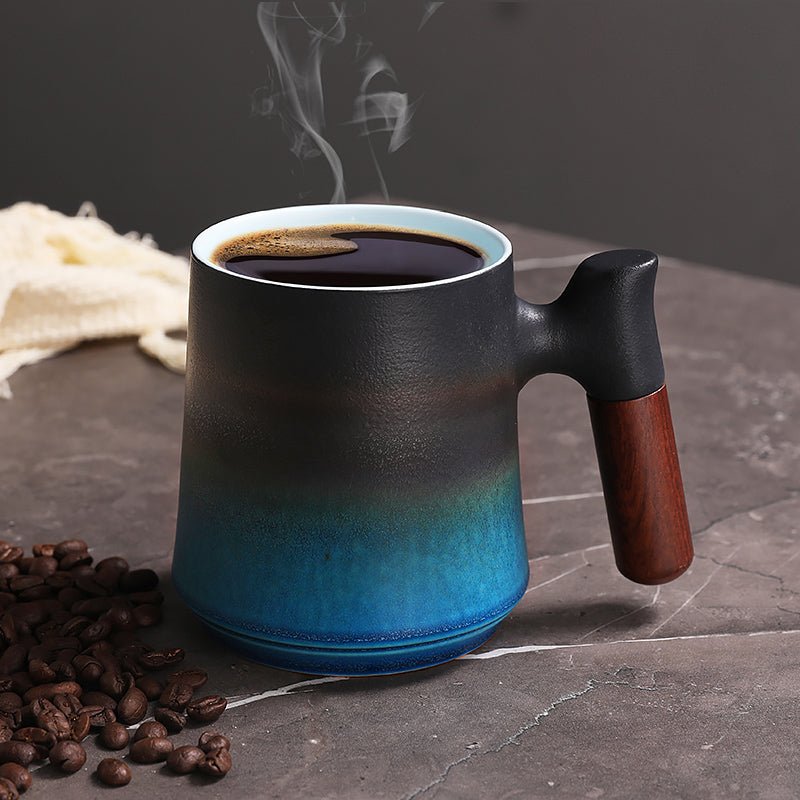
Hot Toddy Mug Capacity Guide: Compare 400 ml and 480 ml
Compare CoffeifyMug's 400 ml Gradient and Flow mugs with the 480 ml Rock. See how listed capacity, refill habits, headspace, and handle fit affect everyday use.
Read more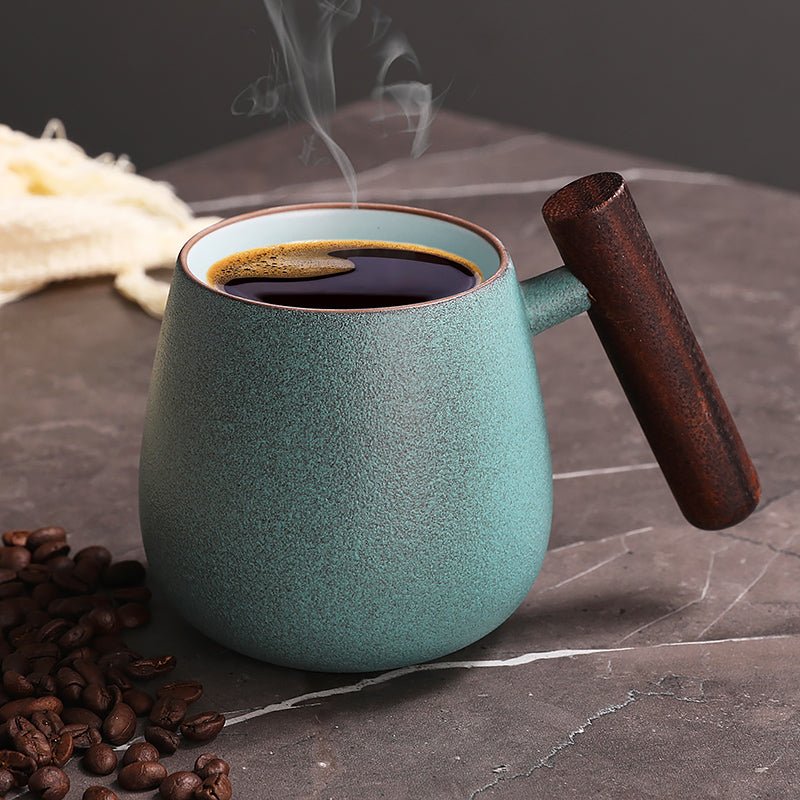
Loose leaf tea mug capacity guide: 250 ml vs. 390 ml vs. 400 ml
Compare CoffeifyMug's current 250 ml, 390 ml, and 400 ml drinkware by listed capacity, refill rhythm, and visible opening. This guide also explains headspace, personal-infuser fit, office use, and ...
Read more
Leave a comment
This site is protected by hCaptcha and the hCaptcha Privacy Policy and Terms of Service apply.