

Coffee Mug vs Tea Mug Difference Morning Night Guide
Reading time: about 12 minutes
A full mug that leaves the kitchen at 7:10 and is still too hot to sip at the office door is a heat problem, not a quirk of the coffee. The same thick wall that saved that morning pour will sit under a lamp at 9 p.m. and hold a small green tea hotter than you meant to drink it. In our store we see this after gifts are opened and when someone asks for one cup that can cover both hours. The coffee mug vs tea mug difference morning night is shape, wall, pour size, and when the caffeine lands. No standards body defines a capacity, rim diameter, or wall thickness a product must meet before the box can say tea mug or coffee mug.
Dinnerware practice, not a statute, is what most makers still follow. A traditional tea cup is shorter and wider so the drink can cool and aroma has a broad surface to leave. A coffee cup or everyday mug is often taller and frequently thicker, so heat stays in while you answer email. Retail ounce charts disagree with each other. If you want one page to test against both routines, open the current Morning Night coffee and tea mug and read only the material, capacity, handle, glaze, and care lines that listing actually states. We will not invent those facts from the product name or from a similar piece.
What is the coffee mug vs tea mug difference morning night on a weekday counter?
Shoppers rarely want a lecture. They want to know if the desk cup will still be hot at the second meeting, and if that same cup will flatten a delicate tea after dinner. In our experience we answer on the bench: pick the piece up, look at the rim, feel the wall, and ask which hour it has to survive. When we pack a gift, that hour question matters more than the illustration on the box.
A thick everyday mug and a thin porcelain tea cup can both be ceramic and still feel unrelated in the hand. The thick one is what most households trust in a weekday dishwasher with a large coffee. The thin one shows the color of the liquor and gives heat back to the room faster. A word on the glaze does not guarantee either trait. If a listing never names the clay body, treat the body as unknown.
- Morning coffee is often a larger pour you want hot while work starts. A taller profile and a thicker wall match that better than a wide, shallow bowl.
- Daytime black tea can share that everyday mug if you like a big serving and you are not chasing a light aroma.
- Green tea, white tea, or a small after-dinner cup usually wants less volume and more open surface, so you can sip once it is no longer scalding.
- A commute is another tool. A lid or an insulated bottle carries liquid. It does not help you smell tea at the table.
Handle room shows up on the third morning, not in the hero photo. A loop that looks fine empty can pinch a knuckle once the mug is full. If you are comparing rims and handles across shapes, set them side by side in our unique coffee mugs.
Why does a wide rim cool night tea faster than a tall coffee mug?
Heat leaves a drink where the liquid meets cooler air and where the wall meets the room. A research reconsideration of Newton's law of cooling reports that the rate of temperature change depends on surface area relative to volume, along with how the material transfers heat. If the surface touching the surroundings is small relative to the volume inside, less heat exchanges with the room. A wide, open cup puts more surface against the air for the same pour, so it cools sooner.
That is why a traditional tea cup and a tall coffee mug diverge even when you fill them from the same kettle. Geometry and mass do the work. A slogan does not.
| Vessel, as dinnerware practice | Shape we usually see | What it tends to do | Where it fails |
|---|---|---|---|
| Traditional tea cup | Shorter, wider rim | Cools sooner; aroma has room to leave | A large coffee goes lukewarm before a long call ends |
| Coffee cup | Taller, often narrower | Holds heat for a seated cup | Delicate tea can stay hotter than you wanted |
| Everyday mug | Tall, thicker wall, larger handle | Breakfast and desk workhorse | A poor fit for a small, quick-cooling night sip |
We will not quote minute-by-minute cool-down times. A drafty counter, a cupboard-cold cup, and a cup warmed with a splash of hot water will not match. Wall thickness is a maker's choice, not a legal line between tea and coffee.
A thick mug is a weak choice for a small tea you want aromatic and no longer scalding. The wall stores heat and gives it back, so the last third can feel stubborn. A thin, wide cup is a weak choice for black coffee you plan to nurse through a meeting. It cools sooner, and a fine rim can feel sharp in a tight grip. Those are mismatches of job and shape, not proof the cup was badly made.
Should brew temperature change the cup you pour into?
In our store we brew specialty coffee below a rolling boil, start many black teas closer to a boil, and start green, white, and some large-leaf teas cooler so they do not go harsh. Those are pouring habits we use at the counter. They are not mug laws. Once the water is in the cup, shape and wall take over.
Buyers often say green tea tastes more bitter in a large mug because the mug stays hotter. We hear the same report. Treat it as experience, not a lab result. Research we reviewed does not test bitterness after the leaves are already out. A bag or infuser left in any vessel keeps extracting. A hotter, larger mug makes that mistake easier to taste. Lift the leaves on time either way.
- Cooler-brewed aromatic teas: a smaller pour, a more open rim, and a wall that is not feeding heat back into the sip.
- Black tea and everyday coffee: a taller mug is reasonable if you want volume and you like the drink hot for a while.
- A drink you will abandon for an hour: a wide cup disappoints unless you wanted it cooler on purpose.
Thin porcelain chips when the rim knocks a faucet or another cup in a crowded sink. A heavy mug survives that bump and then refuses to cool after dinner. If wet cups stack beside your sink, give coffee the sturdier piece and give seated tea the delicate one. Porcelain, stoneware, and glass do not share one heat curve or one chip pattern. Our notes on what coffee mugs are made of cover those material differences. They still do not name the body of a mug whose own listing has not said it.
How late can a morning-size coffee pour push caffeine?
The vessel does not remove caffeine. It changes how much you pour and whether the drink stays pleasant enough that you keep sipping. For most adults, the FDA cites 400 milligrams of caffeine a day, about two to three 12-fluid-ounce cups of coffee, as an amount not generally associated with negative effects. Sensitivity varies, and so does how fast people clear caffeine. Too much can cause insomnia or other sleep disruptions.
The FDA consumer table lists typical amounts of 37 milligrams for green tea, 71 milligrams for black tea, and 113 to 247 milligrams for regular brewed non-specialty coffee. A mug in that coffee range can sit well above a green tea and still above a typical black tea, before any refill. Moving a morning-mug habit to 9 p.m. is a dose decision. The glaze cannot shrink it.
A 2023 systematic review and meta-analysis indexed by PubMed found that caffeine reduced total sleep time by 45 minutes and sleep efficiency by 7%, and increased sleep-onset latency by 9 minutes. To avoid reductions in total sleep time, it concluded that coffee providing 107 mg per 250 mL should be consumed at least 8.8 hours before bedtime. Those figures are averages from the studies reviewed, not a promise about your night.
Decaf is not caffeine-free. The FDA notes that decaffeinated coffee still contains some caffeine, typically 2 to 15 milligrams in an 8-fluid-ounce cup. A large after-dinner decaf is a smaller serving, not a zero. We also will not tell you that every herbal infusion is caffeine-free. The figures we can stand behind describe coffee and tea from the tea plant more clearly than they describe grocery-aisle tisanes.
- A larger, heat-holding mug fits a morning coffee you will finish while you are awake for hours.
- A smaller or faster-cooling cup fits a drink you want finished, not nursed, after dinner.
- Choose the beverage before the cup. Shape will not cancel what you brewed.
This is not medical advice. A sensitive sleeper may need an earlier cutoff than the average in that review.
Is one glazed mug enough for coffee, tea, and guests?
For a casual kitchen, one everyday mug is normal, and it is what most weekday buyers from our store actually use. Leftover coffee in the next tea is a real complaint, and it is unmeasured. Sources we trust have not quantified flavor carryover in glazed ceramic. If you still taste coffee after a normal wash, keep a second cup. That is a preference, not a lab rule.
Separate cups earn the shelf in a few cases we see when a gift is opened or a table is set:
- A guest wants delicate tea beside someone else's coffee. A thinner cup next to a sturdier mug is enough formality for most homes. One everyday mug is still fine for a casual visit.
- Green or white tea should not rest against a wall that stays hot.
- You notice coffee in the next pour even after soap.
We did not find a government or peer-reviewed source in this search proving that tea stains glaze more than coffee. A dark drink will leave a ring at the fill line if it sits through a meeting. Rinse it when you stand up. Skip scouring pads that dull the glaze and give the next mark a rougher grip. Dishwasher or microwave wording has to come from the listing you are buying. Porcelain, stoneware, and glass do not share one care rule, and a product name does not assign you one of those bodies.
What should you verify before one mug covers morning and night?
In shopping terms, the coffee mug vs tea mug difference morning night is the hour you drink and the shape that hour needs. One object will not be a wide tasting cup and a tall heat-holding breakfast mug at the same time. Run this check before you add anything to the cart:
- The serving you actually finish, not the generous pour in a photo.
- An open rim if you want faster cooling at night, or a taller wall if morning heat is the point.
- A thick wall for breakfast heat, or a thinner wall if the night cup should drop in temperature sooner.
- Handle clearance with a full mug, judged by your grip, not by an empty product shot.
- Material, glaze, and care taken from this listing only.
- A lid or insulation only if the page says you are buying a commuter. An open tasting cup will not replace a sealed travel mug in a bag.
- A large caffeinated pour early, and a modest cup later. Decaf still contains some caffeine.
If your morning pour is large and your night pour should stay small, hold that list up to the Morning Night coffee and tea mug page before you trust the title. If the listing does not state ounces, wall, or care, leave those answers blank. If the handle or rim is wrong for your hand, compare shapes among unique coffee mugs instead of forcing one name to do two jobs. Unless that listing shows a lid and says the piece is insulated, do not pack it for a commute. A thin rim will not enjoy a crowded office sink either.
Frequently asked questions
What is the coffee mug vs tea mug difference morning night if both just hold a hot drink?
There is no official capacity or wall rule that separates them. Dinnerware practice makes many tea cups shorter and wider so the drink cools and aroma can rise, and makes many coffee mugs taller or thicker so heat stays in. Morning versus night is about how much you pour, how fast that pour cools, and how late the caffeine lands. A product name does not create a certified category.
Can I use a coffee mug for green tea or a tea cup for morning coffee?
Yes for casual use. Plenty of kitchens do both in one mug. A wide, thin tea cup is a weak coffee mug if you need the drink hot through a long desk session. A large, thick coffee mug is a weak choice for a small green tea you want cooler and more aromatic. Match the shape to the hour, then confirm material and care on the listing instead of trusting the glaze slogan.
Does tea get more bitter in a hotter, larger mug?
Buyers report that, especially with green tea left sitting. Treat it as experience, not a lab result. Research we reviewed does not test bitterness after the leaves are out. Pull the infuser or bag on time, and use a smaller, more open cup if you want the tea to reach a drinkable temperature sooner. Leaving the leaves in will keep extracting in any shape.
Are tea cups more fragile than coffee mugs in a real sink?
Often, but not by definition. Many tea cups are thinner porcelain and chip when the rim hits a faucet. Many coffee mugs are thicker, survive that bump, and then hold heat longer than you want at night. A product name does not prove dishwasher durability or a delicate body, so read the material and care lines on the page you are buying.
Will a smaller evening tea still keep me awake?
A smaller cup cuts the serving. It does not erase caffeine. The FDA table lists typical amounts of 37 milligrams for green tea and 71 milligrams for black tea, below the 113 to 247 milligram range it lists for regular brewed coffee, and too much caffeine can disrupt sleep. A 2023 review found a studied coffee serving of 107 mg per 250 mL was best kept at least 8.8 hours before bed if the goal was protecting total sleep time. If you are sensitive, move the caffeinated pour earlier. This is not medical advice.
More from our blog
Read more
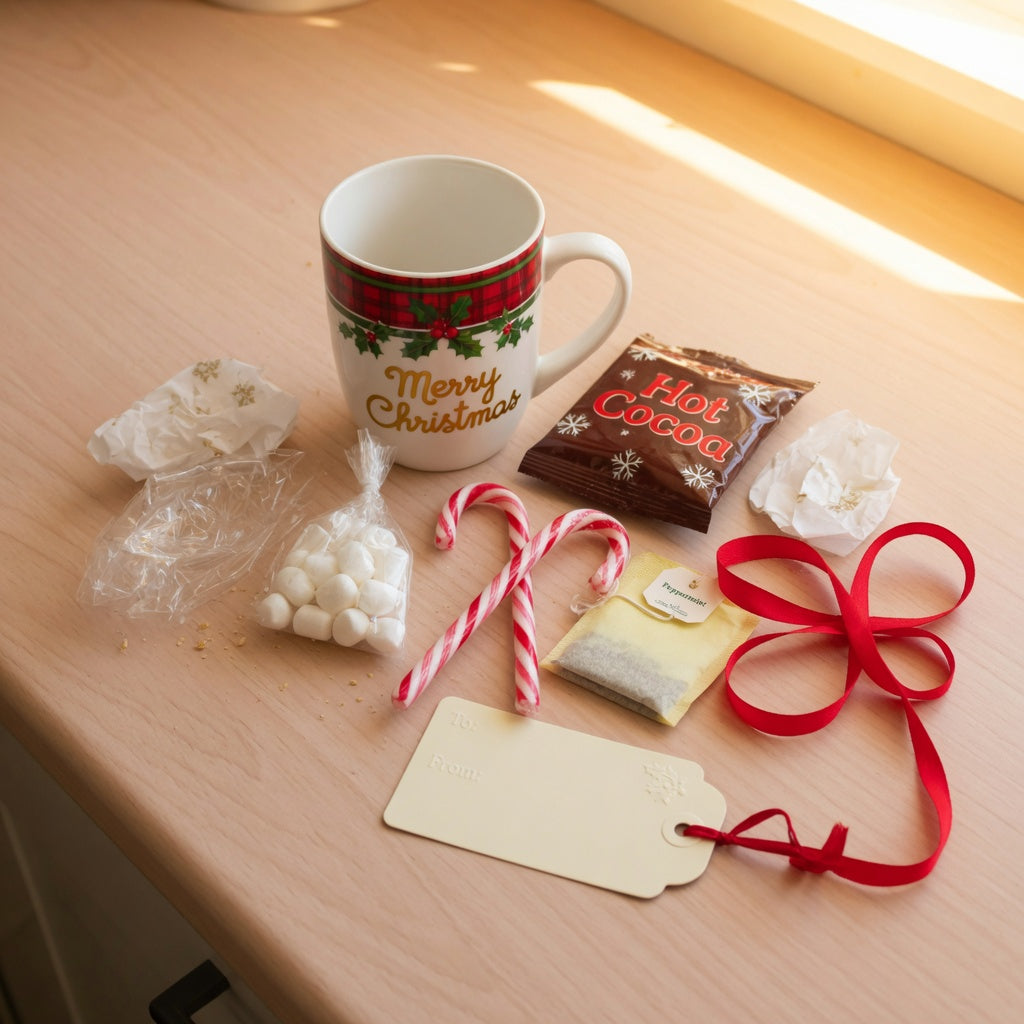
Filled Christmas Mug Gift Ideas: What Buyers Should Compare
Compare what actually belongs in a Christmas mug you fill yourself: recipient, dry cocoa or tea, wrap, allergens, and heat care. The mug is only the vessel; the extras are yours to choose and check.
Read more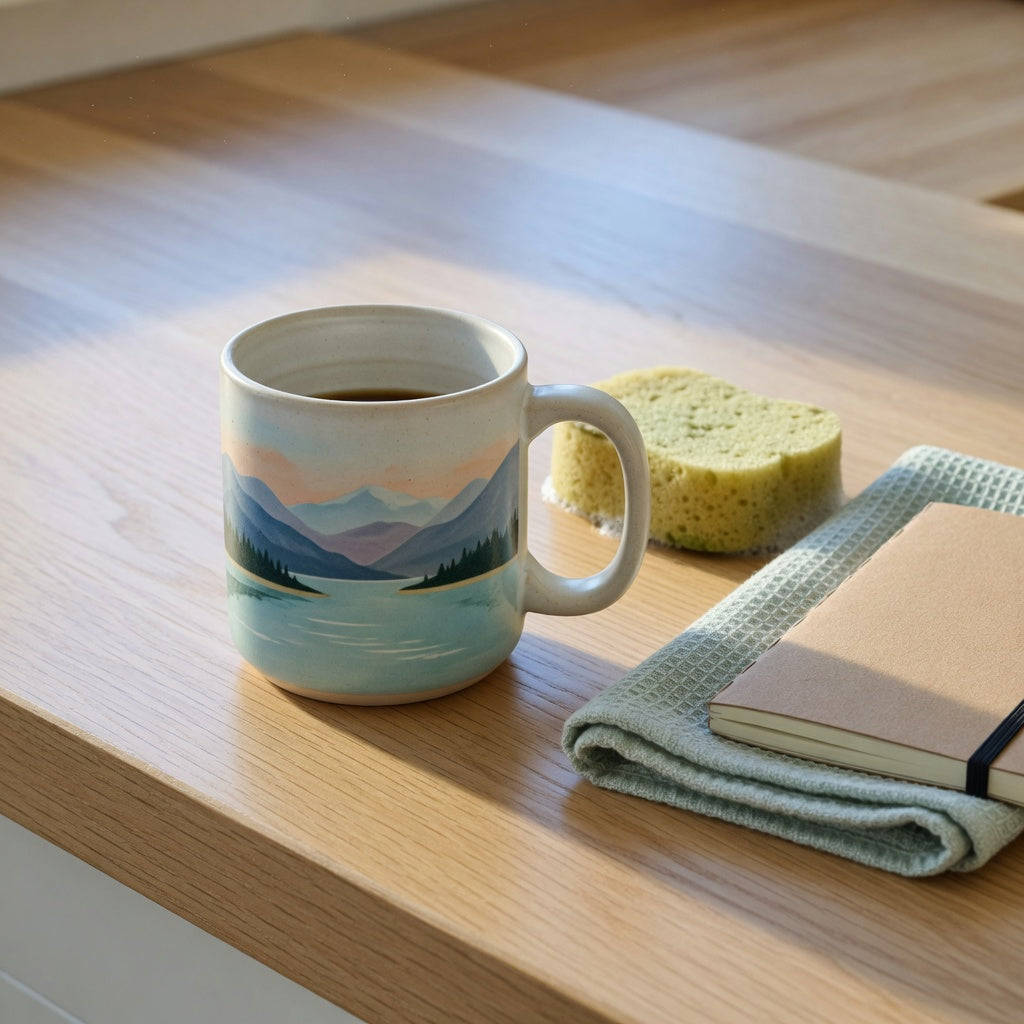
Landscape Ceramic Coffee Mug Buying Checklist: Fit and Care
A scenic print is not the whole purchase. This checklist separates daily desk drinking from display-only pieces and covers glaze safety, handle and rim fit, artwork wear, and the care lines to veri...
Read more
Leave a comment
This site is protected by hCaptcha and the hCaptcha Privacy Policy and Terms of Service apply.