
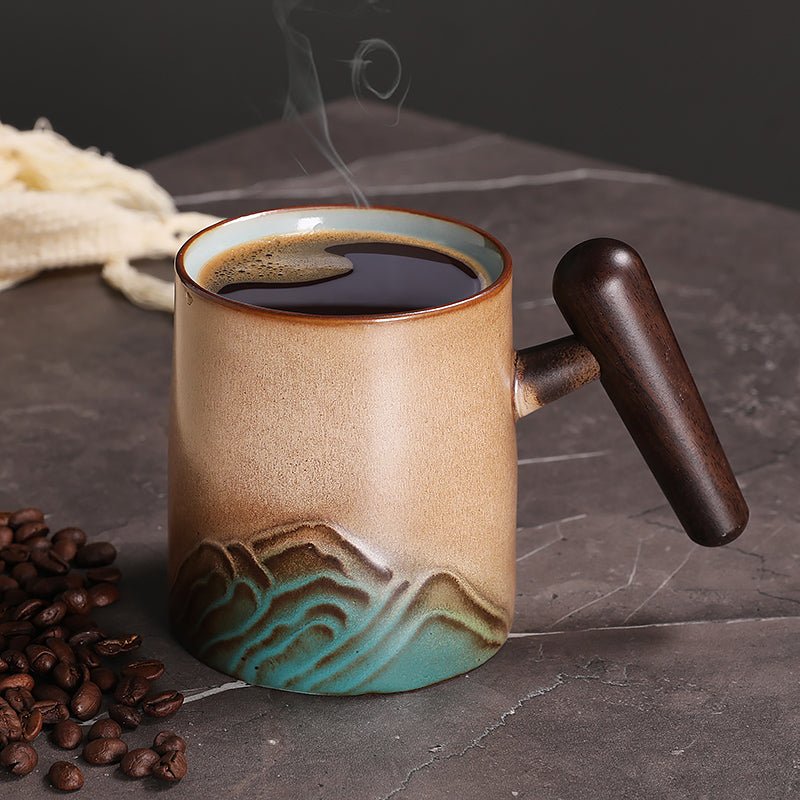
What Are Coffee Mugs Made Of? Materials Buyers Should Compare
Reading time: about 10 minutes
A mug that chips on the sink edge, feels too hot in the hand, or leaves coffee lukewarm after ten minutes usually has a material problem, not a taste problem. We see that all the time in our store conversations: shoppers want something that looks good, feels comfortable, and survives real daily use on a kitchen counter, office desk, or in the dishwasher.
If you are asking what are coffee mugs made of, the short answer is: mostly ceramic, porcelain, stoneware, glass, stainless steel, or insulated materials. The better question is which one fits the way you drink. That is where the trade-offs matter.
For shoppers comparing styles, you can also browse our full mug collection or look at specific pieces like the Golden Waves Kio Coffee Tea Mug, the The Flow Coffee Tea Mug, and the Mountain Sea Coffee Tea Mug to see how material and shape show up in a finished mug.
What materials are coffee mugs usually made of?
Most everyday coffee mugs fall into a few familiar categories. Each one has a different feel in the hand, different heat retention, and different care expectations.
- Ceramic: the most common choice for home and office mugs. It is versatile, easy to decorate, and generally comfortable to drink from.
- Porcelain: a finer type of ceramic with a smoother, more refined feel. It is usually thinner and a little more elegant on the table.
- Stoneware: thicker and heavier than porcelain. It tends to feel sturdy and casual, with a more substantial hand feel.
- Glass: popular when people want to see the drink itself. It is clean-looking, but it can be less forgiving with temperature changes.
- Stainless steel: used more for travel and insulation than for a relaxed desk mug. It is tough, but it changes the drinking experience.
- Insulated composites or double-wall designs: built to hold heat longer and reduce outside temperature. These are practical, but they are not always the best pick for microwave use.
We usually advise shoppers to think beyond looks. A glossy mug can be pretty on a shelf and still feel slippery with wet hands. A thick mug can keep coffee warm longer, but it may be heavier than someone wants for a quick morning pour.
Is ceramic the most common mug material?
Yes, ceramic is the default for a reason. It balances cost, durability, printability, and everyday comfort better than most other materials. It also handles the kinds of use we see most often: coffee poured at home, reheated in the microwave, then washed after a long day.
Ceramic mugs are usually glazed, which gives them a smooth drinking surface and makes cleanup easier. In practice, that glaze matters. A good glaze resists staining better than raw clay, especially with coffee, tea, or hot chocolate. Still, ceramic is not indestructible. Drop one on a tile floor or let a handle take a hard knock against the sink, and a chip is very possible.
For buyers, the real question is not simply ceramic or not ceramic. It is how thick the mug feels, how the handle fits your fingers, and whether the mug can handle your routine. A ceramic mug is a strong choice for a desk, breakfast nook, or gift box. It is not the best option if you need something for outdoor use, frequent drops, or long commutes.
How do porcelain and stoneware compare to ceramic?
Porcelain and stoneware are both ceramic family materials, but they behave differently.
| Material | Typical feel | Common trade-off | Best use case |
|---|---|---|---|
| Porcelain | Smooth, refined, often thinner | Can feel more delicate and may chip at edges | Gift mugs, tidy kitchen setups, tea and coffee service |
| Stoneware | Heavier, thicker, more substantial | Can feel bulky for smaller hands | Daily home use, cozy mugs, larger pours |
Porcelain is often chosen for a more polished look. It is a good fit if you care about a lighter-feeling mug that still looks clean on a shelf or tray. Stoneware feels sturdier in the hand and can be more forgiving in a busy kitchen, but it is also the one people complain about if they prefer a lighter cup.
We usually tell shoppers this: if you want the mug to feel like part of a morning ritual, stoneware has presence. If you want a thinner rim and a more refined sip, porcelain is worth a look. Neither is automatically better. They solve different problems.
Do glass mugs make sense for coffee?
Glass mugs are a very specific choice. They look clean, they show layered drinks well, and they can make a simple coffee look more intentional. That said, glass is rarely the most practical everyday option for rough handling or very hot drinks.
The main upside is visibility. If you like lattes, layered drinks, or tea where color matters, glass can be satisfying. The downside is temperature sensitivity and fragility. Glass can feel hot at the rim or on the body depending on the wall thickness, and it is less forgiving if you set it down hard or wash it with other heavy cookware.
We do not recommend glass for someone who tends to stack dishes carelessly, keeps mugs in a crowded office break room, or wants the most durable mug possible. It is better for a calmer setting and for buyers who care about presentation as much as function.
What makes a mug feel good in daily use?
Material matters, but daily comfort comes from the full build. In our experience, shoppers notice a few details right away once they actually hold the mug:
- Wall thickness: thicker walls usually hold heat better and feel sturdier, but they add weight.
- Rim shape: a slightly rounded rim feels more comfortable than a sharp or overly thick lip.
- Handle size: if two fingers fit comfortably without squeezing, the mug is usually easier to use every day.
- Base stability: a flat, balanced base reduces the annoying wobble you notice on a desk or saucer.
- Glaze finish: a smoother glaze is easier to clean, while textured finishes can show fingerprints or hold residue in small grooves.
That is why two mugs made from the same material can feel completely different. The The Flow Coffee Tea Mug, for example, may appeal to someone who likes a more fluid shape and a comfortable grip, while the Mountain Sea Coffee Tea Mug may suit a buyer who wants a more grounded, substantial presence. Material is part of the story. Shape is the rest of it.
How do you choose the right mug material for your routine?
The right mug depends on where and how you actually drink. We always suggest matching the mug to the setting first, then to the aesthetic.
- For home kitchens: ceramic or stoneware usually makes the most sense. These are comfortable, familiar, and easy to use for daily coffee.
- For gift giving: porcelain or a well-finished ceramic mug often feels more polished in the box.
- For offices: ceramic is practical, but a mug with a stable base and comfortable handle matters more than style alone.
- For travel or commute-heavy routines: stainless steel or insulated drinkware is usually better than a standard ceramic mug.
- For display-first buyers: glass or a refined decorative ceramic can work well, as long as you are not expecting rough handling.
If you want more background before choosing, our article Custom Made Coffee Mugs: Materials, Sizes, and Print Checks goes deeper into how build details affect the final mug. For shoppers comparing domestic sourcing and material choices together, American Made Coffee Mugs: How to Compare Materials, Sizes, and Everyday Use is another useful next read.
What are the common drawbacks buyers should watch for?
We like to be direct here. Every mug material has trade-offs, and some are not great for certain buyers.
- Ceramic: can chip or crack if dropped. Not the best if you want maximum drop resistance.
- Porcelain: elegant, but often feels less rugged than stoneware. Not ideal for a clumsy sink area.
- Stoneware: durable in daily use, but heavier. Not ideal if you hate a bulky mug.
- Glass: attractive, but fragile. Not ideal for hectic kitchens or shared office dish areas.
- Stainless steel: strong and practical, but it changes the feel and can affect the drinking experience. Not ideal if you want a traditional coffee mug feel.
- Insulated mugs: helpful for keeping drinks warm longer, but they are often less microwave-friendly and can be more complex to clean.
There is also a common defect mode shoppers should know: hairline cracks near the handle or around the base. Those are worth watching for because they often start small and become a real problem after repeated washing or temperature swings. Another issue is glaze inconsistency, where tiny surface marks or pinholes show up under bright light. Not every mark is a defect, but it is something careful buyers notice.
How do we think about mug materials in our store?
In our store, we look at mugs the same way a buyer does after the package arrives. Will it feel good on the first pour? Will it survive the dishwasher? Does the handle fit naturally without a strange pinch point? That practical lens matters more than buzzwords.
For example, a mug like the Golden Waves Kio Coffee Tea Mug may appeal to someone who wants a visually distinctive mug that still belongs in a normal kitchen routine. That is the balance we think shoppers should look for: enough personality to enjoy seeing it every morning, but enough practicality to use it often.
We also recommend checking the whole collection at our mugs collection if you are comparing shapes and finishes side by side. Seeing options together makes it easier to notice which mug looks sleek, which one feels substantial, and which one is better suited to a gift box or everyday desk use.
Frequently asked questions
What are coffee mugs made of most often?
Most coffee mugs are made of ceramic, including porcelain and stoneware. Those materials are popular because they are comfortable to drink from, work well for home use, and can be made in many shapes and finishes. You will also see glass, stainless steel, and insulated designs, but ceramic is still the most common everyday choice.
Which coffee mug material keeps drinks hot the longest?
Thicker stoneware and insulated double-wall styles usually hold heat better than thin porcelain or single-wall glass. Stainless steel also performs well for heat retention, especially in travel-oriented designs. If you want a mug for slow sipping at a desk, look for thicker walls and a well-balanced shape.
Are ceramic coffee mugs dishwasher safe?
Many ceramic mugs are dishwasher safe, but not all finishes and decorations hold up the same way. We always suggest checking the care guidance for the specific mug, especially if it has special glazing or printed artwork. If you wash mugs daily, look for a finish that is smooth and easy to rinse clean.
Is porcelain better than stoneware for coffee mugs?
Neither is universally better. Porcelain feels finer and lighter, while stoneware usually feels heavier and more grounded in the hand. Choose porcelain if you like a refined sip and stoneware if you want a sturdier, more substantial mug.
What mug material is best for a gift?
For gifting, ceramic or porcelain usually works best because it feels familiar, looks polished, and suits most coffee drinkers. A comfortable handle and a clean glaze matter more than novelty. If you want something with more character, choose a mug whose shape and finish match the person’s style rather than chasing the heaviest or flashiest option.
If you want to compare by feel rather than just by photos, start with the mug collection, then narrow down by shape, finish, and how you actually drink coffee. That is the quickest way to find a mug you will keep using instead of one that stays in the cabinet.
More from our blog
Read more
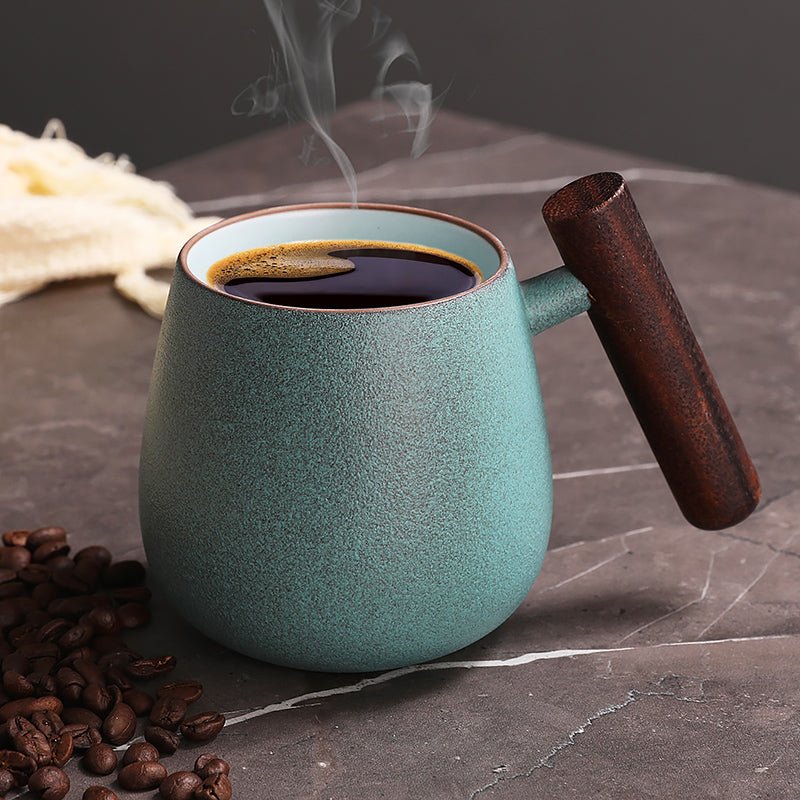
Standard Coffee Mug Size Oz: What Buyers Should Know Before Ordering
A practical size guide for shoppers comparing standard coffee mug size oz, with real-world examples, trade-offs, and what fits best for coffee, tea, and desk use.
Read more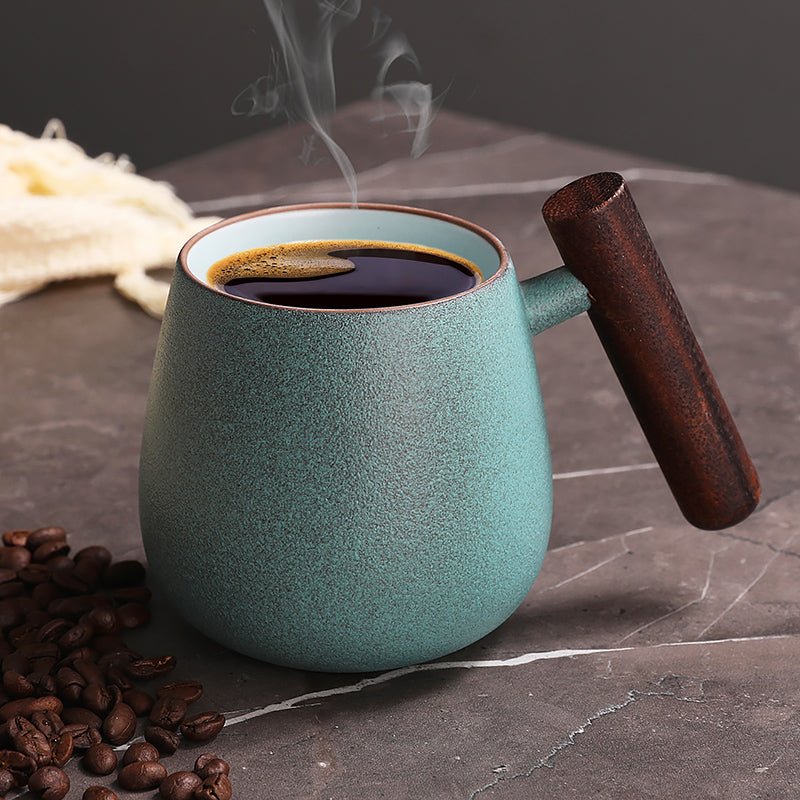
Dishwasher Safe Coffee Mugs: What to Look for Before You Buy
A practical buyer’s guide to dishwasher safe coffee mugs, including materials, finishes, and the small details that affect how a mug holds up after repeat wash cycles. We also point you to a few st...
Read more
Leave a comment
This site is protected by hCaptcha and the hCaptcha Privacy Policy and Terms of Service apply.