
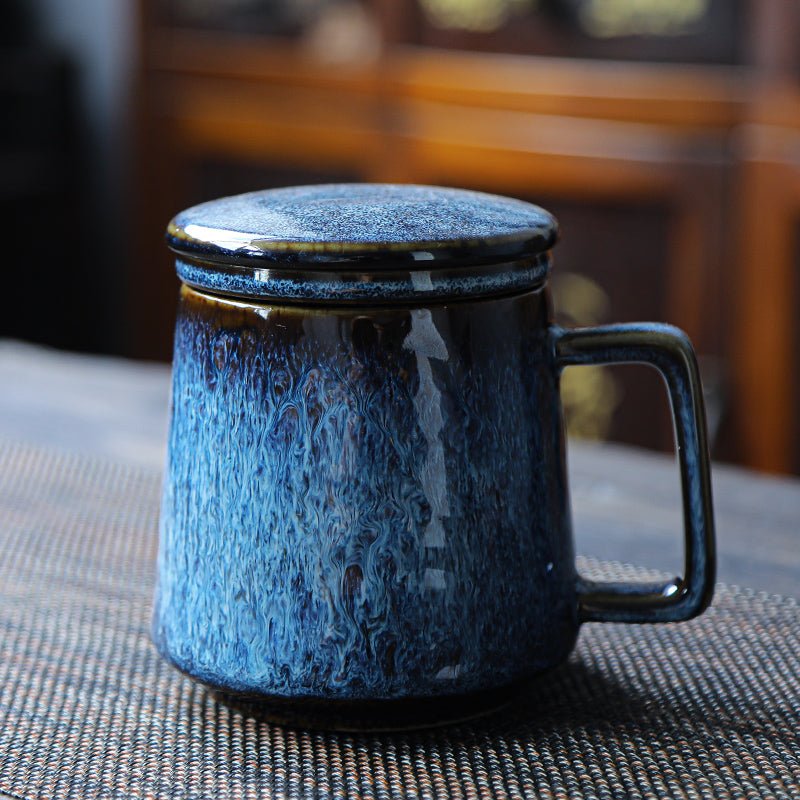
Thick Ceramic Coffee Mugs Morning Routine Practical Purchase Checklist
Reading time: about 9 minutes
At 7:15 a.m., a mug can be wrong in three ordinary ways: it needs a refill before breakfast is finished, the handle crowds your fingers, or the last third cools while you answer email. Our thick ceramic coffee mugs morning routine practical purchase checklist starts with those moments, not with the assumption that a heavier or thicker mug is automatically better.
Before comparing abstract features, open one current listing, such as The Rock Coffee Tea Mug, beside our unique coffee mugs collection. Keep those tabs open while you measure the mug and pour you already use. That turns browsing into a practical comparison rather than a style-only decision.
In our experience selling this category, most disappointment comes from an unstated assumption. A product name is not a capacity measurement, a photo cannot confirm filled weight, and ceramic construction alone does not establish dishwasher or microwave safety. We separate general mug guidance from claims that must be verified on each current product page.
Thick ceramic coffee mugs morning routine practical purchase checklist: start with the clock
First, time your drink. A substantial ceramic body can absorb heat during the initial pour and may feel warmer for longer after it has heated, but actual cooling also depends on the drink volume, starting temperature, room temperature, mug shape, and exposed surface area. We would not promise a specific keep-hot time without testing the same pour under the same conditions.
| Morning pattern | Question to answer | Practical direction |
|---|---|---|
| Drink finished in 10–15 minutes | Is grip and sipping comfort more important than maximum capacity? | Prioritize the handle, rim, and comfortable fill level. Long-duration heat retention may matter less. |
| Drink interrupted for 20–40 minutes | Do you return to the mug after breakfast, messages, or school preparation? | Allow enough volume and headspace for one pour. Prewarming may help if the product's care instructions permit it. |
| Drink carried through a long desk session | Would lukewarm coffee bother you more than using a different material? | A lidded insulated mug may fit better than open ceramic if extended heat retention is the main requirement. |
Those time ranges are self-testing windows, not performance specifications for the linked mugs. Use a phone timer tomorrow morning and note the first sip, last acceptable sip, and finish time.
Usual drink volume and refill tolerance: how much is in the first pour?
Capacity labels are useful only when they match what you actually pour. Milk, foam, tea bags, and ice all consume space, while a brim-full mug leaves little room for carrying it from the kitchen counter to a desk.
- Measure the brewed coffee or tea before it enters your current mug.
- Add the normal amount of milk, creamer, or hot water rather than estimating it.
- For iced coffee, measure with the amount of ice you usually add.
- Note how much empty headspace prevents spills during your walk to the table or office.
- Count how many refills you make before 9 a.m. and decide how many you would tolerate.
If your normal drink is 8 fluid ounces of coffee plus 2 fluid ounces of milk, you need more than 10 fluid ounces of usable space to preserve headroom. A nominal capacity may represent a near-brim measurement, so do not assume every ounce is comfortable carrying capacity. If 12 ounces is close to your target, our 12 oz ceramic mug routine comparison explores that size class in more detail.
A smaller mug can make sense when the coffee pot is nearby and you prefer a fresh refill. A larger mug suits a one-pour routine only if the added filled weight and cabinet footprint are acceptable. Refill tolerance is the deciding variable, not capacity by itself.
Filled weight, handle clearance, and base footprint at the kitchen counter
Thick ceramic can feel reassuring on a desk, but the empty weight is only half the lifting calculation. Twelve US fluid ounces of water weighs about 355 grams; coffee is close enough for a practical estimate. A hypothetical 400-gram empty mug would therefore approach 755 grams after a 12-ounce pour, before adding a spoon or lid.
- Handle opening: Check the inner height and width, not just the handle's outside size. Decide whether you naturally use two fingers, three fingers, or a full-hand grip.
- Rim profile: A substantial rim can feel cushioned, while some drinkers prefer a thinner lip for a more precise sip. Photos may show the profile but cannot tell you how it feels.
- Base footprint: Compare the stated base dimensions, if available, with your coaster, mug warmer, side table, and crowded breakfast tray.
- Cabinet and dishwasher clearance: Overall height is not the only constraint. A projecting handle can reduce the number of mugs that fit side by side.
- Balance when full: A decorative body with a small handle may look appealing yet feel front-heavy. If weight or wrist comfort is a concern, do not treat thickness as an advantage.
Shoppers who grip with more than two fingers should also read our practical guide to ceramic coffee mugs with large handles. Large-looking handles still need useful knuckle clearance, and a listing photo without dimensions cannot settle that question.
Thick ceramic is not the best fit for every routine. A lighter mug may suit limited hand strength, while a lidded travel mug is usually the more practical direction for car cup holders, commutes, and drop-prone settings.
What do the current CoffeifyMug pages confirm, and what must you verify?
The current links give us individual coffee and tea mug names, product images, and whatever specifications are published on each live page. We intentionally do not transfer a capacity, ceramic type, dimension, or care statement from one mug to another. If a field is missing, mark it as unknown rather than turning an assumption into a product fact.
| Current page | Reader situation | How to use the page |
|---|---|---|
| The Rock Coffee Tea Mug | The design shown on this page is already your visual favorite. | Compare its current stated material, capacity, dimensions, care, handle view, and base view with your measured routine. Do not infer weight or safety from the name. |
| The Flow Coffee Tea Mug | You prefer the current form and finish shown for The Flow. | Use the individual listing to check whether the published details answer your volume, grip, storage, and cleaning questions. |
| Spittoon Coffee Tea Mug | You or a gift recipient has specifically chosen this named design. | Confirm practical specifications and care on the live page before letting the distinctive product name make the decision by itself. |
| Unique Coffee Mugs collection | No single design has won yet. | Open likely options side by side and record only comparable, currently stated details. |
A photograph can help you judge silhouette, handle placement, glaze appearance, and how a mug may look on a desk. It cannot establish exact wall thickness in millimeters, comfortable fill capacity, filled balance, or microwave safety unless the listing supplies the relevant information.
Which current page should you open next?
- You already prefer The Rock's current design: Style is settled, so the remaining job is practical verification. Open The Rock Coffee Tea Mug page and check every available specification against your measured pour and storage space.
- The Flow is the design you would reach for each morning: It fits your style-led shortlist, but appearance does not answer grip or care questions. Use The Flow Coffee Tea Mug listing as the source for its current details.
- The Spittoon design was requested as a gift: Recipient preference reduces the style risk, while capacity and cleaning remain buying variables. Verify those points on the Spittoon Coffee Tea Mug page before ordering.
- You are still choosing by shape and finish: A wider comparison is more useful than forcing a product recommendation. Browse the current unique coffee mugs collection, then return to this checklist with two or three finalists.
Dishwasher cycles, microwave use, and the damage checks that matter
Never apply a blanket care rule to every ceramic mug. Use a microwave or dishwasher only when the current listing or supplied care information explicitly permits it. Decorative finishes, ceramic bodies, and manufacturing methods can differ even among mugs sold for the same drink.
- Read the complete care statement instead of relying on a care icon seen on another product.
- Avoid abrupt thermal shock, such as moving a very cold mug directly to an extreme heat source or placing very hot ceramic on a cold, wet surface.
- In the dishwasher, leave space around the rim and handle so they do not knock against plates, rack posts, or other mugs.
- After cleaning, inspect the lip, handle joints, foot ring, and glaze under good light.
- Dry the mug and any unglazed foot area before stacking it in a closed cabinet.
Common damage modes include rim chips, hairline cracks near a handle joint, rough base scuffing, and fine glaze lines known as crazing. A chipped drinking edge or growing structural crack is a reason to stop using the mug. If you want a broader ownership comparison before committing, see our thick ceramic coffee mugs daily-use trade-offs.
The 60-second cart check before tomorrow's first pour
Use this thick ceramic coffee mugs morning routine practical purchase checklist as a literal cart note. A blank answer is a reason to pause, not a reason to guess.
- My normal drink lasts approximately how many minutes?
- My first pour, including milk, foam, or ice, is how many ounces?
- I will tolerate how many refills?
- What filled weight is comfortable for one-handed lifting?
- How many fingers need to fit inside the handle?
- Will the base, height, and handle fit my coaster, desk, cabinet, and dishwasher?
- Does the live product page state the care method I need?
- Would a lighter or insulated style serve this routine better?
Frequently asked questions
Do thick ceramic coffee mugs keep coffee hot longer in the morning?
They can feel substantial and may retain heat differently after the ceramic has warmed, but thickness alone does not establish a keep-hot time. Drink volume, mug shape, exposed surface area, room temperature, and preheating also affect cooling. Choose an insulated lidded mug instead if extended heat retention is non-negotiable.
What mug capacity should I buy if I hate morning refills?
Measure your complete first drink, including milk, foam, tea additions, or ice, and then allow carrying headspace above that amount. Do not rely solely on a nominal capacity if the page does not explain how it was measured. Also calculate the resulting filled weight before choosing the largest option.
Can I put a thick ceramic coffee mug in the dishwasher and microwave?
Only if the current product listing or supplied care information explicitly says you can. Ceramic material by itself is not a universal microwave- or dishwasher-safe claim, especially where decorative finishes are involved. Follow the individual page rather than borrowing care instructions from a similar-looking mug.
How do I compare The Rock, The Flow, and Spittoon mugs without guessing?
Our thick ceramic coffee mugs morning routine practical purchase checklist treats each product page as its own source: record only the stated material, capacity, dimensions, and care, then mark missing fields as unknown. Start with the design you already prefer, or compare the current unique coffee mugs collection side by side. Buy only after the page answers your timing, pour, refill, grip, footprint, and care needs.
Read more
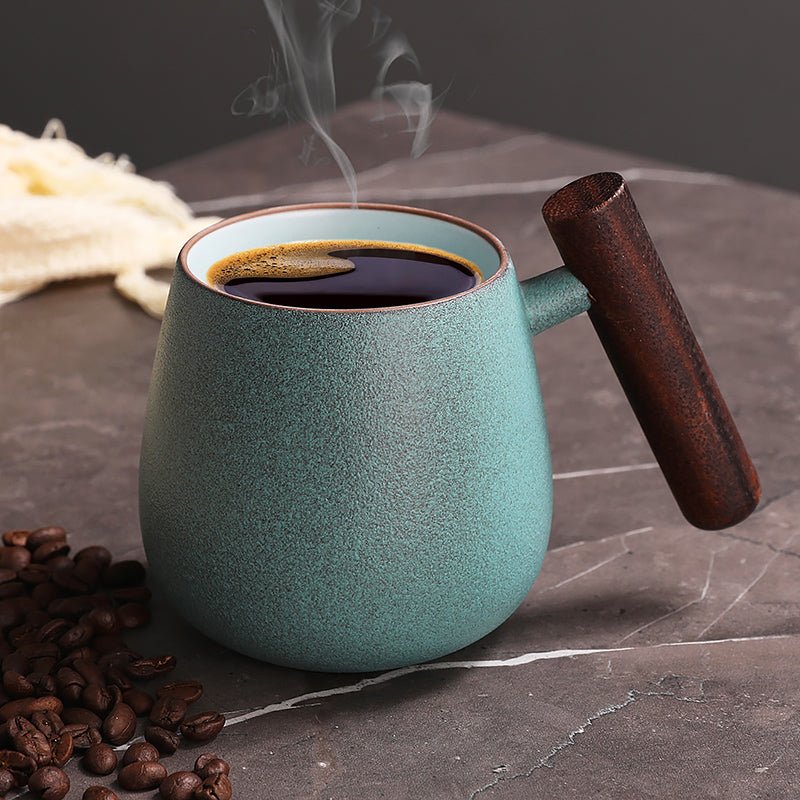
Ceramic Wide Bottom Coffee Mugs: Compact Kitchen Purchase Checklist
Measure the cabinet opening, closed-door depth, handle clearance, counter footprint, drying area, and care requirements before buying. We map Round, Spittoon, and The Rock to specific compact-kitch...
Read more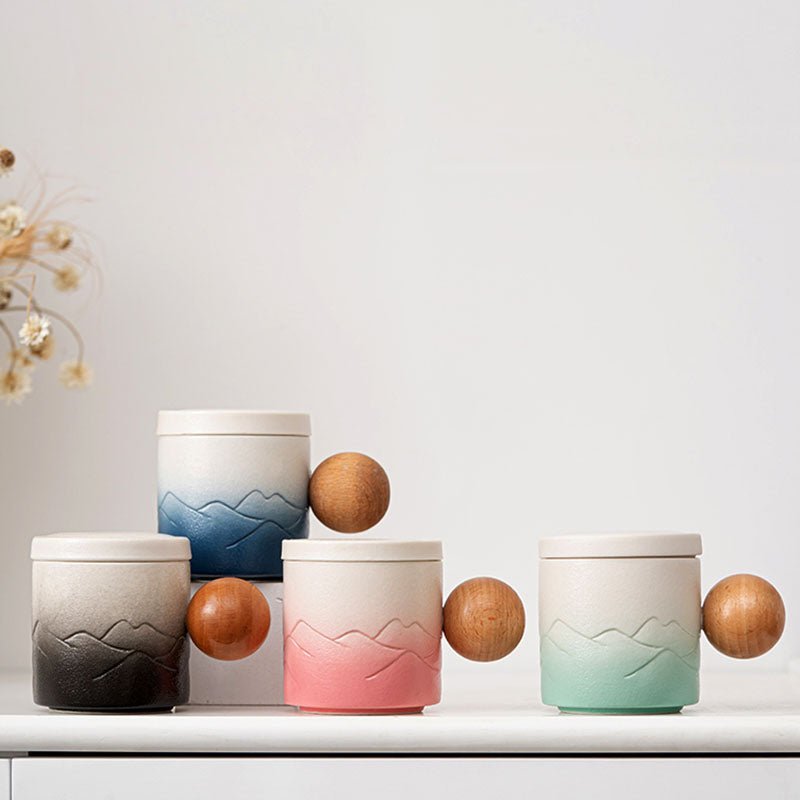
Ceramic Espresso Cup Home Office Practical Purchase Checklist
Compare the listed Retro 170 ml, Pleated 200 ml, and Ball Handle 250 ml ceramic vessels against your desk pour, meeting routine, care habits, and must-confirm product details.
Read more
Leave a comment
This site is protected by hCaptcha and the hCaptcha Privacy Policy and Terms of Service apply.