
What Are Coffee Mugs Made Of? Materials, Trade-Offs, and Best Uses
Reading time: about 10 minutes
What are coffee mugs made of in most real kitchens?
We see the same question from shoppers again and again: what are coffee mugs made of, and which material actually holds up after everyday use? In our store, we handle mugs for kitchen shelves, office desks, and gift orders, so we pay attention to what happens after the first unboxing. The honest answer is that most coffee mugs are made from ceramic, porcelain, stoneware, glass, stainless steel, or plastic, and each one behaves differently on the counter and in the dishwasher.
If you are comparing mugs for daily coffee, the material matters as much as the shape. A mug that feels nice in the hand may chip easier. A mug that keeps heat longer may not be the one you want for a lightweight desk setup. That trade-off shows up fast once the mug starts getting used every morning.
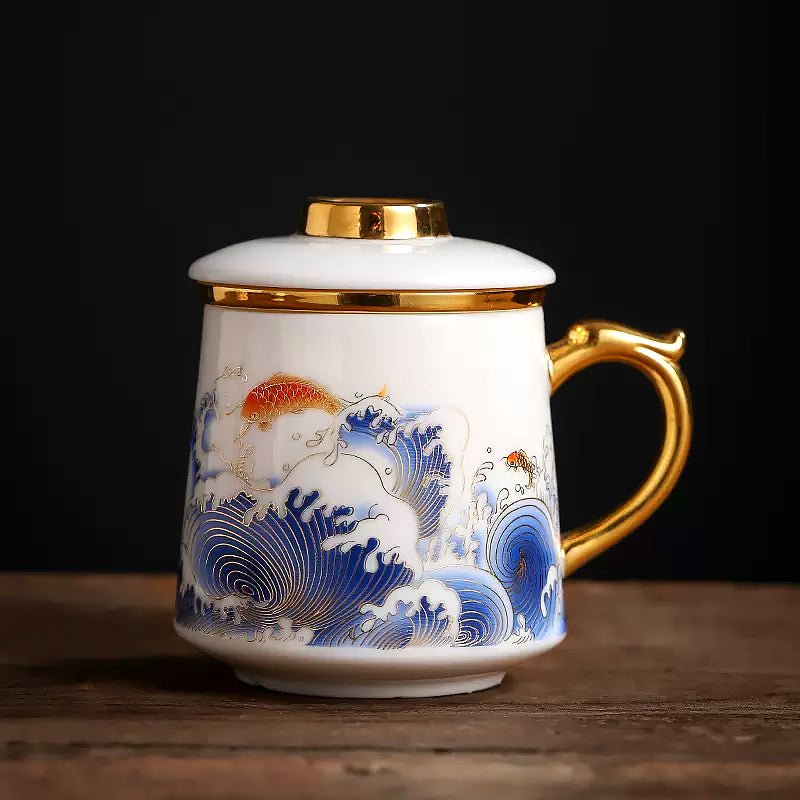
If you want to browse our current styles while you compare materials, start with our full mug collection. For a quick look at a few specific styles people often compare side by side, see the The Flow Coffee Tea Mug, Golden Waves Kio Coffee Tea Mug, and Mountain Sea Coffee Tea Mug.
Which mug material works best for everyday coffee?
For most shoppers, ceramic and its close relatives are the practical default. They are familiar, easy to wash, and comfortable for a standard coffee routine. But the best material depends on where the mug lives most of the time.
| Material | What it feels like | Best for | Trade-off |
|---|---|---|---|
| Ceramic | Solid, balanced, classic | Daily home use | Can chip if knocked into a sink or stacked carelessly |
| Porcelain | Finer, smoother, often lighter | People who want a refined feel | Usually less forgiving than heavier stoneware |
| Stoneware | Heavier, sturdier, more rustic | Kitchen counters and casual entertaining | Can feel bulky and warm slowly |
| Glass | Light visually, clean tasting experience | Tea, display, minimalist setups | Shows stains and can feel more fragile |
| Stainless steel | Light, durable, utilitarian | Travel and outdoor use | Not the best if you want a traditional coffee mug feel |
| Plastic | Lightweight and inexpensive | Temporary or kid-friendly use | Picks up odors and usually feels less premium |
For a mug that lives on a kitchen shelf and goes through regular dishwasher cycles, ceramic and stoneware are the most natural fit. For a desk mug that should feel a little more polished, porcelain is often the better pick. For a mug that will travel, stainless steel makes more sense than any ceramic option.
Why do ceramic and porcelain mugs feel so common?
Ceramic mugs are so common because they strike a good balance between cost, comfort, and day-to-day performance. In practice, that means they are usually thick enough to hold heat for a normal coffee drink, but not so heavy that they feel awkward in hand. Most shoppers are not looking for a laboratory-grade vessel. They want a mug that works at breakfast and still looks fine on the drying rack.
Porcelain is a smoother, finer version of that same idea. It often feels lighter and more refined, which makes it appealing for office gifting or for anyone who likes a cleaner, more delicate finish. The trade-off is that it may not feel as robust as a chunky stoneware mug if you tend to stack dishes tightly or live with a crowded sink.
In our experience, ceramic mugs are a strong choice for buyers who want one dependable mug for the kitchen, the office, and weekend use. They are not the best choice if you routinely drop mugs into a packed camping bin or want something you can toss into a backpack without thinking.
Some of our more decorative styles, like the The Flow Coffee Tea Mug, show how a ceramic mug can still feel special without giving up everyday function. If you are comparing hand-finished shapes and decorative glazes, our article on hand made coffee mugs is a useful next read.
How is stoneware different from ceramic?
Shoppers often use ceramic and stoneware interchangeably, but they are not exactly the same in use. Stoneware is usually heavier and has a denser feel. That extra weight can make a mug feel sturdy on a desk or counter, and some buyers like that reassuring heft when they wrap both hands around it.
Here is the real-world version:
- Stoneware tends to feel more substantial and casual.
- Fine ceramic or porcelain tends to feel smoother and lighter.
- Heavier mugs are less likely to tip easily, but they can be tiring if you carry them from room to room all morning.
Stoneware is a good fit for home use, especially if you want a mug that feels grounded on a countertop. It is not the best choice for someone who wants the lightest possible cup or needs a mug that fits into a small coffee nook with limited storage. If the mug will be stacked often, pay attention to the rim and handle shape. Those are the spots that tend to show wear first.
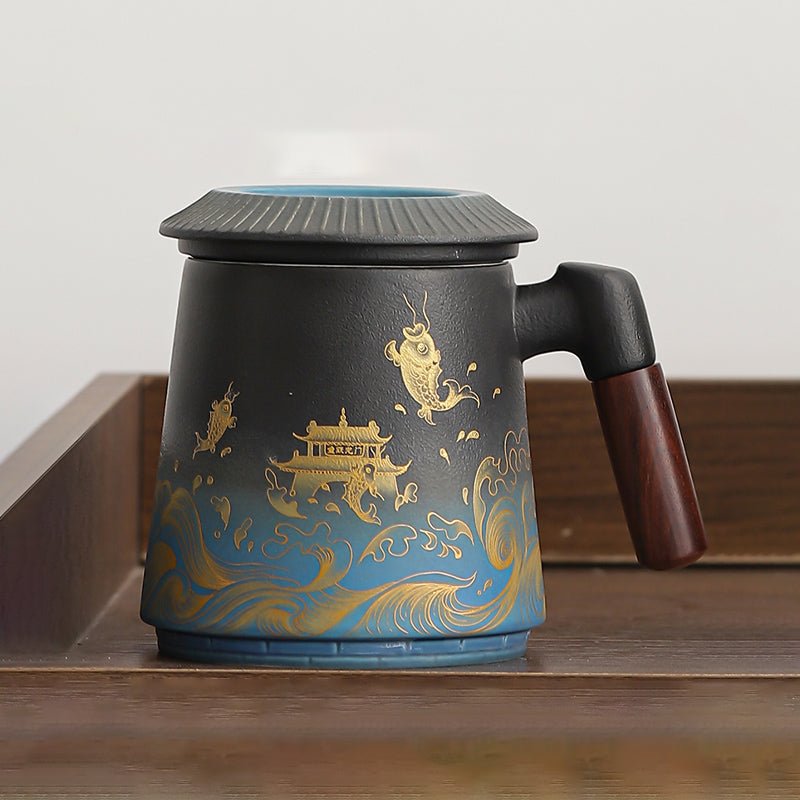
A mug like Mountain Sea Coffee Tea Mug is the kind of style many shoppers compare when they want a more tactile, grounded look. If you are also comparing custom or branded gifting options, our guide on custom made coffee mugs covers the details buyers usually miss.
Are glass coffee mugs practical or just decorative?
Glass mugs are practical in the right setting, but they are not for every coffee drinker. They are popular because they show the drink itself, feel clean, and work nicely for tea as well as coffee. For espresso drinks, layered drinks, or lighter kitchen setups, glass can look sharp without much effort.
Still, glass has limitations. It can be more sensitive to sudden temperature changes, and it usually does not hide staining as well as ceramic. If you use strong coffee, dark tea, or sugary drinks often, you may notice marks sooner. Glass also does not have the same forgiving feel if it gets knocked against a sink edge.
Our rule of thumb: choose glass if you want visibility and a lighter look, but choose ceramic or stoneware if you want a mug that can handle a rougher daily routine.
For buyers who care about the visual feel of the cup as much as the drink, a style like Golden Waves Kio Coffee Tea Mug can be a good comparison point. If you are narrowing down options for American-made or domestically sold mugs, our article on coffee mugs made in America breaks down what to compare before ordering.
Should you buy stainless steel or plastic mugs instead?
Stainless steel and plastic mugs serve a different purpose than the classic kitchen mug. They are usually more about portability than table presence. If you commute, camp, or need something durable for a work bag, stainless steel can make sense because it resists breakage. Plastic can be lightweight and convenient, especially in casual settings or for temporary use.
But both come with compromises. Stainless steel can change the drinking experience compared with ceramic, and many people do not want the feel of metal for their morning coffee at home. Plastic is the least glass-like and usually the least satisfying for long-term use if you care about smell retention, heat feel, or a more premium unboxing experience.
We would not steer a shopper toward stainless steel or plastic if the goal is a classic coffee mug for a kitchen shelf. They are better for travel, outdoor use, or situations where breakage is the main concern. For a gift, office desk, or home espresso setup, ceramic usually wins.
What details should you check before buying a mug?
Material is only part of the story. We spend a lot of time checking the small details that affect how a mug actually works once it arrives. A mug can look great online and still disappoint if the handle is tight, the base wobbles, or the rim feels awkward against the lip.
Here is the checklist we recommend:
- Capacity — Make sure the mug size fits your routine. A standard coffee mug is often around the 10 to 12 oz range, while larger mugs are better for oversized pours or tea drinkers.
- Handle comfort — Check whether two or three fingers fit comfortably. A handle that looks pretty but pinches the hand gets old fast.
- Rim thickness — Thinner rims often feel nicer to sip from, while thicker rims can feel more durable.
- Finish — Glossy glazes show fingerprints differently than matte finishes, and some lighter glazes show coffee stains more easily.
- Care instructions — Dishwasher-safe does not mean chip-proof. Repeated cycles can still wear down decals, metallic accents, and delicate edges.
That last point matters. We have seen plenty of mugs that survive washing fine but slowly lose their crisp look because the buyer stacked them tightly or let them knock against harder items in the dishwasher rack. The mug is not necessarily defective. It is just not built for rough handling.
What kinds of defects or wear should buyers watch for?
Shoppers often ask about the material, but the more useful question is how that material fails. Across daily use, the common issues are pretty consistent:
- Hairline chips on the rim from sinks, counters, or tight stacking.
- Handle stress from lifting a very full mug by a small handle.
- Glaze inconsistency that changes the feel, especially on handmade or textured mugs.
- Surface staining on lighter glazes after repeated coffee or tea use.
- Thermal stress on glass if a very hot drink meets a cold mug unexpectedly.
Those are not reasons to avoid mugs altogether. They are reasons to buy the right type for the way you actually use it. A mug that sits in a home kitchen and gets gentle handling can be a beautiful ceramic or porcelain piece. A mug that lives in a crowded office dishwasher line should be chosen with tougher handling in mind.
If you are comparing mugs for domestic shipping and everyday replacement rather than special-occasion display, our guide on coffee mugs made in USA is useful for weighing practical buying checks first.
Which CoffeifyMug styles match different material preferences?
We design and select mugs with the real use case in mind. If you want a balanced everyday mug, look at a ceramic-style option like The Flow Coffee Tea Mug. If you prefer a more decorative surface and a mug that feels a little more expressive on the table, Golden Waves Kio Coffee Tea Mug is the kind of piece shoppers often choose for that reason. If you like a grounded, visual style that feels at home on a kitchen counter, Mountain Sea Coffee Tea Mug is worth comparing.
For shoppers who want to see all current options in one place before deciding, start with our collection page. That is usually the fastest way to compare shape, finish, and visual style without guessing from a single product photo.
Frequently asked questions
What are coffee mugs made of most often?
Most coffee mugs are made from ceramic, porcelain, or stoneware. Those materials are common because they balance comfort, durability, and a familiar drinking feel. Glass, stainless steel, and plastic show up too, but they are usually chosen for a more specific use like travel or display.
Is ceramic better than stoneware for coffee mugs?
Neither is automatically better. Ceramic often feels smoother and a little lighter, while stoneware usually feels heavier and sturdier in the hand. If you want a classic everyday mug, ceramic is a safe choice; if you want a more substantial feel, stoneware may suit you better.
Do glass coffee mugs break easily?
Glass mugs can be practical, but they are more likely to show damage if they are knocked, stacked carelessly, or exposed to sudden temperature shifts. They work well for careful home use and for drinks you want to see, but they are not our first pick for a rough office sink or a packed cupboard.
Are coffee mugs dishwasher safe?
Many are, especially plain ceramic and stoneware mugs. That said, dishwasher-safe does not mean the mug is immune to chips, fading, or wear on decorative finishes. If the mug has metallic accents, delicate printing, or a thin rim, handwashing may help it last longer.
What mug material is best for gifting?
For most gifts, ceramic or porcelain is the safest choice because it feels familiar, looks polished, and works in everyday kitchens. A gift mug should feel nice in hand, fit a normal coffee routine, and survive regular washing without fuss. That is why we usually steer gift buyers away from plastic unless portability is the main goal.
If you want the shortest path from research to purchase, use this quick check: choose ceramic or stoneware for home use, porcelain for a cleaner refined feel, glass for visual presentation, and stainless steel only if portability matters more than mug feel. Then compare shapes and finishes in our full collection and pick the mug that fits how you actually drink coffee, not just how it looks in the photo.
Read more
Coffee Mug Display Ideas for Kitchens, Shelves, and Small Spaces
Practical coffee mug display ideas for real kitchens, offices, and small apartments. We cover shelf setups, rack options, and display trade-offs so you can choose a layout that looks good and stays...
Read more
Granny Coffee Mug Buying Guide: What to Check Before You Buy
A practical guide to choosing a granny coffee mug that feels comfortable in the hand, holds the right amount, and fits real daily use. We cover size, handle comfort, materials, and gift-ready optio...
Read more
Leave a comment
This site is protected by hCaptcha and the hCaptcha Privacy Policy and Terms of Service apply.