
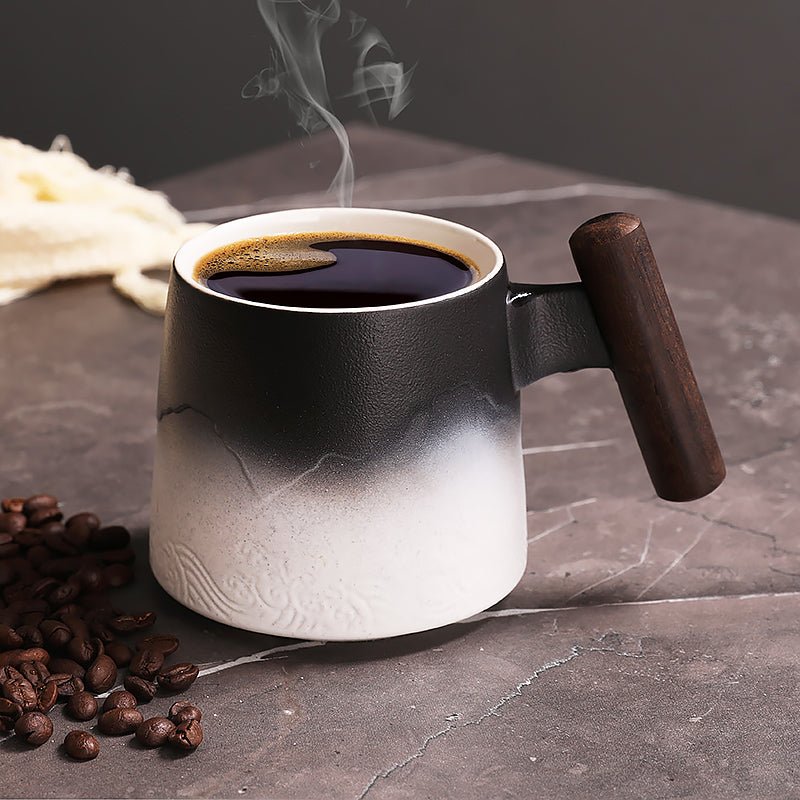
Coffee Mugs Made in USA: What Buyers Should Check Before Ordering
Reading time: about 9 minutes
A mug that chips after two dishwasher cycles is frustrating. So is one that feels great in the hand but holds less coffee than you want on a Monday morning. We see those trade-offs all the time in our store, and they matter even more when shoppers are comparing coffee mugs made in usa for everyday use, gifting, or a cleaner, more local purchase decision.
This guide focuses on what buyers actually notice once the mug is in the kitchen, on the office desk, or wrapped for a gift unboxing: weight, wall thickness, handle comfort, glaze finish, and how the mug holds up in a dishwasher. If you want to browse our current options while you compare, start with our products page or our broader collections page.
We also link to a few deeper comparisons where they help, including our guide on American Made Coffee Mugs: How to Compare Materials, Sizes, and Everyday Use.
What should you check first on coffee mugs made in USA?
The first thing we check is not the country of origin label alone. We look at how the mug will actually live on a kitchen counter. A mug that sounds nice on paper can still be awkward if the handle opening is tight, the base feels unstable on a desk, or the rim is too thick for comfortable sipping.
For coffee mugs made in usa, these are the practical checks that usually matter most:
- Material: ceramic, stoneware, porcelain, or earthenware each feel different in hand and perform differently in heat retention and chip resistance.
- Capacity: a true 8 oz mug behaves very differently from a 12 oz, 16 oz, or 20 oz mug. If you routinely refill, size matters less. If you want one pour and done, it matters a lot.
- Handle shape: a wide handle is usually easier for larger hands or for carrying a full mug without gripping the body.
- Base stability: a flat, well-finished base helps on glass-top counters, office desks, and trays.
- Care: dishwasher-safe is useful, but glaze quality and print durability still matter after repeated cycles.
If you are deciding between standard sizes, our separate size breakdowns can help: 12 oz Coffee Mugs: What to Check Before You Buy and 16 oz Coffee Mugs: What to Check Before You Buy.
Which material makes the best everyday mug?
There is no single best material for every buyer. That is the honest answer. We handle mugs that look nearly identical at first glance, but the first dishwasher run, the first coffee stain, and the first desk drop are where the differences show up.
| Material | What it feels like | Best for | Trade-off |
|---|---|---|---|
| Ceramic | Balanced weight, familiar feel | Everyday coffee, office use | Can chip at the rim if handled roughly |
| Stoneware | Heavier, thicker, more substantial | Heat retention, home use | Usually bulkier and not ideal for light pack-and-go use |
| Porcelain | Refined, lighter, smoother rim | Gift sets, cleaner presentation | Can feel delicate and may not suit rough daily handling |
| Earthenware | Casual, often lighter body | Decorative or occasional use | Typically less durable than denser bodies |
In our experience, stoneware tends to be the better pick for a sturdy morning mug that stays put on a kitchen counter. Porcelain often wins for a more polished table setting or gift presentation. Ceramic sits in the middle and is usually the easiest choice for a buyer who wants a straightforward daily mug without overthinking it.
Material also affects the rim. A thinner rim can feel better on the lips, but it may not feel as rugged. A thicker rim can help with durability, yet some people find it less comfortable for sipping straight from the mug. That is a real trade-off, not a flaw.
What size should you buy for your coffee routine?
Size is where many returns start. A mug that is too small becomes a refill mug. A mug that is too large can cool too slowly, feel heavy when full, or crowd a coffee maker tray.
Here is how we usually guide shoppers:
- 8 oz for smaller pours, espresso drinks, or people who want a compact mug that fits neatly under most machines.
- 12 oz for a classic standard cup that works well with drip coffee and everyday use.
- 16 oz for bigger morning pours, longer work sessions, and people who prefer less refilling.
- 20 oz for large servings, home offices, and drinkers who want a substantial mug without moving to a travel tumbler.
If you are leaning toward one of the larger formats, our buyer guides on 20 Ounce Coffee Mugs: What Buyers Should Check Before Ordering and a buyer's guide to large capacity coffee mugs cover the practical side of bigger sizes.
One detail shoppers often miss: a wider mug body can make the same ounce count feel larger than a taller, narrower mug. So if you are comparing coffee mugs made in usa by photo alone, check the listed dimensions, not just the capacity number.
How do you tell if a mug will hold up in daily use?
We look for small signs that reveal how the mug was made. Those details show up in real life on dish racks, microwave turns, and office break-room counters.
These are the common wear points we watch for:
- Rim chips from stacking, sink bumps, or careless drying.
- Glaze crazing, where fine surface lines can appear over time on some finishes.
- Fading decoration if printed or applied designs are not made for repeated washing.
- Handle stress on mugs with narrow handle joins or thin attachment points.
- Base wobble if the bottom is not finished evenly.
For everyday use, we like mugs that have a stable base, a smooth glaze, and a handle that leaves enough room for two or three fingers without squeezing. A mug that feels solid but not overly heavy is usually the easiest to live with.
Dishwasher use is a major practicality point. Even if a mug is marked dishwasher-safe, the safest approach for decorated pieces is to avoid abrasive scrubbers and strong heat dry settings if you want the finish to last longer. That is especially true for mugs with printed lettering or detailed graphics.
Are made-in-USA mugs better for gifts or for your own kitchen?
That depends on the buyer’s goal. For a gift, presentation matters. For your own kitchen, repeat comfort matters more. We see both shopping patterns all the time.
For gifting, coffee mugs made in USA work well when you want something that feels thoughtful and easy to explain. A clean glaze, a balanced shape, and a size that suits standard drip coffee are usually the safest choices. If the mug is going to a coworker, teacher, or new homeowner, a mid-size cup is less risky than an oversized one that may not fit the recipient’s routine.
For personal use, the main question is simple: do you actually enjoy holding it every day? If not, it becomes a cabinet mug. That is not what you want if you are trying to simplify the morning routine.
For shoppers who prefer mugs with personality, we also cover style-driven picks in Amusing Coffee Mugs: How to Choose One That Gets Used. Humor can be a plus, but only if the mug still feels good in the hand and gets used after the gift wrap comes off.
What are the main trade-offs compared with imported mugs?
We should be honest here: made-in-USA mugs are not automatically better at every point. They are a different choice, often for shoppers who care about sourcing, consistency, or supporting domestic production. The trade-offs are real.
Compared with many imported options, coffee mugs made in USA may offer:
- more confidence in sourcing for buyers who prefer domestic-made goods
- clearer quality expectations if the seller describes materials and dimensions well
- a better fit for shoppers looking for a gift with a strong origin story
But they are not always the right pick if you want:
- the lowest possible cost regardless of build
- very unusual shapes or novelty designs
- ultra-lightweight mugs for travel or commuting
Imported mugs can also be perfectly usable, and we say that because shoppers deserve honest comparisons. If you are comparing across sources, our article on Amazon Coffee Mugs: How to Compare Materials, Sizes, and Everyday Use is a useful contrast point.
What should you look for in a product page before you order?
Good product pages make shopping easier. Weak ones leave too much to guesswork. We prefer listings that answer the same questions a shopper would ask at the kitchen sink.
Before ordering, check for:
- Exact capacity and whether it is filled to the brim or practical fill volume.
- Dimensions, especially height and diameter, so you know if the mug fits your machine or shelf.
- Material description, not just a generic “ceramic” label if the body is actually stoneware or porcelain.
- Care instructions, including dishwasher and microwave guidance if available.
- Finish details, such as glossy, matte, reactive glaze, or printed surface.
If a listing is vague about size or care, that is a warning sign. A good mug should not require guesswork. If you are still deciding, our store pages on products and all collections make it easier to compare options side by side.
Frequently asked questions
Are coffee mugs made in USA dishwasher safe?
Many are, but not all finishes and decorations behave the same in repeated washes. Plain glazed ceramic or stoneware usually handles daily dishwashing well, while printed graphics and specialty finishes may need gentler care to keep them looking good longer.
What size is best for everyday drip coffee?
For most people, 12 oz is the safest everyday size because it fits a standard cup without feeling oversized. If you pour larger servings or work through one mug for a long morning, 16 oz may be a better fit.
Do made-in-USA mugs chip more easily than imported mugs?
Not necessarily. Chip resistance depends more on material, glaze quality, rim thickness, and how the mug is handled. A well-made stoneware mug can be very durable, while a thin rim on any mug can chip if it is stacked roughly.
Is porcelain or stoneware better for coffee?
Stoneware usually feels sturdier and holds heat well, which many home coffee drinkers like. Porcelain can feel lighter and more refined, which is nice for gifts or a more polished table setting, but it may not feel as rugged for heavy daily use.
What should I avoid if I want a mug that lasts?
Avoid mugs with vague size details, uneven bases, thin handle joins, or decoration that looks like it could scratch off easily. If you use a dishwasher often, choose a mug with a durable glaze and straightforward care instructions.
If you are ready to compare actual options, start with the details that matter most to you: size, material, and care. Then move to our products page to compare the mugs that fit your routine, or browse the full collection if you want to see everything in one place.
Read more
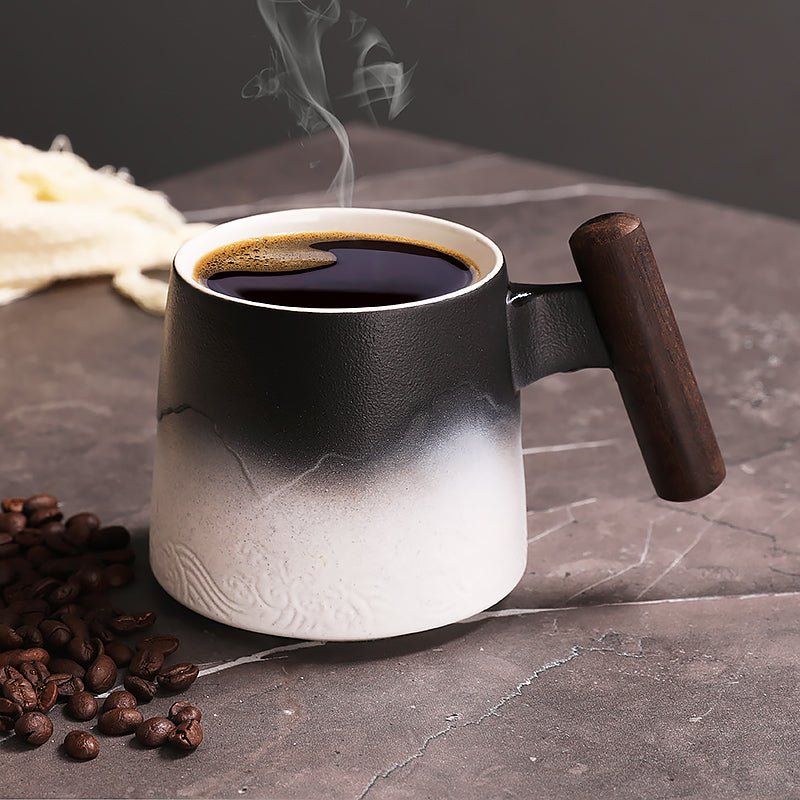
Peanuts Coffee Mugs: What Buyers Should Check Before Ordering
A practical guide to peanuts coffee mugs, with real buying trade-offs on size, material, care, and gift appeal. Use it to compare options before you order from CoffeifyMug.
Read more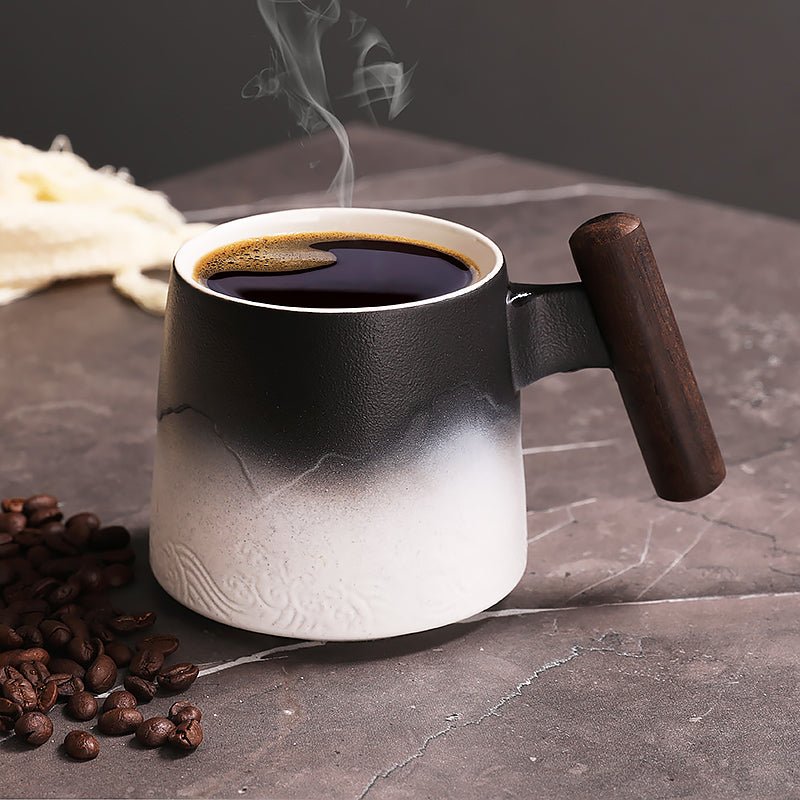
Mr and Mrs Coffee Mugs: What to Check Before You Buy
A practical buyer’s guide to mr and mrs coffee mugs, with material, size, care, and gifting details we look for in real orders. Compare styles, spot trade-offs, and choose a set that gets used afte...
Read more
Leave a comment
This site is protected by hCaptcha and the hCaptcha Privacy Policy and Terms of Service apply.