
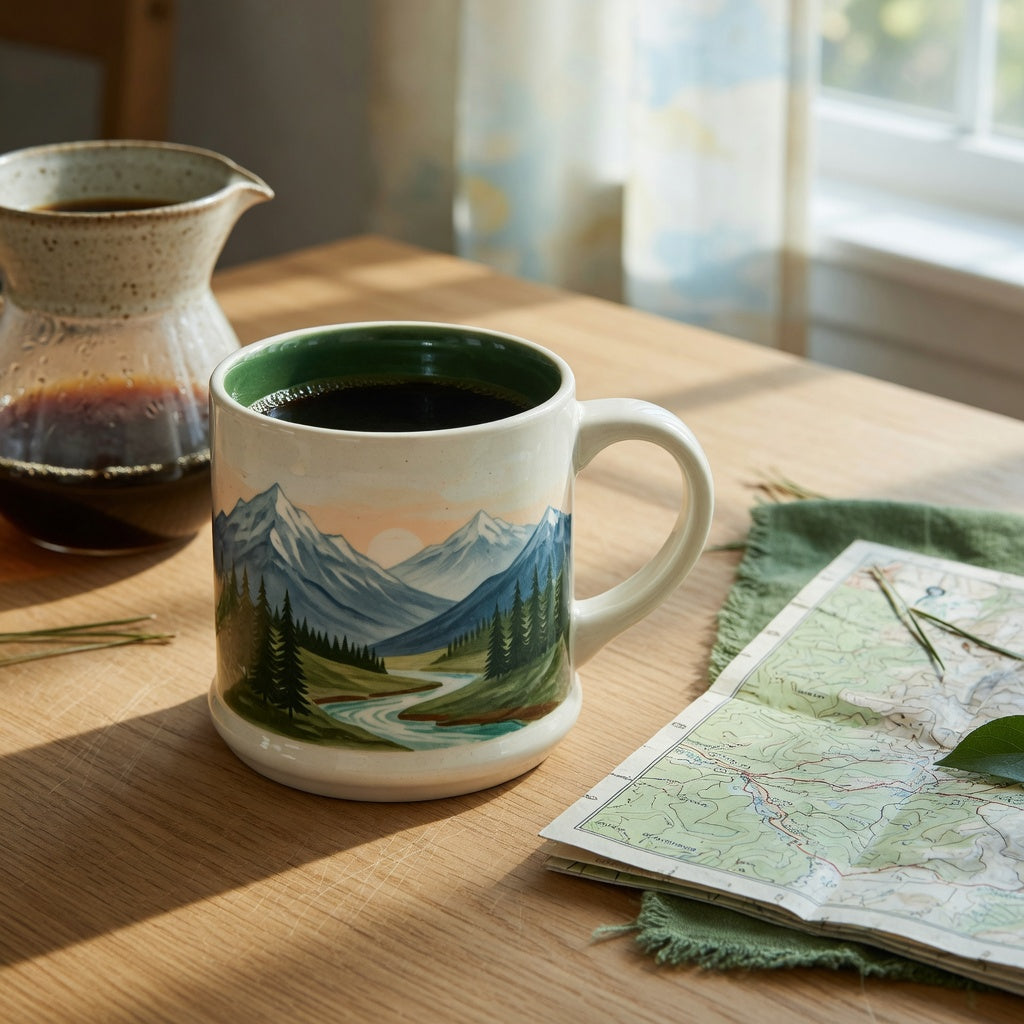
Unique Ceramic Mountain Mug Gift: What Buyers Should Compare
Reading time: about 10 minutes
A mug can win the unboxing and lose by Monday morning. The handle catches a knuckle, the stated capacity leaves no room for milk, or the care instructions do not fit a dishwasher-only household. A unique ceramic mountain mug gift has to do more than photograph well; it has to fit the recipient's actual coffee or tea routine.
In our experience selling gift mugs, the details shoppers notice after delivery are rarely the ones centered in the main product photo. We inspect the side profile, rim, handle opening, foot, interior glaze, and care information. Those details decide whether the mug becomes the everyday desk cup or another attractive object at the back of a cabinet.
What makes a unique ceramic mountain mug gift distinctive?
A mountain graphic alone does not make a mug unique. The useful question is how the landscape became part of the object. It may be carved into the surface, raised in relief, drawn through a sgraffito process, created through glaze movement, or added as a repeatable print or decal.
None of those methods is automatically best. A printed landscape is a practical choice for someone who wants matching mugs and predictable color. A carved or glaze-led design suits a recipient who values texture and accepts that one piece may differ slightly from the listing photo.
| Comparison point | Printed or decal design | Carved, relief, or glaze-led design |
|---|---|---|
| Repeatability | Usually designed to look consistent | Variation may be part of the process |
| Surface | Often smooth and visually focused | May include ridges, recessed lines, or glaze pooling |
| Best fit | Matching sets and straightforward daily use | One standout mug with a more individual appearance |
| Online buying check | Confirm print placement and care instructions | Confirm expected variation and surface care |
For a recipient who drinks coffee or tea from an open mug and specifically wants a mountain motif, start by reviewing the current details for the Great Mountain coffee and tea mug. Check the listing for the exact size, materials, and care guidance rather than estimating from styled photos. If the shape or design is not quite right, compare it with our broader collection of unique coffee mugs.
Wheel-thrown, sgraffito, relief, or print: what are you paying for?
Product descriptions often combine several pottery terms, so it helps to know what each one actually tells you.
- Wheel-thrown: The clay body was shaped on a potter's wheel. This can create subtle throwing lines and form variation, but it does not prove that the mountain artwork was carved or painted by hand.
- Sgraffito: A design is scratched through a colored surface layer to expose a contrasting layer beneath it. Mountain outlines made this way can show small line variations that distinguish one piece from another.
- Relief: The landscape is raised above or recessed into the mug wall. It provides tactile detail, but deep texture may require more attention during washing.
- Glaze-led landscape: Layered or reactive glaze creates the visual impression of slopes, sky, or snow. Color placement and pooling may vary, so buyers should read the listing's variation note.
- Print or decal: The scene is applied to a consistent mug form. This is often the better route when exact matching matters more than visible process marks.
We do not treat the word handmade as a complete specification. A useful listing should explain which part was formed, decorated, or finished by hand. If the process is unclear, buy based on the documented features rather than assumptions about craftsmanship.
Capacity, handle, rim, and weight: will it work every morning?
Capacity deserves more scrutiny than it usually gets. Some listings describe brim capacity, which is the amount held when liquid reaches the top edge. That is not the same as comfortable working capacity. A nominal 12 oz mug may be a poor fit for a 12 oz brew once the recipient adds milk and needs enough headroom to carry it from the kitchen to a desk.
- Usable capacity: Compare the listing measurement with the recipient's current mug. Tea drinkers who finish smaller servings quickly may prefer a compact cup, while a long coffee session needs more volume and headroom.
- Handle clearance: Look for a clear side photo or listed dimensions. A two-finger handle can suit a light mug; a larger, heavier mug generally benefits from room for three or four fingers.
- Design orientation: If the mountain scene appears on only one side, check which way it faces in a right or left hand. This small detail becomes obvious at a desk.
- Rim shape: A smooth, slightly rounded rim tends to feel forgiving during quick sips. Inspect for decorative texture, exposed rough clay, or abrupt edges near the drinking area.
- Weight and base: Empty weight is only part of the load. A broad, level base is useful on an office desk, while an unglazed foot ring may call for a coaster on wood furniture.
Someone with reduced grip strength, hand pain, or a habit of holding the mug one-handed may be better served by a lighter cup with a generous handle. A dramatic, thick-walled pottery form can feel substantial, but that same weight may make it the wrong gift.
What should the listing say about food-safe glaze?
A ceramic mountain mug is a food-contact item, not simply decorative pottery. The listing should clearly state that the mug and its interior glaze are intended for beverages. Vague phrases such as artisan inspired or decorative ceramic do not answer that question.
The FDA's guidance for imported traditional pottery explains that some pieces labeled lead free may still contain extractable lead. The agency also publishes consumer guidance on lead-glazed pottery that advises extra caution with antiques, damaged or heavily worn pottery, some crudely made or irregular pieces, and pottery with bright orange, red, or yellow decoration.
That guidance does not mean every irregular artisan mug or bright glaze is unsafe. It does mean appearance and a lead-free label should not replace clear food-use information from the seller. In our store, these are the details we check:
- An explicit statement that the mug is made for coffee, tea, or other beverages.
- A smooth, intact drinking rim with no chips or flaking finish.
- An interior glaze that does not have unexplained bare patches where liquid will sit.
- Clear microwave and dishwasher guidance rather than assumptions based on the word ceramic.
- A seller response to visible pinholing, crawling, or crazing in the food-contact area.
Pinholes are small pits in a glaze. Crawling occurs where glaze pulls away and leaves exposed areas. Crazing appears as a network of fine lines in the glaze surface. These effects are not identical, and some may be intentional, but a seller should still be able to confirm whether the finished piece is intended for food contact. An unglazed foot ring on the bottom is normal for many ceramic mugs; unexplained bare clay inside the beverage area deserves a question before purchase.
Can it handle a hot pour, microwave, and dishwasher?
Handmade does not automatically mean fragile, and factory-made does not guarantee resistance to every temperature change. Clay composition, glaze fit, firing, wall thickness, and existing damage all affect performance. Those details cannot be judged reliably from a hero image, so the maker's or seller's care statement should control the decision.
Thermal shock happens when part of a ceramic object changes temperature much faster than the rest. A cautious routine is sensible for any special mug:
- Inspect the dry mug for chips and hairline cracks, especially at the rim and where the handle joins the body.
- Do not move a fridge-cold mug directly to a boiling-hot pour. Let it warm gradually or rinse it with warm tap water first.
- Use a microwave only if the listing permits it. Do not microwave metallic rims, luster, or other metal decoration.
- Use a dishwasher only if the listing states that it is compatible. Position textured pieces so they cannot knock against plates or other mugs.
- Stop using the mug for drinks if a crack leaks, a rim chip exposes a sharp edge, or the interior finish begins to flake.
A dishwasher-safe statement addresses compatibility, but it does not promise that every matte texture or reactive glaze will look unchanged after years of detergent and contact with other dishes. Hand washing with a soft sponge is the conservative choice for a mug purchased mainly for its surface detail. If the recipient will never hand-wash a cup, choose a simpler fully glazed design with explicit dishwasher instructions.
Which recipient actually suits a mountain mug?
| Recipient situation | Why it fits or fails | Practical next step |
|---|---|---|
| Nature lover who drinks at a desk or kitchen table | The landscape connects to an existing routine rather than becoming shelf decor | Assess the Great Mountain coffee and tea mug against their usual cup |
| Shopper still comparing shapes and finishes | A single product page may not show the handle or silhouette they prefer | Compare the unique coffee mug collection |
| Commuter who drinks in a car or train | An open ceramic mug does not provide spill control | Choose a travel mug with a fitted lid instead |
| Host who wants six identical cups | Hand-applied glaze or form variation may look mismatched | Choose a repeatable printed or factory-made set |
| Recipient with grip or wrist limitations | Thick ceramic and a small handle may be tiring when full | Verify empty weight and handle dimensions before ordering |
| Dishwasher-only household | Delicate relief or matte decoration may require more care than they will give it | Select a smooth design with explicit dishwasher compatibility |
The best gift occasions are the ones tied to a real habit: coffee at a home-office desk, tea after a weekend hike, or a housewarming gift for someone who keeps trail maps on the wall. It is less suitable for a person who exclusively uses sealed tumblers, avoids ceramic because of breakage concerns, or wants every cup in the cabinet to match.
The six checks we use before calling it gift-ready
A unique ceramic mountain mug gift is ready to buy only when the practical details support the design. Run through these checks before checkout:
- The listing explains how the mountain design is applied or formed.
- The stated capacity fits the recipient's normal drink with usable headroom.
- The handle, rim, weight, and design orientation suit how they hold a mug.
- The seller identifies the mug and glaze as intended for beverages.
- Microwave, dishwasher, and hand-washing instructions are clear.
- You understand any expected variation from the product photo and have read the applicable return information.
If one of those answers is missing, ask before ordering or compare another shape in our unique coffee mugs. A different mug is a better gift than a mountain design that does not fit the recipient's daily routine.
Frequently asked questions
Are differences from the photo normal in a unique ceramic mountain mug gift?
They can be normal if the listing identifies the mug as handmade, hand-decorated, or glaze-variable. Small changes in color pooling, carved lines, form, and handle placement may be part of the process. If you need an exact visual match, choose a printed design or a listing that promises consistent production.
Will a handmade ceramic mountain mug crack when I pour in boiling water?
Any ceramic mug can crack if it is damaged or exposed to an abrupt temperature change. Avoid pouring boiling liquid into a fridge-cold mug, inspect the handle joints and rim, and follow the maker's care instructions. Stop using a piece that leaks or develops a structural crack.
Are ceramic mountain mugs dishwasher and microwave safe?
Only rely on the instructions for the specific mug. Ceramic alone does not guarantee either type of compatibility, and metallic decoration should not go in a microwave. Hand washing is a practical choice for preserving textured or glaze-led designs even when dishwasher use is permitted.
How can I tell whether a ceramic mug glaze is food-safe?
Look for a clear statement that the finished mug and interior glaze are intended for beverages. Avoid pieces with chips, flaking surfaces, or unexplained bare patches in the liquid area, and ask about visible glaze defects. A decorative-only description is not enough for a coffee or tea mug.
Which mountain mug should I buy for a coffee or tea drinker?
Start with the recipient's current cup: compare its usable capacity, handle clearance, weight, and care routine. Review the Great Mountain coffee and tea mug if the mountain motif is the priority, then verify the current listing details against that routine. If the fit is not right, use the unique coffee mug collection to compare another shape or finish before ordering.
More from our blog
Read more
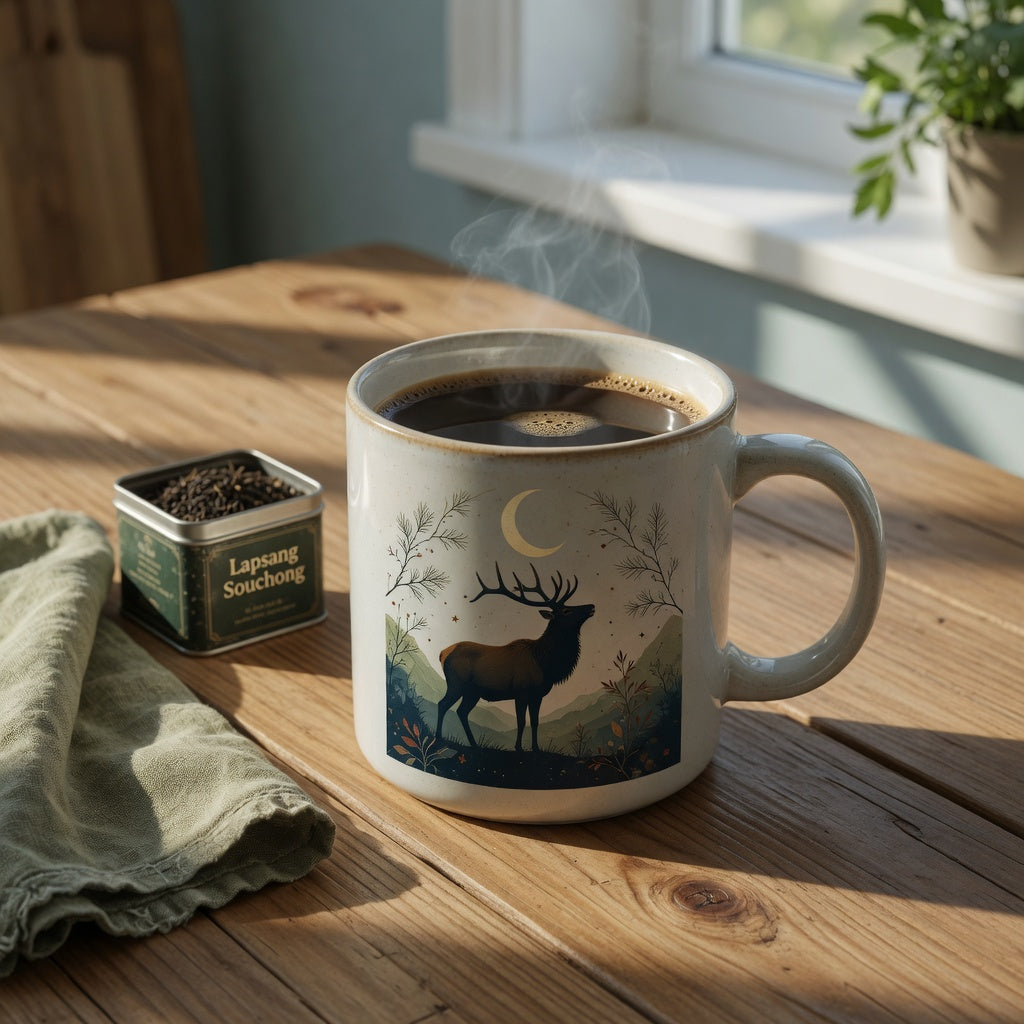
Elk Moon Gift Mug: Compare Size, Use, Care, and Gift Fit
Compare the verified 420 ml ceramic capacity with the recipient's usual pour, desk routine, decor, and care habits. This guide also covers unconfirmed specifications, common ceramic damage points, ...
Read more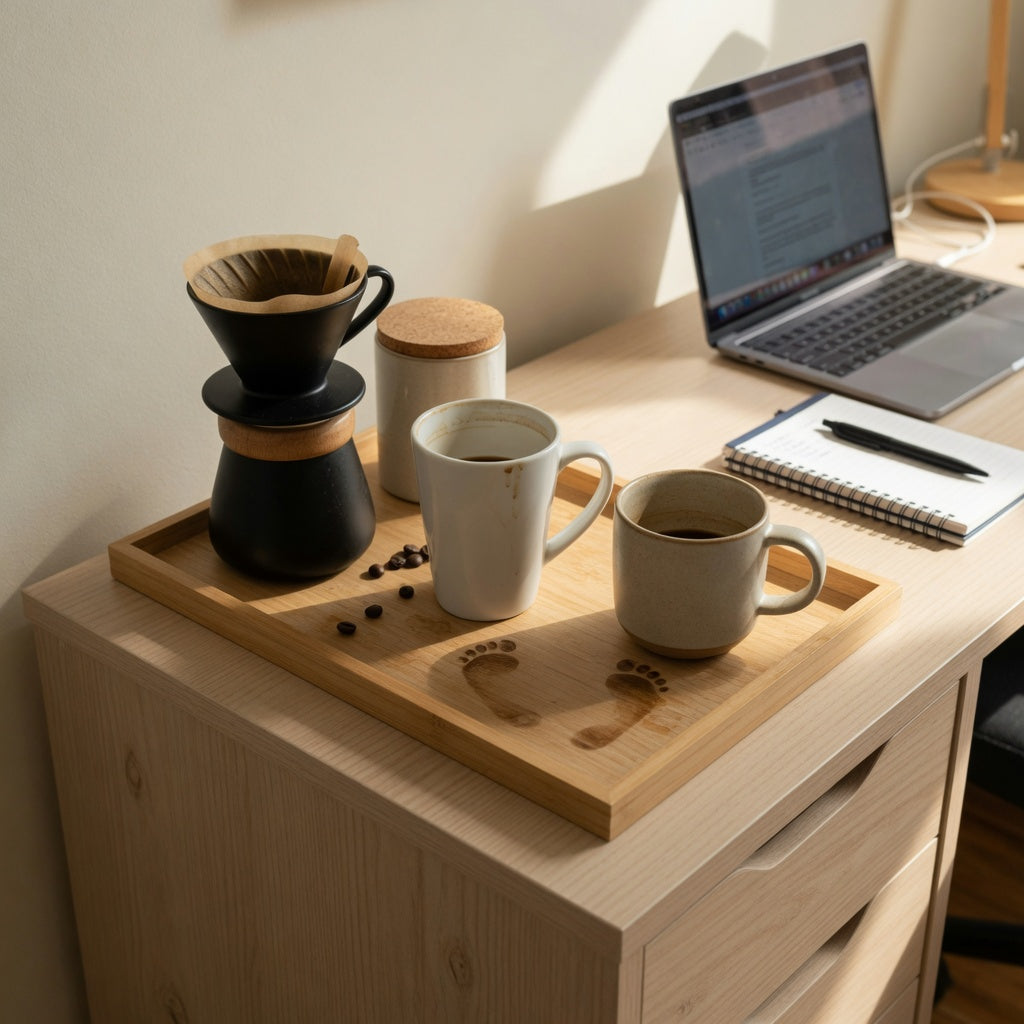
Home Office Coffee Station Mugs: Size, Heat and Care
A desk mug has to clear the brewer, sit securely near electronics, and match your reheating and washing habits. Compare materials, footprint, handle comfort, storage, decoration wear, and the trade...
Read more
Leave a comment
This site is protected by hCaptcha and the hCaptcha Privacy Policy and Terms of Service apply.