
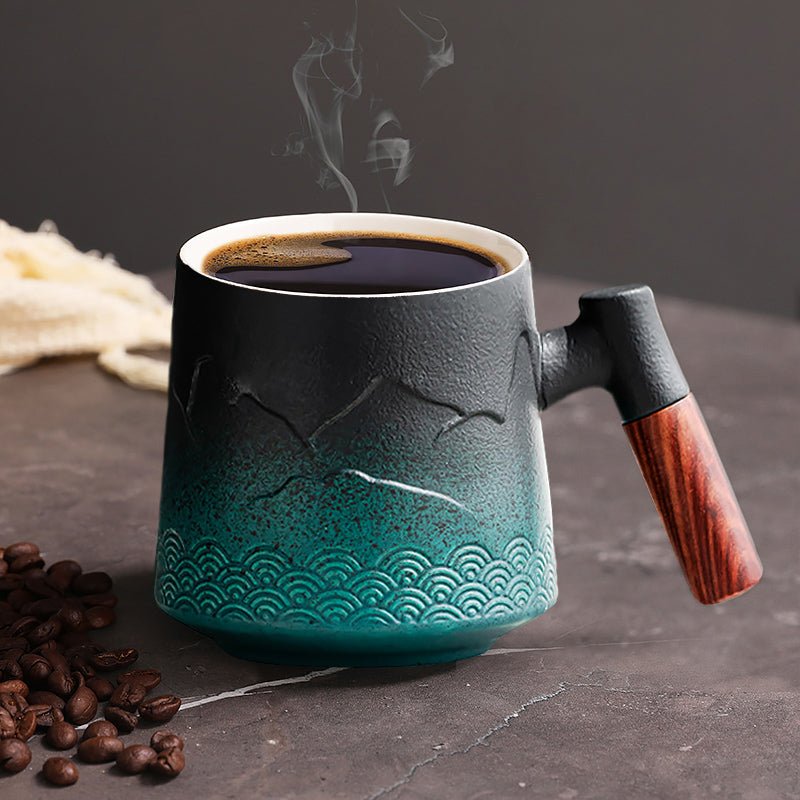
Stainless Steel Coffee Mug with Lid: Practical Buying Guide
Reading time: about 12 minutes
The first thing we notice with a lidded coffee mug is not the shine. It is the small ring of coffee that appears on a desk after a rushed walk from the kitchen, or the way a loose lid shifts when someone grabs the mug by the body instead of the handle. Those little moments decide whether a mug becomes the one you use every morning or the one pushed to the back of the cabinet.
A stainless steel coffee mug with lid is a practical choice for many coffee drinkers, but it is not automatically the right choice for every routine. In our store, we handle mugs for shoppers buying for office desks, home brewing stations, gift boxes, and short commutes. The questions we hear are rarely abstract. People want to know if the lid will splash, if the mug feels too hot, if it fits under a coffee machine, and if the lid will still smell clean after a week of milk coffee.
This guide is written for that decision. If you are comparing options now, you can also browse the current drinkware range on our product page while using the checklist below to judge what actually matters.
What should a stainless steel coffee mug with lid do well?
A good stainless steel mug with a lid should make everyday coffee easier. That sounds basic, but it covers several details: it should be comfortable to hold, stable on a desk, simple to rinse, and resistant to the bumps that happen around keyboards, sinks, bags, and car cup holders.
Stainless steel is usually chosen for durability. It does not chip at the rim like ceramic can, and it handles repeated washing better than many lightweight plastic cups. For shoppers who drink coffee at a desk, that toughness matters. We have seen plenty of ceramic mugs survive years at home and then crack after one office drop onto a hard floor. Stainless steel is more forgiving.
The lid changes the use case. It helps reduce splashing during short carries, slows heat loss compared with an open mug, and keeps dust or desk clutter away from the drink. But a lid on a coffee mug is not the same thing as a fully sealed bottle cap. Most coffee mug lids are best described as splash-resistant, not leak-proof. If you plan to toss the mug sideways into a backpack, a different sealed travel bottle style is safer.
Here is the practical expectation we recommend:
- Good fit: The lid should sit level and not rock when pressed lightly.
- Comfortable sip: The drinking opening should not force your nose into the lid or create a sharp edge at the lip.
- Stable base: The mug should sit flat on a desk without wobble, especially near laptops.
- Reasonable cleaning: The lid should not have deep hidden channels that trap coffee oils.
- Material confidence: Food-contact stainless steel should feel solid, smooth, and free from rough interior seams.
Which lid design is best for daily coffee?
The lid is the part buyers should inspect most carefully. A stainless steel body can be well made, but if the lid is annoying, the whole mug becomes frustrating. In our experience, lid complaints usually fall into three areas: loose fit, difficult cleaning, and awkward sipping.
Many lidded coffee mugs use a press-fit lid with a silicone gasket. The gasket helps create friction against the inner wall of the mug. If the gasket is too thin, the lid may feel loose. If it is too tight, the lid can be hard to remove when the mug is hot, especially if steam pressure builds underneath. A small vent hole can make sipping smoother and reduce pressure, but that same vent also means the lid is not fully sealed.
Sliding lids are convenient at a desk because you can open and close the drink port with one hand. The trade-off is cleaning. Coffee, cream, and sugar can dry inside the slide track. If the slider does not remove or expose enough space for washing, odors can build. A simple open sip slot is easier to rinse, but it offers less splash control.
| Lid style | Best for | Trade-off |
|---|---|---|
| Press-fit lid with gasket | Desk use, kitchen-to-office carry, slower sipping | Fit depends heavily on gasket quality and cleaning |
| Sliding sip lid | One-handed drinking at a desk or in a car holder | Slide channels can trap coffee residue |
| Open sip lid | Simple cleaning and quick access | Less splash resistance during movement |
| Twist lid | More secure short carry | Can be slower to open and may feel bulky on a mug |
If you are browsing several styles at once, open each option in the full CoffeifyMug collection and compare the lid photos closely. Look for the gasket, drink opening, vent placement, and whether the lid appears easy to rinse. Product photos are useful if you know what details to inspect.
Does insulation matter, or is single-wall stainless steel enough?
Insulation matters if you sip slowly. It matters less if you drink coffee within ten minutes. That is one of the clearest buying splits we see.
A single-wall stainless steel mug has one metal layer. It is usually lighter and can feel more like a traditional cup, but the outside may become warm or hot depending on the drink temperature. It also loses heat faster than a double-wall design. For black coffee drinkers who refill often, single-wall can be perfectly fine. For someone who makes one larger coffee and nurses it through email, double-wall insulation is usually the better fit.
Double-wall stainless steel has an inner and outer wall with space between them. This helps reduce heat transfer to the outside and slows cooling. Some designs use vacuum insulation, which is typically better at holding temperature than a basic air-gap wall, though actual performance depends on the construction, lid, fill level, and room conditions. We avoid promising exact heat-hold times unless a product has tested specifications because real use varies: a half-full mug on a cold counter cools faster than a full mug with the lid closed.
Here is a simple way to choose:
- Choose single-wall if you want a lighter mug, drink quickly, and do not mind a warmer exterior.
- Choose double-wall if you sip slowly, work at a desk, or want the outside to stay more comfortable in the hand.
- Choose a sealed travel tumbler instead if you need serious commute protection in a bag or on public transport.
One limitation is worth stating clearly: stainless steel should not go in the microwave. If reheating coffee is part of your normal routine, stainless steel will frustrate you. A microwave-safe ceramic mug is the more practical choice for that habit.
What size should you buy for coffee, lattes, or office use?
Capacity should match your actual drink, not the largest size available. Oversized mugs look useful, but coffee cools faster in a mug that is only partly filled, especially if the lid stays open. A mug that is too tall may also fail to fit under some single-serve brewers or espresso machines.
In our store, we tend to think about size by drink style and location:
- 8 to 10 oz: Best for smaller coffees, flat whites, cappuccino-style drinks, and people who prefer fresh refills.
- 12 to 14 oz: A practical everyday range for brewed coffee, office desks, and milk-based drinks without feeling bulky.
- 16 oz and larger: Better for long mornings, iced coffee, larger lattes, or fewer refills, but check height and base width carefully.
Dimensions matter as much as stated capacity. A wide low mug may be stable on a kitchen counter but too broad for a car cup holder. A tall narrow mug may fit the cup holder but feel top-heavy on a cluttered desk. If you use a drip machine, pod brewer, or espresso setup, measure the clearance under the spout. We have seen buyers focus on ounces and forget height, then realize the mug has to be tilted under the machine, which can splash hot coffee before the day even starts.
Base diameter is another overlooked detail. A slightly tapered base can help with cup holder compatibility, while a wide flat base is often better for desk stability. If the mug is for a gift, the safer middle ground is usually a moderate capacity with a stable shape and a lid that does not require instructions to use.
How do stainless steel mugs compare with ceramic, glass, and plastic?
Stainless steel is strong, but every material has a reason to exist. The right answer depends on where the mug will be used most often.
| Material | Strengths | Limitations |
|---|---|---|
| Stainless steel | Durable, good for desk use, often better heat retention with double-wall construction | Not microwave safe, hides beverage level, may not feel as traditional as ceramic |
| Ceramic | Classic coffee feel, often microwave friendly if undecorated and lid-safe, pleasant rim texture | Can chip or break, usually weaker for carrying around |
| Glass | Shows coffee color and fill level, clean visual style | More fragile and may transfer heat quickly |
| Plastic | Lightweight and often inexpensive | Can retain odors, scratch more easily, and may feel less premium for gifting |
A stainless steel coffee mug with lid is strongest for people who value durability and movement from room to room. It is less ideal for people who care most about microwave reheating, seeing the drink inside, or a ceramic lip feel. Those are not small preferences. They affect daily satisfaction.
If you are still open to different materials, browsing all available CoffeifyMug styles can help you compare the look, lid type, and intended use side by side before narrowing to stainless steel.
What cleaning details prevent smells and lid problems?
Coffee is not just colored water. Oils cling to surfaces, milk leaves residue, and sweet drinks can dry into sticky seams. The mug body is usually easy to wash. The lid is where care matters most.
Our practical cleaning routine is simple:
- Rinse soon after use. Do not let milk coffee sit in the lid opening for the whole day if you can avoid it.
- Wash with warm water and mild dish soap. Use a soft sponge rather than metal scouring pads that can scratch the finish.
- Remove the gasket if the design allows it. Clean underneath, then seat it evenly before the next use.
- Check the sip port and vent. These small areas are where coffee oils collect.
- Dry parts separately. Reassembling a damp lid can trap moisture and create stale smells.
Dishwasher use depends on the specific mug and lid. Stainless steel bodies often tolerate washing well, but painted finishes, vacuum insulation seals, and plastic lid parts may have different care needs. If a product says hand wash, follow that instruction. It may feel less convenient, but it helps preserve lid fit and exterior finish.
Common wear points include a silicone gasket stretching, a sliding tab becoming sticky, and fine scratches inside the mug from stirring with metal spoons. None of these automatically make a mug unusable, but they are signs to clean more carefully and avoid rough tools. For shoppers comparing care requirements, the product details on our products page are the right place to check before ordering.
What is this mug not good for?
A practical buying guide should include the no. A stainless steel mug with a lid is not the best choice for every coffee drinker.
- Not for microwave reheating: Stainless steel should not be placed in a microwave.
- Not a guaranteed leak-proof bottle: Many mug lids reduce splashes but are not designed for sideways bag storage.
- Not ideal if you want to see the coffee: Metal walls hide color, crema, and fill level.
- Not always best for delicate taste preferences: Some coffee drinkers simply prefer the feel of ceramic or glass at the rim.
- Not maintenance-free: Lids with gaskets, vents, or sliders need regular cleaning.
If your main routine is drinking at home and reheating the same cup several times, stainless steel may add more friction than benefit. If your main routine is moving between kitchen, desk, meeting room, and car, it starts to make much more sense.
What should you check before adding one to cart?
Use this quick checklist before buying. It keeps the decision grounded in daily use rather than just appearance.
- Capacity: Match the mug to your normal serving size, not your occasional largest drink.
- Height: Check that it fits under your coffee maker or espresso machine.
- Base width: Consider desk stability and car cup holder fit.
- Lid design: Look for a secure fit, usable sip opening, and cleanable gasket or slider.
- Insulation: Choose double-wall if you sip slowly; single-wall may be enough for quick coffee.
- Care instructions: Confirm whether the mug and lid are dishwasher safe or hand wash only.
- Use case: Desk, kitchen counter, short commute, gifting, or travel all call for slightly different priorities.
For gifting, we suggest choosing a mug that is easy to understand immediately after unboxing. A lid that snaps on cleanly, a comfortable rim, and a stable base matter more than complicated features. For personal daily use, be pickier: measure your brewer clearance, think about your cleaning habits, and decide how much spill resistance you truly need.
Frequently asked questions
Is a stainless steel coffee mug with lid leak-proof?
Most are splash-resistant rather than fully leak-proof. A lid can help prevent coffee from sloshing during a walk from the kitchen to a desk, but it may still leak if the mug tips sideways. If you need bag-safe transport, choose a sealed travel bottle or tumbler designed for that purpose.
Can I put a stainless steel coffee mug with lid in the dishwasher?
It depends on the specific mug and lid construction. Stainless steel bodies may be easier to wash, while plastic lid parts, silicone gaskets, painted finishes, or insulated seals may require hand washing. Always follow the care instructions for the exact product.
Will stainless steel change the taste of coffee?
A clean, well-made stainless steel mug should not strongly affect coffee taste. If you notice stale or metallic flavors, wash the mug and lid thoroughly, especially around the gasket and sip opening. Some drinkers still prefer ceramic because of the way it feels on the lips.
What size stainless steel coffee mug is best for office use?
A 12 to 14 oz size is often the most practical office range because it holds a normal coffee serving without becoming bulky. If you drink iced coffee or larger lattes, a bigger size may work better. Check base stability if the mug will sit near a laptop or paperwork.
Can I use a stainless steel coffee mug with lid for iced coffee?
Yes, stainless steel works well for iced coffee, especially if the mug is double-wall insulated. A wider opening makes adding ice easier, while a secure lid helps reduce splashes. Just remember to clean the lid carefully if you use milk, syrups, or cream.
Your next step is simple: decide where the mug will live most often, then compare lid fit, capacity, insulation, and cleaning needs. If those details match your routine, browse our full collection or start with our current products to choose a stainless steel coffee mug with lid that suits the way you actually drink coffee.
More from our blog
Read more
Good Travel Coffee Mugs: What to Buy for Commutes and Trips
Good travel coffee mugs need more than a tight lid. The best ones balance leak resistance, heat retention, cup-holder fit, and easy cleaning without making every sip awkward.
Read more
Thermos Coffee Mugs: What to Check Before You Buy
Thermos coffee mugs are not all built the same. We break down size, lid type, insulation, materials, and cleaning so you can pick the right one for commuting, office use, or gift-giving.
Read more
Leave a comment
This site is protected by hCaptcha and the hCaptcha Privacy Policy and Terms of Service apply.