
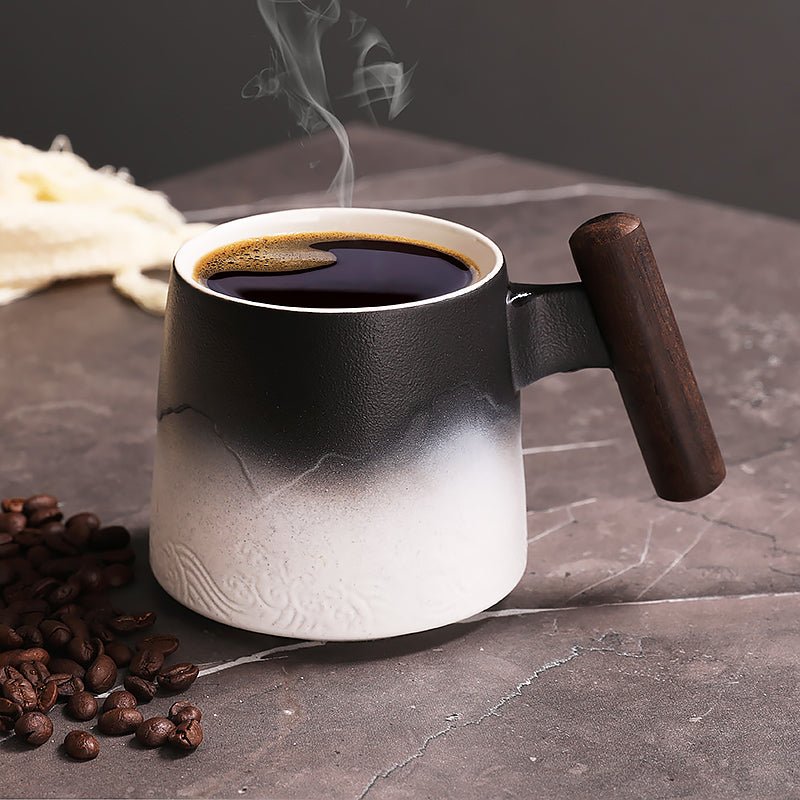
Thermos Coffee Mugs: What to Check Before You Buy
Reading time: about 11 minutes
A mug that stays hot on the kitchen counter but leaks in a work bag is a bad trade. The same goes for one that fits your hand perfectly but not the car cup holder, or one that keeps coffee warm through a commute and then is annoying to clean at the sink. We see those problems often enough that we now look at thermos coffee mugs the way a real buyer does: lid first, size second, cleanup third.
In our store, the customers who are happiest usually know exactly how they drink coffee. One person wants a quick school run mug that can ride in a cup holder. Another wants something for a desk that does not sweat onto paperwork. A third wants a gift that feels useful, not decorative. That is the right way to shop this category.
What actually makes thermos coffee mugs different from a regular mug?
The short answer is insulation and sealing. A regular ceramic mug is built for the table. Thermos coffee mugs are built to slow heat loss and limit spills while you move between rooms, cars, and offices. The best ones usually use double-wall stainless steel with a vacuum gap between the walls, plus a lid with a silicone gasket or similar seal.
That construction changes how the mug behaves. The drink stays warmer longer, the outside stays comfortable to hold, and the mug is far less likely to leave rings on a desk. But it also means the lid matters more than it does on a plain mug. A weak lid can turn a good insulated cup into a messy one fast.
| Feature | Regular mug | Thermos coffee mug |
|---|---|---|
| Heat retention | Short | Better for commute and desk use |
| Spill control | Minimal | Depends on lid and gasket |
| Portability | Low | Built for bags, cars, and carry |
| Cleaning | Simple | More parts to wash |
If you are still comparing basic mug sizes before stepping up to insulation, our size guides on 12 oz Coffee Mugs: What to Check Before You Buy, 16 Ounce Coffee Mugs: Size, Materials, and Fit Guide, and 20 Ounce Coffee Mugs: What Buyers Should Check Before Ordering help frame the size question before you choose a thermos model. For larger carry options, our large capacity coffee mugs guide is worth a look too.
Which size works best for your daily coffee?
Size is where a lot of shoppers overbuy or undershoot. A mug that is too small forces refills. One that is too large can feel bulky, tip more easily, and sometimes make a standard drip coffee feel underfilled. We usually advise buyers to match the mug to the actual drink they make most days, not the drink they make once in a while.
- 8 to 12 oz: Best for shorter drinks, strong coffee, or people who want a compact cup that feels close to a traditional mug.
- 12 to 16 oz: A practical middle ground for a standard home pour, office desk use, and one-trip commuting.
- 16 to 20 oz: Better for long work sessions, bigger pours, or anyone who likes room for milk or extra coffee.
- 20 oz and above: Useful for long drives, heavy coffee drinkers, or buyers who want fewer refills, but the mug gets larger and less discreet.
One detail that gets missed: a mug's usable size is not just the printed capacity. The lid shape, internal taper, and fill line all affect how much coffee you can actually pour without pushing liquid into the lid. That matters more than it sounds when you are rushing out the door.
If you are buying for a desk, smaller sizes often feel better because they are easier to set down beside a keyboard and less likely to feel top-heavy. For a car commute, the mug base should sit securely in the cup holder with enough clearance to avoid wobble. For home use, the main question is usually comfort in hand and whether the lid is easy to remove and wash.
Which lid style is least annoying to live with?
Lid design decides whether the mug is pleasant or frustrating. We have seen perfectly good insulated mugs get ignored because the lid drips, gums up with coffee oils, or takes two hands to open. Buyers often focus on the body of the mug and overlook the part they touch every morning.
- Flip-top lids: Good for quick sipping. They are convenient, but the hinge and drink opening can collect residue if not cleaned often.
- Slider lids: Easy to operate with one hand. They are popular for desks and driving, though the track can trap coffee and need a brush or careful rinsing.
- Screw-on lids: Usually the most secure-feeling option. They can be slower to open, but they are a smart pick if the mug will travel in a bag.
- Push-on lids: Simple and lightweight. They are fine for low-risk use, but they usually are not our first choice for a commuter who wants confidence against spills.
Here is the honest trade-off: the most leak-resistant lid is not always the easiest lid to drink from. A lid that locks down tightly may be a little slower on the way back up. A more open sipping lid may be more comfortable but less safe in a backpack. If a buyer expects to toss the mug into a tote with papers or electronics, we steer them toward the more secure end of the range.
In our experience, the mugs that get returned most often are not the ones with weak insulation. They are the ones with lids that are awkward to clean or annoying to use every morning.
What materials and construction details should you inspect?
This is where thermos coffee mugs separate into good, average, and disappointing. A polished exterior can hide a lot. The details below tell you more than the product photos do.
- Body material: Double-wall stainless steel is the standard worth looking for. It resists dents better than thin single-wall metal and does not add flavor the way some lower-grade materials can.
- Lid material: Many lids use BPA-free plastic with a silicone seal. That is normal. What matters is whether the parts fit cleanly and do not feel loose when screwed or snapped into place.
- Gasket quality: A silicone gasket should sit evenly and stay put during washing. If the seal twists, stretches, or pops out too easily, the lid will likely be annoying over time.
- Exterior finish: Powder-coated finishes tend to give more grip and hide fingerprints better than smooth gloss, which is useful on an office desk or in a car cup holder.
- Base shape: A flat, stable base helps on desks. A narrower base helps in vehicles, but it should still feel planted, not tippy.
We also pay attention to the seam and the mouth of the mug. A well-finished rim feels smooth against the lip and is easier to drink from. A rough edge or awkward shoulder can be a nuisance every single day. None of that sounds dramatic, but daily use is where quality shows up.
Another practical point: if the mug is heavily insulated, the outside may stay cooler than the drink inside. That is good for hands, but it also means you should not expect the body warmth you get from a ceramic mug. Some buyers actually prefer that. Others miss the traditional feel. Both reactions are valid.
How do thermos coffee mugs behave in real use?
Thermos coffee mugs are best at delaying cooling, not freezing time. That sounds obvious, but it matters. If you leave coffee uncovered on a desk for long stretches, even the best mug will not keep it at the same temperature forever. If you open the lid repeatedly through the morning, heat escapes faster. That is normal and should be part of the buying decision.
They are strongest in a few real-world situations:
- Commutes: The mug sits in the car cup holder, the lid reduces sloshing, and the coffee stays usable until you arrive.
- Office desks: The insulated body avoids condensation, and the lid helps if you need to leave the mug near paperwork or electronics.
- Gift unboxings: A good thermos mug feels practical right away. If the lid opens smoothly and the finish feels solid, it reads as a useful gift instead of filler.
They are less ideal for a few situations too. If you want a mug for immediate sipping at home and do not care about portability, a simpler cup may be better. If you want a backpack-safe container for a long travel day, a fully locking travel tumbler may suit you better than a casual coffee mug lid. And if you drink espresso in very small quantities, a large thermos mug can feel oversized and slow to empty.
We also tell buyers to be realistic about temperature expectations. Lid openings, repeated sips, and room temperature all affect how the mug performs. That is not a defect. It is simply how insulated drinkware works in the real world.
How do you clean thermos coffee mugs without ruining the seal?
Cleaning is where a lot of long-term satisfaction is won or lost. Coffee oils cling to lids, especially around sliders, threads, and gaskets. If those areas are ignored, the mug starts to smell stale even when the cup itself looks clean.
- Wash the lid separately: Remove any silicone ring or gasket if the design allows it, then rinse the channel where it sits.
- Use warm water and mild soap: This is enough for everyday coffee residue in most cases.
- Let all parts dry fully: Reassembling a damp lid traps odor and encourages a stale smell.
- Check the care label: Some bodies are dishwasher safe, but many lids last longer when hand washed.
- Avoid harsh abrasives: They can wear the finish and make the exterior look tired quickly.
Two defects often show up when mugs are not maintained well: a lingering coffee smell in the lid and a gasket that stops seating correctly. If the seal gets stretched or twisted, the lid may start to seep or feel less secure. That is why we prefer a design that can be taken apart and put back together without guesswork.
If a mug will live on a kitchen counter and get used twice a day, easy cleaning is worth more than flashy styling. If it will be a gift, make sure the person receiving it is likely to rinse the lid regularly. A high-performing mug that is never fully cleaned will not stay pleasant for long.
Which thermos coffee mug should you buy from our store?
We usually narrow the choice by routine first, then by size and lid style. That approach keeps shoppers from overthinking features they will never use. Start with the way you actually drink coffee, then match the mug to that pattern.
- For commuting: Choose a size that fits a cup holder and a lid that feels secure when tipped slightly.
- For the office: Choose a stable base, a comfortable sip opening, and a finish that will not show every fingerprint.
- For gifting: Choose a simple, familiar design that is easy to clean and easy to explain.
- For daily home use: Choose the mug that feels best in hand and does not demand extra effort at wash time.
If you want to compare current options, start with our products page, then browse the full collection to compare sizes, lid styles, and finishes in one place. That is usually the fastest way to spot the mug that fits your routine instead of just your cart.
The simplest buying checklist is this: check the size, inspect the lid, confirm the material, and think through cleaning before you order. That small sequence prevents most regrets. It also keeps you focused on the things that actually affect daily use.
Frequently asked questions
Are thermos coffee mugs actually leakproof?
Some are close, but not all are fully leakproof in every position. A mug that handles desk use and a normal commute well may still seep if it is upside down in a bag. If you need backpack-safe carry, look for a lid with a tighter locking mechanism and a clearly stated sealing design.
What size thermos coffee mug is best for everyday use?
For most buyers, 12 to 16 oz is the most practical range. It is compact enough for a desk or car and still holds a normal serving without feeling oversized. If you take a lot of milk or want fewer refills, move up to 16 to 20 oz.
Can I put thermos coffee mugs in the dishwasher?
Sometimes, but not always. The body may be dishwasher safe on some models, while the lid and gasket often last longer with hand washing. Always check the care instructions, because the wrong cycle can wear down seals or dull the finish.
Why does coffee taste different in a thermos mug?
That usually comes from lid residue, trapped odors, or a mug that has not been dried fully between uses. Stainless steel should not add much flavor on its own, but an old gasket or coffee oil buildup can change the taste. Regular lid cleaning solves most of that.
Is a thermos coffee mug better than a ceramic mug?
For portability and heat retention, yes. For table use, a ceramic mug can feel nicer and is easier to rinse quickly. If the mug will stay at home and never leave the counter, ceramic may be the simpler choice.
Before you buy, compare three things in order: size, lid, and cleaning. If those match your routine, the rest usually falls into place. Then move into our collection and pick the thermos coffee mug that fits the way you actually drink coffee.
More from our blog
Read more
Stainless Steel Coffee Mug with Lid: Practical Buying Guide
A practical guide to choosing a stainless steel coffee mug with lid, including lid fit, insulation, size, cleaning, and real trade-offs for desk, kitchen, commute, and gifting use.
Read more
Hug in a Mug Coffee & Creamery: Buyer Checklist Before You Order
Searching for hug in a mug coffee & creamery usually means you want a mug that feels comfortable, fits your drink, and holds up in daily use. This guide shows the size, material, and care check...
Read more
Leave a comment
This site is protected by hCaptcha and the hCaptcha Privacy Policy and Terms of Service apply.