
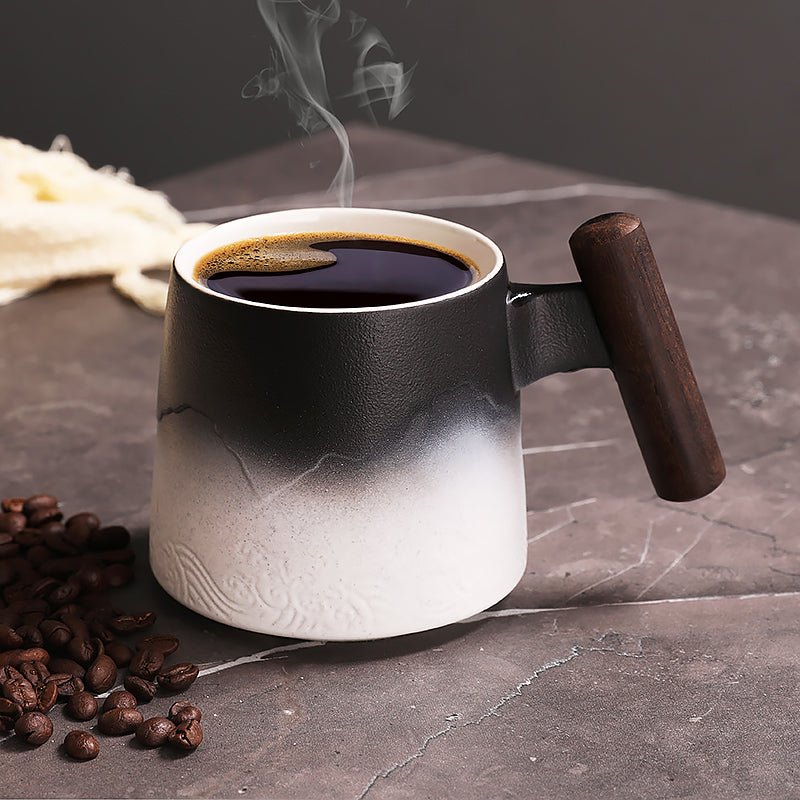
Coffee Stainless Steel Mug Buying Guide for Daily Use
Reading time: about 10 minutes
A coffee stainless steel mug usually looks simple on the shelf, but the difference shows up on a real morning: one mug runs too hot to hold, another sweats on a desk, and a third fits the coffee machine but not the lid you actually use. That is the sort of detail our team watches for when we handle drinkware in our store.
If you are comparing options before buying, this guide focuses on the practical side of a coffee stainless steel mug: how it feels in the hand, how it behaves after a few dishwasher cycles, and what trade-offs are worth accepting. If you want to browse our current drinkware selection while you read, start with our full collection or check our products page.
What should a coffee stainless steel mug do well?
A good coffee stainless steel mug should hold heat reasonably well, feel stable in the hand, and survive daily use without chipping like ceramic. That sounds basic, but buyers often discover the practical differences only after bringing one home. In our experience, the mugs people keep using are the ones that balance insulation, comfort, and easy cleaning instead of trying to do everything.
For everyday use, we look at a few concrete points:
- Material: food-grade stainless steel is the core; many mugs use double-wall construction for better temperature retention.
- Capacity: common sizes include 8 oz for smaller pours and 20 oz for longer coffee sessions; size affects portability and heat loss.
- Lid fit: a lid should sit securely without feeling loose or overly stiff when opening for a sip.
- Finish: brushed, polished, or coated exteriors each show fingerprints and scuffs differently.
What a coffee stainless steel mug is not ideal for: if you want a mug that keeps coffee piping hot for many hours without any temperature drop, you may need to compare it against a dedicated insulated travel tumbler or a vacuum-sealed bottle. A simple stainless mug is often better for desk use, home use, or shorter commutes.
How do size and capacity change the way the mug works?
Size affects more than how much coffee you pour. It changes heat retention, weight, grip, and whether the mug fits the coffee setup you already own. A smaller mug can feel more refined on a breakfast tray, while a larger one is useful for long work sessions or a second pour.
We see three common buyer scenarios:
- 8 oz mugs: better for espresso-based drinks, smaller drip coffee servings, or buyers who prefer a compact cup that does not overfill the hand. Our 8 oz coffee mug guide breaks down what to check if you are deciding on that size.
- Standard everyday mugs: a balanced choice for a single serving at home or the office desk.
- 20 oz mugs: useful for larger pours, longer mornings, or people who do not want to refill often. If that sounds like you, our 20 oz coffee mug guide explains the trade-offs in more detail.
There is a downside to going bigger. A larger stainless steel mug can feel top-heavy, take longer to cool to drinking temperature, and be less comfortable in smaller cup holders or tighter dishwasher racks. Smaller mugs are easier to live with, but they may not suit someone who wants a long-lasting second cup.
Which lid and rim details matter most for daily drinking?
The lid and rim are where buyers often decide, “This is usable,” or “This is going to annoy me.” A lid that seals poorly is frustrating on a desk. A rim that feels too sharp can make the mug seem cheaper than it is. We pay close attention to both because those are the parts you touch every day.
Look for these practical details:
- Slide lid or press-fit lid: easier to sip from, but the opening should not slosh coffee when the mug is moved.
- Silicone gasket: helps the lid sit more securely and reduces small leaks in regular use.
- Rounded rim: more comfortable on the lip than a thin, unfinished edge.
- Spill behavior: some lids resist tipping in a small office bump, but none should be treated like a fully sealed travel bottle unless the product says so clearly.
If you carry coffee in a bag, we would not recommend a standard open-style stainless mug. It is better for a kitchen counter, desk, or morning table than for tossing into a backpack. For true leak protection, a different category makes more sense.
Is a coffee stainless steel mug better than ceramic?
That depends on how you use it. Stainless steel usually wins on durability and resistance to chips. Ceramic usually wins on a classic drinking feel and can be better if you strongly dislike the slight metal note that some people notice with bare stainless interiors.
Here is the practical comparison we give shoppers:
| Feature | Stainless steel mug | Ceramic mug |
|---|---|---|
| Durability | Better for drops and daily handling | Can chip or crack more easily |
| Temperature handling | Often holds warmth longer, especially with double-wall construction | Comfortable but usually less forgiving once it cools |
| Feel in hand | Lighter, tougher, sometimes less “cozy” | Heavier, familiar, often preferred for home use |
| Care | Usually easier to rinse and keep looking clean | Can stain or craze depending on glaze and use |
We usually suggest stainless steel for people who want a mug for office desks, active households, or travel-light routines. We suggest ceramic if the mug will stay mostly in the kitchen and the drinking experience matters more than durability. Our comparison guide on stainless steel coffee mugs goes deeper into the features buyers often miss on product pages.
What do we check for before we recommend one in our store?
In our store, we look past the photos and focus on the parts that affect ownership after the unboxing. A mug may look clean and premium in the listing, but the real test is how it behaves on a kitchen counter after repeated use. That means checking the finish, the lid alignment, the welds or seams, and how easy it is to wash.
These are the details we look for most often:
- Interior finish: a smooth stainless interior is easier to rinse and less likely to trap odors.
- Base stability: the mug should sit flat without wobble on a desk or counter.
- Handle design, if present: enough room for fingers, with a grip that feels secure when the mug is hot.
- Cleaning access: wide openings are easier to hand wash, especially if the mug will be used with milk drinks.
We also pay attention to common defect modes. A lid may arrive slightly misaligned. A finish can show scuffs if packed loosely. Some mugs have seams or joins that are visually distracting even if they do not affect function. None of that is rare in drinkware, which is why buyers should look at product photos and details carefully rather than guessing from the name alone.
How should you care for a stainless steel coffee mug?
A stainless steel coffee mug is usually low-maintenance, but it still lasts longer when you clean it the right way. Coffee oils build up over time, and milk drinks leave residue faster than black coffee. If a mug starts to smell stale, it is usually a cleaning issue rather than a material failure.
Our practical care routine is simple:
- Rinse the mug soon after use, especially after milk drinks.
- Wash with warm water and a mild dish soap.
- Use a soft sponge rather than an abrasive pad on polished finishes.
- Dry the mug before storing it to avoid water spots.
- If the lid has removable parts, separate them so residue does not stay trapped.
Dishwasher use depends on the specific mug and lid design. Some stainless steel mugs handle dishwasher cycles fine, while printed coatings, colored exteriors, or certain lid components may hold up better with hand washing. If a product page gives care instructions, follow those instructions first. A mug that looks sturdy can still show cosmetic wear if it is washed aggressively every day.
Which coffee stainless steel mug fits office use, gifts, or commuting?
The best coffee stainless steel mug depends on the setting. A mug that works on a home desk may be the wrong choice for commuting, and a gift mug needs a cleaner, more universal look than a personal everyday cup.
Here is how we usually think about it:
- Office desk: choose a stable base, a comfortable sip lid, and a finish that does not show every fingerprint.
- Gift use: pick a simple, good-looking mug that is easy to understand at unboxing. A neutral design tends to land better than something overly specific.
- Commute: prioritize a secure lid and a size that fits your bag or car cup holder. A standard coffee mug is not the same as a leakproof travel tumbler.
- Home use: comfort and easy cleaning matter more than extreme insulation.
If you are buying for a gift, check the unboxing experience carefully. A stainless steel mug can feel premium if the packaging is neat and the finish is clean, but it can also feel underwhelming if the lid is fiddly or the cup arrives with visible scuffs. For shoppers comparing styles, our stainless steel coffee mug buying guide for daily use is a useful place to compare everyday use cases.
What are the most common mistakes buyers make?
The most common mistake is choosing by appearance alone. A shiny mug may photograph well and still be awkward to drink from. Another mistake is assuming every stainless mug is fully leakproof or insulated to the same level. The category has a lot of variation.
Watch out for these buyer mistakes:
- Buying a size that does not match the coffee maker or serving style.
- Ignoring whether the lid is meant for sipping only or for transport.
- Choosing a finish that shows fingerprints and scratches faster than expected.
- Expecting ceramic-style drinking comfort from a thin stainless rim.
- Skipping care instructions and then blaming the mug for odor or staining.
If you want a mug you will actually use, the best strategy is simple: match the mug to your routine, not to the product photo.
Frequently asked questions
Is a coffee stainless steel mug safe for hot coffee?
Yes, a coffee stainless steel mug is designed for hot drinks, including coffee. The main thing to watch is the exterior temperature and lid style, since some designs hold heat better than others. If the mug is double-wall insulated, the outside usually stays more comfortable to hold than a thin single-wall cup.
Can I put a stainless steel coffee mug in the dishwasher?
Sometimes, but not always. The mug body may be dishwasher-safe while the lid or any printed finish needs gentler care. We recommend checking the care notes for the specific product, because the safest choice depends on the coating, lid material, and how much cosmetic wear you are willing to accept.
Will coffee taste metallic in a stainless steel mug?
Some people notice a slight metallic note, especially with bare stainless interiors or if the mug is not rinsed well between uses. A quick wash after coffee helps a lot. If you are very sensitive to that taste, ceramic may feel better for your daily cup.
What size coffee stainless steel mug should I buy?
Choose the size based on how you drink coffee. An 8 oz mug suits smaller servings, while a 20 oz mug works better if you pour a larger morning coffee or want fewer refills. If you are unsure, compare the mug to the cup sizes you already use at home.
Is a stainless steel coffee mug good for travel?
It can be, but only if the lid is made for transport and the product is meant to resist spills. A standard coffee mug is better for desk or home use than for a backpack. For commuting, look closely at the lid seal and whether the shape fits your cup holder.
If you are still comparing options, use this quick checklist before you buy: size, lid style, finish, cleaning method, and whether the mug is for home, desk, or travel. Then browse our current selection on the collection page and choose the coffee stainless steel mug that matches your routine instead of just the photo.
More from our blog
Read more
Stainless Coffee Mug Buying Guide for Daily Use
A practical guide to choosing a stainless coffee mug that fits real daily routines, from desk coffee to commuting and dishwasher cleanup. We cover the trade-offs that matter before you buy.
Read more
Self Heating Coffee Mug: What Buyers Should Check Before Buying
A practical buyer’s guide to self heating coffee mugs, with the trade-offs that matter on a desk, at home, or as a gift. We cover materials, battery and charging realities, and what separates a use...
Read more
Leave a comment
This site is protected by hCaptcha and the hCaptcha Privacy Policy and Terms of Service apply.