
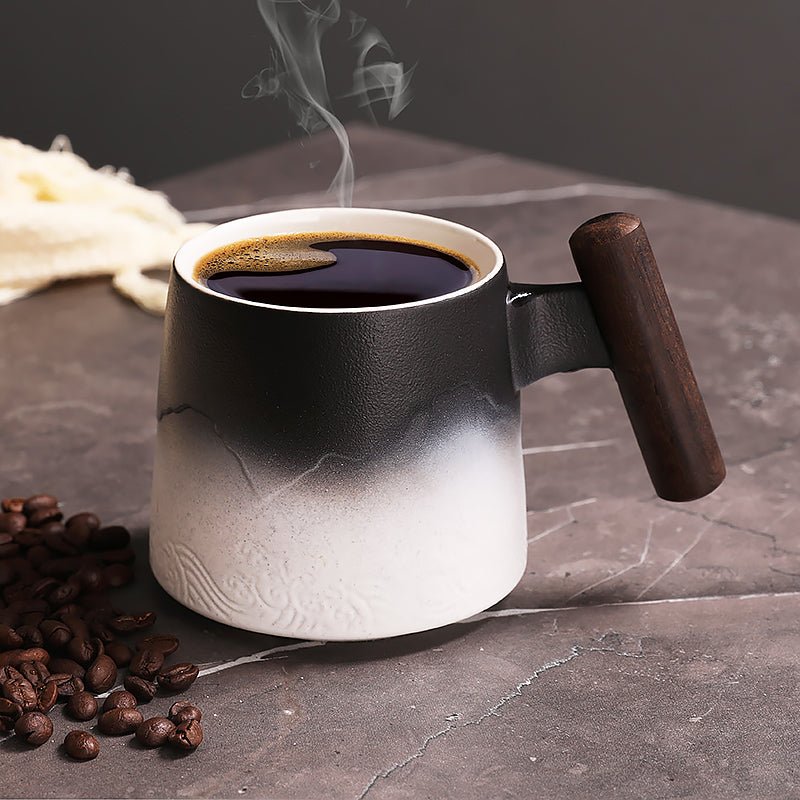
How to Choose a Stainless Insulated Coffee Mug for Daily Use
Reading time: about 10 minutes
A stainless insulated coffee mug only earns its place on a kitchen counter or office desk if it does two things well: keep coffee hot long enough to matter and avoid leaks when the lid gets bumped. In our store, we see the same buying mistakes over and over, and they usually come from ignoring the lid, the base, or the cleaning routine.
We write this from the product side, not from a generic search brief. When we look at a mug, we check the wall construction, the lid seal, the feel in hand, and how it behaves after a few wash cycles. If you want a broader buying checklist, our Stainless Steel Coffee Mug Insulated: What Buyers Should Check article covers the core build details in more depth.
What does a stainless insulated coffee mug actually do better than a regular mug?
The main difference is simple: stainless steel with vacuum insulation slows heat loss far better than a standard ceramic mug left open on a desk. That matters if you drink slowly, step away from the cup often, or carry it from the kitchen to the car. A good one also resists flavor holdover better than some plastics, which matters when yesterday's coffee should not affect today's pour.
We usually explain it this way to shoppers: you are not buying a fancy cup, you are buying more control over temperature, spill resistance, and daily abuse. The trade-off is just as real. A stainless insulated coffee mug will not go in the microwave, and some models are bulkier than a simple ceramic mug. If you want the lightest possible carry, or you only drink coffee in one sitting, the insulation may be more than you need.
That is why the best choice depends on routine. A mug for a home office desk can favor comfort and an easy lid. A mug for the commute needs a tighter seal and a base that fits the car holder. For travel-specific buying, our Best Insulated Coffee Mug Travel: What to Buy and What to Skip guide breaks down what matters on the road.
Which features matter most before you buy?
We look at a short list of details every time because they determine whether the mug works after the first week, not just out of the box.
- Body material: 18/8 stainless steel is the common benchmark for drinkware because it stands up to daily use and resists flavor transfer better than bare plastic.
- Insulation type: Double-wall vacuum construction is what keeps the outside from sweating and helps the drink stay hot longer.
- Lid seal: A silicone gasket should sit flat and even. If it twists easily, that is usually a leak risk later.
- Lid mechanism: Sliding lids are convenient, but they need a solid track. Flip lids can be easier to clean, but the hinge must feel firm.
- Base shape: A mug that is slightly tapered at the bottom is often easier to place in a car cup holder than a straight-sided body.
- Finish: Powder-coated exteriors give better grip, but they can chip if they bang against sinks, desk edges, or car consoles.
One detail shoppers often miss is how the lid feels after repeated use. A lid that seals once but gets loose after a week of washing is a common complaint. Another is condensation. If the outer wall starts sweating, that usually signals a problem with the insulation or the lid fit. A stainless insulated coffee mug should stay dry on the outside under normal use.
| Feature | What it tells you | What we prefer in daily use |
|---|---|---|
| 18/8 stainless body | Durable drinkware that handles daily washing and coffee oils | Best for most buyers who want a dependable everyday mug |
| Vacuum insulation | Helps keep coffee hot and prevents exterior sweating | Worth it if the mug sits open on a desk or travels between rooms |
| Silicone-sealed lid | Improves leak control and reduces sloshing | Best when the mug moves between home, office, and car |
| Powder-coated finish | Better grip and less slipping in hand | Useful if you drink while walking or work at a crowded desk |
What size and shape fit your routine best?
Size matters more than most shoppers think. A cup that is too small forces refills, while a cup that is too large can be awkward on a desk and annoying to clean. The right answer depends on how you drink, not just how much coffee you make.
Here is the practical breakdown we use with customers:
- 12 oz: Best for shorter coffee breaks, smaller hands, and people who want a mug that feels close to a traditional cup.
- 14 oz to 16 oz: The most flexible range for office use, home use, and a standard pour from a drip machine.
- 20 oz: Better for long commutes, bigger servings, or anyone who wants fewer refills during the morning.
Shape matters just as much. A wider mouth is easier to rinse and lets coffee cool a little faster, which some people prefer. A taller, narrower body holds heat a bit better and often feels more secure in a car holder. If you prefer a mug with a comfortable grip for long desk sessions, our Best Insulated Coffee Mug with Handle: What Buyers Should Check article covers when a handle helps and when it just adds bulk.
If you are choosing a gift, size matters there too. A 16 oz mug is usually safer than an oversized model because it works for most coffee drinkers without feeling too bulky in the hand or too large in a kitchen cabinet.
How do we judge lid quality and leak resistance?
The lid is usually the part that separates a good mug from a frustrating one. The steel body can be excellent, but if the lid is loose, noisy, or awkward to clean, the whole mug becomes a compromise. We pay close attention to the way the lid closes, the feel of the slider or flip top, and whether the seal locks into place consistently.
Our rule of thumb: if the lid feels flimsy the first time you open it, it usually gets worse after repeated washing and daily use.
A few signs tell us the design is worth considering:
- The lid closes with a clean, even press instead of one side snapping in before the other.
- The gasket sits flat and does not warp when removed and replaced.
- The drink opening is sized for actual sipping, not just a small hole that makes coffee dribble.
- The lid pieces can be disassembled enough to wash coffee residue out of the corners.
We also tell shoppers what a stainless insulated coffee mug is not good for. It is not the best choice if you need a fully spill-proof container you can toss upside down in a backpack. That job belongs more to a true travel tumbler or bottle with a tighter locking mechanism. It is also not ideal if you want to reheat coffee in the microwave or prefer a delicate ceramic drinking experience.
How should you clean and care for it so it lasts?
Cleaning is where many mugs lose their shine. Coffee oils build up in the lid, especially around sliders, hinges, and silicone gaskets. If the mug is stainless outside and plastic inside the lid assembly, the lid needs more attention than the steel body.
Our practical care routine is straightforward:
- Rinse the mug soon after use so coffee oils do not dry on the interior.
- Wash the lid and gasket by hand unless the manufacturer clearly says the full lid is dishwasher-safe.
- Remove the gasket occasionally so residue does not collect underneath it.
- Use a soft brush or sponge instead of abrasive pads on coated finishes.
- Leave the mug open to dry so moisture does not sit under the lid or around the seal.
One of the most common failure modes we see is not dramatic. It is subtle residue buildup that makes the lid smell stale or the seal feel sticky. Another is cosmetic wear: chipped powder coat near the base or around the rim from repeated contact with sinks and hard desk surfaces. Those issues do not always affect performance, but they do affect how long the mug feels new.
If you want the broader shopping logic behind care, lid materials, and daily use, our Coffee Stainless Steel Mug Buying Guide for Daily Use and Insulated Coffee Mug Buying Guide: What to Check Before You Buy articles are useful companions.
Is a stainless insulated coffee mug the right choice for office, home, or travel?
For a desk, it is usually an easy yes. The mug stays stable, the outside does not sweat, and you can sip over a long meeting without racing the clock. For home use, it works well if you often get interrupted or prefer to make one cup and drink it slowly.
For the commute, the answer depends on fit and lid style. Check the base diameter against your vehicle holder, and do not assume that every insulated mug rides well in a car. Some taller models hold heat well but feel top-heavy in a narrow holder. Some shorter models are easier to secure but give up a little capacity.
For gifting, stainless insulated coffee mugs are useful because they are easy to understand and practical without being impersonal. The best gift choice is usually a medium size, a clean lid design, and a finish that does not show fingerprints too quickly. If you are comparing options across our catalog, start with our product pages or browse the wider selection on our collection page.
One trade-off worth saying out loud: if the person you are buying for wants a lightweight cup for backpacking, or a mug they can toss in a dishwasher without checking any lid parts, a different style may be the better fit. Not every insulated mug is built for the same job, and that is fine.
Frequently asked questions
Can a stainless insulated coffee mug go in the microwave?
No. Stainless steel should not go in the microwave, and the lid assembly may contain plastic parts that are not microwave-safe either. If you want to reheat coffee often, a ceramic mug is usually the better choice.
How big should a stainless insulated coffee mug be for everyday use?
For most buyers, 14 oz to 16 oz is the most practical range. It gives enough room for a standard coffee pour without feeling oversized on a desk. If you drink large servings or need fewer refills, 20 oz can make sense.
Are stainless insulated coffee mugs easy to clean?
The steel body is usually easy to rinse, but the lid decides how easy the mug really is to clean. Look for a lid with fewer hidden corners and a gasket you can remove. Hand-washing the lid is the safest routine unless the product clearly says otherwise.
Do stainless insulated coffee mugs keep coffee hot all morning?
They help a lot, but the result depends on the mug design, how often you open the lid, and whether the cup is pre-warmed before use. A good vacuum-insulated mug slows heat loss, but it is not a sealed thermos. If you sip slowly for hours, expect the temperature to change gradually.
Is a handle necessary on a stainless insulated coffee mug?
Not always. A handle helps if you want a familiar mug feel or tend to carry hot drinks with one hand, but it can make the mug bulkier in a bag or cup holder. If you are unsure, compare handle and no-handle options in our related guide before buying.
What should you compare before you add one to cart?
Before you buy, compare the same four things every time: size, lid, cleaning, and where you will actually use it. That keeps the decision practical and avoids buying a mug that looks right but works poorly in your day.
- Choose the size that matches how much you pour, not how big the mug looks in a photo.
- Check whether the lid feels secure and can be cleaned without frustration.
- Measure the base if you plan to use it in a car cup holder.
- Decide whether you want a handle, a powder coat, or a smoother steel finish.
If you want to compare styles side by side, start with the current selection on our collection page and then use the care and lid notes above to narrow the options. That is the fastest way to land on a stainless insulated coffee mug that fits the way you actually drink coffee.
More from our blog
Read more
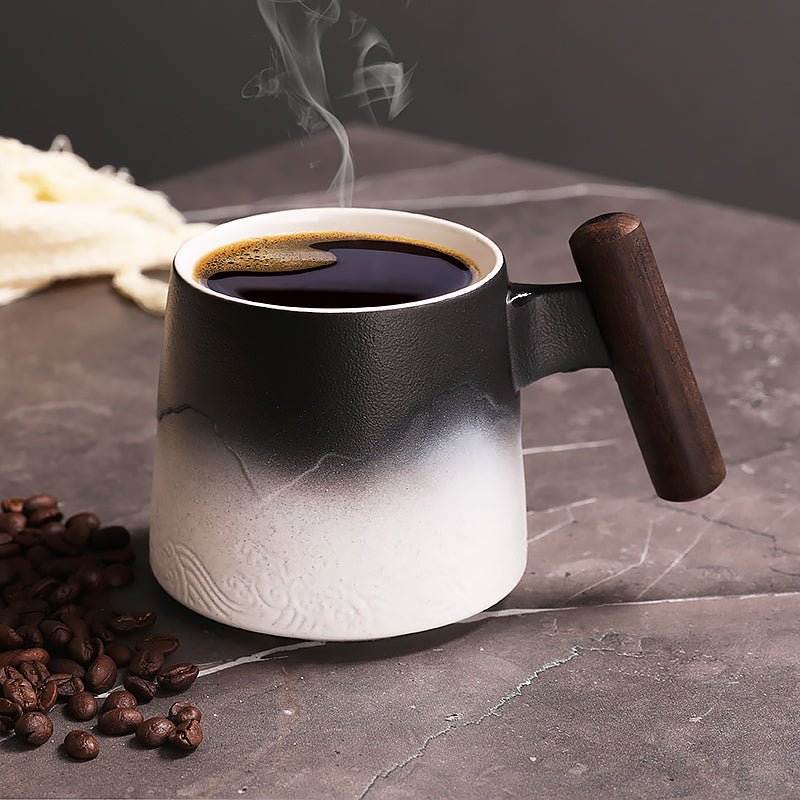
Custom Printed Coffee Mugs: What Buyers Should Check Before Ordering
See how we evaluate custom printed coffee mugs for office desks, gift boxes, and repeat daily use. This guide covers size, print placement, care, and where a travel mug makes more sense.
Read more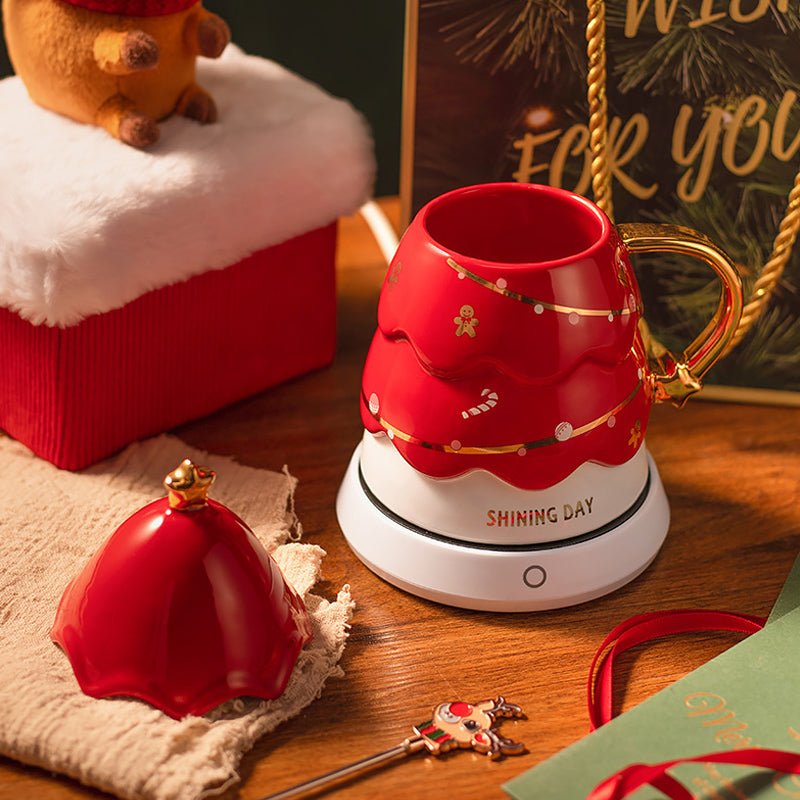
Starbucks Coffee Christmas Mugs: What to Check Before You Buy
Starbucks coffee christmas mugs can look similar online but feel very different in hand. This guide shows what to check on size, finish, care, and gift value before you buy.
Read more
Leave a comment
This site is protected by hCaptcha and the hCaptcha Privacy Policy and Terms of Service apply.