
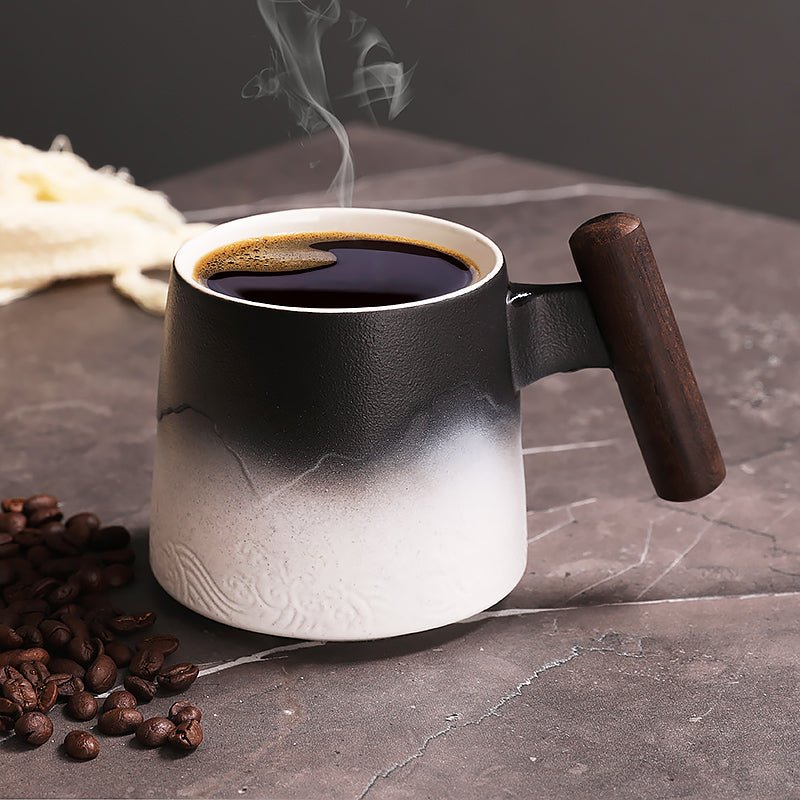
Coffee Mug Insulated: What to Check Before You Buy
Reading time: about 9 minutes
Morning coffee cools fast on a desk. A mug gets knocked a little too often. The lid leaks on the way from the kitchen to the office chair, and suddenly the cup that looked perfect online is the one you stop reaching for.
That is the real test for a coffee mug insulated. It should keep coffee warm, close securely, clean up without a hassle, and fit the way you actually drink. In our store, we see the same buying pattern again and again: shoppers are usually choosing between a desk mug, a short-commute mug, and a gift mug that needs to feel useful on day one.
What should a coffee mug insulated do day to day?
A good insulated mug does four jobs at once. It holds heat long enough for a normal morning. It resists splashes when you carry it from the counter to the desk. It is comfortable to hold. And it does not turn into a cleaning chore after a week of use.
- For office use, it should stay stable on a desk and open easily between meetings.
- For commuting, the lid needs a tight seal and a shape that fits common cup holders.
- For home use, it should feel easy to rinse, dry, and reuse.
- For gifts, it should look tidy out of the box and be simple enough that the recipient uses it right away.
The most common construction for a coffee mug insulated is double-wall stainless steel. That setup is practical because the vacuum layer between the walls helps slow heat loss without making the mug overly fragile. Some versions use a ceramic-lined interior, which can be appealing if you care about flavor neutrality and do not want a metal feel. We see those work well for desk use, but they are less forgiving if the mug gets banged around in a bag.
There is a trade-off here. A mug that prioritizes spill resistance and insulation is usually heavier than a basic ceramic mug, and it is not a microwave-friendly substitute for every kitchen cup. If you like reheating coffee in the microwave, a stainless model is the wrong tool. If you want to sip over a longer stretch without reheating, it is usually the better tool.
If you want a quick screen of the core buying points, our Best Insulated Coffee Mug: What to Check Before You Buy guide covers the basics in a compact way.
Which type fits your routine?
The best coffee mug insulated for a desk does not always suit a commute, and that is where a lot of buyers misfire. The shape, lid, and capacity matter as much as insulation claims.
| Buyer scenario | What matters most | What to avoid |
|---|---|---|
| Desk and home office | A stable base, easy-open lid, and a size that matches your usual pour | Overly narrow mugs that are annoying to clean |
| Short commute | Spill control, a secure lid, and a shape that fits a car cup holder | Open-top designs or loose push-on lids |
| All-day sipping | Good heat retention, a comfortable grip, and a lid you can reopen quickly | Mugs that trap odors or are difficult to disassemble |
| Gift purchase | A clean look, practical capacity, and easy care instructions | Specialized features the recipient may never use |
If you are buying for travel, our Best Insulated Coffee Mug Travel: What to Buy and What to Skip article focuses on lid style and spill control. If a handle matters to you, compare that with Best Insulated Coffee Mug with Handle: What Buyers Should Check because a handle changes the feel more than most shoppers expect.
One practical note: a handled mug is easier to grab at a desk, but it is not always the best choice for a car cup holder or a narrow shelf. A handle-free mug usually packs more neatly. Neither is universally better.
What materials and construction details matter most?
This is where a coffee mug insulated either earns its keep or turns into a disappointment. The core material, the lid construction, and the way the mug is finished decide how it behaves after the first few weeks.
Here are the details we watch for:
- Body material: Stainless steel is the workhorse because it is durable and handles repeated use well. Ceramic-lined interiors can feel nicer for taste, but they usually need gentler handling.
- Lid seal: A good lid uses a gasket or O-ring that sits evenly all the way around. If the seal is crooked or loose, you get slow seepage instead of a dramatic leak.
- Opening size: A wider mouth is easier to wash by hand and less likely to hold stale coffee residue. Narrow openings can be fine, but they usually need a brush.
- Capacity: Common useful sizes are around 12 oz, 14 oz, 16 oz, and 20 oz. Smaller sizes suit espresso drinks or short pours. Larger ones suit people who refill less often.
- Finish: Powder-coated exteriors can improve grip, but they can show wear if dragged around in a bag or packed against metal tools.
We also pay attention to common defect modes. A mug can look solid and still fail if the lid threads feel rough, the gasket shifts after washing, or the body gets dented hard enough to compromise the vacuum layer. That last one matters. Once the vacuum seal is damaged, the insulation performance can drop noticeably even if the mug still looks fine.
If you are comparing material choices, our Stainless Steel Coffee Mug Insulated: What Buyers Should Check article goes deeper on the stainless steel side of the category.
How do lids, handles, and size change the experience?
Small design choices change the way the mug feels in daily use. They also decide whether the mug gets used every morning or pushed to the back of the cabinet.
- Lid style: A slide lid is easy to use at a desk. A twist or snap seal is better if you need tighter spill control. If the lid has several moving parts, make sure you are comfortable cleaning them.
- Handle or no handle: A handle gives you a more familiar mug feel and helps if the outside wall gets warm. No-handle designs often pack better and fit more easily in holders.
- Capacity: A 12 oz mug is usually enough for a smaller pour or a straightforward coffee break. A 16 oz mug suits a standard drip coffee. A 20 oz mug is more forgiving if you pour once and drink slowly.
- Base shape: A stable base matters more than people think. A slightly wider base can prevent the mug from wobbling on a crowded counter or a cluttered office desk.
For buyers who want a handle specifically, the right starting point is our Insulated Coffee Mug with Handle: What Buyers Should Check article. It helps separate a genuinely useful handle from one that just adds bulk.
There is also a limit to what these mugs should be expected to do. A coffee mug insulated is not the best choice for someone who wants true backpack-proof sealing. If you need something that lives in a bag all day, a travel tumbler or bottle style often makes more sense than a mug-style drinkware piece.
What should you check before buying for work, travel, or gifting?
We tell shoppers to picture the mug in the exact place it will be used. Kitchen counter. Office desk. Car cup holder. Gift box. That one step cuts through a lot of guesswork.
If you want to compare our current lineup, start with our products page or browse the full collection. That makes it easier to match the mug to your actual routine instead of choosing by photo alone.
Before you buy, run through this checklist:
- Will it fit the drink size you normally pour, not just the one in the product image?
- Does the lid feel easy to open with one hand if you are at a desk or driving?
- Is the body simple to rinse, or will it need a brush every time?
- Are the body and lid both acceptable for the care method you prefer, especially if you use a dishwasher?
- If it is a gift, will the recipient likely use a handle, or would a cleaner silhouette be more practical?
For gift buyers, a coffee mug insulated is strongest when the setup is obvious: a lid that seals clearly, a size that feels useful immediately, and a finish that does not require explanation. It is weaker as a gift when it has too many parts or a very niche shape. That is why we usually steer shoppers toward simple, durable designs unless they know the recipient’s routine well.
How do you care for it so insulation lasts?
Care is where many insulated mugs get downgraded over time. The body may last a long time, but the lid and seal need regular attention.
- Wash the mug soon after use so coffee oils do not sit and harden.
- Separate the lid components if the design allows it, then rinse around the gasket area.
- Dry the mug with the lid off so moisture does not stay trapped inside.
- Use a soft sponge or bottle brush rather than an abrasive pad on coated finishes.
- If the product says the body is dishwasher-safe, remember that repeated high heat can still wear labels, finishes, and lid seals over time.
The most common real-world complaint we hear is not that the mug stopped working overnight. It is that the lid started feeling sticky, the seal picked up odor, or the exterior finish looked tired after a few rough cycles. Those issues usually come from cleaning habits, dropped mugs, or ignoring the gasket.
If you want the mug to stay in good shape, treat the lid as a separate part of the product. That mindset matters. A clean, dry gasket and a properly seated lid do more for day-to-day performance than most buyers expect.
Frequently asked questions
Is a coffee mug insulated better than a regular ceramic mug?
For slow sipping, yes. A coffee mug insulated holds heat longer and gives you more margin if your morning gets interrupted. A regular ceramic mug is still a better fit if you want the simplest possible cup and you finish coffee quickly at home.
Can I put an insulated coffee mug in the microwave?
No if the body contains stainless steel or any metal part. That includes many insulated mug bodies and some lids with metal components. If you need reheating, pour the coffee into a microwave-safe cup first.
What size coffee mug insulated should I buy?
For smaller drinks or a compact desk setup, 12 oz is usually enough. For a standard coffee pour, 16 oz is the safest all-around choice. If you like fewer refills or larger pours, 20 oz gives you more room without forcing a second trip to the pot.
Do insulated mugs need to be hand washed?
Often the lid does, even when the body is dishwasher-safe. We recommend checking the care notes carefully because the lid gasket and moving parts are where odor and residue build up first. Hand washing those parts usually extends the life of the mug.
What is the main downside of a coffee mug insulated?
It is usually heavier and less flexible than a plain ceramic mug. It is also not the right choice if your main habit is reheating coffee in the microwave. That trade-off is worth it for heat retention and spill control, but not for every household.
If you want the fastest next step, use the checklist above, then compare the options in our products page and the full collection. Focus on the size, lid, and cleaning setup that match how you actually drink coffee, not just how the mug looks in a photo.
More from our blog
Read more
Hydro Flask Coffee Mug Buying Guide: What to Check Before You Buy
A practical guide to choosing a hydroflask coffee mug that fits your routine, from insulation and lid design to size, cleaning, and everyday carry. Use it to compare real trade-offs before you buy.
Read more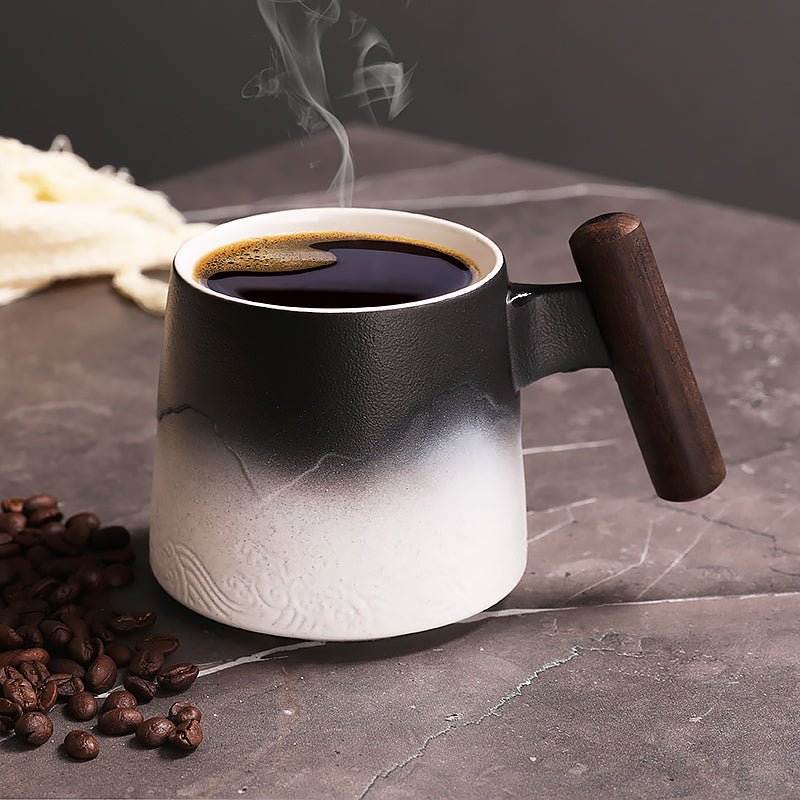
Custom Printed Coffee Mugs: What Buyers Should Check Before Ordering
See how we evaluate custom printed coffee mugs for office desks, gift boxes, and repeat daily use. This guide covers size, print placement, care, and where a travel mug makes more sense.
Read more
Leave a comment
This site is protected by hCaptcha and the hCaptcha Privacy Policy and Terms of Service apply.