

Round Ceramic Coffee Mug for Daily Routine: What Buyers Should Compare
Reading time: about 10 minutes
What does a round ceramic coffee mug for daily routine have to survive?
The first mug of the day takes more abuse than anything else in the cabinet. It gets filled at 6 a.m., parked next to a laptop, forgotten for twenty minutes, reheated, rinsed hot, and scrubbed with the rough side of a sponge before most people finish breakfast. We sell and ship these mugs every week, and the difference between the ones customers reorder and the ones that end up chipped at the back of a shelf is rarely the decoration. It is how well the mug was matched to that workload, which is why anyone shopping a round ceramic coffee mug for daily routine should judge it against the daily grind first and the look second.
A daily mug takes four kinds of punishment, and each one quietly eliminates part of the field:
- Thermal cycling. Hot brew into a room-temperature body, then a cold-water rinse minutes later. Body and glaze have to take that swing without developing fine craze lines.
- Grip load. Handles get lifted five or six times a day, often half asleep, often while the other hand holds a phone.
- Coffee chemistry. Oils and tannins settle into any pinhole or unglazed patch — the source of that stale-mug smell no rinse removes.
- Washing wear. Dishwasher racks knock rims, and abrasive sponges dull decorated surfaces fast.
Everything below is how we would put two mugs side by side in the store and decide which one earns the counter space.
How much coffee does a mug actually hold? The 6 oz “cup” problem
This mismatch trips up more buyers than anything else on a listing. Brewing guides, including the National Coffee Association’s, define a “cup” of coffee as 6 fluid ounces, brewed from one to two tablespoons of ground coffee per 6 ounces of water. Mugs do not follow that standard. A “10 oz mug” holds 10 fluid ounces of liquid — closer to one and a half brewing cups than to “one cup” in any morning sense.
| Listed capacity | Actual brews inside | Routine it fits |
|---|---|---|
| 8–10 oz | About 1½ brewing cups, or one cup plus milk headroom | Black coffee drinkers; one pour and done |
| 12 oz | Roughly 2 brewing cups, or one generous milk drink | Latte and cappuccino drinkers; slower sippers |
| 14–16 oz | Around 2½ brewing cups | Refill-avoiders; big breakfasts; room left for ice |
One number shoppers never see coming: a full 16 fluid ounces weighs close to a pound before the mug itself is counted. If you drink one-handed at a desk with the other hand on a mouse, that matters more than the capacity printed on the box.
Handle fit, full weight, and base width: the 30-second test
Ergonomics decide whether a mug becomes a daily object or a shelf object, and none of it shows up in product photos. Run these checks:
- Finger clearance. Two fingers should slide into the handle comfortably — three if your hands run large. A loop that forces a claw grip gets old by the second week.
- Full-weight lift. Apply the pound-of-liquid rule to any 16 oz fill. A mug that feels charming empty can feel top-heavy full.
- Base width. A wide base resists desk nudges, but measure it against a car cup holder or the narrow corner where the mug will actually live.
- The rim. Run a finger around the top edge. A smooth, fully glazed rim with no mold seam is where round mugs quietly beat straight-wall pieces — nothing sharp against the lip on sip number forty.
Honest trade-off: the same low, wide footprint that makes a round mug hard to knock over also eats more cabinet and dishwasher space than a slim straight-wall mug. Measure the shelf before you fall for the shape.
Microwave labels, thermal shock, and glaze safety: what to check before the first pour
What “microwave-safe” means — and the water-alone hazard nobody mentions
A microwave-safe label means the maker expects the body and glaze to handle microwave heating without cracking or leaching. No label on the listing? Ask the seller rather than testing with an empty mug, which is the fastest way to crack a perfectly good one. Treat any metallic rim or metallic-painted decoration as not microwave-safe unless the listing says otherwise.
One hazard almost nobody mentions: the FDA cautions that water microwaved by itself in a smooth cup can superheat — it looks perfectly still, then erupts when disturbed. Reheat coffee with the coffee already in the cup, or drop a wooden stirrer in before heating plain water.
Thermal shock is the other silent mug-killer. The rules fit in three lines:
- Never take a mug from the freezer or a cold car straight into boiling water or the microwave.
- Do not rinse a blazing-hot mug under cold water; let it cool on its own.
- Preheat before brewing — hot tap water for 30 seconds, dump, then pour. The first sip stays hot noticeably longer.
Lead and cadmium on decorated mugs: the glaze question worth asking
Food-safety agencies, the FDA included, caution that decorative ceramics — particularly hand-painted or imported pieces never intended for food — can leach lead or cadmium into hot drinks. That makes glaze a buying criterion, not a footnote. What to look for: a food-contact or food-safe glaze statement on the listing, and ideally decoration on the exterior rather than the drinking surfaces and rim. If a listing cannot answer the question, ask before buying. A mug that cannot answer it is a pen cup, not a coffee mug.
How long will a round ceramic mug keep coffee hot? An honest answer
Ceramic is taste-neutral and, when labeled, microwave-friendly — but any single-wall ceramic loses heat faster than a double-wall stainless travel mug. That is physics, not a defect. A quick comparison for a desk morning:
- Single-wall ceramic: cleanest flavor, microwave and rack convenience, best sipped within 20–30 minutes of a preheated pour.
- Double-wall stainless: holds temperature far longer, never goes in the microwave, and some of our customers notice the coffee tastes different out of steel.
- Glass: neutral taste and a visible fill level, but thin walls generally give up heat even faster than ceramic.
The question we hear at the counter most weeks: “Will this keep my coffee hot through a whole morning of calls?” Honest answer: no — and if that is the requirement, we point people to double-wall steel instead of overselling ceramic.
Preheating moves the needle more than shape does. A round body with a little extra wall and base thickness holds warmth slightly longer than a thin-walled piece, but the 30-second hot-water rinse before brewing is the real move. Finish a cup in twenty or thirty minutes and enjoy the refill ritual, and ceramic wins. Nurse one cup for ninety minutes, and it will disappoint you.
What the round shape does for a morning — and what it costs you
- Stirring. A rounded interior lets a spoon sweep the entire floor of the mug, so milk, sugar, and cocoa actually get pulled in instead of settling into corners.
- The sip. A smooth, fully glazed rim is the shape’s most underrated feature for a drink taken in small, repeated sips.
- Stability. A low, wide base shrugs off desk nudges and laptop-lid shoves — and matters even more on a busy breakfast counter.
The costs, plainly: round bodies hog cabinet and dishwasher space, most will not fit a car cup holder, and almost none take a lid. Commuters and stroller-pushers should think twice, because a taller, narrower silhouette travels better. That line between shelf piece and round ceramic coffee mug for daily routine is worth drawing before checkout, not after.
Round mug or tall mug: matching the shape to your actual morning
- You stir things in and drink at a desk or counter. The rounded interior and nudge-resistant base are the whole point, and that is the job our Round Coffee & Tea Mug is built for. Confirm exact capacity, glaze details, and the microwave and dishwasher labels on the current listing before ordering, since specs can change between production runs. If the mug’s home base is a breakfast bar rather than a desk, our breakfast-bar setup guide covers placement and what else survives there.
- You sip slowly and want more volume without a bowl-wide footprint. Height is the answer, and the Landscape Tall Coffee & Tea Mug covers that case instead — same rule: read the listing for capacity and care before you buy.
- You want to compare both silhouettes against everything else. The unique coffee mugs collection puts them side by side with the rest of the range.
Two follow-ups worth ten minutes each: our morning-routine checks article maps the pour-and-refill cadence these mugs live in, and the round mug for coffee and tea comparison covers which sizes serve both drinkers on a shared shelf.
Care habits that keep the glaze looking new
Daily mugs age by how they are washed, not how they are poured. Our short version:
- Rinse soon after finishing. Dried coffee oils — not the coffee itself — are what cause lingering smells.
- For the brown tannin line at the water level, use a baking-soda paste and a soft cloth. Skip scouring pads; scratched glaze stains faster next round.
- Odors: an overnight soak with baking soda and warm water resets almost any mug.
- Dishwasher: plain, fully glazed bodies generally take the rack fine; hand-painted, luster, or metallic finishes should be hand washed. The care label on the exact listing overrides every category rule, including ours.
Frequently asked questions
Is a round ceramic coffee mug for daily routine dishwasher safe?
Treat it as a listing question, not a category rule. Plain, fully glazed bodies generally tolerate the rack, while hand-painted, luster, or metallic-accented finishes should be hand washed to protect the surface. The care label on the exact mug you are buying always wins.
What size round mug holds a normal cup of coffee?
Brewing guides count a cup as 6 fluid ounces, so an 8–10 oz mug covers one cup with milk headroom, and 12 oz holds roughly two brewing cups or one large milk drink. If one pour has to replace a refill, look at 14–16 oz — a full 16 oz weighs about a pound in the hand.
Can I microwave water alone in a ceramic mug?
Carefully, or not at all. The FDA cautions that water heated by itself in a smooth cup can superheat and erupt when moved or stirred. Reheat coffee with the coffee already in the cup, put a wooden stirrer in before heating plain water, and never microwave an empty mug as a test.
Do round mugs keep coffee warm longer than straight-wall mugs?
Not enough to buy on shape alone. Wall thickness and preheating matter more than silhouette, and any single-wall ceramic cools faster than a double-wall stainless mug. Thirty seconds of hot tap water in the mug before brewing makes the biggest practical difference.
Will a round ceramic mug fit in my car cup holder?
Often no. The same wide base that keeps the mug stable on a desk is what jams in a holder. If you commute, check the base diameter on the listing against your holder’s opening; a taller, narrower silhouette is the safer call.
The 60-second checklist before you order
- Do the 6 oz math: match capacity to your actual brews, not the number on the box.
- Confirm the microwave and dishwasher labels on the listing itself, not the category page.
- Look for a food-safe glaze statement, especially on any decorated piece.
- Check base width against your cup holder or the desk corner where the mug will live.
- Be honest about heat: finish fast, choose ceramic; nurse for an hour, choose stainless.
Match those five answers against the round and tall mugs above, or browse the whole unique coffee mugs collection to compare shapes side by side before you commit.
Read more

Mug Shelf for Home Office: 7 Things to Compare Before Buying
Seven comparisons — mount style, shelf depth, load rating, placement, material, renters, and styling — before buying a mug shelf for home office, plus the trade-offs sellers rarely mention and hone...
Read more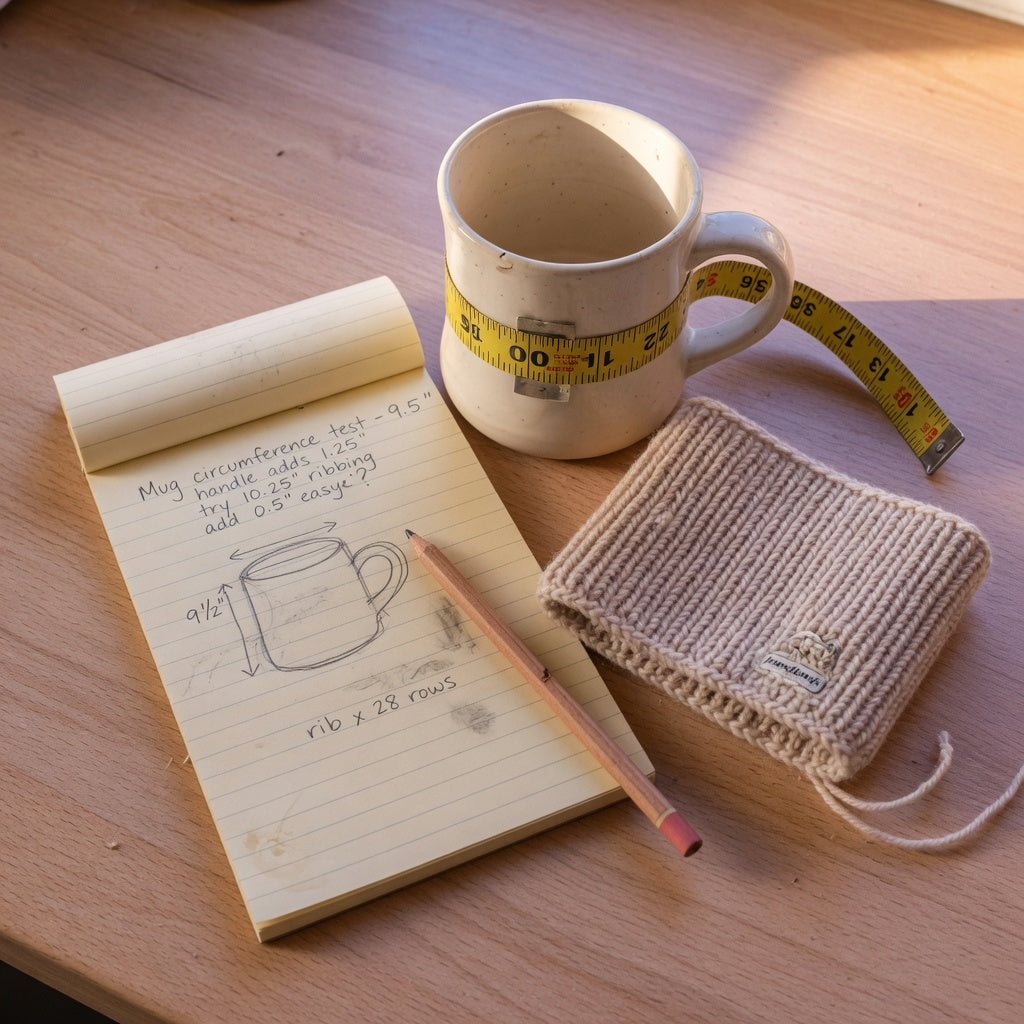
Mug Cozy Size Guide: What to Measure and Compare Before You Buy
A store-written mug cozy size guide: the mug measurements that decide fit, how much smaller a knit or crochet band should be, how wool, cotton, and acrylic change sizing, and which finished dimensi...
Read more
Leave a comment
This site is protected by hCaptcha and the hCaptcha Privacy Policy and Terms of Service apply.